


Transform Your Patio Into a Magical Evening Retreat With These Lighting Ideas

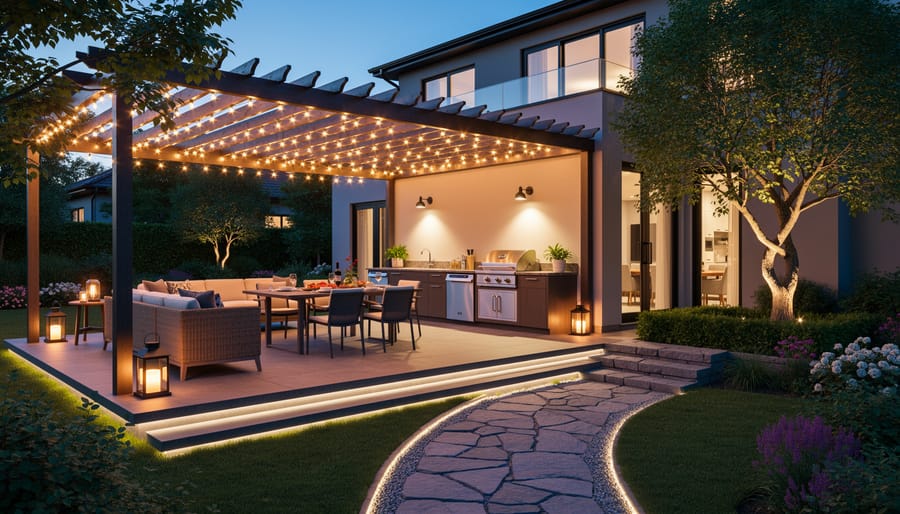
Layer ambient lighting with string lights or lanterns to establish a welcoming foundation, then add task lighting near dining or cooking areas for functionality, and finish with accent lights to highlight architectural features or landscaping. This three-tier approach transforms any patio from a daytime-only space into an evening retreat where you’ll actually want to spend time.
The right lighting design solves real problems homeowners face: dark corners that go unused after sunset, inadequate visibility for outdoor meals, and patios that feel disconnected from the rest of your property. Whether you’re working with a compact balcony or an expansive backyard entertainment area, strategic lighting placement extends your usable square footage and increases your home’s value.
Start by assessing your patio’s purpose and existing power sources. DIY-friendly solar options work beautifully for accent lighting and pathways, while hardwired fixtures provide reliable brightness for cooking and dining zones. Budget-conscious homeowners can achieve dramatic results with affordable string lights and solar stakes, while those investing in permanent solutions might consider recessed deck lighting or integrated pergola systems. The key is matching your lighting choices to how you actually use the space, not just how it looks in daylight.
Why Patio Lighting Design Matters More Than You Think
You might think patio lighting is simply about flipping a switch when the sun goes down, but the right lighting design can completely transform how you experience your outdoor space. Let’s explore why investing time in thoughtful patio lighting pays off in more ways than you’d expect.
First and foremost, proper lighting dramatically improves safety. Well-lit pathways, steps, and seating areas prevent trips and falls during evening gatherings. No more fumbling around in the dark or worrying about guests navigating your outdoor space after sunset. Strategic outdoor lighting solutions eliminate dark corners and hazardous spots while creating a welcoming environment.
Beyond safety, quality patio lighting extends your outdoor living season and daily usability. Why limit your beautifully designed patio to daytime hours only? With the right lighting, you can enjoy morning coffee before sunrise, host dinner parties that stretch into the evening, or simply relax under the stars on a Tuesday night.
Home value is another compelling benefit. Real estate experts consistently note that well-designed outdoor lighting boosts curb appeal and property values. Potential buyers see a thoughtfully lit patio as a sign of a well-maintained home and an additional living space they can actually use.
Consider Sarah’s experience: she rarely used her spacious patio after 7 PM because it felt dark and uninviting. After installing layered lighting with path lights, string lights over her seating area, and subtle uplighting for her garden beds, she found herself spending four to five evenings per week outdoors. Her family dinners moved outside, and she even started hosting book club meetings on her transformed patio.
The right lighting doesn’t just illuminate; it creates ambiance, defines spaces, and brings your outdoor vision to life.

The Three Essential Layers of Patio Lighting
Ambient Lighting: Your Patio’s Foundation
Think of ambient lighting as the welcoming glow that sets the entire mood for your patio. This foundational layer ensures your outdoor space feels inviting and usable after sunset, without harsh shadows or dark corners.
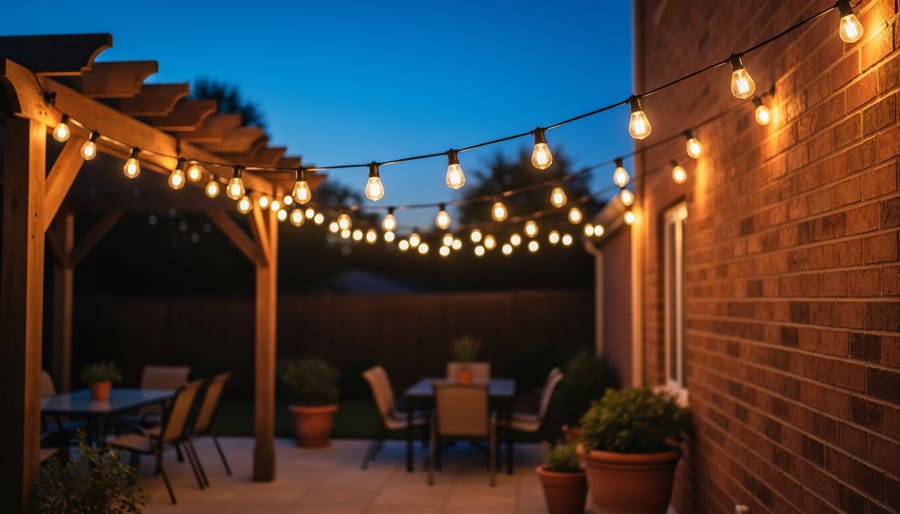
String lights remain a homeowner favorite for good reason. They’re budget-friendly, easy to install yourself, and create that magical bistro atmosphere everyone loves. Drape them along fence lines, zigzag them overhead between posts, or outline your patio perimeter. Most plug into standard outlets, making them perfect weekend projects.
For covered patios, ceiling-mounted fixtures offer a more polished look. Flush-mount or semi-flush options work beautifully, especially with weather-resistant finishes. Many homeowners find these provide better overall illumination than decorative string lights alone.
Pendant fixtures add visual interest while lighting dining or seating areas. Hang them at varying heights for dimension, keeping them about 30-36 inches above tables. Look for dimmable options so you can adjust brightness based on the occasion.
Pro tip: Layer your ambient lighting with multiple sources rather than relying on one bright fixture. This creates depth and allows you to customize the atmosphere for relaxed evenings or lively gatherings.
Task Lighting: Making Your Patio Actually Usable
Think beyond ambiance and consider how you’ll actually use your patio space after dark. If you’re grilling dinner, standard overhead lights won’t cut it when you’re trying to check if those steaks are perfectly seared. Install directional spotlights about 3-4 feet away from your grill, angled to illuminate the cooking surface without creating harsh shadows or getting in your way.
For dining areas, pendant lights hung 30-36 inches above the table create an inviting atmosphere while providing enough brightness to see what you’re eating. Position them to avoid glare in anyone’s eyes. One satisfied homeowner shared that adding a dimmer switch transformed their dining experience, letting them adjust brightness for casual lunches versus evening entertaining.
Reading nooks need focused light without eye strain. Wall-mounted sconces or adjustable floor lamps placed behind or beside seating work beautifully. Consider battery-powered LED options if running electrical lines isn’t feasible. The key is layering your task lighting with ambient options, so you can customize brightness based on the activity without leaving anyone stumbling around in the dark.
Accent Lighting: The Magic That Sets the Mood
Accent lighting transforms your patio from simply functional to genuinely magical. Think of it as the jewelry of your outdoor space—those finishing touches that make everything sparkle.
Uplighting works wonders for showcasing trees, architectural features, or tall plants. Position fixtures at the base pointing upward to create dramatic shadows and depth. This technique is surprisingly affordable, with solar-powered uplights starting around $15 each, making it perfect for DIY enthusiasts on any budget.
Wall washing bathes vertical surfaces in soft, even light, making your patio feel larger and more inviting. It’s especially effective on textured stone or brick walls, creating visual interest that draws the eye.
For pathway markers, consider low-voltage LED stakes or flush-mounted deck lights. These guide guests safely while adding subtle ambiance. One homeowner shared how adding simple pathway lights reduced her nighttime worries about visitors navigating her garden steps—practical problem-solving that enhanced both safety and beauty. Mix and match these accent techniques to create layers of light that truly set your desired mood.
Budget-Friendly Patio Lighting Ideas That Look Expensive
Solar-Powered Solutions That Actually Work
Solar lights have come a long way, but setting realistic expectations is key to satisfaction. They work beautifully for ambient lighting along pathways, garden borders, and as decorative accents, but don’t expect them to replace your main patio lighting. Most solar fixtures provide a soft glow rather than bright illumination.
For best results, place solar panels where they’ll receive at least six hours of direct sunlight daily. South-facing locations work best in most climates. Keep panels clean and free of debris, as dirt can reduce charging efficiency by up to 30 percent. If your patio is partially shaded, consider solar lights with remote panels that you can position in sunnier spots while keeping the fixtures where you need them.
One homeowner shared how strategically placing solar stake lights around her patio perimeter created a welcoming evening ambiance without running a single wire. The secret was choosing quality fixtures with larger solar panels and replacing them every two to three years as battery performance naturally declines.
Consider solar lights as supplementary rather than primary lighting. They’re perfect for creating atmosphere and guiding foot traffic while keeping energy costs at zero.
String Lights: Still the Crowd Favorite
String lights remain the go-to choice for patio lighting, and it’s easy to see why. They create instant ambiance while being surprisingly affordable and simple to install. The real magic lies in choosing the right style for your space.
Edison bulbs bring vintage charm with their exposed filaments, perfect if you’re aiming for an industrial or rustic vibe. Cafe lights offer that classic bistro feel with their elegant simplicity, while globe lights add a playful, festive touch that works beautifully for entertaining. One homeowner shared how switching from standard bulbs to Edison-style transformed their basic deck into their favorite dinner spot.
Get creative with your hanging patterns beyond the standard straight line. Try zigzag configurations for visual interest, drape them overhead like a canopy for intimate gatherings, or create swooping curves between posts. The pattern you choose dramatically affects the mood you create.
Installation is straightforward with the right preparation. Measure your space carefully before purchasing to avoid running short. Use sturdy hooks or eye screws rated for outdoor use, and secure them into solid materials. For permanent installations, consider running power through a weatherproof outlet with GFCI protection. Solar-powered options eliminate wiring concerns entirely, making them ideal for DIY enthusiasts tackling their first lighting project.
DIY Lanterns and Upcycled Lighting Projects
Transform ordinary household items into charming patio lights with these budget-friendly projects that anyone can tackle in a weekend. Mason jar lanterns remain a perennial favorite—simply wrap battery-operated LED string lights inside clean jars, or drill holes in the lids to create hanging fixtures. For a rustic touch, cluster several jars at varying heights along pathways or tables.
Old tin cans make surprisingly elegant luminaries when punctured with decorative patterns using a hammer and nail. Spray paint them in colors that complement your outdoor décor, add tea lights or LED candles, and watch enchanting patterns dance across your patio walls.
Repurpose vintage kitchen graters, colanders, or wire baskets into unique pendant lights by threading weatherproof cord through them and adding Edison bulbs. These conversation-starting pieces add character while providing ambient lighting.
Wine bottles can become elegant tiki torches or string light holders—just remove the bottoms using a glass-cutting kit (simpler than it sounds!) and string lights through them. These DIY patio accessories cost practically nothing but deliver maximum impact, proving that creative lighting doesn’t require a designer budget.
Premium Patio Lighting Designs Worth the Investment
Built-In LED Systems and Smart Lighting
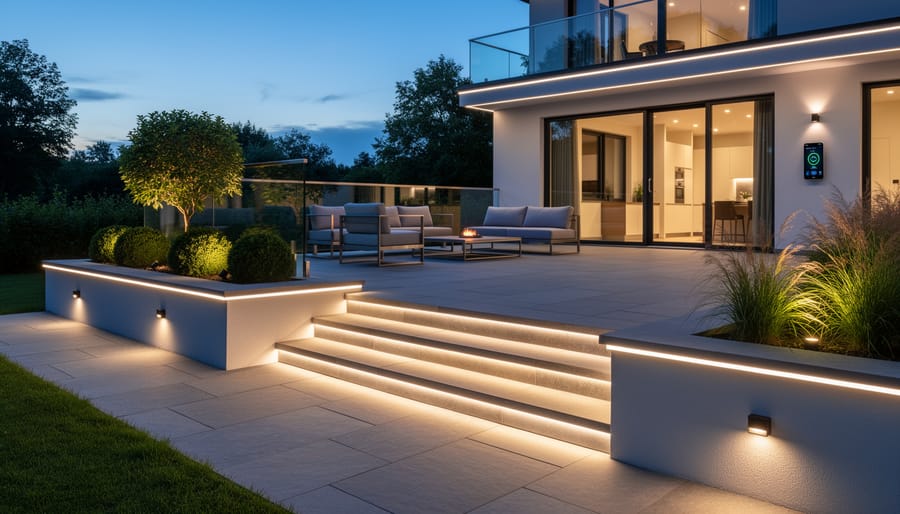
Modern technology has revolutionized patio lighting, making it easier than ever to create the perfect ambiance with minimal effort. Built-in LED systems offer sleek, energy-efficient solutions that integrate seamlessly into your outdoor space. Recessed lighting installed in pergola beams or patio ceilings provides clean, unobtrusive illumination without sacrificing headroom or visual appeal.
Smart bulbs transform your patio into a customizable retreat. Using simple smartphone apps, you can adjust brightness, change colors to match your mood, and even schedule lighting based on sunset times. Many homeowners find this particularly helpful for entertaining—you can transition from bright task lighting during dinner prep to soft, warm tones for evening relaxation without leaving your seat.
Automated systems take convenience further by incorporating motion sensors, timers, and voice control through popular home assistants. One homeowner shared how their automated system increased security while reducing energy costs, as lights only activate when needed. These systems often include dimming capabilities and zone control, letting you illuminate specific patio areas independently.
The initial investment pays off through lower electricity bills and extended bulb life—LED bulbs last up to 25 times longer than traditional options. Plus, most smart lighting systems work with existing outdoor fixtures, making upgrades surprisingly straightforward for DIY enthusiasts.
Architectural and Statement Fixtures
Transform your covered patio into an elegant outdoor room with statement lighting fixtures that rival indoor designs. Outdoor-rated chandeliers have become increasingly popular for covered patios, offering sophisticated ambiance while standing up to temperature fluctuations and humidity. Consider a wrought-iron chandelier for traditional spaces or a modern geometric design for contemporary settings.
Designer wall sconces provide both functional lighting and artistic appeal, particularly effective when flanking doorways or framing seating areas. Choose fixtures with weather-resistant finishes like powder-coated metals or marine-grade materials to ensure longevity.
High-end pendant lights work beautifully over dining tables or kitchen islands in outdoor living spaces. Hang them 30-36 inches above table surfaces for optimal lighting without obstructing views. One homeowner shared how installing three glass globe pendants above their patio dining area completely transformed evening gatherings, creating an intimate restaurant-like atmosphere. While these fixtures require higher upfront investment, their dramatic impact and durability make them worthwhile for homeowners committed to creating a true outdoor living extension.
Landscape Lighting Integration
Professional landscape lighting transforms your patio from an isolated island into a seamless extension of your yard’s overall design. The secret lies in creating visual pathways that guide the eye from your patio to surrounding features like garden beds, trees, and walkways.
Start by lighting key focal points beyond your patio perimeter. Uplighting mature trees or highlighting architectural elements like arbors creates depth and makes your outdoor space feel larger. Consider how creative outdoor lighting can connect your patio to storage sheds or other structures in your yard, creating a cohesive nighttime landscape.
Path lighting serves double duty by providing safety while visually connecting your patio to the rest of your property. Low-voltage fixtures work beautifully for this purpose and are DIY-friendly to install. Many homeowners find that coordinating fixture styles throughout their yard creates a polished, intentional look rather than a piecemeal appearance. Remember to vary light intensities, keeping patio areas brighter for activities while using subtler illumination in transitional garden spaces.
Matching Your Lighting to Your Patio Setup
Covered Patios and Pergolas
Covered structures like patios and pergolas present unique lighting opportunities since you can mount fixtures directly overhead. The key is creating layers of light that work together. Start by installing recessed downlights or flush-mount fixtures into your patio roof or pergola beams—these provide essential task lighting for dining and entertaining. Space them about 6-8 feet apart for even coverage.
For pergolas specifically, wrap string lights around the beams in a zigzag pattern or drape them straight across for a romantic ambiance. You can also hang lantern-style pendants from the center beams, which works beautifully over dining tables. Similar principles apply to gazebo designs, where a central chandelier creates stunning focal points.
Don’t forget the perimeter—mount wall sconces on supporting posts or attach strip lighting along the underside of beams for a soft, indirect glow. This technique highlights the architectural features while keeping the space functional after sunset. Consider dimmer switches so you can adjust brightness based on your activity, whether it’s lively dinner parties or quiet evening relaxation.
Open Patios Without Overhead Structure
Patios without pergolas or covered structures present a unique lighting challenge, but you’ve got plenty of creative options that deliver both functionality and charm. Freestanding lamp posts are your reliable friends here – they create ambient pools of light exactly where you need them and move easily when you rearrange your outdoor furniture. Look for solar-powered models if electrical access is limited; they’re budget-friendly and eliminate wiring headaches.
Shepherd’s hooks offer another flexible solution. Space them around your patio’s perimeter and hang lanterns or pendant-style lights at varying heights to create visual interest. For a modern approach, consider tall LED bollard lights that stake directly into surrounding garden beds, casting gentle illumination across your patio surface.
If your patio borders a fence or railing, you’re in luck. Mount string lights along these existing structures to frame your space beautifully. Weighted umbrella stands with built-in lighting provide dual functionality – shade by day and illumination by night. One homeowner shared how three strategically placed solar lamp posts transformed her bare concrete patio into an inviting evening retreat without any electrical work required.
Small Patios and Balconies
Small patios and balconies deserve beautiful lighting too, even when square footage is limited. The key is choosing fixtures that add ambiance without cluttering your precious space.
String lights are your best friend here. Drape them along railings or zigzag them overhead to create a cozy canopy effect without taking up floor space. For apartment dwellers, battery-operated or solar options eliminate the need for outlets.
Wall-mounted sconces free up surface area while providing focused illumination. Mount them at eye level on exterior walls to create a welcoming glow. Compact LED strip lights tucked under railing caps or planter edges add subtle accent lighting that enhances depth without overwhelming the space.
Consider multi-functional pieces like illuminated planters or side tables with built-in lights. These problem-solvers combine storage and lighting in one footprint. One homeowner transformed her tiny balcony by replacing traditional pots with glowing planters, creating a magical evening retreat without sacrificing gardening space.
Avoid oversized fixtures that dominate small areas. Instead, layer several small light sources to create dimension and interest while maintaining that open, breathable feeling your compact space needs.
Practical Installation Tips and Common Mistakes to Avoid
Power Sources and Electrical Safety Basics
Safety should always come first when installing patio lighting. Outdoor outlets must be GFCI-protected to prevent electrical shocks in wet conditions, and any outlets you use should be rated for exterior use with weatherproof covers. If your patio lacks proper outdoor outlets, never rely on long extension cords as a permanent solution. They’re fine for temporary decorations, but using them year-round creates trip hazards and fire risks.
When planning your lighting layout, consider how you’ll power each fixture. Low-voltage systems (12-volt) are DIY-friendly and safer for beginners since they reduce shock risk. However, installing new 120-volt outlets or hardwired fixtures requires hiring a licensed electrician. Don’t attempt electrical work beyond your skill level—it’s not worth risking your safety or your home’s electrical system. Most homeowners find that combining professionally installed outlets with DIY light placement offers the best balance of safety, functionality, and cost-effectiveness for their outdoor lighting projects.
Weather Protection and Fixture Placement
Protecting your patio lighting from the elements isn’t complicated once you understand the basics. Look for fixtures with an IP (Ingress Protection) rating of at least IP44 for covered patios, or IP65 and higher for fully exposed areas. The first number indicates dust protection, while the second shows water resistance. Think of IP65 as weatherproof enough to handle heavy rain and sprinkler spray.
Pay special attention to where cables connect to fixtures and power sources. These connections are vulnerable spots where moisture can sneak in. Use weatherproof junction boxes and silicone sealant around connection points. Position these connections under eaves or inside protective housings whenever possible.
Strategic fixture placement makes maintenance easier and extends lifespan. Mount lights where they won’t collect standing water or debris. Avoid placing fixtures directly in drainage paths or where sprinklers hit them constantly. One homeowner shared that simply repositioning her string lights six inches higher eliminated repeated bulb failures during rainstorms.
Create a simple seasonal routine: clean fixtures in spring, check connections before summer storms, and inspect for wear in fall. Before winter, remove decorative lighting that isn’t rated for freezing temperatures. This five-minute check each season prevents costly replacements and keeps your patio beautifully illuminated year-round.
Creating the Right Ambiance: Color Temperature and Brightness
Getting the right lighting for your patio isn’t just about picking pretty fixtures. The secret lies in understanding two simple specifications that dramatically impact your outdoor atmosphere: brightness and color temperature.
Let’s start with brightness, measured in lumens. Think of lumens as the actual light output you’ll see. For relaxed patio dining or conversation areas, aim for bulbs between 400-800 lumens. This provides enough visibility without feeling like a commercial parking lot. Task areas like outdoor kitchens or grilling stations need brighter options, around 1000-1500 lumens, so you can safely see what you’re doing. One homeowner shared that switching from overly bright 1800-lumen bulbs to softer 600-lumen options transformed their deck from feeling stark to wonderfully inviting.
Color temperature, measured in Kelvin, determines whether your lighting feels warm or cool. Here’s the simple breakdown: 2700K-3000K produces a warm, amber glow similar to traditional incandescent bulbs, perfect for creating that cozy, intimate restaurant vibe. This range works beautifully for entertaining spaces and dining areas. The 3000K-4000K range offers neutral white light that’s practical without being harsh, ideal for pathways and functional areas. Anything above 4500K starts feeling clinical and cold, which most patios should avoid unless you’re specifically lighting a work area.
The winning combination for most patios? Use warm 2700K-3000K bulbs at 500-700 lumens for your main seating areas, then add slightly brighter task lighting only where needed. This layered approach solves the common problem of having either too much harsh light or not enough visibility. You’ll create an outdoor space that feels naturally inviting while remaining perfectly functional after sunset.
You don’t need to transform your entire patio in one weekend. Start with just one or two lighting elements that address your biggest needs. Maybe that’s a string of bistro lights over your dining area or a couple of solar path lights along your walkway. The beauty of patio lighting is that you can add layers over time as your budget and vision evolve.
Sarah from Portland discovered this firsthand: “I started with just three inexpensive solar spotlights highlighting my favorite plants. The difference was so dramatic that within a month, I’d added pathway lights and a small chandelier. Now my patio feels like a completely different space, and guests always comment on the ambiance.”
Even simple swaps can create remarkable improvements. Replacing standard bulbs with warm Edison-style LED bulbs or adding dimmers to existing fixtures takes minutes but changes everything about how your space feels after sunset.
Ready to enhance more of your outdoor living space? Explore our collection of outdoor lighting ideas and discover how the right shed or storage solution can complement your beautifully lit patio. Your perfect outdoor retreat is waiting.