


Your Shed Just Got Smarter: How Digital Twin Technology Transforms Backyard Storage

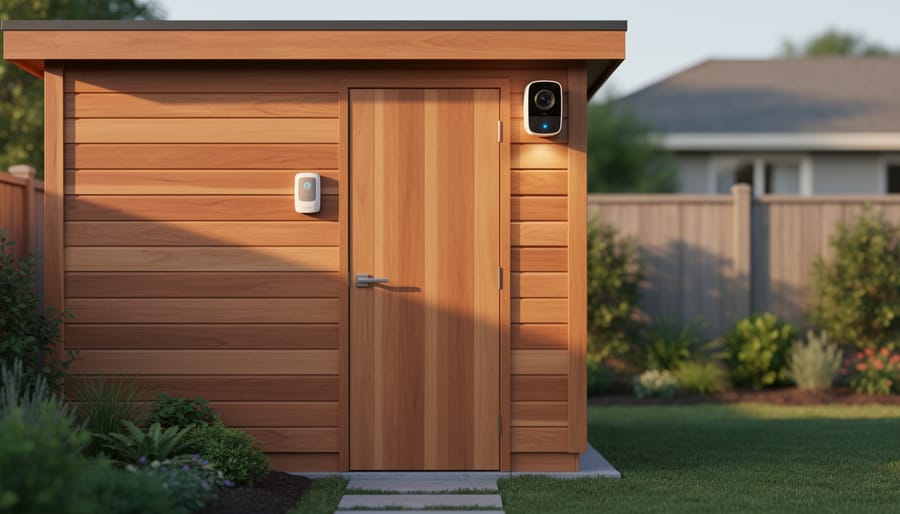
Your backyard shed is about to become smarter than you ever imagined. Integrated smart technologies are transforming ordinary storage spaces into connected, efficient hubs that monitor conditions, predict maintenance needs, and protect your valuables around the clock. Think of it as giving your shed a digital brain that works while you sleep.
Digital twin technology creates a virtual replica of your physical shed, tracking everything from temperature fluctuations and humidity levels to structural integrity and security breaches. This isn’t science fiction reserved for factories and warehouses anymore. Homeowners are now installing affordable sensors, cameras, and monitoring systems that communicate with smartphone apps, alerting you instantly when moisture threatens your stored furniture or when someone approaches your property unexpectedly.
The beauty of these integrated systems lies in their practical problem-solving power. That musty smell ruining your camping gear? Smart humidity sensors detect it before mold takes hold. Worried about theft of expensive tools? Motion-activated cameras and smart locks create layers of protection you control from anywhere. Temperature sensors prevent freeze damage to paint cans and chemicals during winter months.
What once required separate devices and complicated setups now works seamlessly together through integration platforms. You don’t need an engineering degree to implement these solutions. Modern smart shed technology speaks your language, solves your real problems, and fits budgets ranging from basic monitoring to comprehensive automation. The future of shed management has arrived, and it’s surprisingly accessible.
What Exactly Is a Digital Twin for Your Shed?
The Three Parts That Make It Work
Think of your smart shed system as three friends working together to keep your belongings safe and organized.
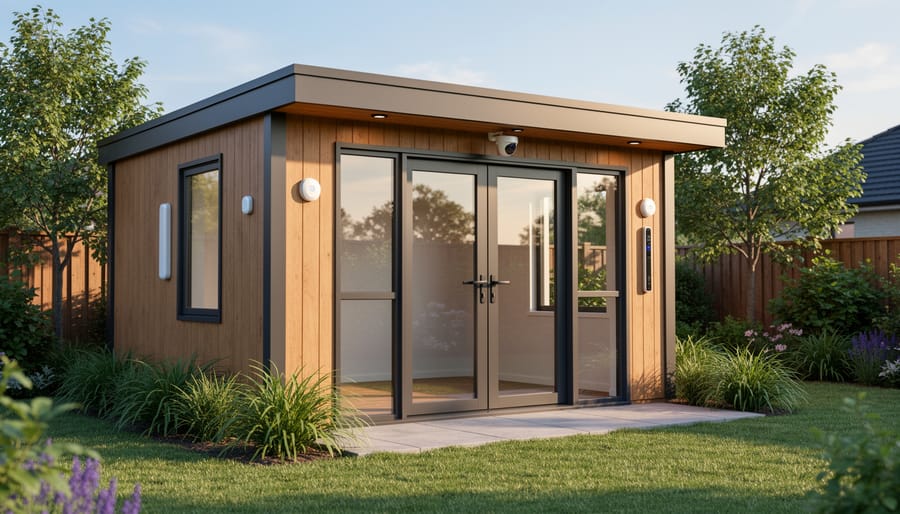
First, there’s the physical shed itself – your actual storage structure that houses everything from garden tools to seasonal decorations. This is your foundation, and it doesn’t need to be brand new or fancy to get started.
Next come the sensors and smart devices. These are the eyes and ears of your system. Motion detectors watch for unexpected activity, temperature and humidity sensors monitor conditions that could damage your belongings, and smart locks control access. Water leak sensors can alert you before minor moisture becomes major damage. These devices constantly collect information about what’s happening in your shed.
Finally, there’s the app or dashboard on your phone or computer. This is your command center where all the information comes together in one easy-to-read place. You’ll see real-time updates, receive alerts when something needs attention, and control features like lighting or door locks remotely.
The magic happens when these three parts communicate seamlessly. Your sensors detect an issue, instantly send the data to your app, and you can take action from anywhere – even when you’re away from home.
Why This Matters for Your Storage Space
Let’s be honest: most of us use our sheds as catch-all spaces until that dreaded day when we discover rusted tools, mildewed camping gear, or a vintage bicycle that’s seen better days. These smart technologies directly address the frustrations you’ve likely experienced firsthand.
Think about what these common problems actually cost you. Replacing garden tools year after year because moisture damage went unnoticed adds up quickly. That expensive fishing equipment or holiday decorations you’re storing? Without proper monitoring, they’re vulnerable to temperature swings and humidity that can destroy them in a single season.
Integrated smart systems act as your shed’s early warning system. They alert you before mold takes hold, before freezing temperatures crack that stored paint, before pests make themselves at home. You’ll optimize your space more effectively when you understand actual usage patterns rather than guessing. Plus, there’s genuine peace of mind knowing you can check on valuable items from anywhere. Instead of constantly worrying or making unnecessary trips outside to verify everything’s okay, you’ll receive real-time updates. It’s about protecting your investment in both your belongings and your storage space itself.
Smart Technologies That Actually Solve Shed Problems
Climate Control Sensors: Stop Moisture Before It Starts
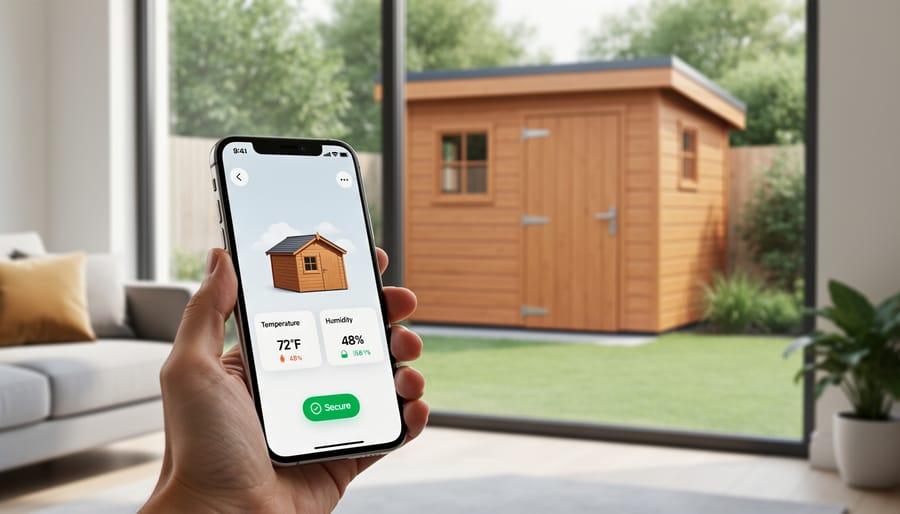
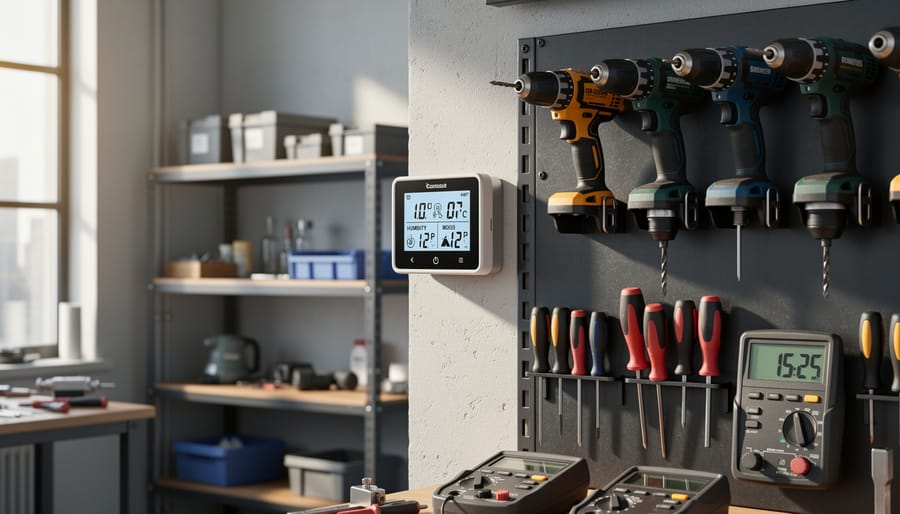
Moisture is the silent destroyer lurking in most sheds, quietly damaging everything from power tools to holiday decorations. Modern smart climate control systems tackle this problem head-on with temperature and humidity sensors that alert you before damage occurs.
Consider what typically lives in your shed: lawn mowers with fabric seats, metal garden tools prone to rust, wooden handles, cardboard boxes of seasonal decorations, and perhaps sporting equipment or camping gear. Each item has an ideal storage environment, and when humidity creeps above 60%, trouble begins. Mildew spreads across fabric cushions, rust forms on metal surfaces, and wooden items warp or rot.
Temperature and humidity sensors continuously monitor conditions inside your shed, sending alerts to your phone when levels become problematic. One homeowner discovered her riding mower’s upholstery developing mold after just one humid summer. After installing monitoring sensors, she received an alert during a particularly damp week and ran a dehumidifier, saving her Christmas decorations and woodworking tools from similar damage.
These sensors work around the clock, detecting condensation risks before you see water droplets forming on walls or equipment. Think of them as an early warning system that protects hundreds or thousands of dollars worth of belongings with minimal effort on your part.
Smart Security Features: Know What’s Happening 24/7
Modern smart security features transform your shed from simple storage into a monitored, protected space that keeps you informed around the clock.
Motion sensors are the foundation of shed security. These affordable devices detect movement and send instant alerts to your phone, letting you know when someone approaches your shed. They’re incredibly useful for legitimate visitors too—no more wondering if your neighbor returned that borrowed ladder.
Door and window sensors work similarly, notifying you whenever an entry point opens. This simple technology helps you track who’s accessing your tools and when, which is particularly handy if multiple family members use the shed. You’ll never again wonder whether you forgot to close that side window.
Camera integration takes monitoring further by providing visual confirmation. Today’s outdoor cameras connect directly to your smartphone, offering live views and recorded footage. Many homeowners find that visible cameras alone discourage unwanted visitors without creating an unwelcoming atmosphere.
Beyond peace of mind, these systems often qualify you for homeowner’s insurance discounts. Insurance providers recognize that monitored sheds mean fewer claims, potentially saving you money annually. The investment often pays for itself through reduced premiums while protecting valuable equipment, seasonal decorations, and family heirlooms you’ve stored away.
Automated Ventilation and Lighting
Imagine stepping into your shed on a sweltering summer afternoon and finding it pleasantly cool, or arriving after dark to lights that automatically illuminate your path. That’s the convenience automated ventilation systems and smart lighting bring to modern outdoor storage.
Smart vents monitor temperature and humidity levels in real-time, automatically adjusting airflow to prevent dangerous overheating and moisture buildup. This protects your stored items from heat damage while significantly reducing energy costs compared to constantly running fans. One homeowner shared how their automated system prevented paint cans from drying out during a heat wave, saving hundreds of dollars in wasted supplies.
Motion-activated smart lights eliminate fumbling for switches with your hands full. They can also be programmed to turn on at dusk, deterring potential intruders while welcoming you home. These lights typically use LED technology, consuming minimal power while providing bright, reliable illumination.
The real beauty lies in how these systems work together. When your shed detects rising temperatures, vents open automatically while lights dim to reduce heat generation. Everything happens seamlessly in the background, giving you peace of mind that your belongings stay protected regardless of weather conditions or time of day.
Space Management and Inventory Tracking
Managing your shed’s contents doesn’t have to mean rummaging through boxes or buying duplicate items you already own. Digital inventory apps and simple mapping tools transform how you organize your space, making everything instantly findable.
Start by creating a basic digital floor plan of your shed using free smartphone apps or simple spreadsheet templates. Mark zones for different categories—gardening supplies, sports equipment, seasonal decorations—then photograph each area. These visual references become your roadmap when you need to locate items quickly.
Inventory apps like Sortly or Home Inventory allow you to catalog items by scanning barcodes or taking photos. You can add custom tags, note quantities, and even track expiration dates for products like fertilizers or paint. Many homeowners discover they’ve saved hundreds of dollars by avoiding duplicate purchases of items they’d forgotten they owned.
For DIY enthusiasts, combining your digital inventory with a virtual shed layout creates a powerful organizational system. Before heading to the hardware store for a weekend project, quickly check your app to see if you already have those extra screws or that can of stain sitting on Shelf B.
The real magic happens when family members can access this information too. No more text messages asking where the camping gear is stored—everyone can check the app and find exactly what they need, right where the digital map says it should be.
How These Systems Work Together (Not Separately)
The magic of integrated smart technology isn’t in having separate gadgets that work independently—it’s in how these devices talk to each other and respond as one coordinated system. Think of it like a well-rehearsed orchestra rather than solo musicians playing different songs.
Here’s a practical example: imagine your shed’s humidity sensor detects moisture levels rising above normal. In a non-integrated setup, you’d simply get an alert on your phone. But with true integration, that humidity reading triggers a chain reaction. Your smart ventilation system automatically kicks in to circulate air, your temperature sensor adjusts settings to prevent condensation, and your smartphone receives a detailed notification explaining exactly what’s happening and why. All of this occurs within seconds, without you lifting a finger.
The same principle applies to security. When motion sensors detect movement near your shed after dark, integrated systems don’t just sound an alarm. They can simultaneously activate exterior lighting, start recording on security cameras, send you a live video feed, and even lock smart doors if they were accidentally left open. Multiple technologies working together provide far better protection than any single device could offer alone.
This coordination extends to integrated energy systems too. Solar panels, battery storage, and power-hungry devices like climate control units communicate to optimize energy use based on real-time conditions and your stored belongings’ needs.
The key advantage? These systems learn from patterns and make intelligent decisions. They consider multiple factors simultaneously—time of day, weather conditions, usage patterns, and your preferences—to keep your shed running efficiently while protecting what matters most to you.
Real-World Benefits Homeowners Are Already Seeing
Protecting Your Investment
Smart monitoring systems act as your first line of defense against costly damage. Consider this: A water leak detected early might mean a $50 repair, but left unnoticed for weeks, you’re looking at $2,000 in structural repairs plus damaged belongings. One homeowner shared how temperature alerts saved his vintage motorcycle collection worth $15,000 when their shed’s heater malfunctioned during a winter cold snap.
These systems catch problems before they escalate. Humidity sensors prevent mold growth that could ruin expensive power tools, sports equipment, or seasonal decorations. Motion alerts can stop theft in its tracks, protecting everything from lawn equipment to stored furniture. The average shed theft costs homeowners $1,200 in losses, but real-time notifications let you respond immediately. Think of integrated monitoring as insurance that actually prevents claims rather than just covering them after disaster strikes.
Time and Energy Savings
Picture this: you’re relaxing at home when your phone buzzes with an alert that humidity levels in your shed are creeping up. Instead of trudging outside in the rain to check, you tap your screen and your smart dehumidifier kicks in automatically. That’s the beauty of integrated smart technologies—they handle the heavy lifting while you stay comfortable.
Gone are the days of routine manual inspections or discovering problems too late. Your system monitors conditions 24/7, sending real-time updates directly to your phone whether you’re at work, on vacation, or simply enjoying your weekend. When temperatures drop dangerously low or moisture threatens your stored items, automated responses protect your belongings before damage occurs.
The time savings add up quickly. What used to require weekly trips to check on things now happens with a quick glance at your device. Many homeowners report saving several hours monthly, freeing them up for activities they actually enjoy rather than maintenance chores.
Better Organization Means Less Frustration
We’ve all experienced it—rummaging through a cluttered shed, moving boxes and tools around, only to discover the item you need was buried in the back corner the whole time. Smart shed technology eliminates this frustration through digital inventory systems that track exactly where everything is stored. Simply scan an item when you put it away, and your smartphone app shows its precise location when you need it again. Some systems even suggest optimal storage spots based on how frequently you use certain items. This means your garden shears always have a designated home, and you’ll never again waste a Saturday afternoon searching for that specific drill bit. Beyond finding things faster, these systems help you maintain order naturally—when everything has a tracked spot, it’s actually easier to keep your shed organized. Homeowners report saving an average of 30 minutes per week simply by knowing where their belongings are stored. The result is a shed that works for you, not against you.
Getting Started: What You Need to Know Before Installing
Do You Need a Tech Background?
Good news—you don’t need to be tech-savvy to enjoy the benefits of smart shed technology! These systems are specifically designed with everyday homeowners in mind, featuring intuitive smartphone apps that feel as familiar as checking the weather or adjusting your thermostat.
Most smart shed devices use simple tap-and-swipe interfaces that walk you through setup with clear instructions and video tutorials. You’ll typically connect sensors and monitors to your home Wi-Fi network in just minutes, without needing any programming knowledge.
When it comes to installation, you have options. Many homeowners successfully take the DIY route with plug-and-play devices that require nothing more than mounting brackets and fresh batteries. However, if you’re adding multiple integrated systems—like climate control paired with security cameras and moisture sensors—professional installation ensures everything communicates properly and works seamlessly together.
One satisfied homeowner shared, “I was worried I’d need my teenage son to set everything up, but the app guided me through each step. Now I’m the one showing him how to monitor our shed!”
Start with one or two devices to build your confidence, then expand your smart shed system as you become comfortable with the technology.
Power and Connectivity Requirements
Getting smart technology up and running in your shed is easier than you might think. Most smart devices offer flexible power options to suit your situation. Battery-powered sensors and cameras are perfect if running electricity to your shed feels daunting—modern batteries can last months or even years before needing replacement. For more power-hungry devices like smart locks or climate control systems, you’ll want a wired connection, which might mean hiring an electrician for a safe outdoor-rated setup.
Connectivity is the other piece of the puzzle. WiFi extenders work wonderfully if your shed sits within 100 feet of your home router. Beyond that distance, consider cellular-based devices that use their own data connection, though these typically involve small monthly fees. Many homeowners find success with outdoor mesh network systems that blanket their entire property with reliable signal. The good news? You don’t need lightning-fast speeds—most smart shed devices use minimal data and work fine with basic connectivity.
Starting Small vs. Going All-In
Here’s the good news: you don’t need to transform your shed into a high-tech command center overnight. Starting small makes perfect sense, especially if you’re new to smart technology. Begin with a single temperature and humidity sensor to protect your tools from moisture damage. It’s affordable, easy to install, and gives you real data about what’s happening inside your shed.
Once you’re comfortable, add motion-activated lighting or a basic security camera. This phased approach lets you learn what works for your specific situation without overwhelming your budget or patience. Many homeowners find that after six months with basic monitoring, they naturally identify which additional features would genuinely improve their storage experience. Maybe you realize your shed gets hotter than expected, prompting you to add ventilation controls. Or perhaps package deliveries make you want a smart lock system.
The beauty of modern smart technology is its modularity—systems grow with you, not against you. Start with what solves your biggest headache today, then expand thoughtfully as needs arise.
The beauty of digital twin technology for sheds isn’t just about having cutting-edge gadgets in your backyard—it’s about making shed ownership genuinely easier and more practical for everyday life. Think about your own shed challenges for a moment. Are you constantly wondering if moisture is damaging your tools? Frustrated when you can’t find what you need? Worried about security when you’re away from home? Smart integration tackles these real problems with straightforward solutions that actually make sense.
What makes this technology so promising is that it meets you where you are. You don’t need to transform your entire property overnight or become a tech expert. Start with the one challenge that bothers you most—perhaps a simple door sensor for security or a humidity monitor for moisture control. As you see the benefits firsthand, you can gradually expand your system based on what truly matters to your household.
The future of backyard storage is heading toward seamless integration that simply works in the background, protecting your belongings and saving you time without demanding constant attention. We’re moving past the era of sheds as forgotten corners of the yard. Instead, they’re becoming smart, responsive spaces that adapt to your needs and give you genuine peace of mind. The technology exists today to make your shed work smarter, not harder—and that’s something worth considering as you plan your outdoor storage solutions.