


Transform Your Florida Yard with Native Plants (Without the Guesswork)

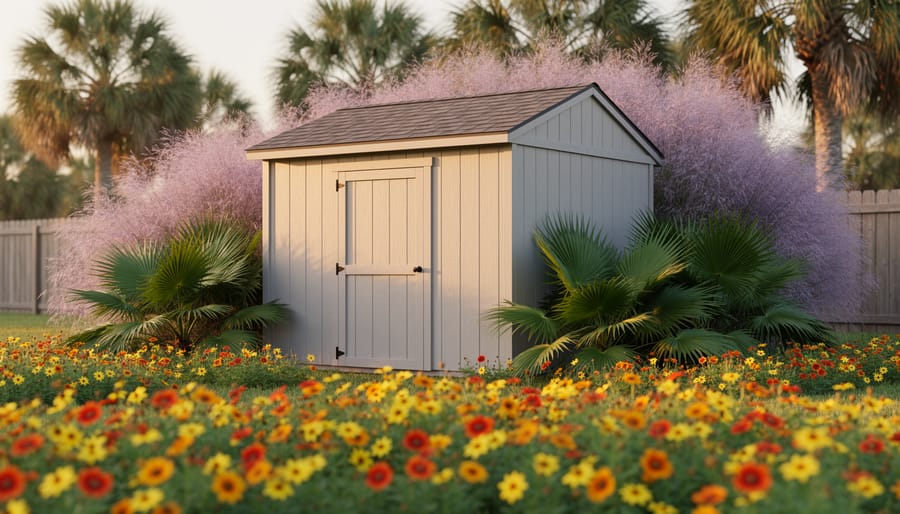
Transform your outdoor storage shed from an eyesore into a natural extension of your yard by surrounding it with native palmettos, coontie, and muhly grass. These hardy Florida plants thrive in our humidity and require minimal watering once established, creating beautiful green buffers around functional structures while cutting your maintenance time in half.
Replace your thirsty lawn with native groundcovers like sunshine mimosa or beach sunflower that spread naturally without constant irrigation. These plants stay green year-round despite Florida’s unpredictable rainfall, saving you hundreds of dollars on water bills while providing the lush look you want around pathways and between garden beds.
Layer your plantings by height to turn any utilitarian structure into an attractive garden feature. Place tall native grasses like fakahatchee grass behind sheds, mid-height beautyberry or firebush at the sides, and low-growing gaillardia in front. This three-tier approach transforms your shed into a focal point rather than something you’re trying to hide.
Choose plants suited to your specific conditions instead of fighting Florida’s challenging microclimates. Saw palmetto and Simpson’s stopper handle full sun and sandy soil near driveways, while coral honeysuckle and wild coffee flourish in shadier spots behind structures. Matching plants to existing conditions eliminates the frustration of watching expensive landscaping fail within months, giving you a thriving yard that practically takes care of itself.
Why Florida Native Plants Make Sense for Your Property
If you’re a Florida homeowner tired of fighting against your landscape instead of enjoying it, switching to native plants might be the smartest decision you’ll make this year. Here’s why these naturally adapted plants make practical sense for your property.
Let’s start with what matters most to your wallet. Native Florida plants have spent thousands of years adapting to our climate, which means they’re already equipped to handle our rainfall patterns. Once established, most natives require minimal supplemental watering, even during dry spells. Homeowners often report cutting their irrigation costs by 30-50% after transitioning to water-wise landscaping with native species. That’s real money back in your pocket every month.
Maintenance is another game-changer. Traditional landscaping plants often need constant fertilizing, frequent pest treatments, and regular replacement when they can’t handle Florida’s intense conditions. Native plants, however, have natural defenses against local pests and diseases. They don’t need specialty fertilizers because they’re designed for Florida soil. One homeowner from Tampa told us she went from spending every weekend on yard maintenance to just a few hours monthly after making the switch.
Hurricane season brings unique challenges that natives handle remarkably well. Plants like coontie palms, muhly grass, and saw palmetto have deep, extensive root systems that help them withstand high winds. Their flexible stems and branches bend rather than break, meaning less cleanup and property damage after storms.
Florida’s diverse climate zones, from the subtropical Keys to the temperate Panhandle, present different growing conditions. The beauty of native plants is that species have evolved specifically for these regional variations. A sabal palm thrives statewide, while firebush adapts perfectly whether you’re in Zone 8 or Zone 11. You’re essentially working with nature rather than against it, creating landscapes that look better and require less intervention year-round.
Planning Your Native Plant Landscape Around Existing Structures
Creating Natural Screening Around Storage Sheds
When landscaping around sheds, Florida natives offer beautiful screening solutions that thrive in our climate while requiring minimal maintenance. For tall, dense coverage, consider Muhly Grass, which grows 3-4 feet high and produces stunning pink plumes in fall. Plant these 2-3 feet apart along shed sides for natural privacy that sways gracefully in breezes.
Coontie palms work wonderfully as foundation plantings, staying compact at 2-3 feet while tolerating both sun and shade. Their prehistoric appearance adds tropical charm without overwhelming smaller sheds. For corner plantings, Simpson’s Stopper creates an attractive 6-8 foot screen with fragrant white flowers, perfect for taller structures.
Remember to leave at least 18 inches between plants and shed walls for air circulation and maintenance access. This prevents moisture buildup while allowing you to reach equipment and perform routine upkeep. Mix in Firebush for splashes of red-orange blooms that attract hummingbirds, creating a living screen that’s both functional and delightful to watch from your patio. These natives establish quickly, solving that common problem of bare-looking new sheds while naturally blending storage into your landscape design.
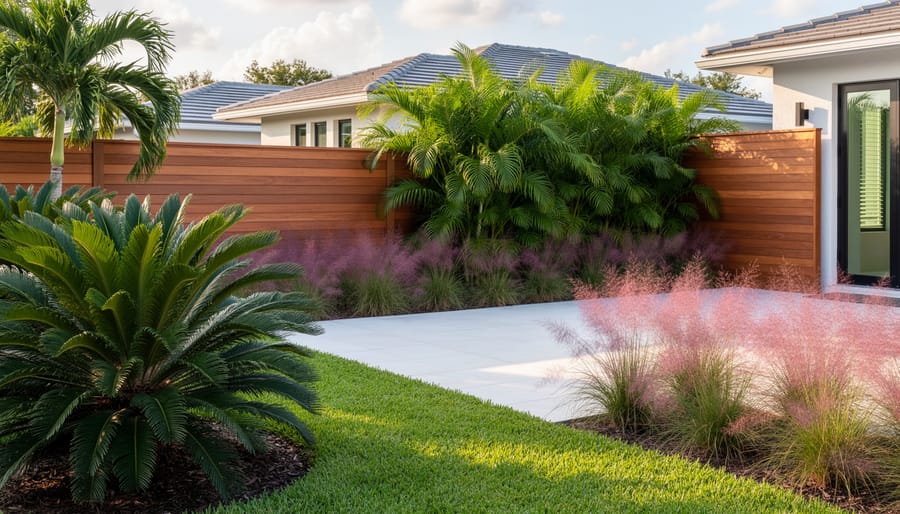
Enhancing Gazebos and Outdoor Living Spaces
Florida native plants can transform your gazebos and outdoor living areas into private, comfortable retreats that blend beautifully with the natural landscape. The key is selecting plants that serve multiple purposes while thriving in Florida’s unique climate.
For creating natural shade around your gazebo, consider planting Southern magnolia or live oak trees at strategic distances. These native giants provide cooling canopy coverage while their evergreen nature ensures year-round appeal. Plant them 15-20 feet away to avoid root interference with your structure’s foundation.
Privacy comes naturally with native shrubs like Walter’s viburnum or wax myrtle. Position these 3-4 feet apart along the perimeter of your outdoor space to create living walls that block unwanted views without feeling artificial. They grow quickly in Florida conditions and require minimal maintenance once established.
Add ambiance with layers of flowering natives at varying heights. Firebush and coral honeysuckle bring hummingbirds right to your gazebo, creating a lively atmosphere for entertaining. At ground level, coontie and beach sunflower add texture and color without demanding constant attention.
One homeowner in Tampa shared how switching to native plantings around their backyard gazebo reduced their watering time by half while attracting more butterflies than ever before. The secret was choosing plants adapted to local rainfall patterns and soil conditions, eliminating the frustration of constantly replacing struggling non-natives.
Best Native Plants for Different Florida Yard Conditions
Sunny Spots and Open Areas
Florida’s sunny open areas are perfect for showcasing some of the state’s most resilient native plants. If you have a wide lawn space beside your shed or around your property perimeter, consider replacing thirsty grass with muhly grass, which produces stunning pink plumes in fall and requires almost no maintenance once its roots are established. This ornamental grass creates a beautiful, flowing look that catches the breeze and adds movement to your landscape.
For groundcover in full sun, sunshine mimosa offers delicate pink flowers and ferny foliage that spreads to fill spaces naturally. It’s incredibly drought-tolerant and stays low to the ground, making it ideal for areas where you want coverage without obstructing views. Blanket flower brings vibrant red and yellow blooms from spring through fall, attracting butterflies while asking for practically nothing in return.
Coontie palms work wonderfully as accent plants in sunny spots, providing year-round structure with their glossy green fronds. These ancient plants are practically indestructible and give your yard that authentic Florida feel. Many homeowners find that mixing these natives around their outdoor structures creates natural transitions between functional spaces and garden areas, solving that common problem of harsh building-to-lawn transitions while cutting down on weekend watering chores.
Shady Areas Behind Structures
That narrow strip behind your shed or garage can be one of the trickiest spots to landscape, but several Florida natives actually thrive in these challenging conditions. Coontie palms are absolute champions here, tolerating deep shade while adding texture year-round. They’re virtually indestructible once established and never outgrow their space.
For groundcover in these forgotten zones, consider wild coffee, which produces attractive glossy leaves and small white flowers even with minimal sunlight. Southern wood fern brings a soft, feathery texture that brightens dark corners beautifully. I’ve seen homeowners transform the neglected area behind their storage buildings from bare dirt into lush green retreats using just these three plants.
Coral honeysuckle works wonderfully if you want vertical interest climbing up that back wall. It attracts hummingbirds without becoming invasive like its non-native cousins. The key to success in these shaded spots is improving soil quality before planting. Mix in some compost to help retain moisture, since these areas often stay quite dry despite being shaded. Water regularly for the first few months, then these tough natives will largely take care of themselves, solving that what-do-I-do-with-this-space problem permanently.
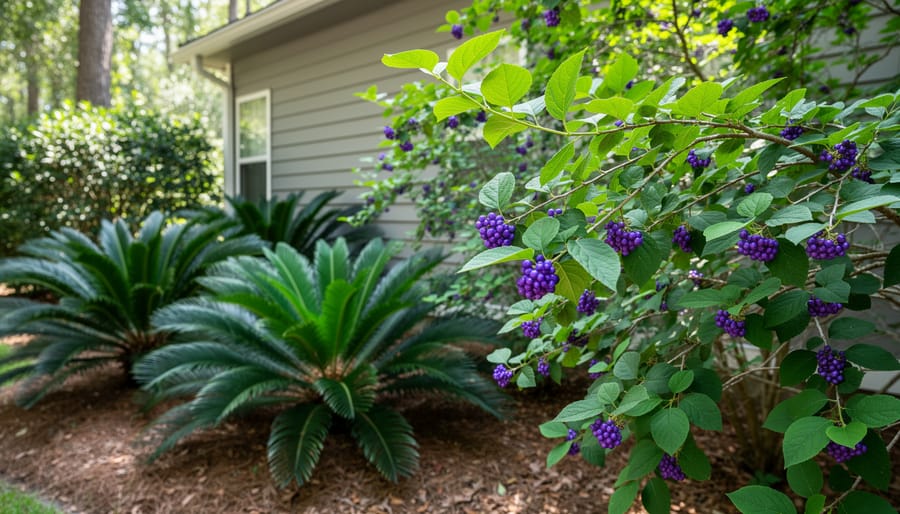
Wet or Poorly Drained Spots
If you’ve got a soggy spot in your yard that stays wet after rain or never quite dries out, you’re not alone. Many Florida homeowners struggle with poor drainage, especially in low-lying areas near downspouts or natural depressions. The good news? Several gorgeous native plants actually thrive in these challenging conditions, turning problem areas into landscape highlights.
Swamp Sunflower is a showstopper that loves wet feet. This tall, cheerful plant produces bright yellow blooms in fall and can handle standing water beautifully. For groundcover in consistently moist areas, Blue Flag Iris offers elegant purple flowers in spring and sword-like foliage year-round. Cardinal Flower brings stunning red spikes that hummingbirds can’t resist, making those damp spots a wildlife magnet.
For shadier wet areas around your property, Cinnamon Fern creates lush, tropical-looking fronds that stay green most of the year. String Lily adapts well to both wet and dry conditions once established, offering delicate white flowers and grass-like texture.
One homeowner shared how planting Swamp Sunflowers along her perpetually soggy fence line completely transformed what was once an eyesore into her favorite view from the kitchen window. Instead of fighting the water problem with expensive drainage solutions, she worked with nature.
These moisture-loving natives actually help improve drainage over time by absorbing excess water through their root systems. Plant them in groups for maximum impact, and watch those troublesome wet spots become conversation pieces rather than headaches.
Getting Started: A Simple Three-Step Integration Process
Step 1: Assess Your Current Landscape
Before selecting your Florida native plants, spend a few days observing your property’s unique conditions. Walk around at different times of day and note which areas receive full sun (6+ hours of direct sunlight), partial shade (3-6 hours), or full shade. Pay special attention to spaces around existing structures like sheds or patios, as these create microclimates that affect plant success.
Next, check your soil type by doing a simple squeeze test. Grab a handful of moist soil and compress it. Sandy soil (common in Florida) falls apart immediately, while clay soil holds its shape. Most Florida natives thrive in sandy, well-draining conditions, making your job easier.
Finally, observe moisture patterns after a rain. Where does water collect? Which spots dry out quickly? Areas near downspouts or low-lying sections stay wetter, while elevated spots and spaces under roof overhangs remain drier. These observations will guide you toward plants that naturally suit each location, reducing maintenance headaches down the road. One homeowner shared that mapping her yard’s wet spots helped her choose stunning swamp sunflowers that now flourish without extra watering.
Step 2: Start Small with High-Impact Areas
You don’t need to transform your entire yard overnight. Focus on the areas that catch your eye most often, and you’ll see maximum impact without breaking the bank. Start near your home’s entrance, around mailboxes, or beside outdoor structures like sheds where you naturally look every day.
Consider creating a focal point around your storage shed or garage. Native firebush or beautyberry planted at the corners soften hard edges beautifully, while coontie palms add year-round texture near foundations. One homeowner in Tampa shared that adding just six native plants around her tool shed transformed it from an eyesore into a charming garden feature within months.
Window views matter too. Plant muhly grass or blanket flowers where you’ll enjoy them from inside during morning coffee. These high-traffic visual zones give you daily enjoyment and motivation to continue expanding your native landscape.
Start with a manageable 50-100 square foot area. This prevents overwhelm and lets you learn what thrives in your specific yard conditions before investing more time and money. Success in these small spaces builds confidence and creates a beautiful template for future plantings.
Step 3: Plant and Establish Your Natives
Timing matters when establishing native plants in Florida. The ideal planting window runs from October through March, when cooler temperatures and seasonal rainfall help roots establish without heat stress. This gives your plants a solid foundation before summer’s intensity arrives.
During the first 6-8 weeks, water new plantings 2-3 times weekly, gradually reducing frequency as roots spread. Most natives become remarkably self-sufficient after their first year, requiring minimal intervention once established. Think of this period as an investment that pays dividends in lower water bills and less yard work later.
Here’s what realistic maintenance looks like: Once established, most Florida natives need watering only during extended dry spells. Annual mulching helps retain moisture and suppress weeds. Light pruning to maintain shape is typically all that’s required. Homeowner Sarah from Tampa discovered this firsthand: “I was skeptical about the low-maintenance claims, but my coontie and beautyberry have thrived for three years with almost no attention. They look great year-round, even around my garden shed.”
The key is patience during establishment. Those first few months of consistent care create plants that practically take care of themselves, solving the common problem of high-maintenance landscapes that demand constant weekend attention.
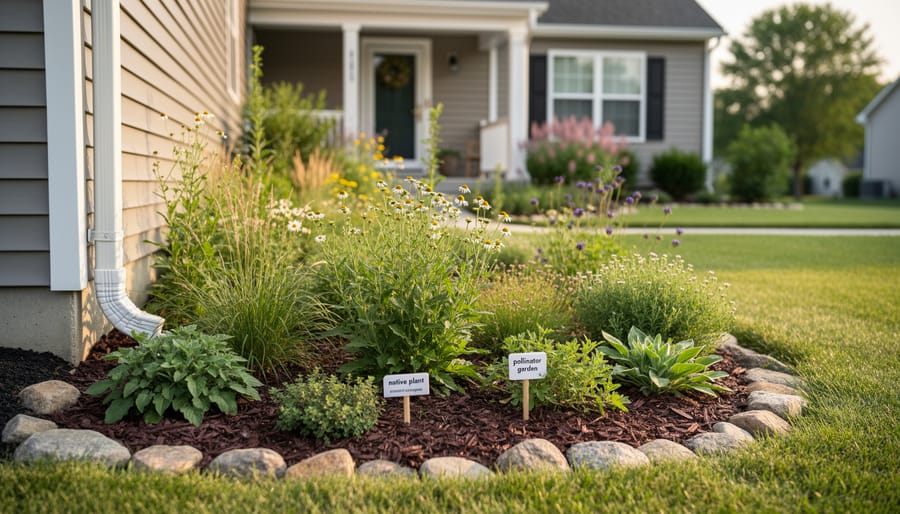
Real Florida Homeowner Success Stories
Maria from Tampa had a common problem: her new storage shed looked like an eyesore sitting in the middle of her backyard. “It was just this plain structure that drew your eye for all the wrong reasons,” she recalls. After planting coontie palms and muhly grass around the base, along with coral honeysuckle climbing up a simple trellis on one side, the transformation took just six months. “Now the shed looks like it belongs there. My neighbors actually compliment it, and I’ve noticed more butterflies too.”
The Rodriguez family in Orlando faced a different challenge. Their pool equipment shed sat in full sun, and the grass around it constantly browned out despite frequent watering. They replaced the struggling lawn with sunshine mimosa groundcover and added saw palmettos for height. “We cut our water bill and the maintenance time in half,” says Carlos Rodriguez. “The plants actually thrive in that hot spot where nothing else would grow.”
Jacksonville homeowner Tom Peterson was skeptical about giving up his traditional azaleas around his workshop shed. After dealing with constant fungal issues and disappointing blooms, he switched to native beautyberry and firebush. “I was amazed at how much healthier everything looked within one season,” he shares. “The firebush blooms almost year-round, and I don’t spray anything anymore. Plus, the hummingbirds are incredible.”
These homeowners discovered that native plants don’t just solve practical problems like drought tolerance and low maintenance; they actually enhance the appearance of outdoor structures while creating habitat for local wildlife. The key is choosing the right plants for your specific conditions and giving them time to establish.
Common Mistakes to Avoid
Getting started with native plant landscaping in Florida is exciting, but several common mistakes can derail your plans and waste both time and money. Let’s walk through the pitfalls you’ll want to sidestep.
The biggest mistake homeowners make is choosing plants from the wrong hardiness zone. Florida spans from Zone 8 in the Panhandle to Zone 11 in the Keys, and a plant that thrives in Jacksonville might struggle in Miami. Before purchasing anything, confirm your specific zone and match plants accordingly. I’ve seen too many disappointed gardeners trying to grow plants suited for North Florida in their South Florida yards, only to watch them fail within months.
Overwatering is another frequent problem, especially with established native plants. Here’s the thing: once natives are established (typically after the first year), they’re remarkably drought-tolerant. Many Florida homeowners apply the same watering schedule they used for non-native plants, essentially drowning their natives. After establishment, most native plants need supplemental water only during extended dry periods. This actually saves you time and reduces your water bill, which is a nice bonus.
Poor spacing near structures causes headaches down the road. When planning around sheds, garages, or fences, consider mature plant sizes. That cute three-foot coontie palm might seem perfect two feet from your shed now, but remember it won’t stay that size. Inadequate spacing leads to plants damaging structures, blocking access, or requiring premature removal. A good rule is to place plants at least half their mature width away from any structure.
Finally, many homeowners plant too densely, thinking it creates an instant landscape. Give your natives room to breathe and reach their natural form. Patience pays off with healthier, more beautiful results.
Transforming your Florida landscape with native plants isn’t just about creating a beautiful yard—it’s an investment that pays dividends in both property value and your quality of life. By choosing plants that naturally thrive in our climate, you’ll spend less time battling the elements and more time enjoying your outdoor spaces, including the areas around your shed, garage, and other structures.
The best part? You don’t need to overhaul your entire property at once. Start small with just one problem area—maybe that sun-scorched patch beside your storage shed or the shady corner near your fence. Choose a few native plants suited to those conditions, get them established, and watch how they transform the space with minimal effort. Many homeowners are surprised to discover that native landscaping is actually easier than maintaining traditional turf and ornamentals.
As you see the results—vibrant blooms attracting butterflies, reduced water bills, and less weekend time spent on yard work—you’ll naturally want to expand. Each section you convert becomes a low-maintenance asset that enhances your property’s curb appeal while creating functional, beautiful outdoor living areas. The effort you put in today will reward you for years to come, making your Florida home a true retreat that works with nature, not against it.