


How Your Shed’s Environmental Impact Stacks Up (And How to Build Better)

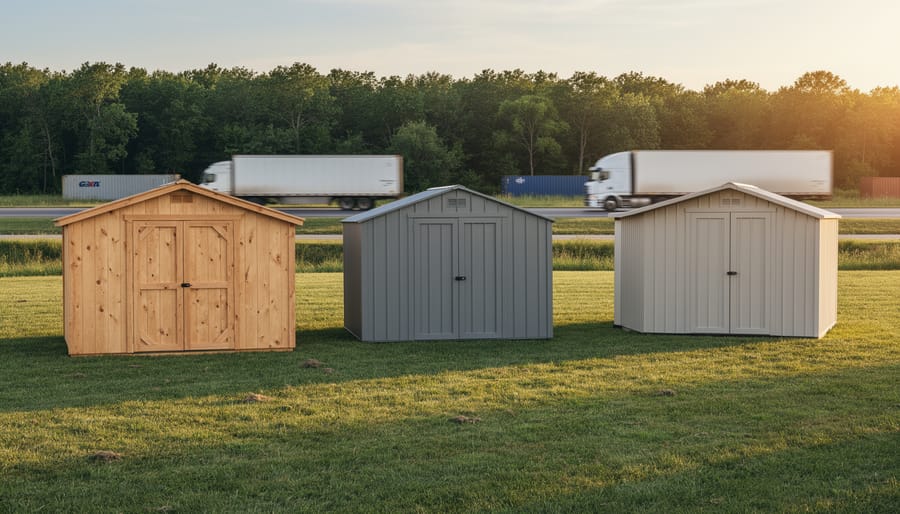
Compare the true environmental cost of your next shed by examining materials from manufacturing through disposal. A typical 10×12 wooden shed requires approximately 15 trees, generates 2.5 tons of CO2 during production, and demands chemical treatments every 3-5 years. Meanwhile, metal alternatives use recycled content but require energy-intensive processing, while resin sheds depend on petroleum-based plastics that last centuries in landfills.
Calculate transportation impact by checking where your shed originates—a locally-sourced wooden structure traveling 50 miles produces significantly less emissions than imported materials shipped across oceans. Request documentation showing manufacturing locations and shipping methods from suppliers before committing to purchase.
Evaluate maintenance requirements over your shed’s expected lifespan, not just the initial price tag. Wood sheds needing annual staining release volatile organic compounds and require replacement boards, while powder-coated metal options might last 20+ years with minimal intervention. Factor in the environmental cost of paints, sealants, and replacement parts you’ll purchase repeatedly.
Assess end-of-life disposal options before buying—can components be recycled, repurposed, or will they occupy landfill space indefinitely? Many eco-friendly shed options now feature modular designs allowing piece-by-piece replacement rather than complete disposal.
Understanding these tangible factors transforms vague sustainability claims into measurable decisions. This life cycle assessment approach reveals which shed choice genuinely minimizes environmental impact for your specific situation, moving beyond marketing buzzwords to real-world consequences that affect both your property and the planet.
What Is Life Cycle Assessment for Your Shed?
The Four Stages Every Shed Goes Through
Every shed, whether it’s tucked in your backyard or displayed on a showroom floor, travels through four distinct stages that tell its complete environmental story.
The journey begins with raw material extraction. For wooden sheds, this means harvesting lumber from forests, processing logs at sawmills, and transporting wood to manufacturers. Metal sheds start quite differently, requiring energy-intensive mining operations to extract iron ore and other metals, followed by smelting and rolling into sheets. Resin sheds come from petroleum-based plastics, involving oil drilling and chemical processing. Each material kicks off its lifecycle with a unique environmental footprint.
Next comes manufacturing and transportation. Factories transform raw materials into wall panels, roof pieces, and hardware. This stage includes cutting, treating, painting, and packaging your shed components. Then there’s the trip to your local retailer or directly to your home, racking up transportation miles along the way.
The use phase is where your shed truly earns its keep. This stage typically spans 10 to 30 years, depending on material quality and maintenance. During this time, a well-built shed requires minimal resources, perhaps some paint touch-ups, weatherproofing, or minor repairs. This is actually the longest and often most environmentally friendly stage.
Finally, end-of-life arrives when your shed reaches retirement. Wooden sheds might be dismantled and repurposed, metal versions can head to recycling facilities, while resin sheds face more challenging disposal options. How this stage unfolds significantly impacts the overall environmental assessment.
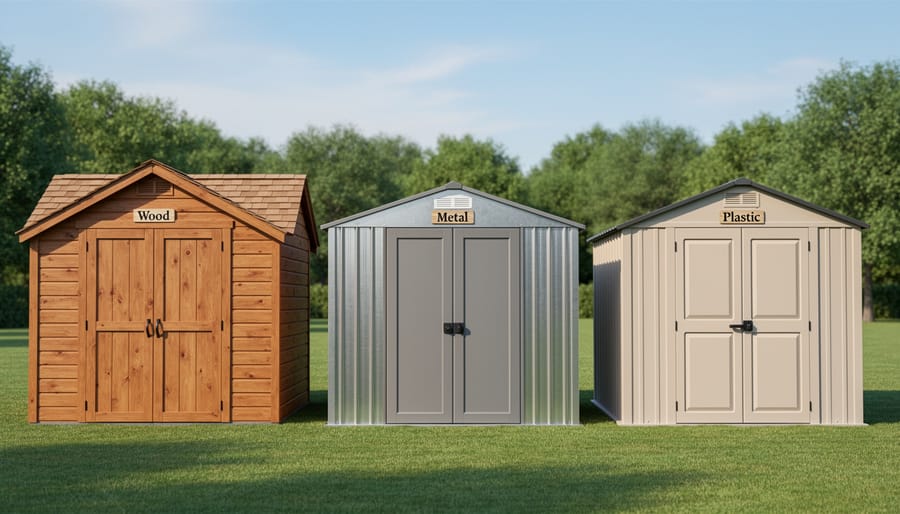
Real-World Example: Comparing Three Popular Shed Types
The Traditional Wood Shed: Nature’s Material with a Catch
There’s something undeniably appealing about a classic wooden shed. It looks natural, feels traditional, and many homeowners assume it’s the most eco-friendly option. But when you dig into the life cycle assessment, the picture becomes more nuanced.
The journey starts with timber sourcing. Responsibly harvested wood from certified forests (look for FSC or PEFC labels) scores well environmentally, as trees absorb carbon during growth. However, the treatment process raises concerns. Most wooden sheds require chemical treatments to resist rot, insects, and moisture. These preservatives, while extending the shed’s life, introduce toxins into the manufacturing process and can leach into surrounding soil over time.
Here’s where maintenance becomes crucial. Unlike other materials, wood demands regular attention. You’ll need to reapply treatments, stains, or paints every few years. Each maintenance cycle adds to the overall environmental footprint through chemical use and the energy involved in production and transportation of these products. One homeowner shared that she spends a weekend each spring treating her wooden shed, going through multiple cans of preservative over its lifetime.
Lifespan expectations vary dramatically based on care and climate. A well-maintained wooden shed might last 15-20 years, while a neglected one could deteriorate in under a decade. That’s significantly shorter than metal or resin alternatives.
The end-of-life story offers redemption. Untreated or minimally treated wood can biodegrade naturally or be repurposed into garden borders, compost bins, or firewood. However, chemically treated lumber requires special disposal to prevent environmental contamination, which many people don’t realize when they’re hauling their old shed to the landfill.
Metal Sheds: Built to Last but Energy-Intensive
Metal sheds represent a fascinating trade-off in lifecycle assessment. While they’re incredibly durable and long-lasting, their environmental journey starts with a significant energy footprint that’s worth understanding before you make your purchase decision.
The story begins deep in mining operations where iron ore extraction requires substantial energy and creates considerable environmental disruption. Converting that ore into steel involves blast furnaces operating at extreme temperatures, making the manufacturing phase one of the most energy-intensive processes for any shed material. This upfront carbon cost is substantial compared to other options.
Shipping adds another consideration. Metal sheds are heavy, which means higher fuel consumption during transport from factory to your backyard. A typical 10×12 metal shed weighs significantly more than its wooden or resin equivalent, translating to greater transportation emissions.
Here’s where metal sheds shine, though. Once installed, they require minimal maintenance. No painting, no rot treatment, no regular sealing. Over a 20-30 year lifespan, this adds up to substantial savings in both money and environmental impact. One homeowner shared, “I haven’t touched my metal shed in 15 years except to occasionally hose it down. My neighbor’s wooden shed has needed repairs three times in that period.”
The longevity factor matters enormously in lifecycle assessment. While the initial energy cost is high, spreading it across three decades of use makes the annual environmental impact quite reasonable. Metal sheds often outlast other materials by years.
At end of life, metal sheds offer excellent recyclability. Steel is one of the most recycled materials globally, and your old shed can be completely repurposed into new products, closing the lifecycle loop effectively. This recyclability helps offset that initial manufacturing burden considerably.
Vinyl and Resin Sheds: The Low-Maintenance Question
Vinyl and resin sheds present an interesting sustainability puzzle. These plastic-based structures start their journey with petroleum extraction, which carries significant environmental costs. The manufacturing process involves energy-intensive methods to transform raw materials into durable panels, contributing to their overall carbon footprint.
Here’s where things get complicated. While the initial production impacts are considerable, these sheds shine in the maintenance department. You won’t spend weekends painting, staining, or treating them against rot. That zero-maintenance advantage means no additional chemicals, no extra products to manufacture and transport, and honestly, more time for you to enjoy your backyard. For busy homeowners, this practical benefit can’t be overstated.
Vinyl sheds typically last 10-20 years with proper care, placing them in the moderate lifespan category. They resist moisture, insects, and decay remarkably well, which explains their growing popularity in humid climates.
The environmental challenge emerges at end-of-life. Most vinyl and resin sheds face limited recycling options. Unlike metal sheds that can return to the material stream relatively easily, plastic sheds often end up in landfills. Some manufacturers are developing take-back programs, but these remain uncommon.
The real-world takeaway? If you value convenience and live in challenging weather conditions, a vinyl shed’s low-maintenance nature might offset its petroleum origins through decades of chemical-free ownership. However, if recyclability matters deeply to your household values, this might not be your ideal match. Consider your priorities carefully before deciding.
The Surprising Factors Most Homeowners Miss
Your Foundation Choice Makes a Bigger Difference Than You Think
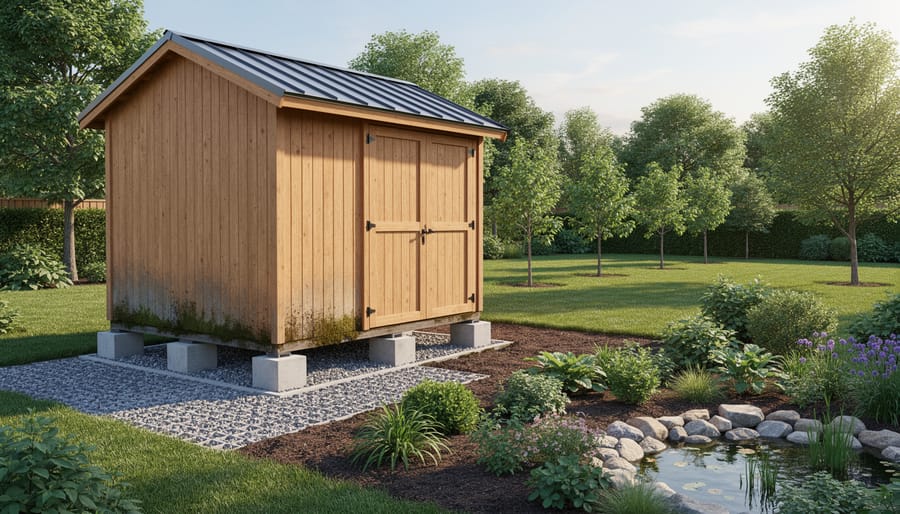
The foundation you choose for your shed impacts more than just stability—it shapes your shed’s entire environmental footprint. Let’s look at three common options through a life cycle lens.
A concrete pad typically requires 2-3 cubic yards of concrete, which comes with significant embodied carbon from cement production. However, it can last 50+ years with minimal maintenance. Gravel bases use natural materials with lower manufacturing impact, though you’ll need landscape fabric and potentially additional gravel every 10-15 years as settling occurs. Ground contact treated lumber offers quick installation and moderate material use, but the chemical treatments raise questions about end-of-life disposal, and replacement may be needed in 15-20 years depending on soil moisture.
Here’s the surprise: the concrete pad often wins in total environmental impact over 30+ years despite its higher upfront footprint. Why? Longevity matters enormously. When you explore earth-friendly foundation options, consider not just immediate installation impact but how many times you’ll need to remake or repair that foundation.
The best choice depends on your shed’s size, your soil conditions, and how long you plan to keep it. A properly installed foundation that lasts decades beats a “greener” option requiring frequent replacement.
The Maintenance Factor: How Care Extends (or Shortens) Your Shed’s Life
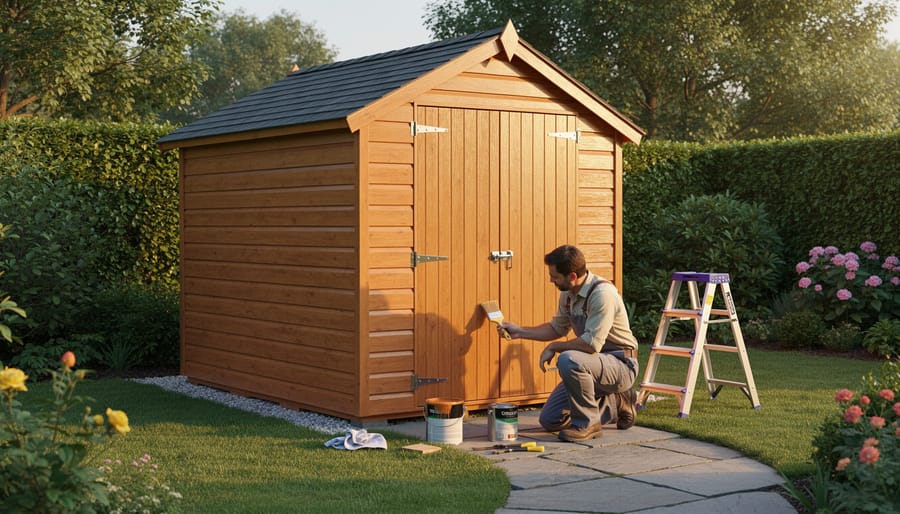
Here’s the truth that might surprise you: the biggest environmental impact of your shed often isn’t the materials you choose, but how well you take care of it. A metal shed that rusts out in five years creates far more waste than a properly maintained wooden structure that lasts thirty.
Think of maintenance as an investment in your shed’s lifecycle. Regular weatherproofing, prompt repairs, and seasonal checkups can double or even triple your shed’s lifespan. When John from Portland neglected his shed’s roof seals for two years, water damage forced a complete replacement within six years. Meanwhile, his neighbor Sarah, who spent just two hours each spring on maintenance, kept her identical shed in excellent condition for over fifteen years.
The numbers tell a compelling story. Every year you extend your shed’s life reduces its annual environmental footprint. A shed lasting twenty years instead of ten cuts its manufacturing impact per year in half.
Simple care practices make all the difference. Clean gutters prevent rot, repainting protects against weather damage, and fixing small issues before they grow keeps your shed functional longer. Regular foundation checks, door alignment, and ventilation maintenance prevent the cascading failures that lead to premature replacement.
The best part? Maintenance is far cheaper than replacement. Most homeowners spend less than fifty dollars annually on shed upkeep, compared to thousands for a new structure. By treating your shed as a long-term asset rather than a disposable item, you reduce waste while protecting your investment.
Making Your Shed Project More Sustainable: Actionable Steps
Before You Buy: Questions to Ask Suppliers
Before committing to a shed purchase, arm yourself with specific questions that reveal the true environmental story behind your investment. Start by asking suppliers about material sourcing: “Where does your wood come from, and do you hold FSC certification?” This Forest Stewardship Council stamp ensures responsible forest management practices that protect ecosystems for future generations.
Don’t stop there. Inquire about recycled content percentages in materials like metal roofing or composite panels. A supplier who readily shares this information typically has nothing to hide. Ask, “What percentage of your materials contain post-consumer recycled content?” The answer helps you compare options objectively.
Dig into manufacturing practices too. Questions like “What steps does your company take to reduce emissions during production?” or “Do you have third-party environmental certifications?” separate genuinely committed manufacturers from those simply riding the green marketing wave.
Request documentation of any sustainability claims. Reputable suppliers welcome these conversations and can provide certificates, test results, or detailed material specifications. If a supplier seems evasive or can’t back up environmental claims with concrete data, that’s your cue to keep shopping. Remember, your questions demonstrate you’re an informed buyer who values transparency, encouraging better practices across the industry.
Installation Practices That Add Years to Your Shed
Your shed’s actual lifespan depends heavily on how well it’s installed from day one. A quality shed with poor installation might last only half as long as a budget-friendly option properly set up, significantly impacting your life cycle assessment results.
Start with a level, well-draining foundation. Whether you choose concrete piers, gravel beds, or concrete slabs, ensure the ground slopes away from your shed to prevent water pooling. This single step prevents rot, rust, and structural damage that leads to premature replacement.
Proper ventilation makes an enormous difference. Install ridge vents or gable vents to allow air circulation, which reduces moisture buildup and protects both your shed and its contents. Many homeowners skip this step and regret it within a few years when mildew and warping appear.
Apply protective treatments before assembling your shed. Seal all wood surfaces, especially cut edges and the base, with quality weather-resistant products. For metal sheds, touch up any scratches immediately to prevent rust from spreading.
Finally, create a maintenance schedule. Inspect seals, reapply protective coatings every few years, and clear gutters regularly. These simple practices can extend your shed’s life by a decade or more, dramatically improving its environmental footprint and your return on investment. Remember, the most sustainable shed is one that never needs replacing.
What to Do When Your Shed Reaches End of Life
When your shed reaches the end of its useful life, disposing of it responsibly makes a real difference. Wood sheds can often be disassembled and donated to community organizations, theaters for set building, or habitat restoration projects. If your shed is still structurally sound, consider listing it for free on community boards where someone might reuse it.
For metal sheds, contact local scrap metal recyclers who’ll often pick up materials at no cost. These metals can be melted down and repurposed endlessly. Vinyl and plastic sheds are trickier, but some manufacturers offer take-back programs, so check with your original supplier.
Before complete disposal, salvage valuable components like hardware, windows, doors, and roofing materials for future projects. Good hinges and latches can serve you well elsewhere. Check out our guide on recycling and repurposing options for creative ideas that give shed materials new life. Remember, keeping materials out of landfills reduces environmental impact and often saves you disposal fees while benefiting your community.
Choosing a sustainable shed doesn’t mean compromising on quality or emptying your wallet. As we’ve explored through our life cycle assessment example, the most eco-friendly option often turns out to be the smartest long-term investment for your property. While a metal shed might seem budget-friendly upfront, those maintenance costs and eventual replacement can really add up. Meanwhile, a quality wooden shed from responsibly managed forests delivers decades of reliable service with minimal environmental impact.
The key takeaway? Look beyond the price tag. Consider how your shed will perform over 20 or 30 years, factor in maintenance requirements, and think about what happens when it eventually reaches the end of its life. Real homeowners who’ve made this shift tell us they appreciate knowing their storage solution isn’t creating unnecessary waste or draining resources year after year.
You now have the knowledge to evaluate sustainability claims critically and make a choice that aligns with both your practical needs and environmental values. Your shed is an investment in your property’s future, so take the time to choose wisely. The environment and your bank account will thank you.