


Stop Overspending on Fences: Eco-Friendly Options That Save Money and the Planet

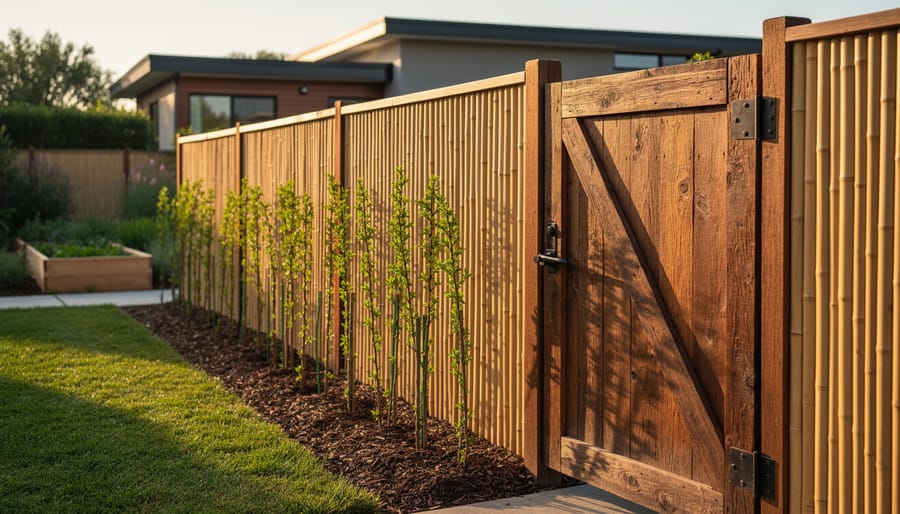
Choose reclaimed wood or bamboo fencing to slash material costs by 30-50% while reducing environmental impact—salvaged cedar and pine from demolished structures often cost just $2-4 per linear foot compared to $8-12 for new materials. Source these through local demolition companies, habitat restoration stores, or community recycling centers where quality timber awaits a second life.
Plant living willow or hazel fences by pushing fresh-cut branches directly into moist soil during dormant season, creating a zero-cost barrier that roots naturally and grows denser each year. This ancient technique requires no special skills and establishes a thriving privacy screen within two growing seasons while absorbing carbon and supporting local wildlife.
Install composite fencing made from recycled plastics and wood fibers for a maintenance-free solution that eliminates the need for toxic stains and sealants over its 25-year lifespan. While initial costs run slightly higher at $15-25 per linear foot, you’ll recover the investment through eliminated maintenance expenses and exceptional durability in all weather conditions.
The challenge isn’t choosing between your budget and your values—it’s knowing which sustainable materials deliver both environmental benefits and long-term savings. Homeowners like Sarah Martinez from Portland discovered her bamboo fence cost 40% less than vinyl while lasting just as long, proving that eco-friendly choices often make the most financial sense. This guide walks you through proven low-cost options that protect both your property and the planet.
Why Traditional Fencing Costs More Than You Think
When you’re pricing out a new fence, that initial quote might seem reasonable—but here’s what most homeowners don’t realize: you’re only seeing a fraction of the true cost. Traditional fencing materials like pressure-treated wood and vinyl carry hidden expenses that add up significantly over time.
Let’s start with maintenance. Wooden fences require regular staining or painting every two to three years to prevent rot and decay. That’s not just the cost of materials—it’s also your weekend time or hiring professionals. We’ve heard from countless homeowners who’ve spent $500-800 annually just keeping their wooden fence looking decent. Vinyl fences might seem low-maintenance, but they crack in extreme temperatures and discolor over time, requiring panel replacements that aren’t cheap.
Then there’s the replacement cycle. Standard pressure-treated wood fences typically last 10-15 years before needing significant repairs or complete replacement. That means you might install two or three fences in the time you own your home. When you factor in disposal costs for old materials—which often end up in landfills—the environmental toll becomes another hidden expense we’re all paying collectively.
The environmental impact extends beyond disposal. Manufacturing traditional fencing materials requires substantial energy and often involves harmful chemicals. Pressure-treated lumber contains preservatives that can leach into soil, while vinyl production releases toxic compounds. These ecological costs might not appear on your invoice, but they affect property values, local ecosystems, and community health.
Smart homeowners are discovering that budget-friendly garden fencing doesn’t mean settling for short-term solutions. By understanding these hidden costs upfront, you can make choices that truly save money while protecting the environment—which is exactly what eco-friendly fencing options offer.
What Makes a Fence Both Eco-Friendly and Affordable
Finding the sweet spot between sustainability and affordability in fencing doesn’t have to be complicated. The key is understanding what truly makes a fence eco-friendly without breaking the bank.
First, consider where your materials come from. Sustainable fencing uses renewable resources, recycled materials, or locally sourced options that reduce transportation emissions. A bamboo fence, for instance, comes from one of the fastest-growing plants on Earth, while composite fencing made from recycled plastics gives new life to materials that might otherwise end up in landfills.
Longevity matters just as much as the initial price tag. A fence that lasts 20 years without replacement beats a cheaper option that needs replacing every five years, both for your wallet and the environment. Durable materials mean fewer resources consumed over time and less waste heading to landfills.
Maintenance requirements directly impact both costs and environmental footprint. Fences that need frequent chemical treatments or repainting add ongoing expenses and introduce potentially harmful substances into your yard. Look for low-maintenance options that naturally resist rot and pests.
Finally, think about end-of-life impact. Can the fence be recycled, composted, or repurposed when it’s done serving you? This circular thinking prevents waste and closes the sustainability loop.
The good news? Many eco-friendly fencing options actually save money long-term through reduced maintenance and impressive durability. By weighing these factors together, you’ll find solutions that respect both your budget and the planet.
Budget-Friendly Sustainable Fencing Materials That Actually Work
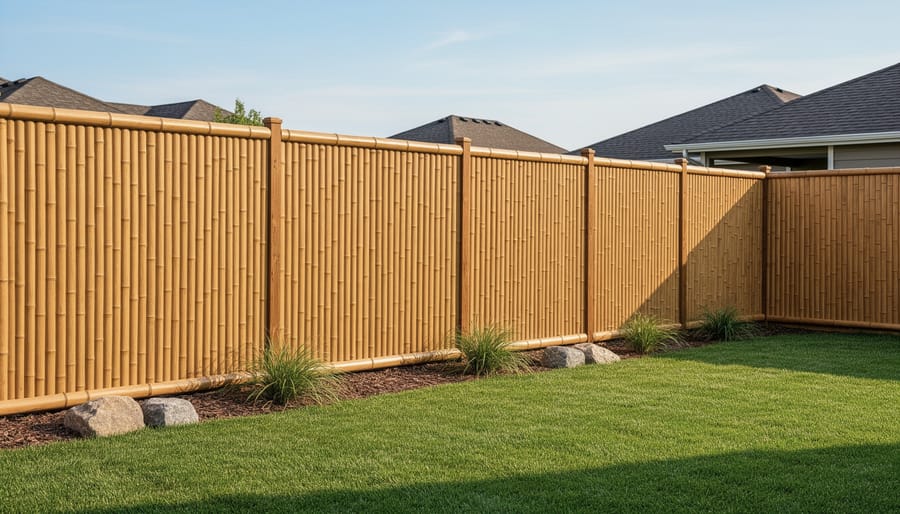
Bamboo: The Fast-Growing Champion
Bamboo stands out as nature’s renewable superstar, growing up to three feet per day in some species—that’s faster than virtually any other plant on earth! This incredible growth rate means you’re choosing a material that replenishes itself quickly, making it genuinely sustainable.
Beyond its eco-credentials, bamboo fencing offers impressive strength. It’s naturally resistant to warping and can withstand various weather conditions surprisingly well. You’ll find bamboo rolls and panels typically cost between $3 to $8 per linear foot, making them one of the most budget-friendly green options available.
Installation is refreshingly straightforward for DIY enthusiasts. Most bamboo fencing comes in roll form that attaches easily to existing posts or frames using zip ties or wire. For added stability, consider applying a weatherproof sealant annually—this simple step extends your fence’s lifespan considerably.
With proper maintenance, bamboo fencing lasts 15 to 20 years. Sarah from Oregon shares, “I installed bamboo screening around my patio three years ago. It’s held up beautifully through rainy winters, and I love knowing I made an environmentally sound choice without breaking the bank.”
Bamboo works brilliantly for privacy screens, garden borders, and decorative accents. It’s particularly ideal if you’re creating an Asian-inspired garden aesthetic or need quick-growing natural screening.
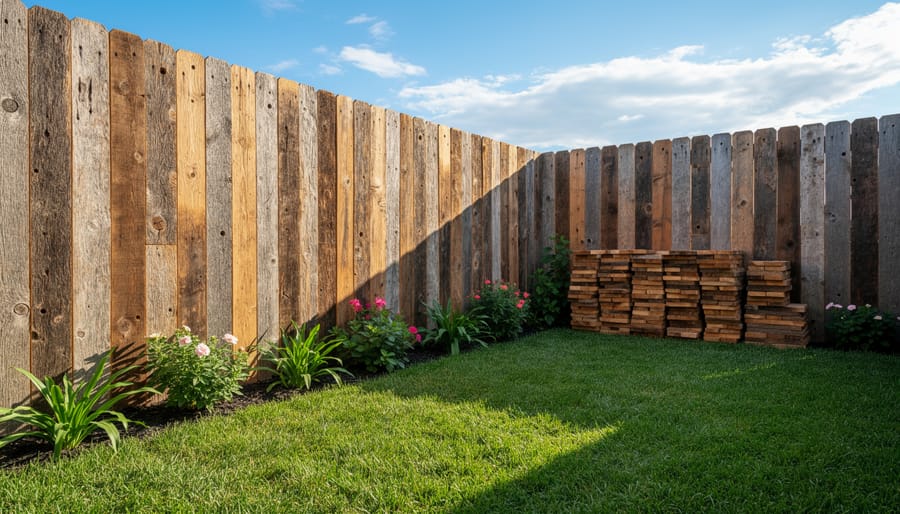
Reclaimed Wood: Character and Savings Combined
Reclaimed wood offers fence-builders the best of both worlds: unique character and significant cost savings. You can find reclaimed materials at local demolition sites, salvage yards, and architectural reclaim centers. Many homeowners also check online marketplaces and community groups where people often give away old barn wood or fence panels for free.
Compared to new lumber, reclaimed wood can save you 30-50% on material costs. Beyond the budget benefits, these weathered boards bring instant character with their natural patina, knots, and grain patterns that new wood simply can’t replicate.
Before installation, inspect boards carefully for rot or insect damage. Remove any nails or hardware, then sand rough edges. For weatherproofing, apply a clear wood sealer or natural oil finish to protect against moisture while preserving that beautiful aged appearance. If you’re using barn wood or pallets, verify they’re heat-treated rather than chemically treated.
One homeowner shared that her reclaimed fence became a neighborhood conversation starter, with visitors constantly asking about its origin story. That vintage aesthetic transforms a basic property line into a genuine design feature while keeping your project environmentally friendly and wallet-conscious.
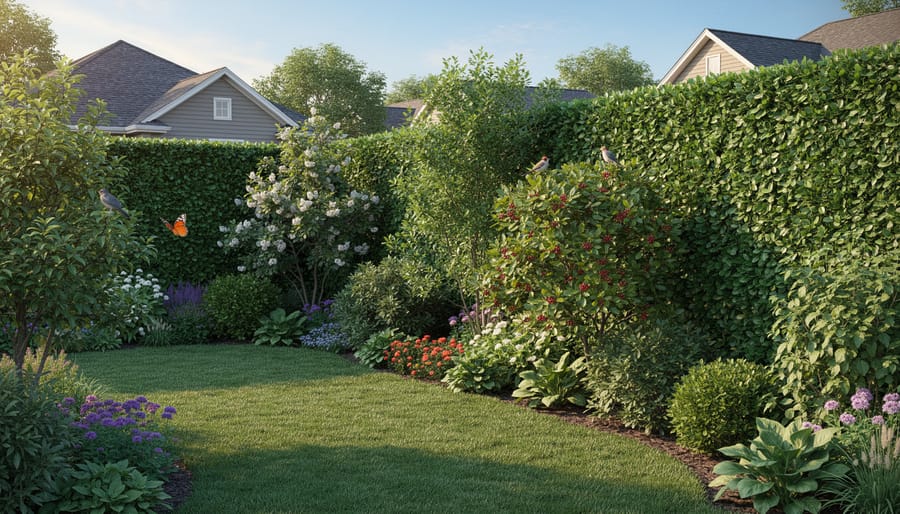
Living Fences: Plant Your Way to Privacy
Living fences offer one of nature’s most beautiful affordable privacy solutions, transforming your property line into a thriving green barrier. While the initial investment ranges from $3-15 per linear foot for starter plants, you’ll save significantly compared to traditional fencing over time since there’s no replacement needed.
For quick results, consider fast-growing options like Leyland Cypress or privet hedges, which reach privacy height in 3-5 years. Boxwood and holly work wonderfully in temperate climates, while bamboo varieties thrive in warmer regions. Northern homeowners often choose arborvitae for its cold hardiness and year-round coverage.
The maintenance commitment involves annual pruning and regular watering during establishment, but mature hedges practically care for themselves. Here’s the real bonus: living fences create habitat for beneficial birds and pollinators, naturally reducing pest problems in your yard.
Sarah from Oregon shares her experience: “Our mixed hedge of native shrubs took four years to fill in, but now it’s a wildlife haven that costs nothing to maintain. We’ve spotted nesting birds and butterflies we’d never seen before.”
Consider your climate, desired height, and patience level when selecting plants. Mixing native species provides the best ecological benefits while ensuring your living fence thrives naturally.
Recycled Composite Materials: Modern and Maintenance-Free
Recycled composite materials blend reclaimed plastic with wood fibers, creating fence panels that look surprisingly natural while keeping waste out of landfills. These maintenance-free options won’t rot, splinter, or fade like traditional wood, meaning you’ll skip those weekend painting sessions for years to come.
The upfront cost typically runs 20-40% higher than pressure-treated wood, but here’s where the math gets interesting. Over a 20-year lifespan, you’ll save on staining, sealing, and board replacements. One homeowner from Ohio shared that her composite fence still looks showroom-fresh after eight years, while her neighbor’s wood fence needed its third stain job.
Installation is refreshingly straightforward, similar to working with wood but without worrying about selecting the “good side” of warped boards. The panels come in various textures and colors, from classic gray to rich browns that mimic cedar or redwood. Many manufacturers offer interlocking systems that make DIY installation achievable over a weekend.
The real beauty? You’re giving plastic bottles and shopping bags a second life while creating a boundary that’ll outlast traditional options. It’s practical problem-solving that happens to be planet-friendly.
Woven Willow and Natural Hurdles: Rustic Charm on a Budget
There’s something wonderfully timeless about woven willow and hazel hurdles that brings instant character to any garden. These traditional fencing panels use fast-growing, renewable materials that craftspeople have relied on for centuries, making them an authentic eco-friendly choice that doesn’t break the bank.
Willow grows incredibly quickly and can be harvested sustainably every year without harming the parent plant. This means your fence literally comes from a renewable source that keeps giving. Hazel works similarly, coppicing back stronger after cutting. The weaving technique itself requires no nails, screws, or adhesives – just skillful interlacing of supple branches through upright stakes.
The beauty here is the DIY potential. While pre-made hurdle panels typically cost between $30-60 for a 6-foot section, you can source willow whips or hazel rods for as little as $15-25 and weave your own panels during a weekend project. It’s surprisingly meditative work, and there’s real satisfaction in creating something functional with your hands.
These hurdles shine as garden borders, decorative dividers between growing beds, or charming backdrops for flower displays. They work beautifully in cottage-style gardens and create wonderful windbreaks for delicate plants. One homeowner shared that her woven willow border transformed a plain vegetable patch into something guests always photograph.
Keep in mind that woven fencing typically lasts 5-10 years depending on your climate. They’re best suited for decorative applications rather than security or containing large animals. The natural aging process only adds to their rustic appeal, with the wood silvering gracefully over time.
Smart Installation Strategies to Cut Costs Further
Smart planning can dramatically reduce your eco-friendly fencing costs without sacrificing quality or sustainability. Let’s explore some practical strategies that have worked for homeowners who’ve successfully tackled their fencing projects on a budget.
Start by measuring twice and ordering once. Overordering materials is one of the biggest budget killers. Create a detailed site plan, accounting for gates, corners, and any terrain changes. Add only 5-10% extra for waste rather than the standard 15-20%. One homeowner in Oregon saved nearly $400 on their bamboo fence project simply by mapping everything carefully before ordering.
Consider a hybrid approach to maximize both savings and impact. Install eco-friendly materials where they’re most visible from your home or street, then use more affordable options for less prominent areas. This strategy lets you showcase sustainable choices without breaking the bank. For example, you might use reclaimed wood panels along your front yard and standard treated posts in back sections that aren’t visible.
Tool sharing makes tremendous financial sense for one-time projects. Connect with neighbors through community groups or tool libraries to borrow post-hole diggers, levels, and power tools. Many hardware stores also rent specialty equipment by the day. This approach saved one DIY enthusiast in Colorado over $300 on a weekend project.
Know when to call in professionals and when to go solo. Digging post holes, setting panels, and applying finishes are generally DIY-friendly tasks. However, if your project involves complex grading, concrete work, or local permit requirements, hiring a pro for those specific elements prevents costly mistakes. One couple hired professionals for just the post installation on their composite fence, then handled the panel work themselves, cutting their total labor costs in half.
Finally, tackle installation during off-peak seasons. Many contractors offer discounts during late fall or winter when demand drops, and suppliers often clear inventory with sales.
Making Your Eco-Fence Last: Maintenance That Pays Off
Your eco-friendly fence represents a smart investment in both your property and the planet, but like any outdoor structure, it needs proper care to deliver long-term value. The good news? Sustainable materials often require less maintenance than you’d expect, and the upkeep methods align perfectly with your environmental goals.
Start with regular inspections every few months. Walk your fence line looking for loose fasteners, damaged sections, or signs of moisture retention. Catching small issues early prevents costly repairs down the road. For bamboo and composite fencing, a simple wash with water and mild soap twice yearly keeps surfaces clean and prevents buildup that can degrade materials over time.
Natural wood options like cedar benefit from applying eco-friendly sealants or oils annually. Look for plant-based products that protect against moisture without toxic chemicals. Many homeowners successfully use linseed oil or beeswax-based treatments that nourish wood while maintaining its natural beauty. These treatments typically cost under $30 per gallon and cover significant square footage.
Implementing seasonal maintenance strategies makes a real difference. Before winter, clear debris from fence bases to prevent moisture problems. In spring, check for any weather damage and tighten hardware. Summer is perfect for cleaning and treating, while fall calls for trimming back vegetation that might trap moisture against fence surfaces.
One satisfied homeowner shared: “I spend maybe two hours twice a year maintaining my recycled composite fence. Compare that to the constant staining my neighbor does on his traditional wood fence, and I’m saving both time and money.”
Remember, proper maintenance typically extends fence life by five to ten years, significantly improving your return on investment while keeping your sustainable choice looking great.
Real Homeowners Share Their Eco-Fencing Success Stories
Sarah from Portland transformed her backyard boundary with reclaimed cedar planks sourced from a local demolition project. “I was worried about the cost, but finding reclaimed wood saved me nearly 40% compared to new materials,” she shares. The biggest challenge? Sorting through planks to find uniform pieces, but the character and durability made it worthwhile. Two years later, her fence still looks beautiful and she loves telling visitors about its sustainable story.
The Martinez family in Austin chose living willow fencing for their front yard, spending just $850 for materials. “We planted the willow whips ourselves following online tutorials,” Maria explains. “The first summer required consistent watering, which felt demanding, but now it’s self-sufficient and provides amazing shade.” Their neighbors have complimented the unique natural look, and local birds have made it their home.
James tackled his property line with bamboo panels, investing $1,200 for a 50-foot section. “I was skeptical about bamboo’s strength in our climate, but three winters later it’s holding up perfectly,” he notes. His advice? Proper sealing made all the difference. “I spent an extra afternoon applying natural oil finish, and it’s been virtually maintenance-free since.” He appreciates knowing his fence grows back quickly in sustainable forests, aligning with his family’s environmental values without breaking their renovation budget.
Creating an eco-friendly fence for your property doesn’t mean choosing between your values and your budget. As we’ve explored, sustainable fencing options like reclaimed wood, bamboo, and composite materials offer durability and environmental benefits without breaking the bank. The key is understanding which materials align with your specific needs and taking advantage of cost-saving strategies like DIY installation or phased projects.
Remember, the most sustainable choice is often the one that lasts. Investing in quality materials that require minimal maintenance will save you money and resources over time. Whether you choose living willow fences that grow stronger each year or recycled composite boards that never need replacing, you’re making a practical decision that benefits both your home and the planet.
At Storage Sheds Outlet, we believe thoughtful outdoor improvements should be accessible to everyone. Start small if needed, perhaps with a single section or garden border, and expand as your budget allows. The homeowners we’ve heard from consistently report satisfaction not just with their finished fences, but with knowing they made responsible choices. You’re ready to move forward with confidence, armed with practical knowledge and realistic expectations for creating beautiful, sustainable outdoor spaces.