


Stop Wasting Money on Yard Work: Your Season-by-Season Cost-Cutting Plan

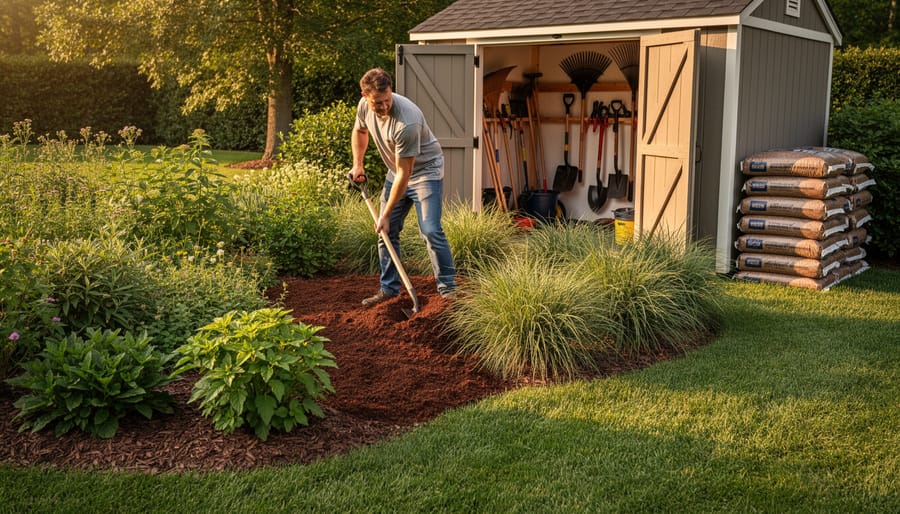
Time your lawn fertilization to early spring and late fall rather than paying for monthly applications—these two strategic treatments cost 60% less annually while delivering healthier grass that naturally resists weeds and disease. Buy mulch in bulk during late winter when suppliers offer 30-40% discounts, then store it properly in a covered area to preserve quality through the growing season. Replace 20-30% of your high-maintenance lawn with native groundcovers or ornamental grasses that require zero fertilization and minimal watering, slashing your water bill by hundreds of dollars yearly while eliminating weekly mowing in those zones. Invest in proper tool storage to prevent rust and weather damage that forces you to replace equipment prematurely—a $200 rake shouldn’t need replacing after one season left in the rain.
These seasonal strategies work because they align your spending with nature’s rhythms rather than fighting against them. Most homeowners waste money on reactive maintenance—treating problems after they appear, hiring professionals for tasks they could handle themselves, or replacing tools and materials that deteriorated from poor storage. The hidden costs add up quickly: emergency tree trimming after storm damage you could have prevented, premium pricing for last-minute mulch delivery, or buying new pruning shears every spring because last year’s rusted away.
Taking control of your landscape maintenance costs doesn’t mean sacrificing the beautiful yard you want. It means working smarter with the seasons, protecting your investments, and knowing exactly where your money delivers the biggest impact throughout the year.
Why Landscape Maintenance Costs Spiral Out of Control
Understanding why landscape maintenance costs get out of hand is the first step toward keeping your budget in check. Many homeowners find themselves spending hundreds or even thousands more than necessary, and the culprit is usually one of several common mistakes.
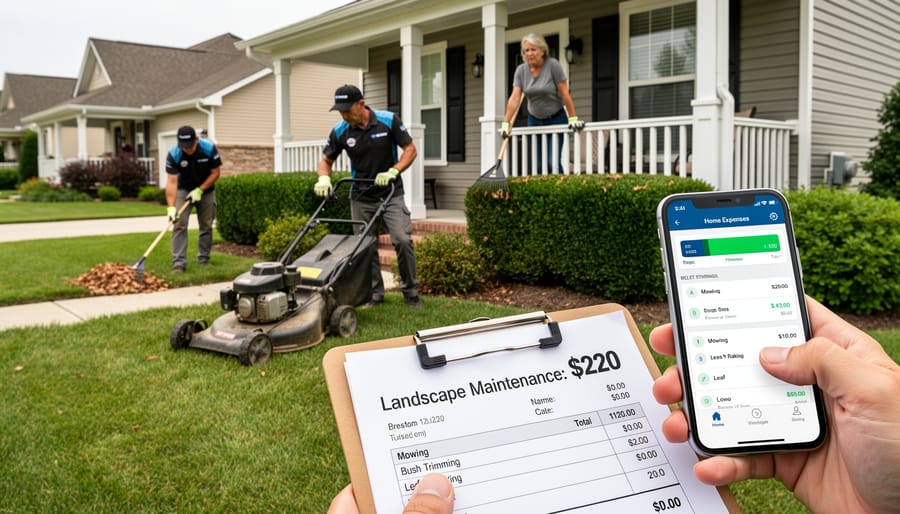
One of the biggest budget drains happens when homeowners hire professionals for tasks they could easily handle themselves. Simple jobs like spreading mulch, pulling weeds, or basic lawn mowing don’t require expert knowledge, yet hiring these services out can cost $50-150 per visit. Learning basic yard care skills saves substantial money over time, especially when paired with proper seasonal maintenance strategies that prevent bigger problems.
Poor planning creates another expensive trap. Without a maintenance calendar, homeowners react to problems instead of preventing them. That dead tree you ignored all winter? Now it’s fallen on your fence, turning a $300 preventative removal into a $2,000 emergency repair. The lawn you forgot to fertilize in spring might need expensive renovation by summer. Planning ahead transforms your approach from costly crisis management to affordable routine care.
Buying the wrong products burns money surprisingly fast. That bargain fertilizer might require three applications instead of one quality product. Cheap garden tools break mid-season, forcing replacement purchases. The wrong grass seed for your climate struggles and dies, wasting both the seed cost and your time. Investing in appropriate products the first time actually reduces long-term spending.
Perhaps the costliest mistake is neglecting preventative maintenance. Skipping annual pruning leads to overgrown shrubs requiring professional reshaping. Ignoring drainage issues creates erosion problems demanding expensive landscaping fixes. Not aerating your lawn results in compacted soil needing costly renovation. A small investment in prevention today prevents major expenses tomorrow.
The good news? Recognizing these patterns means you can immediately start making different choices. With proper organization, basic knowledge, and the right storage for your tools and supplies, you’ll keep more money in your pocket while maintaining a beautiful yard.
Spring: Setting Up Your Yard to Save Money All Year
The Early Spring Cleanup That Prevents $500+ in Repairs
Think of early spring as your yard’s annual physical checkup. Those few hours you invest now can literally save you hundreds in costly repairs down the road. Let me walk you through what really matters.
Start with debris removal. Winter leaves behind broken branches, accumulated leaves, and other materials that trap moisture against your foundation. This isn’t just about aesthetics—that trapped moisture can lead to foundation cracks and wood rot that’ll cost $500 to $2,000 to repair. A simple weekend afternoon with a rake and wheelbarrow handles most of this yourself. If you have extensive tree coverage or mobility challenges, hiring help for 2-3 hours typically runs $75-150, which is still far cheaper than water damage repairs.
Next up: gutters and drainage. Clogged gutters overflow and dump water right against your foundation, creating the perfect storm for basement flooding and structural issues. Clean gutters yourself using a sturdy ladder and garden hose, or hire professionals for $100-200 if you’re uncomfortable with heights. While you’re at it, check downspouts and ensure they direct water at least six feet away from your home.
Walk your property looking for drainage problems. Notice any standing water or erosion? Address these now before spring rains make them worse. Sometimes adding a simple French drain or adjusting your yard’s grade prevents thousands in foundation work.
The real savings comes from spotting small problems before they become expensive emergencies. That’s money staying in your pocket where it belongs.
Soil Prep and Mulching: Spend Now, Save Later
Think of proper soil prep and mulching as your landscape’s insurance policy—a modest upfront investment that pays dividends all season long. When you amend your soil with compost or organic matter before planting, you’re creating a healthier root environment that reduces your need for frequent watering and expensive fertilizers. Healthy soil holds moisture better, meaning your water bill stays manageable even during summer heat.
Mulching works even harder for your budget. A 2-3 inch layer around plants blocks sunlight from reaching weed seeds, dramatically cutting the time and money you’d spend on weed control. It also regulates soil temperature and retains moisture, reducing watering needs by up to 50 percent in some cases.
Budget-friendly mulch options abound. Shredded leaves from your own yard cost nothing and break down to enrich soil. Many municipalities offer free wood chips from tree trimming operations—just call your local public works department. Pine straw, available inexpensively in bales, works beautifully in garden beds. Even cardboard layered under decorative mulch creates an effective, biodegradable weed barrier. One homeowner shared how switching to free municipal mulch saved her $200 annually while keeping her beds healthier than ever.
Smart Tool and Supply Storage Solutions
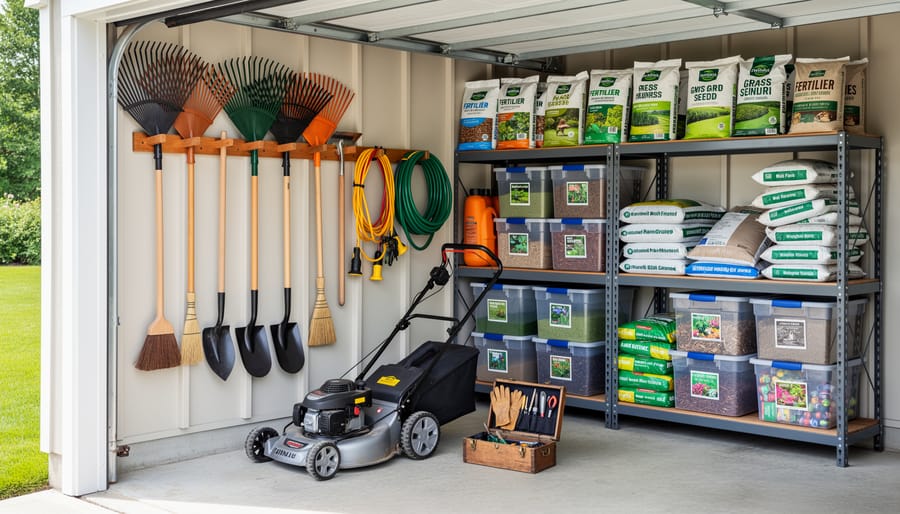
Proper tool storage isn’t just about keeping your garage tidy—it’s a genuine money-saver. When your landscape equipment sits exposed to the elements, you’re essentially throwing cash away through premature replacement costs. A quality storage shed protects your investment from rust, sun damage, and moisture that can destroy even professional-grade tools within a season or two.
Take it from Maria, a homeowner in Portland: “I used to lean my tools against the garage wall, and every spring I’d need to replace at least three items. After installing a modest shed with organized racks, my pruning shears and edgers have lasted five years without issue. The $400 shed paid for itself in the first two years.”
Beyond tools, smart storage solutions prevent expensive chemical degradation too. Fertilizers and pest controls that freeze, overheat, or absorb moisture become ineffective—forcing you to buy replacements mid-season. A properly ventilated shed maintains stable temperatures and keeps products viable longer. Simple additions like pegboards, wall hooks, and clear plastic bins ensure everything has a designated spot, reducing the “I can’t find it, so I’ll buy another one” syndrome that quietly drains maintenance budgets year after year.
Summer: Maintenance Strategies That Cut Water and Labor Costs
Watering Smarter, Not More Often
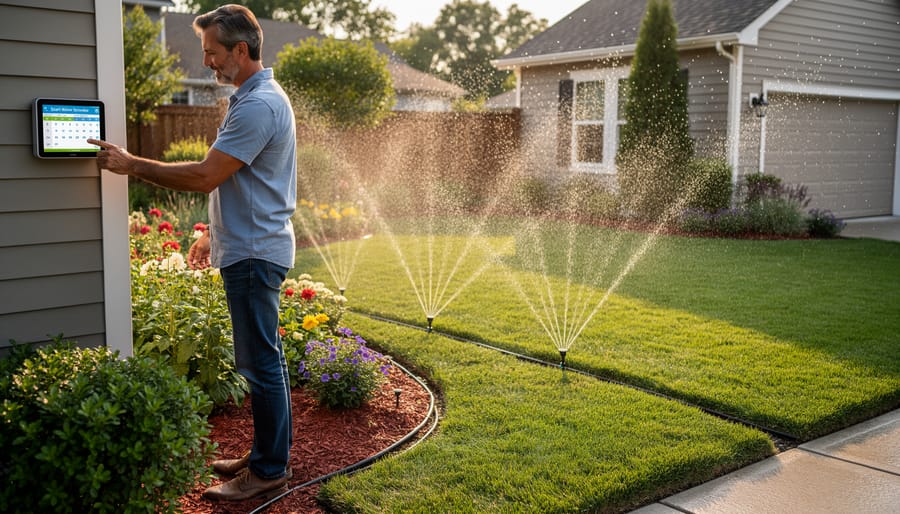
Water bills can take a surprising bite out of your landscape budget, but a few smart adjustments can slash those costs dramatically. The secret isn’t necessarily watering less—it’s watering smarter.
Start by shifting your watering schedule to early morning, ideally between 5-9 AM. You’ll lose far less water to evaporation, meaning your plants get more benefit from every drop. Sarah from Portland told us she cut her summer water bill by 30% just by switching from afternoon to dawn watering.
Consider upgrading to drip irrigation for garden beds and shrubs. Unlike sprinklers that spray water everywhere (including sidewalks and driveways), drip systems deliver moisture directly to plant roots. The initial investment typically pays for itself within two seasons through reduced water waste.
Rainwater collection systems offer another powerful solution. A simple rain barrel can capture hundreds of gallons during rainy months, providing free irrigation water when you need it most. Store your rain barrels near your shed for easy access and protection from harsh weather.
Gradually transition to drought-resistant plants in high-maintenance areas. Native species and succulents require far less water once established, often thriving on rainfall alone after their first year. You’re not abandoning your landscape—you’re making it work with nature instead of against it.
These cost-effective watering techniques don’t require sacrificing your landscape’s beauty. They simply redirect resources where they matter most, keeping plants healthy while keeping more money in your pocket.
The Low-Maintenance Mowing Schedule
Here’s a cost-cutting secret most homeowners miss: raising your mower blade just one inch can save you hundreds of dollars yearly. Set your blade height to 3-4 inches rather than the common 2-inch cut. This simple adjustment means mowing every 10-14 days instead of weekly during peak season, immediately reducing fuel costs and equipment wear by up to 40%.
Taller grass develops deeper roots that naturally crowd out weeds, reducing your need for expensive herbicides. The added shade to soil also means less watering during dry spells. One homeowner from Michigan shared how switching to bi-weekly mowing saved her $300 annually in gas and maintenance while her lawn actually looked healthier and greener.
The biggest cost mistake? Cutting too short too often. This stresses grass, inviting disease and requiring more water, fertilizer, and weed control to compensate. Also avoid mowing wet grass, which clumps, dulls blades faster, and creates uneven cuts requiring do-overs.
During cooler months, stretch mowing to every three weeks as growth naturally slows. Your mower will thank you with fewer tune-ups, and you’ll reclaim weekends while maintaining a picture-perfect lawn.
Pest and Weed Control Without Breaking the Bank
Summer brings weeds and pests, but you don’t need expensive treatments to keep them under control. Prevention is your best money-saver—mulching garden beds heavily (2-3 inches) blocks weed growth before it starts, reducing herbicide needs by up to 80%. Hand-pulling weeds when they’re small takes just minutes weekly versus hours monthly if left unchecked.
For DIY pest control, try these budget-friendly solutions: spray aphids with diluted dish soap (1 tablespoon per quart of water), scatter crushed eggshells around plants to deter slugs, or plant marigolds to naturally repel mosquitoes and aphids. A homeowner in Portland cut her pest control costs from $200 monthly to under $30 by switching to these methods.
However, serious infestations like grubs, chinch bugs, or crabgrass actually warrant professional treatment. Here’s why: a $150 professional application prevents $2,000 in lawn replacement costs. Professionals use concentrated products unavailable to consumers, making single treatments more effective than multiple DIY attempts. Consider pros for preventative treatments in spring, then maintain with organic methods through summer for the best cost-benefit balance.
Fall: The Prep Work That Slashes Winter and Spring Expenses
Leaf Management That Pays for Itself
Fall leaves don’t have to drain your wallet. The secret? Turn them into gardening gold instead of paying for disposal. A quality mulching mower chops leaves into tiny pieces that decompose quickly, feeding your lawn for free. This eliminates bagging costs entirely and can save you $200-400 annually in disposal fees and fertilizer purchases.
For larger properties, consider your options carefully. A leaf vacuum or chipper-shredder costs $200-500 but pays for itself within two seasons compared to weekly lawn service fees of $50-75 during fall. If you only need it once yearly, renting equipment for $75-100 makes more sense than buying.
Here’s a real-world win: Mike from Ohio composted his leaves in a simple wire bin, creating enough mulch to cover all his garden beds the following spring. His savings? Over $300 in bagged mulch purchases, plus he eliminated four trips to the dump.
The key is proper storage for your leaf-management equipment. Keeping blowers, rakes, and tarps organized in a dedicated space means you’re always ready to tackle leaves before they become overwhelming. When tools are accessible and protected from weather, they last longer and you’re more likely to stay on top of maintenance tasks that prevent bigger expenses down the road.
Protecting Plants and Hardscaping from Winter Damage
A little winter prep goes a long way in preventing costly spring repairs. Start by wrapping vulnerable plants like young trees and tender shrubs with burlap or frost cloth—these materials cost just a few dollars but can save you from replacing expensive specimens that cost hundreds. For potted plants, group them together near your home’s foundation for added warmth, or move them into a shed where they’ll stay protected from harsh freeze-thaw cycles.
Don’t forget your irrigation system. Drain all water lines and blow out sprinkler systems before the first hard freeze to prevent burst pipes, which can lead to repair bills exceeding $500. Shut off outdoor faucets and disconnect hoses, storing them properly to extend their lifespan.
Protect hardscaping investments by applying a quality sealant to pavers, concrete, and stone surfaces before winter. This simple step prevents water from seeping into cracks, freezing, and causing expensive damage. Cover outdoor furniture or store it away to avoid deterioration from snow and ice. Sarah from Minnesota learned this lesson the hard way: “One winter left my patio furniture outside cost me $800 in replacements. Now I always store everything properly.”
These preventative measures typically cost under $100 but can save you thousands in spring restoration work.
Fall Fertilization and Overseeding: The Most Cost-Effective Timing
Fall is hands-down the smartest time to tackle fertilization and overseeding, and here’s why it makes financial sense. Cooler temperatures mean grass seeds germinate more successfully with less water, immediately cutting your utility bills. You’ll also face less competition from weeds, which means you won’t need to purchase additional herbicides that spring applications often require.
The real money-saver? Product pricing. Garden centers typically discount fertilizers and grass seed by 20-30% in fall to clear inventory before winter. Combine these savings with better growing conditions, and you’re getting superior results for less money. Grass roots grow vigorously in fall’s mild weather, establishing a stronger lawn that requires fewer treatments come spring.
One homeowner shared that switching her overseeding schedule from spring to fall cut her lawn care costs by nearly $200 annually while actually improving her yard’s appearance. The thicker fall growth naturally crowds out weeds, reducing her need for expensive weed control products the following year. Plus, storing your leftover supplies in a proper outdoor shed protects your investment from moisture damage, ensuring products remain effective for future seasons without waste.
Winter: Off-Season Moves That Reduce Year-Round Costs
Equipment Maintenance and Off-Season Shopping
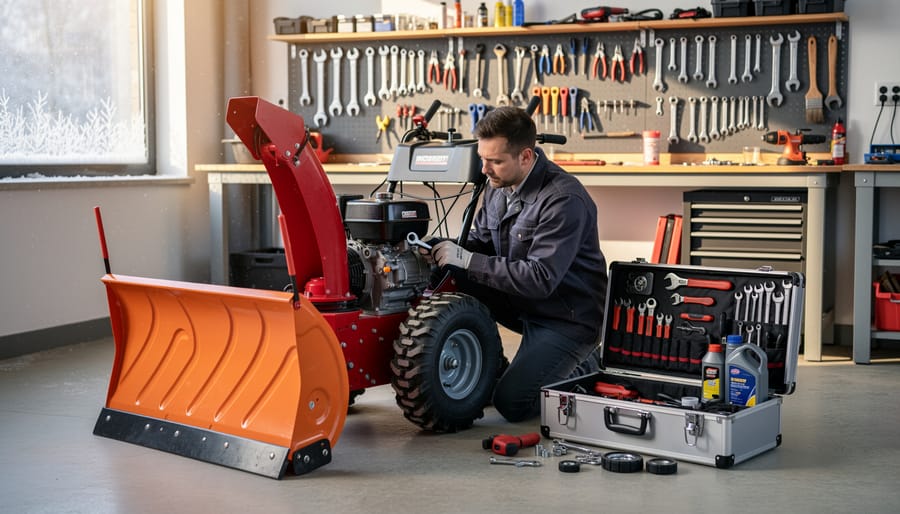
Winter offers the perfect opportunity to extend your equipment’s lifespan and catch serious deals. Before storing your mower, trimmer, and other tools, give them proper attention. Change the oil, sharpen blades, clean air filters, and stabilize fuel to prevent gummy buildup. This simple maintenance routine can save you hundreds in repair costs come spring. One homeowner shared how his mower lasted 12 years instead of the typical 8 simply by following manufacturer recommendations during off-season storage.
Speaking of savings, retailers slash prices on outdoor supplies from December through February. You’ll find discounts of 30-50% on mulch, fertilizers, irrigation components, and hand tools. Stock up on spring essentials now rather than paying premium prices when demand peaks. Garden centers need to clear inventory, making this your chance to score quality materials at bargain rates.
Create a dedicated storage space for your equipment and supplies to keep everything organized and protected from moisture and pests. Proper storage prevents rust, extends tool life, and means you’re ready to tackle spring projects without last-minute shopping trips at full price. Smart winter planning puts money back in your pocket while ensuring your equipment performs reliably when you need it most.
Planning Your DIY Projects for Maximum Savings
Winter offers the perfect opportunity to plan money-saving projects before spring arrives. Start by browsing online tutorials and videos for DIY garden projects you can tackle yourself, like building raised garden beds or installing a storage shed. Create a detailed list of materials needed and compare prices across different suppliers, including big-box stores, local lumberyards, and online retailers.
Sketch out your landscaping changes on paper, measuring existing spaces to avoid costly mistakes. Research which projects offer the best return on investment, such as creating a dedicated tool storage area that protects equipment and extends its lifespan. Many homeowners save hundreds by assembling their own sheds or constructing simple garden structures rather than hiring contractors.
Use this planning time to watch for winter clearance sales on landscaping supplies, outdoor storage units, and garden materials. Join online community groups where fellow DIYers share cost-cutting tips and supplier recommendations. When spring arrives, you’ll hit the ground running with a clear budget, competitive pricing, and confidence in your project plans, maximizing savings while creating the functional outdoor space you need.
The Hidden Costs You Can Eliminate Right Now
You might be surprised to learn how much money slips through the cracks in your landscape maintenance budget. Many homeowners pay premium prices for services they could easily handle themselves or purchase products that offer little advantage over basic alternatives.
Take lawn mowing services, for example. While hiring professionals makes sense for complex yard work, paying $50-75 per visit for simple mowing adds up to $1,200-1,800 annually. If you have a relatively flat, straightforward lawn, investing in a quality mower pays for itself within a single season. The same principle applies to basic trimming and leaf removal—tasks that require minimal skill but often carry surprisingly high price tags.
Premium fertilizers and treatments represent another area where marketing often outpaces performance. Industry testing shows that many expensive branded products deliver results nearly identical to standard formulations. For typical residential lawns, basic fertilizer from your local garden center works just as effectively as premium alternatives costing two to three times more.
Perhaps the costliest hidden expense is poor tool and supply storage. When your gardening equipment sits exposed to weather, you’re essentially paying twice for everything. Rusted tools need replacement. Fertilizer bags absorb moisture and become unusable. Seeds lose viability. One homeowner shared how she calculated spending over $300 yearly replacing supplies that deteriorated in her garage before she could use them.
Creating dedicated, weather-protected storage for your landscape maintenance supplies prevents this waste entirely. When your tools stay dry and organized, they last years longer, you avoid duplicate purchases, and you can buy supplies in bulk when prices drop. This simple organizational step often saves homeowners $200-400 annually without changing a single maintenance habit.
When you add up the savings from even a few of these seasonal strategies, the numbers really start to work in your favor. A homeowner who mulches properly in spring, waters wisely in summer, and winterizes equipment in fall can easily cut their annual landscape maintenance costs by 30-40% or more. The best part? You don’t need to tackle everything at once.
Start with just one or two approaches that fit your schedule and budget. Maybe you begin by buying mulch in bulk this spring, or perhaps you focus on proper tool maintenance this winter. Each small change builds momentum and confidence for the next.
Here’s something many cost-conscious homeowners overlook: all those money-saving tools, leftover supplies, and bulk purchases need a home. Proper storage protects your investment and keeps everything organized and accessible when you need it. A well-organized space means your equipment lasts longer, your supplies stay dry and usable, and you can actually find that specialized tool when the moment calls for it. Think of good storage as the foundation that makes all your other cost-cutting strategies possible, year after year.