


Why Your Flammable Storage Shed Could Be a Disaster Waiting to Happen

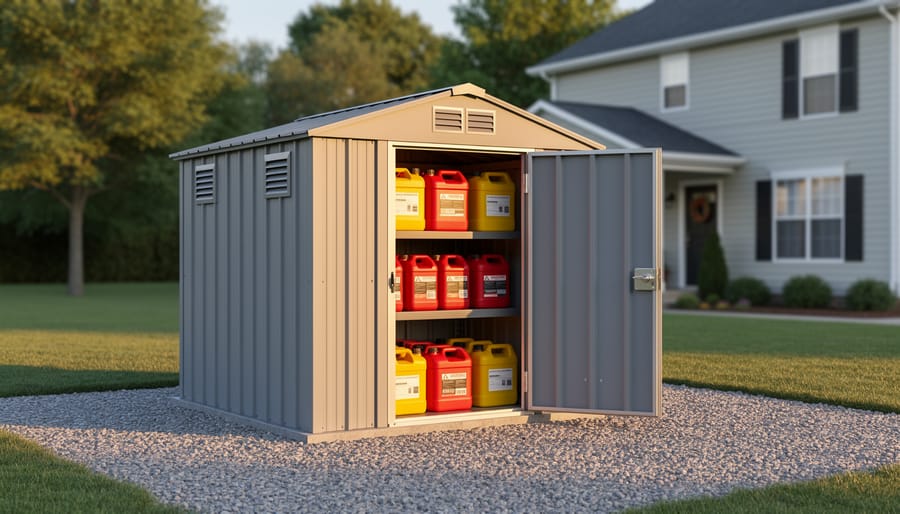
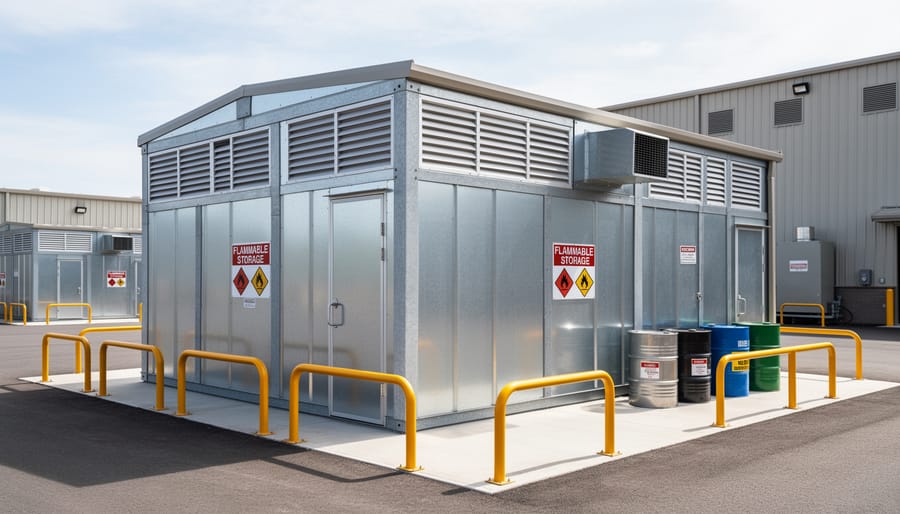
Store gasoline, paint thinners, propane tanks, and other hazardous materials at least 10 feet away from your home in a dedicated flammable storage shed designed with proper ventilation, fire-resistant materials, and explosion-proof electrical components. These specialized structures prevent dangerous vapor accumulation that turns ordinary sheds into potential fire hazards.\n\nCheck your local fire codes before purchasing any storage solution for flammables. Most municipalities require specific clearances from property lines, buildings, and ignition sources. Your fire marshal can provide exact requirements for your area, including whether you need permits for storing certain quantities of hazardous materials. Understanding these regulations upfront saves you from costly mistakes and potential fines.\n\nLook for sheds constructed with non-combustible or fire-rated materials like steel or specially treated wood with fire-retardant coatings. The best flammable storage sheds feature continuous ventilation near the floor and roof to prevent explosive vapor buildup, self-closing doors with three-point locking systems, and grounding capabilities to prevent static electricity discharge. These features work together to create multiple layers of protection for your property and family.\n\nConsider your storage volume carefully. Most homeowners need space for lawn equipment fuel, seasonal paint supplies, and cleaning chemicals. A standard 6×8 flammable storage shed handles typical residential needs while maintaining safe container spacing. Larger properties or small business operations may require 10×12 structures with interior shelving designed for proper chemical segregation.\n\nThe right flammable storage shed transforms a dangerous situation into a manageable one, giving you peace of mind while keeping your family and property protected.\n\n\n
 \n
\n\n\n
Understanding What Makes a Storage Shed Safe for Flammable Materials
\n\n
The Building Materials That Matter Most
\n\nWhen it comes to storing flammable materials, the building materials of your shed can literally mean the difference between containment and catastrophe. Let’s break down your options so you can make the smartest choice for your situation.\n\nMetal sheds are your gold standard for flammable storage. Steel and aluminum won’t burn, won’t contribute fuel to a fire, and can withstand high temperatures without compromising structural integrity. They’re particularly effective at containing fires that start inside the shed, giving you precious time to respond. The downside? Metal can conduct heat, so proper ventilation becomes even more critical to prevent dangerous temperature buildup on hot summer days.\n\nTreated wood sheds can work for flammable storage, but only if they’re properly treated with fire-retardant chemicals. Look for wood that meets Class A fire rating standards. However, understand that “fire-resistant” doesn’t mean “fireproof.” These treatments slow down fire spread but won’t stop it entirely. If you’re considering wood, ensure it’s been pressure-treated specifically for fire resistance, not just moisture protection.\n\nHere’s where you need to be careful: standard plastic or resin sheds are generally a no-go for storing flammables. While some manufacturers produce specialized fire-resistant polymer sheds, most conventional plastic options will melt, warp, or even fuel a fire. Unless the manufacturer explicitly states the shed meets fire safety standards for hazardous storage, avoid plastic altogether.\n\nThe takeaway? Metal wins for maximum safety, treated wood offers a budget-friendly alternative with proper precautions, and standard plastic should be crossed off your list entirely.\n\n
Ventilation: Your First Line of Defense Against Vapor Buildup
\n\nThink of your flammable storage shed like a kitchen when you’re cooking—without proper ventilation, things can get dangerously smoky fast. The same principle applies to storing flammable materials, except instead of smoke, you’re dealing with invisible vapors that can create serious explosion risks.\n\nHere’s the problem: flammable liquids like gasoline, paint thinner, and solvents naturally release vapors, even when their containers are closed. These vapors are often heavier than air, meaning they settle near the floor and accumulate if there’s nowhere for them to escape. When vapor concentration reaches what’s called the “lower explosive limit,” all it takes is a tiny spark—from static electricity, a power tool, or even a light switch—to trigger an explosion.\n\nAdequate ventilation solves this by continuously exchanging stale, vapor-filled air with fresh outdoor air. In practical terms, this means your shed needs both high and low ventilation points. Position vents near the floor to allow heavy vapors to escape and near the roofline to let rising warm air exit, creating natural airflow throughout the space.\n\nMany homeowners make the mistake of thinking a single vent or window is enough, but effective ventilation requires cross-flow. Look for sheds with permanently open vents that can’t accidentally be blocked or closed. As one DIY enthusiast shared after upgrading his storage setup, “I added low vents on opposite walls, and the difference in air quality was immediately noticeable—no more chemical smell when opening the door.”\n\nRemember, good ventilation isn’t just about meeting codes; it’s about creating a genuinely safer space for your family and property.\n\n\n
Essential Safety Features Every Flammable Storage Shed Needs
\n\n
Fire-Resistant Design Elements You Can’t Skip
\n\nWhen you’re storing flammable materials, certain safety features aren’t optional extras – they’re essential protections that could save your property and prevent tragedy. Let’s walk through the must-have elements that make a real difference.\n\nFire-rated doors are your first line of defense, and here’s why they matter: standard shed doors can fail within minutes during a fire, but fire-rated versions are designed to contain flames for 1-2 hours. Look for steel doors with proper seals and self-closing mechanisms. One homeowner in Oregon shared how his fire-rated door contained a small fuel spill fire long enough for firefighters to arrive, preventing it from spreading to his garage just feet away.\n\nSpark-proof flooring might not seem glamorous, but it’s incredibly practical. Concrete sealed with epoxy coating or specially designed non-combustible materials prevent sparks from igniting if you drop a container. Think about those times you’ve fumbled with a gas can – that sealed surface gives you a margin for error that regular plywood simply can’t provide.\n\nFlame-resistant coatings on walls and ceilings add another layer of protection. These special paints contain fire-retardant chemicals that slow flame spread dramatically. In real-world scenarios, this extra 15-30 minutes of resistance can mean the difference between a contained incident and total property loss.\n\nTogether, these elements work as a safety system. None are particularly expensive compared to potential losses, and most local fire codes actually require them for flammable storage anyway.\n\n
Smart Storage Solutions That Prevent Accidents
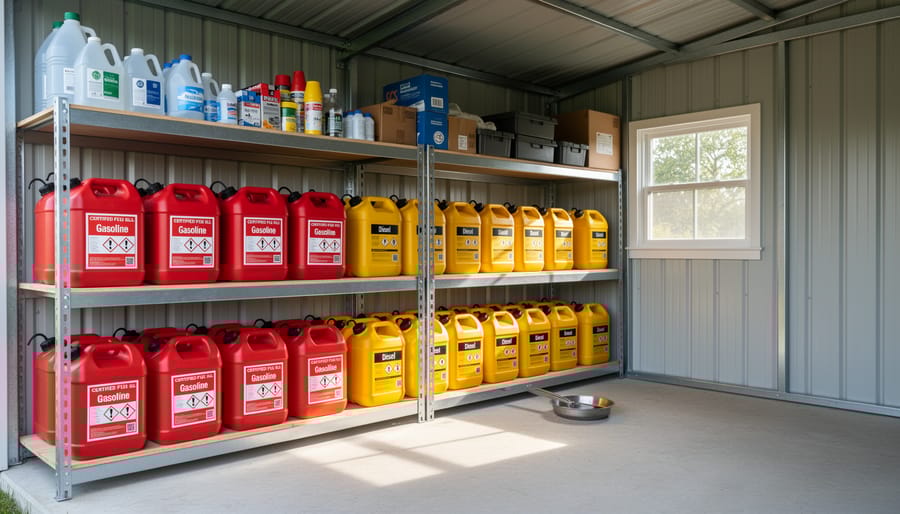
\n\nProper organization inside your flammable storage shed can make the difference between a safe space and a potential hazard. Think of it as setting up a system that works with you, not against you, to prevent accidents before they happen.\n\nStart with the right containers. Always store flammable liquids in approved safety cans with self-closing lids and flame arrestors. These aren’t just fancy features – they’re your first line of defense against spills and vapors. Never reuse old milk jugs or food containers for gasoline or chemicals. One homeowner we spoke with learned this lesson when an unmarked container led to a close call with paint thinner mistaken for water.\n\nSegregation is equally important. Keep incompatible materials apart by creating dedicated zones in your shed. Store fuels like gasoline and kerosene away from oxidizers such as pool chemicals. A simple rule of thumb: if two products shouldn’t mix accidentally, they shouldn’t share the same shelf. Use clear labels on everything, so there’s never confusion about what’s where.\n\nDon’t overlook spill containment. Place drip pans or secondary containment trays under all containers. These catch leaks before they spread and create dangerous situations. For larger setups, consider installing a low-profile containment platform that keeps multiple containers elevated and contained.\n\nFinally, arrange your most frequently used items at eye level and near the door. This reduces handling time inside the shed and minimizes the chance of accidental spills when reaching for items. A well-organized shed isn’t just tidy – it’s fundamentally safer.\n\n
 \n
\n\n\n
Temperature Control and Why It’s Critical
\n\nHeat and flammable materials are a dangerous combination. When temperatures rise, chemicals can expand, pressure can build inside containers, and vapors become more volatile—significantly increasing fire risk. That’s why maintaining proper temperature control in your flammable storage shed isn’t optional; it’s essential for safety.\n\nMost flammable materials should be stored between 50-80°F, though specific products may have different requirements listed on their labels. Extreme heat accelerates chemical reactions and can even cause spontaneous combustion in certain materials like oily rags or reactive chemicals.\n\nFor mild climates, proper insulation and ventilation may be sufficient. However, if you live in areas with extreme temperatures, consider investing in active temperature control solutions like exhaust fans, passive vents, or even climate control systems. Reflective roofing materials and strategic shade placement can also help keep your shed cooler naturally. Remember, spending a bit more on temperature management now prevents potentially catastrophic problems later.\n\n\n
Location, Location, Location: Where to Place Your Flammable Storage Shed
\n\n
 \n
\n\n\n
The Safety Buffer Zone Your Home Needs
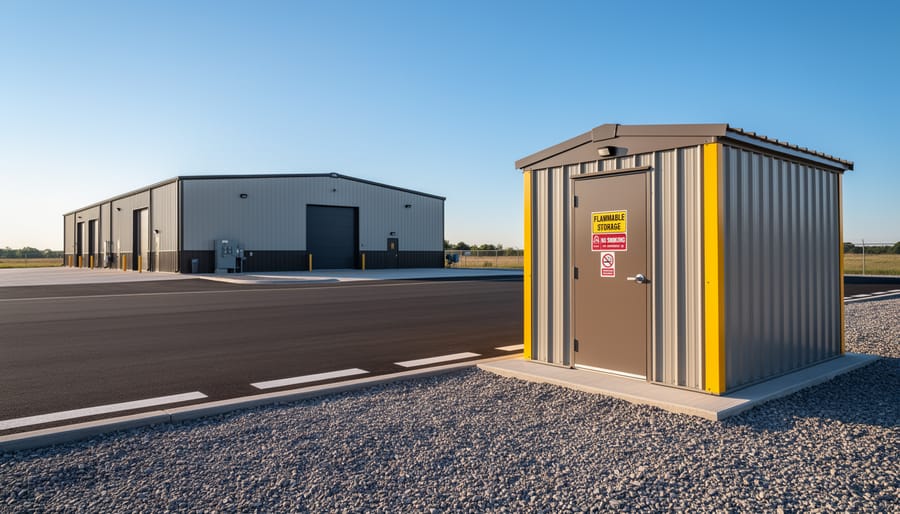
\n\nProper placement of your flammable storage shed isn’t just a good idea—it’s often a legal requirement that could save your home. Most fire safety codes recommend positioning flammable storage at least 10-15 feet from your house, though some jurisdictions require up to 30 feet for materials like gasoline or propane. Think of it this way: if something goes wrong, you want enough distance to prevent flames from reaching your home’s siding or windows.\n\nBeyond your house, consider other critical boundaries. Place your shed at least 3-5 feet from property lines to keep neighbors safe and comply with local ordinances. Keep it away from outdoor grills, fire pits, and electrical panels—these everyday ignition sources pose real risks. One homeowner shared how moving their shed just 8 feet farther from their outdoor kitchen gave them peace of mind during summer barbecues.\n\nPicture a safety bubble around your shed. This buffer zone also provides practical benefits: easier access for emergency responders, room for ventilation, and space to address spills without panic. Before finalizing your placement, check with your local fire marshal—they often provide free site consultations and can identify hazards you might have missed.\n\n
Navigating Local Codes and Regulations
\n\nBefore investing in a flammable storage shed, you’ll need to understand the regulatory landscape in your area. Most municipalities have specific codes governing the storage of hazardous materials, and ignoring these requirements can result in fines or even more serious consequences.\n\nStart by checking your local zoning requirements through your city or county building department. Many jurisdictions now have this information available online, making your research easier. You’ll typically need to verify setback distances from property lines, maximum storage capacities, and construction standards specific to flammable materials.\n\nPermit requirements vary widely depending on location and what you’re storing. Gasoline, paint thinners, and propane often trigger different regulations. Some areas require permits for any structure over a certain size, while others specifically mandate permits when hazardous materials are involved. Expect the permit process to take anywhere from a few days to several weeks.\n\nDon’t overlook your fire marshal’s office as a valuable resource. They can provide guidance on proper ventilation requirements, fire suppression systems, and approved construction materials. Many homeowners find that a quick phone call saves hours of online research and prevents costly mistakes.\n\nIf you’re part of a homeowners association, review their rules too. HOAs sometimes impose restrictions beyond local codes, particularly regarding shed placement and appearance. One homeowner shared that checking HOA guidelines upfront saved her from having to relocate an entire structure after installation.\n\n\n
Common Flammable Materials Homeowners Store (And How to Handle Each Safely)
\n\n
Gasoline, Diesel, and Other Fuel Storage
\n\nStoring gasoline, diesel, and other fuels safely requires careful attention to container selection and placement. Always use approved fuel containers designed specifically for long-term storage, preferably those meeting EPA and CARB standards. These containers feature flame arrestors and self-venting mechanisms that prevent dangerous pressure buildup and reduce fire risk.\n\nQuantity limits matter significantly for safety. Most residential settings should limit gasoline storage to no more than 25 gallons total, ideally spread across multiple smaller containers rather than one large drum. This approach minimizes potential damage if a leak occurs and makes handling safer. Keep diesel fuel separate from gasoline, as each requires different storage considerations.\n\nSeasonal changes affect fuel storage in important ways. During summer months, heat causes fuel to expand and vapor pressure increases, making proper ventilation essential. Winter storage presents different challenges, as some fuels may gel or degrade more quickly in extreme cold. Always position containers away from direct sunlight and maintain at least a three-foot clearance from any ignition sources like water heaters or electrical panels.\n\nBefore storing fuel long-term, consider adding fuel stabilizer to prevent degradation. One homeowner shared that dating each container with a permanent marker helped them rotate stock properly, ensuring they never used fuel older than six months. This simple practice prevented engine problems and maintained fuel quality throughout the year.\n\n
Paints, Solvents, and Chemical Products
\n\nStoring paints, solvents, and chemical products requires extra attention to detail, especially if you’re keeping leftovers from home improvement projects. These materials can react with each other or become hazardous when exposed to extreme temperatures, so proper organization is essential.\n\nStart by checking the labels on all containers for specific storage instructions. Most paints and solvents perform best in moderate temperatures, typically between 50-77°F. Winter freezing can ruin latex paints, while excessive heat may cause pressure buildup in sealed containers. If your shed experiences temperature swings, consider insulating it or relocating temperature-sensitive products to your garage during extreme weather.\n\nNever store incompatible chemicals together. Keep oil-based products separated from water-based ones, and ensure oxidizers like pool chemicals stay far away from flammable liquids. One homeowner shared how organizing by product type and clearly labeling shelves helped prevent a potentially dangerous mixing situation.\n\nAlways keep products in their original containers with readable labels, and store them on metal or chemical-resistant shelving rather than wood, which can absorb spills. Install a battery-operated smoke detector specifically designed for storage areas, and keep a fire extinguisher rated for chemical fires nearby. These simple precautions transform your flammable storage shed from a potential hazard into a safe, organized space.\n\n
Propane Tanks and Compressed Gas Cylinders
\n\nPropane tanks and compressed gas cylinders need extra attention due to their pressurized nature. Always store these containers in an upright position, securely fastened to prevent tipping. A single tank falling over can damage the valve and create a dangerous situation you’ll want to avoid.\n\nTemperature control becomes especially important with pressurized containers. Keep your shed well-ventilated and consider reflective roofing to minimize heat buildup during summer months. Extreme temperatures can increase internal pressure, potentially compromising safety valves.\n\nProtect cylinder valves by ensuring adequate clearance from walls and other stored items. Many homeowners find success using simple wall-mounted brackets or cylinder cages designed specifically for this purpose. Never store propane tanks larger than 20 pounds indoors, and check local regulations for quantity limits in residential storage sheds.\n\nRemember to inspect valves regularly for leaks using soapy water. One DIY enthusiast shared how this simple five-minute check prevented a potentially serious incident in his backyard shed. Regular maintenance and proper storage practices keep your family safe while maintaining convenient access to these essential supplies.\n\n\n
Maintenance and Daily Habits That Keep Your Storage Shed Safe
\n\n
Monthly Safety Checks You Can Do in 15 Minutes
\n\nA quick 15-minute monthly inspection can prevent hazardous situations and keep your flammable storage shed functioning safely. Think of it as a simple walk-around that protects your property and gives you peace of mind.\n\nStart by checking your ventilation system. Look for any blockages in vents or louvers, such as leaves, debris, or spider webs. Make sure air flows freely through all openings. Next, examine every container storing flammables. Look for rust, dents, cracks, or leaks. Even small compromises in container integrity can lead to vapor buildup or spills. If you spot any damaged containers, transfer contents to approved replacements immediately.\n\nInspect the shed’s structure for signs of wear. Check door seals and hinges to ensure they close properly. Look for any gaps in walls or roofing where moisture might enter, as water damage can compromise your shed’s safety features. Sweep the floor and wipe down surfaces to remove any accumulated dust or residue.\n\nFinally, verify that your fire extinguisher is properly charged and accessible. Check the pressure gauge and make sure nothing blocks the path to it. Many homeowners find it helpful to keep a simple dated log of these inspections, making it easier to spot developing issues before they become serious problems.\n\n
 \n
\n\n\n
Warning Signs That Something’s Wrong
\n\nYour flammable storage shed needs regular check-ups to keep you and your family safe. Think of it like maintaining your car—catching problems early prevents disasters down the road.\n\nStart with your nose. If you smell strong chemical odors near your shed, especially when the door is closed, you’ve got a ventilation problem or possible leak. Don’t ignore this red flag—it means fumes are building up to dangerous levels.\n\nCorrosion is another serious warning sign. Check metal components, door hinges, and storage containers for rust or deterioration. When chemicals eat away at materials, they compromise your shed’s structural integrity and create potential leak points.\n\nLook for these additional red flags during monthly inspections:\n\nCracked or warped flooring that could trap spilled liquids\nDamaged door seals that prevent proper closure\nDiscolored walls indicating chemical reactions or leaks\nAccumulated dust or debris blocking ventilation systems\nContainers with bulging lids or visible damage\n\nSarah, a homeowner from Ohio, shared her experience: “I noticed a sweet smell near my shed and found a small gasoline leak. Catching it early saved me from a much bigger problem.”\n\nIf you spot any of these issues, stop storing flammables immediately and address the problem. Your safety isn’t worth the risk of waiting.\n\n\n
When a Regular Shed Just Won’t Cut It: Upgrading Your Existing Storage
\n\nIf you’re reading this with a growing sense of concern about your current shed situation, you’re not alone. Many homeowners discover after purchasing a standard storage shed that it’s not quite suitable for the flammable materials they need to store. The good news? You have options.\n\nStart by honestly assessing what you have. Take a close look at your existing shed’s construction, ventilation, and location. Is it wooden? How close is it to your house? Does it have any ventilation at all? These answers will determine whether retrofitting makes sense or if starting fresh is the safer, more cost-effective route.\n\nFor sheds in decent condition with good bones, retrofitting can work well. Consider adding proper ventilation systems, which might include installing vents near the floor and ceiling to create airflow. You can also upgrade to fire-resistant doors and add grounding systems for static electricity. Installing approved storage cabinets inside your existing shed creates a compliant “shed within a shed” approach that many homeowners find practical.\n\nHowever, some situations call for replacement rather than renovation. If your shed is wooden, located too close to your home, or structurally compromised, retrofitting won’t address the fundamental safety issues. Think of it like trying to convert a regular car into an ambulance – sometimes the foundation just isn’t right for the job.\n\nOne homeowner shared how they initially tried adding ventilation to their wooden garden shed but ultimately realized that investing in a proper metal storage building gave them peace of mind and actually cost less than piecing together multiple upgrades. Sometimes the fresh start wins, both for safety and your wallet.\n\n\nStoring flammable materials doesn’t have to be stressful when you approach it with the right knowledge and equipment. Throughout this guide, we’ve explored how proper flammable storage combines strategic location, smart construction features, and consistent safety practices to protect what matters most—your home and family.\n\nThe good news? You don’t need a commercial-grade facility to store gasoline, paint thinners, or propane safely. A well-chosen shed with proper ventilation, fire-resistant materials, and thoughtful placement can provide the secure storage you need while keeping hazardous materials away from living spaces. Remember, convenience should never compromise safety, but with the right setup, you can have both.\n\nNow is the perfect time to take a walk around your property and honestly assess your current storage situation. Are those paint cans still sitting in the garage next to your water heater? Is that gasoline container stored properly with adequate ventilation? Small improvements today can prevent devastating losses tomorrow.\n\nWhether you’re starting from scratch or upgrading an existing space, the investment in proper flammable storage pays dividends in peace of mind. At Storage Sheds Outlet, we understand that every homeowner’s needs are unique. Our team can help you explore options that meet both safety requirements and your specific storage challenges, so you can focus on your projects knowing your property and loved ones are protected.
Looking for a storage sheds?
Browse our full range of storage sheds from authorized dealer brands. Free shipping to the continental US.