


Keep Your Home Safe: Fire Separation Rules for Enclosed Carports You Can’t Ignore

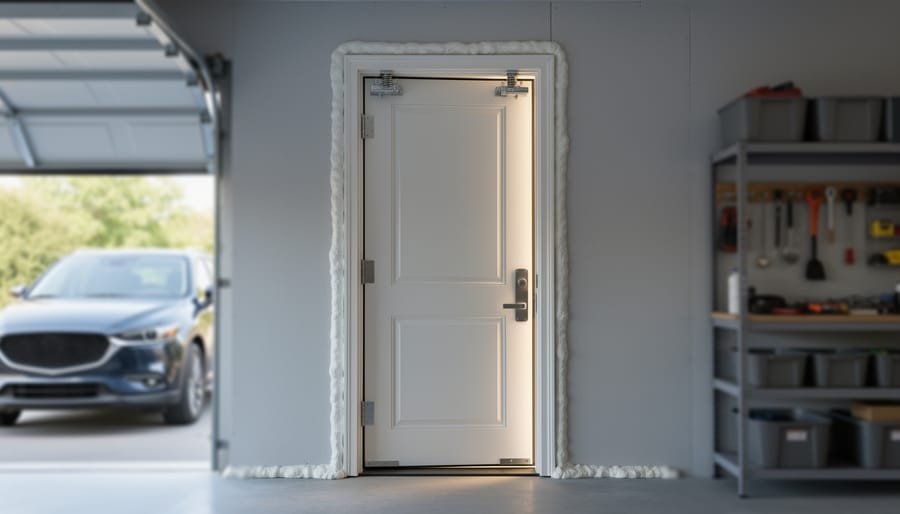
Planning an enclosed carport attached to your home means getting fire separation right from day one. This critical safety feature could mean the difference between containing a small fire and losing your entire home, yet many homeowners discover compliance issues only when selling their property or filing insurance claims.
Fire separation requirements exist because attached carports create a direct pathway for flames, smoke, and heat to travel into your living spaces. When a car catches fire or stored gasoline ignites, you need specific barriers protecting your family. The good news? Understanding these requirements now saves thousands in retrofitting costs and provides genuine peace of mind.
Whether you’re converting an existing carport, adding a new enclosed structure, or buying a home with an attached carport, three main elements determine your safety: the wall materials between the carport and house, the door connecting these spaces, and proper ventilation to prevent carbon monoxide buildup. Most building codes require fire-rated drywall, self-closing doors, and sealed penetrations, but specifics vary by location.
This guide walks you through exactly what fire separation means in practical terms, how to verify your current setup meets standards, and what steps to take for new construction. You’ll learn to spot red flags, ask contractors the right questions, and ensure your enclosed carport protects rather than endangers your home. Real homeowners share their experiences navigating inspections, upgrades, and the surprising ways proper fire separation adds property value beyond just safety compliance.
Why Fire Separation Matters for Your Attached Carport
The Real Risk: How Garage Fires Threaten Your Home
Understanding the fire risks associated with attached carports isn’t about fear-mongering—it’s about making informed decisions for your family’s safety. According to the National Fire Protection Association, garage fires account for thousands of home fires annually, with attached structures posing particular danger because flames can spread directly into living spaces within minutes.
Consider the common scenario: Sarah stored paint thinner and old rags in her attached carport after a weekend project. A small electrical spark from an aging outlet ignited the fumes, and within eight minutes, fire had breached the interior wall into her kitchen. Her story isn’t unique.
The most frequent culprits? Gasoline-powered equipment like lawnmowers and generators, discarded batteries, overloaded electrical circuits, and improper storage of flammable liquids. Even that innocent-looking space heater or charging golf cart can become an ignition source.
What makes attached carports particularly risky is their dual nature—they’re part of your home’s footprint yet often treated like detached outbuildings. Without proper fire separation measures, you’re essentially inviting potential disaster to share a wall with your family room. The good news? Understanding these risks is your first step toward creating a truly safe enclosed carport.
What Building Codes Are Trying to Protect You From
Building codes aren’t red tape designed to complicate your life—they’re safety nets protecting your home and family from real dangers. When it comes to attached carports, the primary concern is fire spread. Think about it: your carport houses vehicles with fuel tanks, possibly gasoline cans, and other flammable materials. If a fire starts there, you want to make sure it doesn’t race into your living spaces while your family is sleeping.
Fire-rated separation requirements exist because fires can spread frighteningly fast through unprotected walls and ceilings. A proper fire barrier buys you precious time—typically 30 to 60 minutes—to get everyone out safely and for firefighters to arrive. These codes were written in response to actual tragedies where families lost homes or worse because attached structures lacked adequate protection.
The good news? Meeting these requirements isn’t complicated or prohibitively expensive when you understand what’s needed. Most solutions involve straightforward materials like fire-rated drywall and self-closing doors—practical additions that blend seamlessly into your design while providing invisible protection you’ll hopefully never need but will always appreciate having.
Understanding Fire Separation Requirements for Enclosed Carports
Fire-Rated Walls: Your First Line of Defense
When you’re building or renovating an enclosed carport attached to your home, fire-rated walls become your family’s safety net. Think of them as a protective barrier designed to slow down fire and smoke, giving everyone precious extra minutes to escape if the worst happens.
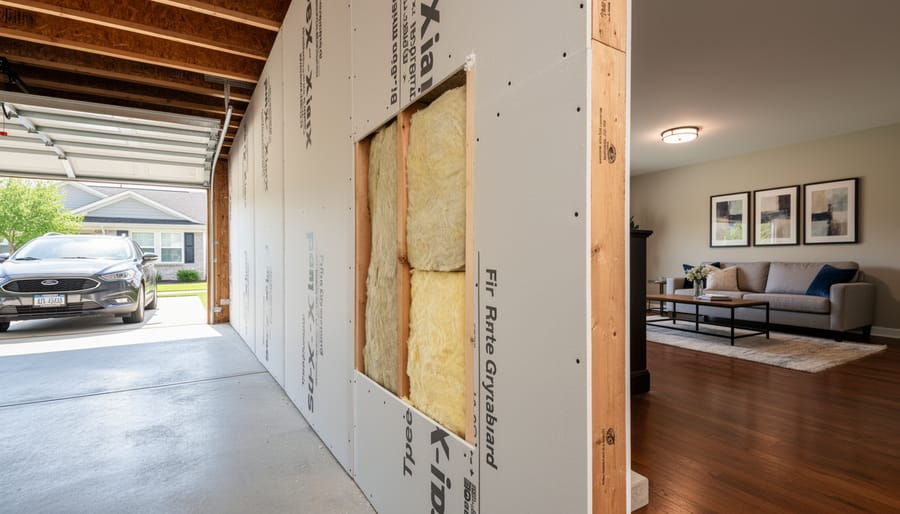
Fire-rated drywall, commonly called Type X, is specially manufactured with glass fibers and other additives that help it resist fire better than standard drywall. The most common requirement you’ll encounter is 5/8-inch Type X drywall, which typically provides a one-hour fire rating. This might seem like a small detail, but it makes a significant difference in real emergencies.
You’ll need to install these fire-rated walls on any surface separating your carport from your home’s living spaces. This includes the shared wall between the carport and interior rooms, the ceiling if there’s living space above, and even the door frame. Many homeowners discover during inspections that their existing carports weren’t built to these standards, which can create safety concerns and affect home insurance rates.
The good news? Installing fire-rated drywall isn’t dramatically different from standard drywall in terms of process, though you’ll want to keep your receipts and ensure the drywall is clearly marked as Type X for inspection purposes.
The Door Between Your Carport and Home
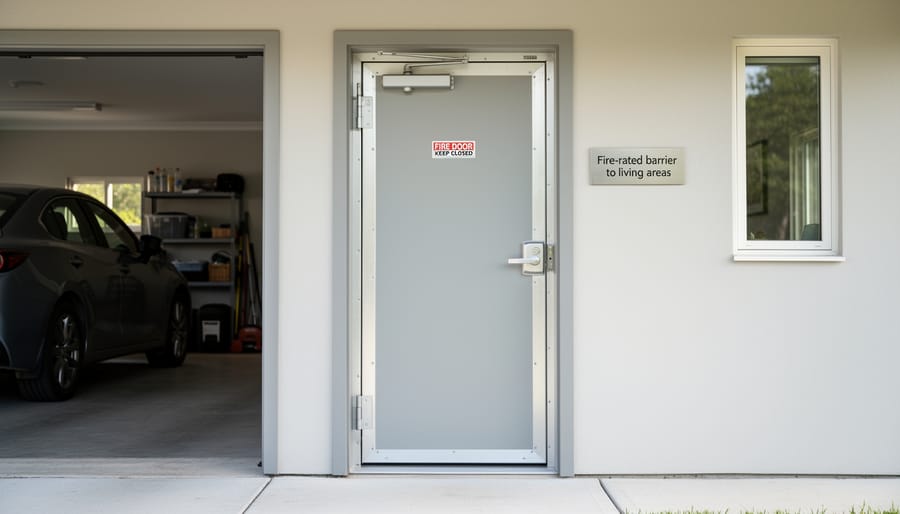
The door connecting your enclosed carport to your home isn’t just an entry point—it’s a critical fire barrier that protects your family. Building codes typically require this door to have either a 20-minute or 1-hour fire rating, depending on your local requirements and whether your carport includes a furnace or water heater.
When shopping for your entry door, look for one clearly labeled with its fire rating. These doors are constructed with materials that resist flames and prevent fire spread for the rated time period, giving your family precious minutes to escape in an emergency. The door should also include a self-closing mechanism—usually a spring-loaded hinge or automatic door closer—that ensures it never accidentally stays open.
Here’s a common problem homeowners face: adding weather stripping for energy efficiency. While this makes perfect sense for comfort and lower utility bills, make sure any weather stripping you install is specifically approved for fire-rated doors. Standard foam strips can actually compromise your door’s fire rating by preventing it from sealing properly during a fire. Many home improvement stores carry fire-rated weather stripping that gives you both protection and efficiency. One homeowner shared how their inspector caught non-compliant weather stripping during a final inspection—a simple fix that could have delayed their occupancy permit for weeks.
Ceiling and Attic Considerations
One area that catches many homeowners off guard is the ceiling and shared attic space between your house and enclosed carport. If your carport shares an attic or ceiling cavity with your home, fire codes typically require the same protection as your walls—usually a fire-rated barrier that extends all the way through the attic to the roof deck.
Think of it this way: fire and smoke travel upward, and an open attic space acts like a highway directly into your home. Sarah, a homeowner in Oregon, discovered this during her building inspection when the inspector found her contractor had installed fire-rated walls but left the attic completely open above them. She had to retrofit the entire ceiling area, adding significant cost to her project.
Pay special attention to any penetrations through your ceiling—things like electrical wiring, ductwork, or recessed lighting. Each opening needs proper fire-rated sealing, typically using special caulking or fire-stop materials. Even small gaps can compromise your protection.
If you’re converting an existing open carport, don’t assume your current ceiling meets fire separation standards. Have a qualified inspector evaluate whether you need additional fire-rated drywall or other protective measures. This proactive step prevents expensive surprises and, most importantly, keeps your family safe from potential fire hazards.
Common Fire Separation Mistakes Homeowners Make
Penetrations That Breach Your Fire Barrier
Even when your walls meet fire-rating requirements, small openings can compromise your entire fire barrier. Think of penetrations as tiny doorways for flames and smoke – electrical outlets, light switches, HVAC vents, and plumbing lines all create potential weak spots in your protective wall.
Here’s what commonly causes problems: Many homeowners don’t realize that standard outlet boxes and unsealed conduit passages allow fire to travel through walls surprisingly fast. One homeowner shared that during their building inspection, the inspector found six unsealed electrical penetrations that could have channeled fire directly into their living space.
The good news? Proper sealing is straightforward. Fire-rated caulk or expanding foam specifically designed for fire barriers fills gaps around pipes and wires. For electrical boxes, use fire-rated models or intumescent pads that expand when heated, sealing the opening. HVAC ducts require fire dampers that automatically close when temperatures rise.
Don’t overlook small details like recessed lighting or doorbell wiring. Every penetration needs attention. Your local building inspector can verify your sealing meets code requirements, giving you peace of mind that your family stays protected.
Door Modifications That Void Fire Protection
Even the best fire-rated door loses its protective ability when modified improperly. One of the most common mistakes homeowners make is installing pet doors, which create openings that allow smoke and flames to pass through. While convenient for your furry friends, these cutouts compromise the door’s integrity and violate fire codes.
Removing or disabling self-closing mechanisms is another frequent problem. That self-closer might seem like a nuisance when you’re carrying groceries, but it ensures the door automatically seals during a fire, containing smoke and buying precious escape time. Similarly, propping doors open with wedges or rocks defeats the entire purpose of fire separation.
Drilling holes for cables, installing non-approved weather stripping, or painting over the fire-rating label also void protection. One homeowner shared how their insurance claim was denied after a garage fire because they’d removed the original self-closer months earlier for convenience.
The solution? Keep fire-rated doors in their original condition. If modifications are absolutely necessary, consult with a fire safety professional who can recommend code-compliant alternatives that maintain your family’s safety.
Storage Habits That Increase Fire Risk
Smart storage habits can make the difference between a safe carport and a potential fire hazard. Keep flammable materials like gasoline, paint thinners, and aerosol cans in approved safety containers, and store them at least three feet away from any shared wall with your house. Never stack items against fire-rated walls, as this compromises their protective function.
Proper ventilation is essential for preventing dangerous fume buildup. Install vents near the roof line and ensure air can circulate freely throughout the space. One homeowner shared how installing a simple ventilation fan eliminated the gasoline smell that used to drift into their home.
Create designated zones in your carport: keep gardening supplies separate from automotive products, and always maintain clear pathways. Avoid storing cardboard boxes directly on the floor where they can accumulate moisture and become fire accelerants. Regular decluttering not only reduces fire risk but also makes your enclosed carport more functional for everyday use.
Planning Your Enclosed Carport: Fire Safety from the Start
Questions to Ask Before You Build or Buy
Before you start your enclosed carport project, asking the right questions can save you from expensive mistakes and safety hazards down the road. Start with your local building department to understand specific fire separation requirements in your area, as codes vary significantly by region. Ask about required fire ratings for walls, doors, and any penetrations between your carport and living space.
When interviewing contractors, request proof of licensing and insurance, and ask specifically about their experience with fire-rated construction. A qualified contractor should confidently explain fire separation techniques and material choices without hesitation. Don’t be shy about asking for references from similar projects.
Budget considerations matter too. Fire-rated materials like Type X drywall, fire-rated doors, and proper sealing products cost more than standard options, but they’re non-negotiable for safety and compliance. Ask your contractor for a detailed breakdown showing these specific items so you understand where your money goes.
Finally, clarify the inspection process upfront. Find out how many inspections you’ll need, what inspectors will check, and the timeline for approval. One homeowner shared how asking these questions early prevented a three-month delay when their inspector flagged improper fire separation that would have been simple to fix during initial construction.
Working with Contractors Who Know Fire Codes
Finding the right contractor can make or break your enclosed carport project. Start by asking potential contractors specific questions about fire-rated materials and local building codes for attached structures. A knowledgeable contractor should confidently discuss fire-resistance ratings, required clearances, and inspection schedules without hesitation.
Watch for red flags like contractors who downplay permit requirements or suggest “working around” code requirements to save money. One homeowner shared how their contractor initially proposed skipping the fire-rated drywall to cut costs, but a second opinion revealed this would violate local codes and create serious safety risks.
Always verify that your contractor pulls proper permits before work begins. This isn’t just bureaucratic paperwork; it ensures your project gets inspected at critical stages. Request copies of all permits and inspection certificates for your records. If a contractor seems reluctant to involve local building officials, consider it a major warning sign and find someone else who prioritizes safety and compliance.
Design Choices That Enhance Fire Safety
While meeting minimum code requirements keeps you legally compliant, going beyond the basics provides extra peace of mind. Consider installing a residential sprinkler system in your enclosed carport—yes, it’s an investment, but one homeowner in Colorado credits hers with stopping a small electrical fire before it spread to the main house. Interconnected smoke detectors are another smart upgrade, ensuring that if one alarm sounds in the carport, every detector throughout your home alerts your family simultaneously.
Strategic placement of fire extinguishers makes a real difference too. Mount one just inside the door leading from your carport to your home, and keep another in the carport itself near the vehicle area. Choose ABC-rated extinguishers that handle multiple fire types.
Layout decisions matter as well. Position your electrical panel and outlets away from stored flammables like gasoline or paint. Create dedicated storage zones with metal cabinets for hazardous materials, keeping them separate from your main workspace. Good lighting reduces fire risks by preventing accidental damage to electrical cords or gas cans. These thoughtful design choices transform your enclosed carport from merely code-compliant to genuinely safer for your family.
Maintaining Fire Separation in Your Existing Carport
Annual Safety Inspection Checklist
Making safety a priority means checking your enclosed carport regularly, and the good news is that most inspection tasks are totally DIY-friendly! Set aside a few hours each year to walk through these essential checkpoints.
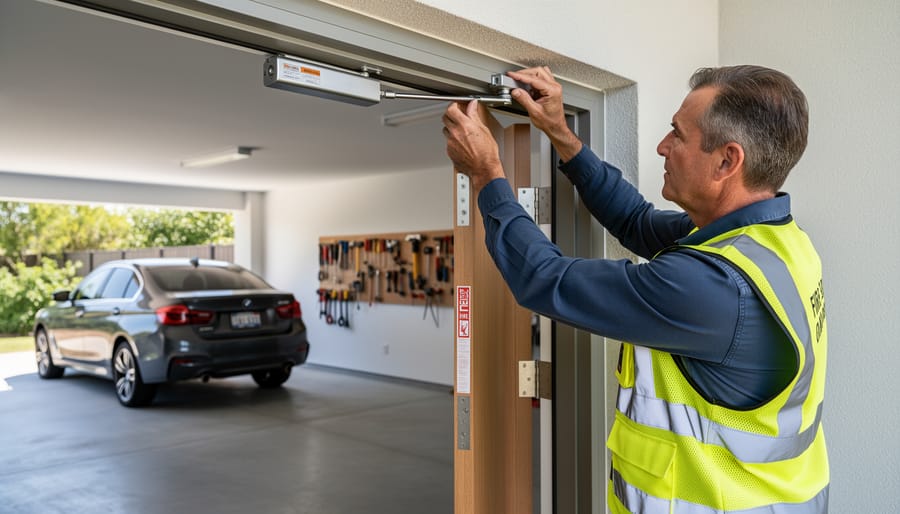
Start with door closers connecting your carport to the house. These should close the door firmly and completely within about seven seconds. If yours is sluggish or doesn’t fully latch, it’s time for adjustment or replacement. Next, examine all walls and ceiling surfaces for cracks, water stains, or damage that could compromise fire resistance. Pay special attention to the shared wall with your home.
Test your smoke detectors monthly by pressing the test button, and replace batteries annually. This simple habit has saved countless families from disaster. Carefully inspect all penetrations where wires, pipes, or vents pass through fire-rated walls. The fire-resistant sealant around these openings can crack or shrink over time, creating dangerous gaps. Touch up any compromised areas with approved fire caulk from your local hardware store.
One homeowner shared how their annual inspection revealed a cracked seal around their electrical conduit, allowing them to fix it before any problems arose. These straightforward checks take minimal time but deliver maximum peace of mind for your family’s safety.
When to Call in a Professional
While regular inspections are important, certain situations demand professional expertise. If you notice fire-rated drywall that’s cracked, water-damaged, or pulling away from the wall, it’s time to call a certified inspector. These materials lose their protective qualities when compromised, putting your home at risk.
Look for gaps or openings around doors, utility penetrations, or where the carport meets your house. Even small breaches can allow smoke and flames to spread rapidly. Sarah, a homeowner in Colorado, discovered unsealed electrical conduits during a routine check—her inspector found multiple code violations that previous owners had overlooked.
You’ll also want professional help if you’re planning renovations that involve the shared wall, installing new electrical or plumbing lines, or if local inspectors flag concerns during a home sale. Fire separation isn’t an area for DIY experimentation. A qualified contractor familiar with local building codes can assess your specific situation, recommend appropriate repairs, and ensure everything meets current safety standards. Think of it as protecting your family’s safety and your home’s value—both investments worth making correctly.
When you’re planning an enclosed carport attached to your home, proper fire separation isn’t just another item on a compliance checklist—it’s a meaningful investment in protecting what matters most. Your family’s safety and your home’s security deserve thoughtful attention during the design and construction process.
Think of fire separation as creating breathing room between your vehicle storage area and your living spaces. It’s the practical difference between a small garage fire being contained versus spreading into your home. Real homeowners who’ve taken the time to ensure proper fire-rated walls, doors, and ventilation consistently report the same benefit: peace of mind knowing they’ve done right by their families.
The good news is that achieving code-compliant fire separation doesn’t have to feel overwhelming. Whether you’re working with a contractor on new construction or evaluating your existing attached carport, the steps are straightforward. Start by understanding your local requirements, consult with experienced professionals when needed, and prioritize quality materials during installation.
Your enclosed carport can absolutely serve as functional, convenient storage while maintaining the safety barriers that protect your home. Taking action now—whether that’s scheduling an inspection, addressing gaps in fire separation, or simply learning more about what your structure needs—is a smart, responsible choice that pays dividends in both safety and peace of mind for years to come.