


Build a Shed That Actually Lasts (And Adapts When Your Needs Change)

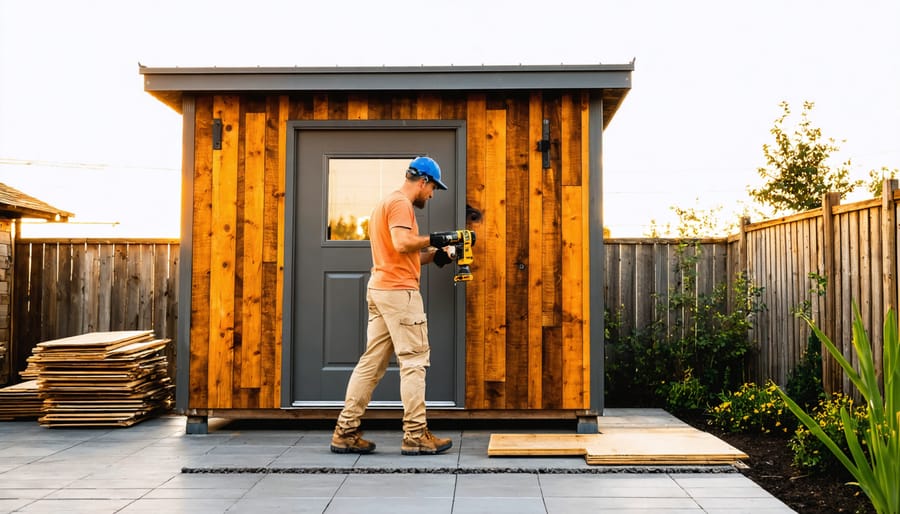
Design your shed around materials you can easily repair, replace, or repurpose when they reach the end of their first life. Choose modular components like interchangeable wall panels, removable shelving systems, and standardized fasteners that make upgrades simple without demolishing the entire structure. This approach saves you money over time and keeps perfectly good materials out of landfills.\n\nSelect reclaimed wood, recycled metal roofing, or FSC-certified timber that already has a sustainability story behind it. These materials often cost less than new alternatives while reducing your environmental footprint from day one. Look for suppliers who take back old materials for recycling or offer trade-in programs when you’re ready to update your shed’s components.\n\nBuild with disassembly in mind by using screws instead of nails, mechanical fasteners over adhesives, and clearly labeled connection points. This philosophy transforms your shed from a permanent fixture into an adaptable space that grows with your needs. When you move homes or no longer need storage, someone else can reinstall the same materials rather than sending them to a dump.\n\nPlan for multiple life cycles by choosing finishes and treatments that protect without permanently altering the base materials. Water-based stains, removable insulation panels, and snap-together flooring preserve the ability to separate and reuse components later. Your shed becomes an investment that maintains value through decades of use, offering flexibility that traditional construction simply can’t match.\n\n\n
What Circular Design Actually Means for Your Backyard Shed
\n\nCircular design might sound like a trendy buzzword, but for your backyard shed, it’s really about making smart choices that save you money and headaches down the road. At its heart, circular design means building something that’s made to last, easy to fix when things go wrong, simple to upgrade as your needs change, and straightforward to take apart at the end of its life so materials can be reused rather than tossed in a landfill.\n\nThink of it this way: instead of buying a shed that might fall apart in five years, you’re investing in one designed with your future in mind. When a panel gets damaged, you can replace just that section rather than the entire wall. Need more shelving? The design allows you to add it without major renovations. Planning to move? Many eco-friendly shed solutions can be disassembled and reassembled at your new property.\n\nThe real-world benefits are tangible. Sarah from Portland shared how her modular shed saved her hundreds when she needed to repair storm damage—she simply ordered replacement panels rather than calling in contractors for extensive work. And when her hobby went from gardening to woodworking, she upgraded her shed’s interior without starting from scratch.\n\nFrom a cost perspective, circular design is the opposite of cheap and disposable. You might pay slightly more upfront, but you’ll spend less over time because quality materials and thoughtful construction mean fewer repairs and replacements. Plus, there’s genuine satisfaction in knowing your shed isn’t contributing to the millions of tons of construction waste filling landfills each year. It’s practical sustainability that actually makes sense for your wallet and your conscience.\n\n\n
Why Design for Disassembly Changes Everything
\n\n
 \n
\n\n\n
Moving Without the Headache
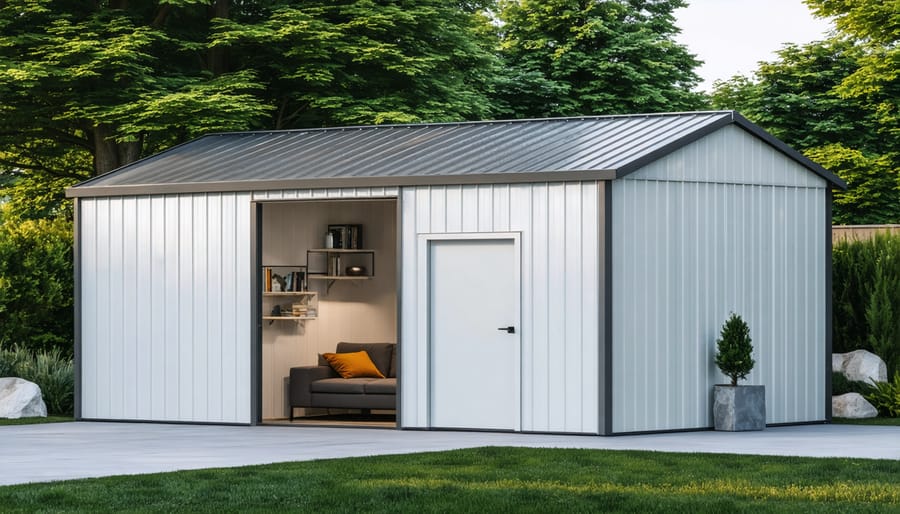
\n\nMoving house or redesigning your backyard doesn’t have to mean abandoning your shed. Disassemble-able sheds are game-changers when life’s plans shift. Picture this: Sarah renovated her garden last year and needed to relocate her 8×10 storage shed to the opposite corner. Instead of facing demolition costs or leaving it behind, she simply took it apart over a weekend and reassembled it in its new spot.\n\nThese clever designs use bolt-together construction rather than permanent fasteners, meaning every panel, beam, and fixture can be safely dismantled and rebuilt elsewhere. When you move homes, your shed investment moves with you, saving hundreds on replacement costs. The modular approach also means you can upgrade or expand sections over time rather than starting from scratch. It’s sustainable storage that adapts to your changing needs, not the other way around.\n\n
Repair One Part, Not the Whole Shed
\n\nWhen a panel gets damaged or a door hinge breaks, you don’t need to replace your entire shed. Circular design means fixing what’s broken rather than starting from scratch—and that’s great news for your wallet. Many quality sheds are built with modular components that allow you to swap out individual panels, replace a single roof section, or update just the door. This targeted repair approach can save hundreds of dollars compared to buying a whole new structure. Plus, keeping replacement parts means less waste heading to landfills. If you’re handy with repairs, consider exploring shed upcycling projects that transform damaged sections into something entirely new for your yard.\n\n
Grow Your Shed as Your Needs Grow
\n\nLife changes, and your storage needs change with it. That’s the beauty of modular shed design – it grows alongside you. Instead of buying a whole new shed when you run out of space, circular design lets you simply add sections or reconfigure what you already have.\n\nThink of it like building blocks for adults. Start with a compact 8×10 shed for garden tools, then attach an extra bay when your hobby collection expands. Many homeowners love this flexibility – one customer began with a basic workshop shed and later added a greenhouse attachment when they discovered their green thumb.\n\nModular panels, stackable storage units, and expandable frameworks mean you’re never locked into one layout. Need more vertical storage this year but floor space next year? Rearrange it. This adaptability saves money, reduces waste, and means your shed investment keeps delivering value for decades. Plus, you avoid the hassle and expense of demolishing and replacing an outgrown structure.\n\n\n
Smart Material Choices That Make Reuse Possible
\n\n
 \n
\n\n\n
Metal Sheds: Built to Bolt and Unbolt
\n\nMetal sheds are circular design champions because they’re built with bolts, screws, and brackets rather than permanent adhesives or welds. This means you can take them apart panel by panel when it’s time to move, upgrade, or recycle the materials. One homeowner told us she dismantled her metal shed in an afternoon when relocating and reassembled it at her new property the next weekend—saving hundreds on a replacement.\n\nWhen shopping for a metal shed, check the connector types. Look for galvanized bolts and hex screws that won’t rust and can be removed repeatedly without stripping. Quality metal sheds use interlocking panel systems with visible fasteners, making repairs straightforward. If a panel gets damaged, you simply unbolt it and replace that single piece rather than patching or replacing the whole structure. The key is choosing models where every connection point is accessible and reversible, giving you complete control over your shed’s lifecycle.\n\n
Wood Sheds: Choosing Sustainable Timber That Lasts
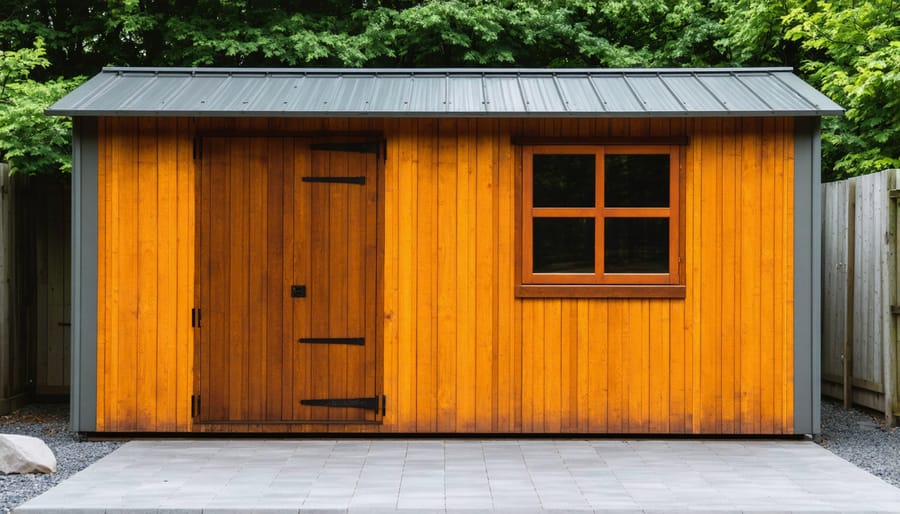
\n\nWhen choosing timber for your wood shed, prioritize FSC-certified or reclaimed wood—these sustainable building materials ensure forests are managed responsibly while delivering exceptional durability. Cedar and redwood naturally resist rot and insects, meaning less chemical treatment and longer life spans.\n\nHere’s where circular design really shines: use screws, bolts, and traditional joinery instead of glue or nails. One homeowner told us she completely dismantled her cedar shed after ten years to relocate it—every board was reusable because nothing was permanently bonded. This approach means easy repairs too. When a panel gets damaged, simply unfasten and replace that single piece rather than rebuilding entire sections.\n\nLook for tongue-and-groove boards or lap joints that interlock mechanically. These reversible connections maintain structural integrity while keeping future modifications simple. You’re not just building a shed—you’re creating a resource bank of quality timber that can adapt as your needs change.\n\n
Plastic and Vinyl: The Lightweight Reuse Champions
\n\nModern plastic and vinyl sheds are surprisingly smart choices for circular design. Their modular construction means you can often swap out damaged panels instead of replacing the entire structure – a real money-saver if a branch falls during a storm or a panel cracks over time.\n\nThese lightweight materials require minimal foundation work, making installation straightforward for DIY enthusiasts. Many homeowners appreciate being able to relocate their plastic shed to a new spot in the yard without hiring professionals or dismantling everything permanently.\n\nThe recyclability question deserves attention, though. High-quality resin sheds often use HDPE plastic, which recycling facilities can process. Before purchasing, check whether your manufacturer offers take-back programs or uses recycled content in their products – many now incorporate 30-50% post-consumer materials.\n\nOne homeowner shared that her resin shed withstood fifteen years of coastal weather with just occasional cleaning, proving durability doesn’t require heavy materials. When shopping, look for UV-stabilized plastic that won’t fade or become brittle, ensuring your shed stays functional and attractive for decades rather than becoming waste after just a few seasons.\n\n\n
Connection Methods That Let You Take It All Apart
\n\n
Mechanical Fasteners: Your Best Friend
\n\nWhen you’re building with longevity in mind, mechanical fasteners like bolts, screws, and clips are absolute game-changers. Unlike nails or glue, these fasteners allow you to take things apart later without damaging your materials. Think about it: if a panel gets damaged or you want to reconfigure your shed layout in five years, you can simply unscrew the pieces rather than prying them apart with a crowbar.\n\nOne homeowner shared how using bolts instead of nails for their shed shelving meant they could easily remove and relocate shelves as their storage needs changed. The lumber stayed intact and reusable throughout multiple configurations. This is circular design in action, keeping materials in use for as long as possible.\n\nMechanical fasteners also make repairs straightforward. When something breaks, you can replace just the affected component rather than the entire assembly. Screws and bolts are particularly forgiving if you make a mistake during installation, too. You can adjust, remove, and reposition without creating new holes or compromising structural integrity.\n\nThe beauty of this approach is that it doesn’t require special skills or expensive tools. A basic drill and wrench set will handle most projects, making this an accessible choice for any DIY enthusiast committed to sustainable building practices.\n\n
Modular Panel Systems That Click Together
\n\nOne of the smartest features of circular design is the modular panel system that clicks together without fuss. Think of it like adult building blocks for your shed. These interlocking panels use clever tongue-and-groove connections or snap-fit joints that eliminate the need for permanent fasteners or special tools.\n\nThe beauty here is twofold. First, assembly becomes a weekend project rather than a construction ordeal. Many homeowners report putting together panel-based sheds in just a few hours with minimal help. Sarah from Bristol shared that she assembled her modular garden shed with just her teenage son, saying “the panels lined up perfectly and clicked into place – no frustration, no arguments!”\n\nSecond, and equally important for sustainability, these systems make disassembly just as simple. Need to move house? Relocate your shed to a sunnier spot? Replace a damaged panel? The click-together design means you can take it apart panel by panel, transport or repair what’s needed, and reassemble without losing structural integrity. This extends your shed’s lifespan significantly and prevents unnecessary waste. When a traditional shed deteriorates, it often heads straight to the landfill. With modular panels, you’re investing in flexibility and long-term value while keeping materials in use for decades.\n\n\n
Foundation and Anchoring for Sheds That Move
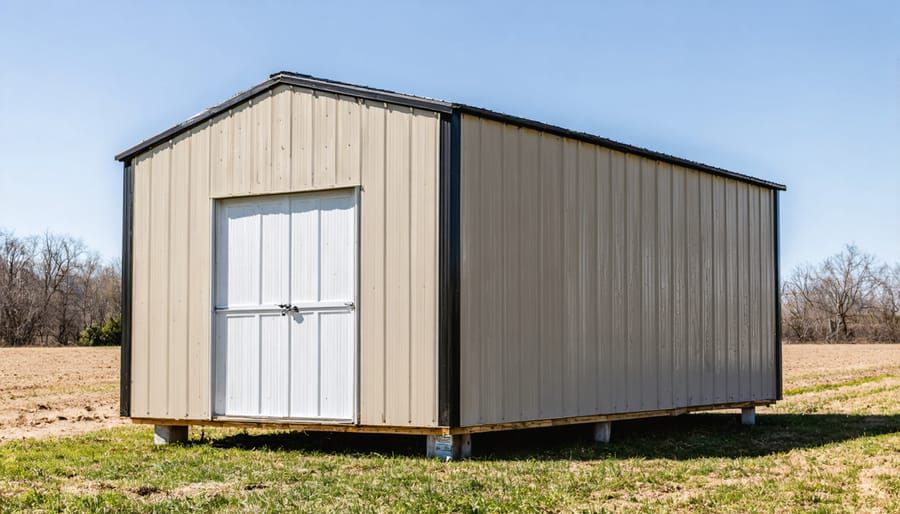
\n\nWhen you’re choosing a shed that might need to move with you—whether you’re renting, planning to relocate, or just value flexibility—traditional concrete foundations aren’t your friend. The good news? Modern foundation systems offer excellent stability while keeping your options open.\n\nAdjustable pier blocks are a game-changer for moveable sheds. These stackable concrete or composite blocks let you level your shed perfectly on uneven ground, and they require no digging or permanent installation. Simply place them at key support points, adjust the height as needed, and your shed sits securely without being tied down forever. One homeowner shared how she moved her 10×12 shed twice in five years using the same pier blocks—no foundation rebuild required.\n\nGravel pads paired with ground anchors provide another smart solution. Spread a 4-6 inch gravel base for drainage and stability, then use removable auger-style anchors that screw into the ground. These anchors keep your shed secure during storms but unscrew easily when it’s time to relocate. They’re particularly effective in areas with high winds or soft soil.\n\nSkid foundations deserve special mention for their mobility. By building your shed on treated wooden runners, you create a built-in moving system. The skids distribute weight evenly and allow you to drag or lift the entire structure with minimal effort. Add temporary ground stakes through pre-drilled holes in the skids for seasonal stability.\n\nFor those committed to sustainability, earth-friendly foundation options combine environmental responsibility with practical flexibility. These methods protect your investment while respecting both your property and future plans—because the best foundation is one that works today and adapts to tomorrow.\n\n
 \n
\n\n\n\n
Real-World Examples: Circular Design in Action
\n\nReal-world homeowners are discovering that circular design isn’t just good for the planet—it’s incredibly practical for everyday life. Take the Johnson family from Oregon, who relocated their modular shed three times over eight years. When they first bought their property, they placed their 10×12 storage shed near the house. Two years later, they expanded their vegetable garden and simply unbolted the shed and moved it to the back corner of their lot. After another renovation, they relocated it once more without needing to purchase new materials or hire expensive contractors. “We saved thousands compared to building new each time,” Sarah Johnson explains. “The shed moved with our changing needs.”\n\nIn Texas, Mike Rodriguez turned his circular design shed into a teaching moment for his teenage kids. When his growing family needed more space, he worked with his children to disassemble one wall panel, extend the foundation, and add an extra section. “The whole shed was designed with standard fasteners and clearly marked components,” Mike shares. “It felt like advanced LEGO for adults, and my kids learned valuable construction skills.”\n\nMeanwhile, Lisa Chen in Washington faced a common problem when storm damage affected one corner of her shed. Instead of replacing the entire structure, she ordered a single replacement panel and swapped it out in an afternoon. The damaged panel didn’t go to waste either—she incorporated the usable lumber into raised garden beds, embracing smart recycling and reuse principles.\n\nThese stories highlight what makes circular design so appealing: flexibility, cost savings, and reduced waste. Homeowners appreciate knowing their investment adapts to life’s changes rather than becoming obsolete. Whether relocating, expanding, or repairing, circular design puts control back in your hands.\n\n\n
Your Circular Shed Checklist: What to Look For
\n\nReady to embrace circular design for your new shed? Use this handy checklist to make sure you’re investing in a truly sustainable, long-lasting structure that benefits both your property and the planet.\n\nStart with materials. Look for sheds made from responsibly sourced timber with FSC certification, or better yet, reclaimed wood that’s already had a previous life. Metal sheds should feature recyclable steel or aluminum. Ask about the origin of materials and whether any recycled content is included. Natural, non-toxic finishes are a must if you want to avoid harmful chemicals that complicate eventual recycling.\n\nCheck the connection methods next. Are components bolted together rather than glued or permanently fixed? This might seem like a small detail, but it makes all the difference when you need to repair a single panel or eventually disassemble the shed. Modular designs with standardized parts score extra points since you’ll have an easier time finding replacements down the road.\n\nDon’t forget documentation. A quality circular shed should come with clear assembly instructions, repair guides, and details about where to source replacement parts. Keep these in a safe place along with your warranty information. Some manufacturers even provide take-back programs for end-of-life materials, which is worth asking about.\n\nThink about future adaptability too. Can you easily add shelving? Will the structure accommodate ventilation upgrades or lighting additions? A shed that grows with your changing needs avoids the wasteful cycle of demolishing and rebuilding.\n\nFinally, consider local climate conditions. Choosing designs suited to your weather patterns means fewer repairs and longer life, which is the ultimate goal of circular design.\n\n\nCircular design isn’t just a buzzword for eco-warriors – it’s a genuinely smart approach that makes life easier for homeowners like you. When you choose a shed built with circular principles, you’re not just being kind to the planet. You’re investing in something that adapts as your needs change, whether that’s converting storage space into a workshop or adding shelving as your collection grows. The money you save through reduced maintenance, longer lifespan, and the ability to repair rather than replace adds up significantly over the years. One homeowner told us how their modular shed design allowed them to expand their space without starting from scratch, saving thousands compared to buying a completely new structure. The beauty of circular design is that it solves those frustrating real-world problems – like dealing with damage or running out of space – while also reducing waste. It’s practical sustainability at its best, giving you flexibility and peace of mind knowing your investment will serve you well for decades to come.