


How to Make Your Outdoor Storage Work in Any Weather

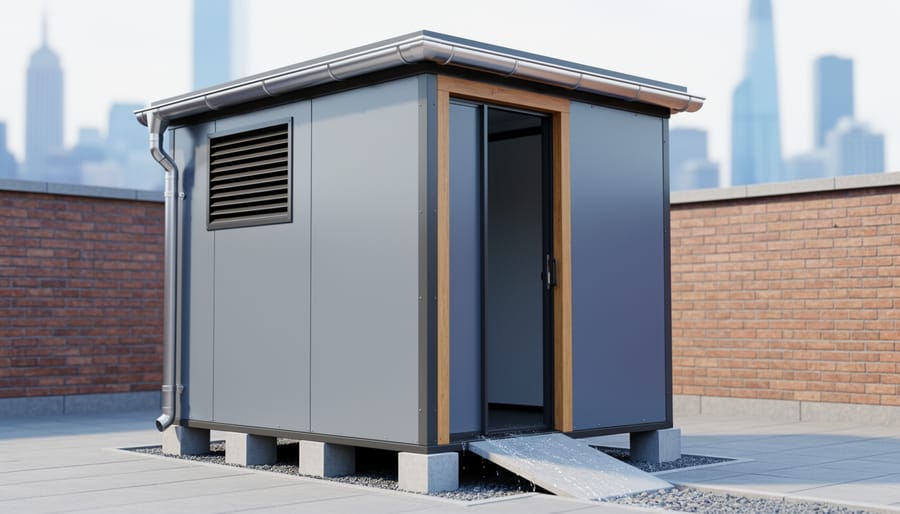
Weatherproof your outdoor storage by applying silicone-based sealant to all joints, seams, and potential entry points where moisture penetrates—focus especially on roof edges and door frames where water damage typically begins. Install proper ventilation systems using ridge vents or louvered panels to prevent condensation buildup that causes mold, rust, and wood rot in enclosed spaces. Elevate your structure on concrete blocks or a raised foundation to prevent ground moisture from seeping through floors and creating damp conditions that compromise stored items.\n\nUrban environments present unique challenges that require strategic seasonal storage solutions. City microclimates, reflected heat from surrounding buildings, limited sun exposure, and increased pollution accelerate wear on outdoor structures. Position your shed or gazebo to maximize natural drainage away from walls, ensuring rainwater flows freely without pooling around the base. Add weather stripping to doors and windows to block drafts, dust, and moisture intrusion during storms.\n\nYour outdoor storage investment deserves protection from harsh weather conditions. Simple adaptations like applying UV-resistant coatings, installing gutter systems, and using moisture-absorbing products inside create lasting durability. These practical modifications prevent costly repairs and extend your structure’s lifespan while keeping your belongings safe and dry year-round.\n\n\n
Why Urban Environments Challenge Your Outdoor Storage
\n\n
 \n
\n\n\n
Heat, Humidity, and Your Shed’s Worst Enemy
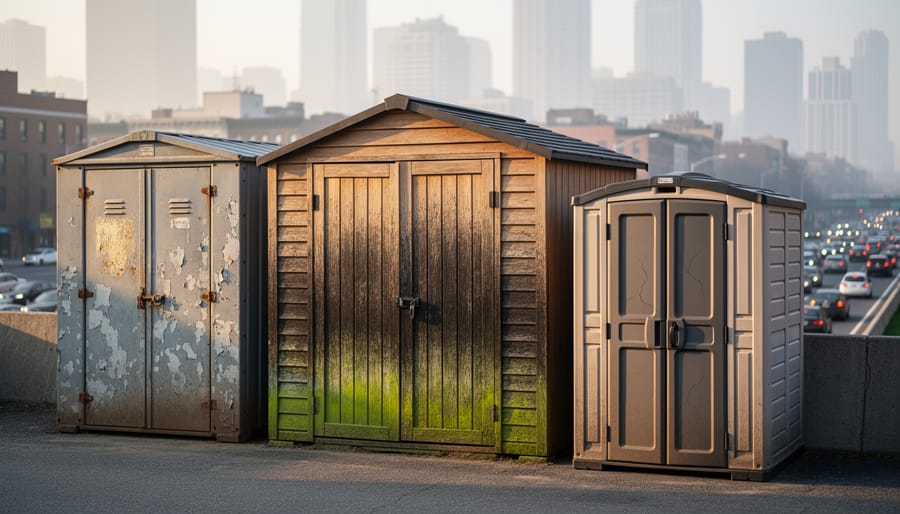
\n\nYour shed faces a constant battle against Mother Nature, and heat combined with humidity creates a particularly troublesome duo. When temperatures soar during the day and drop at night, materials expand and contract repeatedly. This cycle causes wooden panels to warp and crack, while metal components can buckle over time. The real villain, though, is moisture buildup that occurs when warm, humid air meets cooler surfaces inside your shed.\n\nThis condensation problem becomes especially pronounced in urban environments where concrete surroundings radiate stored heat well into the evening. The result? Wooden structures develop mold and mildew that compromise both strength and appearance. Metal sheds aren’t immune either – rust forms quickly on untreated surfaces, weakening joints and fasteners. Even your stored items suffer, with tools developing surface rust and cardboard boxes turning musty within weeks.\n\nOne homeowner in Atlanta shared how she lost an entire collection of garden supplies to mold before installing proper ventilation. The lesson here is clear: understanding how temperature swings and moisture interact with your shed’s materials is the first step toward protecting your investment and everything inside it.\n\n
Urban Pollution and Material Degradation
\n\nCity environments present unique challenges for outdoor storage that many homeowners don’t anticipate until damage appears. Air pollution, particularly in urban areas, creates a cocktail of harmful substances that gradually break down storage materials. Acid rain, caused by industrial emissions and vehicle exhaust, can corrode metal components, fade painted surfaces, and weaken plastic panels over time. Even on dry days, airborne particles settle on your shed’s roof and walls, trapping moisture against surfaces and accelerating deterioration.\n\nOne homeowner in Chicago shared how their metal shed developed rust spots within two years, despite being marketed as weather-resistant. The culprit? Industrial fallout from nearby factories combined with moisture. The solution involved applying a protective sealant twice yearly and installing gutters to prevent water pooling.\n\nDifferent materials respond differently to urban pollutants. Wood absorbs acidic compounds, leading to premature rot. Metal oxidizes faster. Plastic becomes brittle and discolored. Regular cleaning with mild soap removes harmful deposits before they cause lasting damage. Consider adding ventilation to reduce moisture buildup and applying UV-resistant coatings to shield surfaces from both sun and chemical exposure.\n\n\n
Adapting Your Shed to Handle Rain and Moisture
\n\n
Foundation and Drainage Solutions That Actually Work
\n\nA solid foundation is your first line of defense against water damage and structural issues. Before installation, assess your yard’s natural slope and drainage patterns. Water should always flow away from your shed, not toward it.\n\nStart with a proper base. Level the ground and consider a gravel pad at least 4-6 inches deep, extending beyond your shed’s footprint by several inches on all sides. This creates excellent drainage while preventing ground moisture from wicking into wooden floors. For extra protection, lay landscape fabric beneath the gravel to prevent weed growth and soil mixing.\n\nPay special attention to grading around your shed. The ground should slope away at least one inch per foot for the first six feet. This simple step prevents water pooling that can undermine foundations and cause rot.\n\nInstall gutters and downspouts to channel roof runoff away from the structure. Direct downspouts at least four feet from the foundation using splash blocks or flexible drainage pipes. In urban settings where space is tight, consider a French drain system to manage water effectively.\n\nOne homeowner shared that after installing proper drainage, their recurring floor dampness issue disappeared completely. The investment in good groundwork pays off by extending your shed’s lifespan and protecting everything inside from moisture damage.\n\n
 \n
\n\n\n
Weatherproofing Your Shed’s Exterior
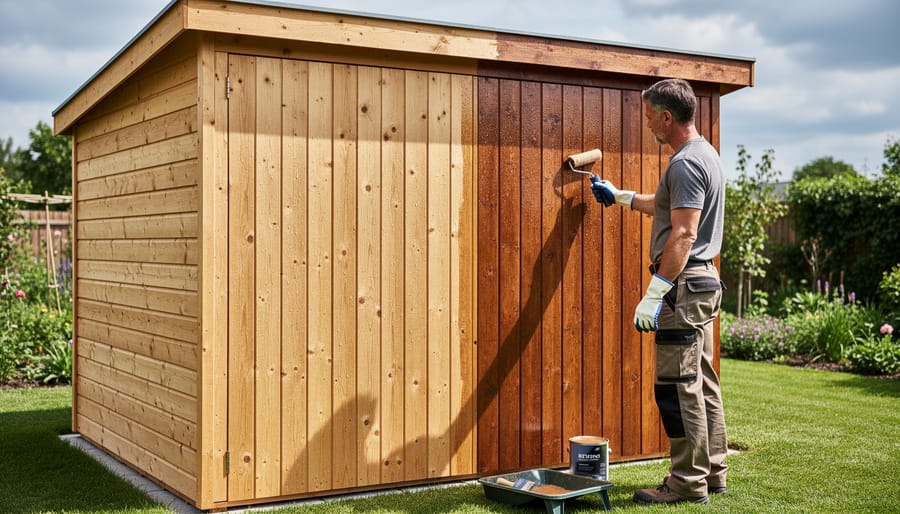
\n\nProtecting your shed from rain damage starts with understanding your shed’s material. For wood sheds, begin by inspecting for cracks or gaps where water might seep in. Apply a high-quality wood sealant or waterproof stain annually, paying special attention to joints and the base where moisture accumulates. Products like Thompson’s WaterSeal or Olympic Maximum offer excellent protection and are easy for DIYers to apply.\n\nMetal sheds benefit from rust-prevention treatments. Clean the surface thoroughly, then apply a rust-inhibiting primer followed by exterior-grade metal paint. Check for scratches or chips regularly, as these are entry points for moisture.\n\nVinyl sheds require less maintenance but still need attention. Clean annually with mild soap and water, then apply a UV protectant to prevent cracking. Inspect seams and apply silicone caulk where needed.\n\nRegardless of material, invest in quality weatherproof enclosures for vulnerable areas like vents and windows. Sarah from Portland shares her experience: “After treating my wood shed with sealant every spring, I haven’t had a single leak in three years, even during our heavy rain seasons.”\n\nDon’t forget the roof, your shed’s first line of defense. Replace damaged shingles promptly and ensure gutters direct water away from the foundation.\n\n
Interior Moisture Control Tips
\n\nKeeping your shed’s interior dry protects your belongings from mold, rust, and deterioration. Start with proper ventilation by installing roof vents or small louvered openings near the roofline, which allow hot, moist air to escape naturally. For urban sheds in humid climates, a small electric dehumidifier can work wonders—just remember to empty it regularly or set up a drain hose.\n\nConsider installing a vapor barrier on interior walls, especially if you’re storing sensitive items like electronics or documents. Simple 6-mil plastic sheeting works well and costs just pennies per square foot. Many homeowners report success with moisture-absorbing products like silica gel packets or rechargeable dehumidifier containers placed on shelves.\n\nDon’t forget the floor! Elevate stored items on pallets or shelving units to prevent direct contact with potentially damp concrete or wooden floors. This simple solution has saved countless gardening supplies and seasonal decorations from water damage during unexpected humidity spikes.\n\n\n
Sun Protection and Heat Management
\n\n
Choosing UV-Resistant Materials and Coatings
\n\nWhen selecting materials for your urban shed, think of it as choosing sunscreen – some materials naturally shield better than others. Cedar and redwood are nature’s sun-blockers, containing oils that resist UV degradation while developing that beautiful silvered patina over time. Vinyl and resin sheds already have UV inhibitors baked right into their composition, making them particularly low-maintenance options for city dwellers.\n\nFor metal sheds, galvanized steel with factory-applied protective coatings offers excellent durability. These powder-coated finishes create a barrier against both UV rays and urban pollutants that can accelerate deterioration.\n\nIf you’re working with an existing wooden shed, marine-grade spar varnish or UV-blocking sealers provide serious protection. One homeowner in Phoenix shared how applying a quality UV-resistant stain every three years kept her storage shed looking fresh despite intense desert sun – a simple routine that added years to its lifespan.\n\nThe key is matching your material choice to your maintenance comfort level. While natural wood requires regular care, modern composite materials might cost more upfront but demand minimal attention. Consider your climate’s intensity and how much time you can realistically dedicate to upkeep when making your selection.\n\n
Cooling Solutions for Hot Summer Months
\n\nUrban summers can turn your shed into an oven, but smart cooling strategies make all the difference. Start with proper ventilation by installing ridge vents or gable vents near the roofline, allowing hot air to escape naturally. Cross-ventilation is your best friend—position vents on opposite walls to create airflow that pulls cooler air through the structure.\n\nLocation matters tremendously. If you’re planning a new shed, choose a spot with afternoon shade from trees or buildings. For existing structures, consider planting fast-growing shade trees on the south and west sides. One homeowner in Phoenix shared that adding a simple awning over her shed door dropped interior temperatures by 15 degrees.\n\nReflective roofing makes a remarkable impact. Light-colored metal roofs or reflective coatings bounce sunlight away rather than absorbing heat. You can apply reflective paint to existing roofs as a weekend project—it’s straightforward and delivers immediate results.\n\nInside, install foam board insulation between wall studs to keep heat at bay. Add weatherstripping around doors to prevent warm air infiltration. For extreme climates, battery-powered fans provide active cooling without complicated electrical work, keeping your stored items safe and your shed usable even during scorching summer days.\n\n\n
Wind and Storm Readiness for Urban Yards
\n\n
Anchoring Systems That Keep Sheds Grounded
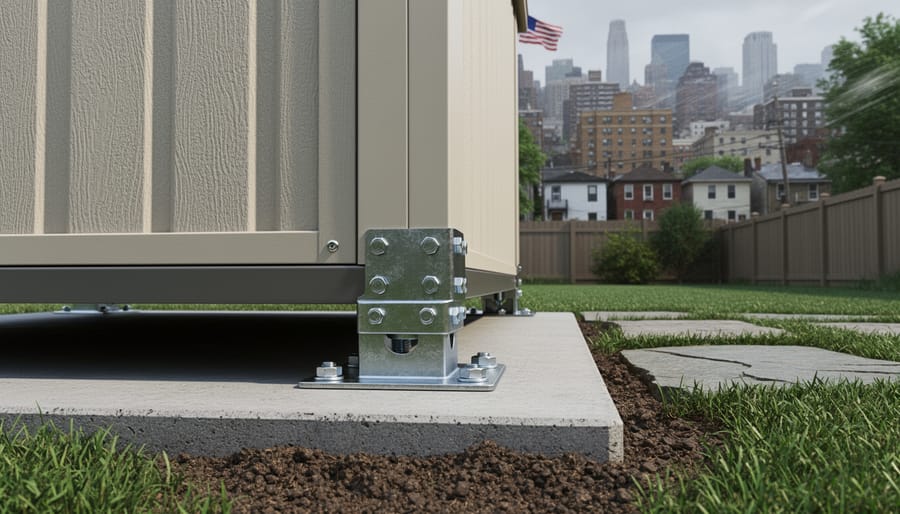
\n\nA solid anchoring system is your shed’s best defense against strong winds and shifting ground—something one homeowner learned after finding their storage unit tipped during a storm. The right method depends on your shed’s size and ground type.\n\nFor concrete foundations, anchor bolts embedded during pouring provide the strongest hold, ideal for larger sheds over 100 square feet. Gravel bases work well with auger-style anchors that screw deep into the soil beneath, offering flexibility and decent stability for mid-sized structures.\n\nFor soil installations, consider concrete expansion anchors if you have a wooden floor frame, or mobile home anchors driven at 45-degree angles for maximum grip. Sandy or loose soil benefits from wider anchor plates that distribute weight and prevent pulling through.\n\nUrban environments with limited space often mean working with existing surfaces. Masonry anchors can secure sheds to brick or concrete patios, while strap systems connected to buried deadman anchors work beautifully on grass without permanent alterations—perfect for renters seeking secure yet temporary solutions.\n\n
 \n
\n\n\n
Reinforcing Weak Points Before the Storm Hits
\n\nBefore severe weather arrives, take time to walk around your shed or outdoor storage structure with a critical eye. Start by examining doors and windows—these are your first line of defense. Check for gaps around frames where wind-driven rain might sneak through, and apply weatherstripping if needed. Test latches and hinges to ensure they’ll hold firm during strong gusts.\n\nYour roof edges deserve special attention since they’re particularly vulnerable to wind uplift. Look for loose shingles or flashing that could become projectiles in a storm. If you spot any movement when you gently tug on roof materials, secure them immediately with additional fasteners or roofing cement.\n\nDon’t overlook the foundation and base. Water pooling around your structure can lead to rot and instability over time. Ensure proper drainage by grading the surrounding soil away from your shed, and consider adding a small gravel perimeter to help water disperse quickly. These preventive measures cost little now but can save you from expensive repairs later.\n\n\n
Material-Specific Environmental Adaptations
\n\n
Making Metal Sheds Last Longer
\n\nMetal sheds offer durability, but they need protection from the elements to truly stand the test of time. Start with rust prevention by applying a quality metal primer before painting with rust-resistant exterior paint. Check regularly for scratches or chips in the coating and touch them up immediately, as these are entry points for moisture.\n\nInsulation makes a significant difference in temperature control and condensation prevention. Bubble foil insulation works wonderfully for metal structures and is easy to install yourself. Simply attach it to interior walls using adhesive tape or staples, leaving a small air gap for ventilation. This helps prevent the extreme temperature swings that cause condensation and eventual rust.\n\nFor coating, consider galvanized metal or apply a zinc-rich paint for superior corrosion resistance. One homeowner in Seattle shared how a simple annual inspection and touch-up routine kept her metal shed rust-free for over fifteen years, even in constant rain. Apply weatherproof sealant around all joints, seams, and fasteners to keep water out completely.\n\n
Protecting Wooden Sheds from the Elements
\n\nWooden sheds bring natural beauty to your outdoor space, but they need regular care to stand up to the elements. The good news? A little maintenance goes a long way in preventing costly repairs down the road.\n\nStart by treating your shed every two to three years, depending on your climate. Urban environments with higher pollution levels may require more frequent attention. When choosing between staining and painting, consider your priorities. Stain penetrates the wood, highlighting its natural grain while providing excellent moisture protection. It’s also easier to reapply since there’s no peeling to scrape off. Paint, however, offers a thicker protective barrier and more color options, though it requires more prep work for touch-ups.\n\nThe key to rot prevention is keeping moisture away from the wood. Ensure your shed sits on a proper foundation with adequate drainage, not directly on soil. Check regularly for cracks or gaps where water can seep in, especially around door frames and windows. Apply a water-repellent wood preservative to cut ends and high-risk areas before installing any trim or additions.\n\nOne homeowner in Seattle shared how annual inspections and quick repairs saved her garden shed from the region’s persistent rain, extending its life by over a decade.\n\n
Maintaining Plastic and Vinyl Structures
\n\nPlastic and vinyl structures offer excellent weather resistance, but they need regular care to prevent premature aging. Start with a simple cleaning routine every few months using mild dish soap and water—harsh chemicals can actually break down the protective coatings. A soft brush works wonders for textured surfaces where dirt accumulates.\n\nUV protection is your biggest ally against brittleness and fading. Apply a UV-protectant spray designed for plastics twice yearly, especially if your shed receives direct afternoon sun. One homeowner in Phoenix shared how this simple step extended her vinyl shed’s life by over five years in intense desert conditions.\n\nWatch for early warning signs of material breakdown: chalky residue on surfaces, small cracks appearing along edges, or panels becoming noticeably stiff. Catching these issues early means you can apply protective treatments before damage becomes irreversible.\n\nDuring extreme temperature swings common in urban areas, avoid leaning heavy items against walls—thermal expansion and contraction can cause permanent warping. A little preventive care keeps your synthetic structure looking great and functioning perfectly for many years ahead.\n\n\n
Real Homeowner Success Stories
\n\nMaria’s Chicago rooftop terrace presented a unique challenge when harsh winter winds damaged her first storage box within months. “I didn’t realize how exposed my shed would be to the elements,” she explains. After researching solutions, she installed wind anchors and added weatherstripping around all door edges. She also applied a UV-resistant sealant specifically designed for her area’s temperature swings. Two years later, her adapted storage unit has survived multiple polar vortexes without a scratch.\n\nIn Portland, James faced constant moisture issues in his backyard shed, with condensation ruining garden tools and equipment. “Everything was getting rusty, and I was at my wit’s end,” he shares. His solution combined proper ventilation with a raised foundation using concrete blocks to improve airflow underneath. He also installed solar-powered vents in the roof and used moisture-absorbing products inside. The transformation was remarkable – his tools now stay dry year-round, even during Oregon’s wettest months.\n\nBrooklyn resident Sarah dealt with limited space and challenging concrete surfaces where traditional anchoring wasn’t possible. She opted for a modular storage system with weighted bases and attached reflective panels to combat intense summer heat bouncing off surrounding buildings. “The temperature inside dropped noticeably, and my stored items are finally protected,” she notes. Her creative adaptation shows that even the trickiest urban environments can accommodate effective outdoor storage.\n\n\nProtecting your outdoor storage from environmental challenges doesn’t have to be overwhelming. By taking proactive steps now, you’ll save yourself from costly repairs and replacements down the road. Whether you’re dealing with heavy rain, intense sun exposure, or urban pollution, the right adaptations can extend your storage’s lifespan by years.\n\nRemember the key takeaways: assess your local climate conditions first, choose appropriate materials for your environment, establish regular maintenance routines, and don’t skip waterproofing measures. Small investments in weather-resistant features today translate into significant savings tomorrow.\n\nTake a moment to walk around your property and evaluate your current outdoor storage situation. Are there signs of weather damage? Could better ventilation prevent moisture buildup? Would additional protective coatings help? Start with one improvement at a time rather than trying to tackle everything at once.\n\nThe good news is that most environmental adaptations are straightforward DIY projects that weekend warriors can accomplish with basic tools and materials. Your outdoor storage works hard to protect your belongings, so it deserves a little protection too. Why not schedule some time this weekend to give your shed or storage structure the weather-resistant upgrade it needs? Your future self will thank you.