


That Invisible Line on Your Property Could Stop Your Shed Project Dead

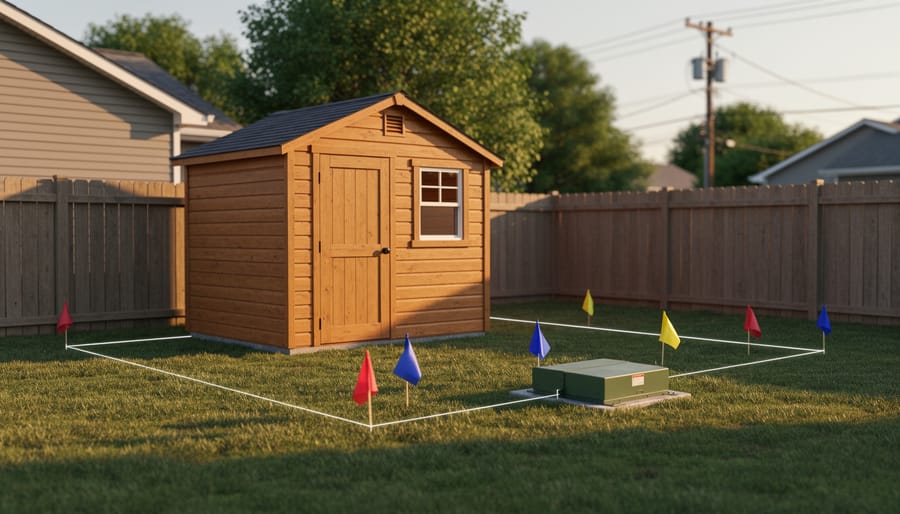
Picture this: You’ve found the perfect spot in your backyard for a new shed, measured the space, picked out your ideal design—only to discover you can’t build there because of an invisible property line restriction you never knew existed. This frustrating scenario happens to homeowners every day, and it’s completely avoidable.\n\nEasement lines are designated areas on your property where utility companies, municipalities, or neighbors retain legal rights to access or use the land. These boundaries might allow power companies to maintain electrical lines, let your city access sewer pipes, or provide your neighbor a pathway to their landlocked lot. While you still own the property, these strips of land come with serious restrictions on what you can build or plant there.\n\nThe challenge? Easements rarely have visible markers, yet violating them can lead to expensive consequences. Installing a shed over an easement line could result in forced removal, legal fees, and damaged utility lines—turning your dream storage solution into a financial nightmare.\n\nUnderstanding where easement lines exist on your property isn’t just about following rules; it’s about making smart, confident decisions for your home improvement projects. Before you invest in that beautiful new shed, knowing your property’s legal boundaries will save you time, money, and considerable headache. The good news is that finding this information is straightforward when you know where to look and what questions to ask.\n\n\n
What Exactly Are Easement Lines?
\n\n
 \n
\n\n\n
The Difference Between Property Lines and Easement Lines
\n\nThink of your property like a cake you own—you have the deed, you paid for it, and it’s yours. But an easement is like giving someone permission to walk through your kitchen to access their backyard. You still own that kitchen space, but you can’t block their path with a new island or refrigerator.\n\nProperty lines mark the outer boundaries of what you own—the edges of your entire “cake.” Easement lines, on the other hand, carve out specific corridors within your property where utility companies, neighbors, or municipalities have legal rights to access or maintain infrastructure. Picture invisible pathways running through your yard where power lines hang overhead or water pipes run underground.\n\nHere’s the tricky part: you can’t build a shed, fence, or permanent structure on an easement, even though it’s technically your land. While property line setback requirements tell you how far back to build from your boundaries, easements create additional no-build zones that might run right through the middle of your yard. Many homeowners discover this the hard way when they’re forced to relocate a freshly installed shed because it blocks utility access—an expensive mistake that’s completely avoidable with proper research beforehand.\n\n
Common Types of Easements That Affect Shed Placement
\n\nUnderstanding the different types of easements on your property can save you from headaches down the road. Utility easements are the most common, giving electric, gas, water, or cable companies the right to access underground or overhead lines. These typically run along property edges or through backyards, and placing your shed here could mean demolition if repairs are needed.\n\nDrainage easements allow water to flow across your property, often through swales or culverts. Building in these areas can redirect water flow, potentially flooding your neighbor’s yard or even your own shed. One homeowner learned this the hard way when spring rains turned their storage space into a swimming pool.\n\nAccess easements grant others the right to cross your property to reach their own land or public roads. These are less common but critical to respect, especially in rural areas or properties with shared driveways.\n\nConservation easements protect natural features like wetlands or woodlands. While rare in suburban settings, they strictly limit what you can build, ensuring environmental preservation for future generations.\n\n\n
Why Easement Lines Matter When Installing Sheds and Outdoor Structures
\n\n
Real Stories: When Easements Become Problems
\n\nLearning from others’ experiences can save you time, money, and headaches. Here are real situations where easements caught homeowners off guard.\n\nSarah from Ohio was thrilled about her new 10×12 shed until her utility company notified her it sat directly on a drainage easement. “I had no idea those lines on my property survey mattered so much,” she shares. “I ended up paying $1,800 to relocate the shed just six months after installation.”\n\nMike in Florida faced a different challenge. “We built a beautiful storage shed near our back fence, only to discover it blocked access to underground cable lines,” he explains. When repairs were needed, crews had to partially dismantle his structure. “The cable company had legal right to access their lines. I wish I’d checked first.”\n\nThen there’s Jennifer from Texas, who got lucky. “Before ordering my shed, I called 811 and discovered a water easement running through my ideal spot,” she says. “Moving my planned location by fifteen feet saved me from major problems down the road.”\n\nThese stories highlight why verifying easement lines before installation isn’t just smart—it’s essential for protecting your investment.\n\n\n
How to Find Your Property’s Easement Lines
\n\n
Check Your Property Survey and Deed
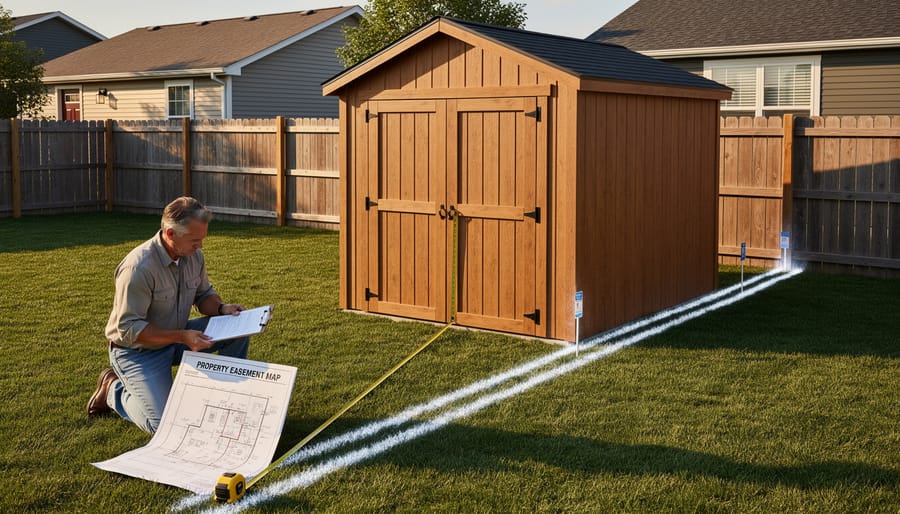
\n\nYour property survey and deed are the first places to check for easement information. The survey is a detailed map showing your property boundaries, existing structures, and marked easement locations with measurements. Your deed, meanwhile, lists legal easement rights and restrictions that affect your land.\n\nMost homeowners receive these documents at closing and store them with other important paperwork. Check your home files, safe deposit box, or contact your title company for copies. If you can’t locate them, visit your county recorder’s office or assessor’s website, where many records are now digitized and searchable online.\n\nLook for clearly marked utility easements, access rights, or drainage areas. These typically appear as dotted or shaded lines on surveys with specific width measurements. Sarah from Minnesota discovered a 10-foot drainage easement along her back fence line this way, saving her from placing her shed in a problematic spot. Understanding these details now prevents headaches later.\n\n
Contact Your Local Planning Department
\n\nYour local planning department is your best friend when it comes to easement questions. Before you call or visit, gather your property address and parcel number from your deed or tax records. When you connect with them, ask specifically about any utility, drainage, or access easements on your property. Request copies of the recorded easement documents and ask how far back from the easement line you need to stay when building. Many homeowners have found that a quick conversation saved them from placing their shed in a restricted area. Don’t hesitate to ask if there are any pending easements or planned utility expansions that might affect your plans. Most planning departments are incredibly helpful and want to prevent problems before they start. If possible, bring a simple sketch of your property showing where you’d like to place your shed so they can provide specific guidance.\n\n
Hire a Professional Surveyor
\n\nSometimes your own research hits a wall, and that’s when bringing in a professional land surveyor becomes invaluable. A licensed surveyor will locate and mark your exact easement lines with precision, giving you absolute confidence before installing your shed or other structures. They’ll provide you with an official survey document that can protect you legally if questions arise later.\n\nProfessional surveys typically cost between $400 and $1,000 depending on your property size and location complexity. While it’s an upfront investment, many homeowners find it’s money well spent compared to the potential costs of relocating a structure or facing legal issues. One homeowner shared that their $500 survey revealed an easement running through their planned shed location, saving them thousands in potential removal costs. If you’re planning a significant investment in your backyard storage solution, a professional survey offers peace of mind that your project is starting on solid, legal ground.\n\n
Look for Physical Markers and Utility Indicators
\n\nSometimes the easiest way to spot an easement is simply by walking your property and keeping your eyes open. Look for utility boxes, meter housings, or access panels that utility companies need to reach regularly. You might notice small concrete or metal markers along property lines with numbers or utility company names stamped on them. Overhead power lines, telephone poles, and underground cable markers are obvious indicators that easement rights exist in those areas.\n\nPay attention to paved or gravel pathways that seem out of place, as these often mark access routes for maintenance crews. Underground utilities serving your home and neighboring properties, including wells and septic systems, typically run through easement corridors. If you notice areas where grass grows differently or soil appears disturbed, this could indicate recent utility work within an easement zone. Taking photos of these physical markers helps you create a mental map before planning your shed placement, potentially saving you from future headaches.\n\n\n
Understanding Setback Requirements (And How They Work With Easements)
\n\nWhile easements define areas where others have usage rights, setback requirements are property lines that restrict how close you can build to your property boundaries. Think of setbacks as invisible borders—typically measured in feet from your property line, street, or neighboring properties—where construction isn’t allowed.\n\nHere’s the key difference: easements exist so utility companies or neighbors can access specific areas, while setbacks ensure adequate spacing between structures for safety, privacy, and neighborhood aesthetics. Your local zoning ordinance establishes setback requirements, which commonly range from 5 to 25 feet depending on whether you’re measuring from the front, side, or rear property line.\n\nNow, here’s where it gets interesting for shed planning: setbacks and easements can overlap, creating a double restriction on the same piece of land. Imagine discovering a utility easement running 10 feet along your back property line, plus a 15-foot rear setback requirement. That’s 15 feet (whichever is greater) where your shed simply cannot go.\n\nSarah, a homeowner in Colorado, learned this the hard way. “I placed my shed just inside what I thought was the buildable area, only to receive a violation notice. Turns out, I missed the setback line by three feet. Moving it cost me an extra weekend and rental fees for equipment.”\n\nBefore you finalize your shed location, contact your local planning or zoning department to obtain both setback measurements and easement information. Many municipalities provide this through a simple phone call or online portal. Understanding both restrictions upfront prevents the frustration and expense of relocating your shed after installation, ensuring your storage solution stays exactly where you want it, legally and permanently.\n\n\n
Planning Your Shed Installation Around Easement and Setback Lines
\n\n
Creating a Property Map Before You Shop
\n\nBefore you even start browsing shed sizes and styles, grab some graph paper or open a simple drawing app on your tablet. This quick exercise can save you from heartbreak later. Start by sketching your property’s basic outline to scale—you don’t need perfection, just reasonable proportions.\n\nNext, mark your property lines, then add any easement lines you’ve identified from your survey or utility maps. These are your no-build zones, so shade them in a different color. Don’t forget setback requirements, which typically range from 3 to 10 feet from property boundaries depending on local codes. Mark these clearly too, along with any HOA restrictions that apply.\n\nNow you’re looking at what I call your “safe zone”—the actual space where your shed can legally sit. Measure this area carefully. Many homeowners discover their dream 12×16 shed simply won’t fit once easements and setbacks are accounted for. This map becomes your shopping guide, helping you choose a shed size that works with your property’s realities, not against them. Keep this sketch handy when talking with sales representatives or contractors.\n\n
Choosing Portable vs. Permanent Structures
\n\nWhen your property has easement lines running through it, choosing between portable and permanent structures can make all the difference in your storage solution.\n\nPortable sheds offer fantastic flexibility for easement-heavy properties. These structures can be moved if you need to provide access to utility workers or if you discover you’ve placed your shed too close to an easement line. Many homeowners find peace of mind knowing they won’t face costly relocation fees or legal issues down the road. Portable options also work well if your easement restrictions are unclear—you can start with temporary placement while you verify all the details with your local authorities.\n\nPermanent structures, on the other hand, provide superior durability and weather resistance. They often have better insulation, stronger foundations, and can increase your property value. However, they require absolute certainty about easement boundaries before installation. One homeowner shared how their permanent shed became a $3,000 mistake when the utility company required access to underground lines they didn’t know existed.\n\nThe best approach? Start by thoroughly mapping your easements, then choose based on your risk tolerance. If easements run close to your ideal shed location, portable structures offer a smart, worry-free solution. For properties with clear, distant easement lines, permanent structures provide lasting value and peace of mind.\n\n\n
What Happens If You Build in an Easement Area?
\n\nBuilding in an easement area can lead to serious headaches and unexpected expenses that no homeowner wants to face. Understanding the potential consequences upfront can save you from costly mistakes down the road.\n\nThe most immediate risk is forced removal of your structure. If utility companies or municipalities need access to underground lines, pipes, or cables, they have the legal right to remove anything blocking their work—and you’ll likely foot the removal bill. Imagine investing time and money into a beautiful new shed, only to have it demolished because it sits over a sewer line that needs repair.\n\nFinancial penalties are another real concern. Local building departments can issue fines for code violations, and these can accumulate daily until you correct the problem. Some homeowners have faced thousands of dollars in penalties for structures placed in restricted easement zones.\n\nLiability issues become particularly tricky if utility workers are injured accessing easement areas on your property. Your homeowner’s insurance might not cover damages or injuries related to structures you’ve illegally placed in easement zones, leaving you personally responsible.\n\nProperty value can also take a hit. During home inspections, unpermitted structures in easement areas raise red flags for potential buyers. You might be forced to remove the structure before selling, or accept a significantly lower offer. Title companies may even delay or deny sales until easement violations are resolved.\n\nThe bottom line? Always verify easement locations before building anything permanent on your property.\n\n\n
Getting Permission or Variance for Easement Areas
\n\nSometimes you’ll find the perfect spot for your shed sits right within an easement area. Before you give up on that location, know that you might have options to work with rather than around the restriction.\n\nThe first step is reaching out to whoever holds the easement rights. If it’s your local utility company, they may grant written permission for structures that won’t interfere with their access or equipment. Some homeowners have successfully placed sheds in utility easements after demonstrating the structure can be easily moved if maintenance is needed. Always get any permission in writing, and keep those documents safe.\n\nFor more restrictive easements, you can apply for a variance through your local zoning board or planning department. Think of a variance as a formal exception to the rules. You’ll need to submit an application explaining why your situation is unique and how your proposed shed won’t negatively impact the easement’s purpose. The process typically costs between $200 and $1,000 and takes several weeks to months.\n\nHere’s the reality check: variances aren’t guaranteed. Sarah from Minnesota shared her experience: “I spent three months applying for a variance to build near a drainage easement. The board denied it because heavy rains in our area meant they couldn’t risk any obstruction. I’m glad I went through proper channels rather than just building and hoping for the best.”\n\nEven with permission, you might face conditions like using a specific foundation type or agreeing to relocate the structure if needed. Weigh these requirements carefully before proceeding.\n\n\nTaking the time to verify easement and setback lines before purchasing and installing your shed isn’t just about following rules—it’s about protecting your investment and avoiding headaches down the road. As we’ve explored, overlooking these property restrictions can lead to expensive relocations, legal disputes with neighbors or utilities, and even forced removal of your shed. The good news? A little homework upfront can save you thousands of dollars and considerable stress.\n\nStart by gathering your property survey, visiting your local planning department, and consulting with professionals when needed. These simple steps give you a clear picture of where you can safely place your shed without complications. Remember, Sarah from Oregon learned this lesson the hard way when she had to move her beautiful garden shed just six months after installation—don’t let that be your story.\n\nBy understanding your property’s unique restrictions and planning accordingly, you’re not just following regulations—you’re making a smart, informed decision that ensures your shed remains a valuable asset for years to come. Take control of your project from the start, and you’ll enjoy peace of mind knowing your storage solution is exactly where it belongs.