


Transform Your Shed Into an Outdoor Living Room You’ll Actually Use

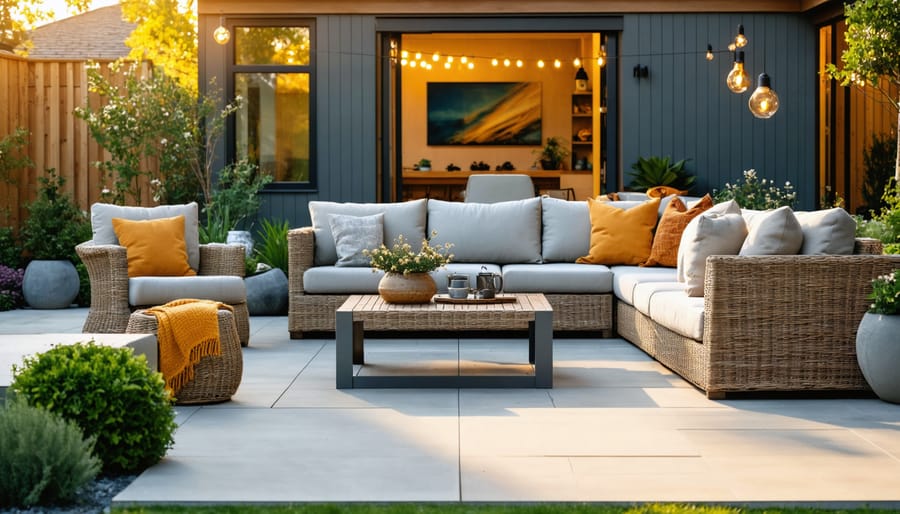
Transform your outdoor shed area into a genuine living retreat by treating furniture selection with the same care you’d give indoor spaces. Choose weather-resistant materials like powder-coated aluminum, marine-grade wicker, or sustainably sourced teak that can handle temperature swings and moisture without constant maintenance. Measure your available square footage carefully, allocating at least 30 inches of clearance around seating areas for comfortable movement while ensuring furniture scale matches your space—oversized pieces overwhelm small patios while minimalist options get lost in expansive yards.\n\nPrioritize multi-functional pieces that solve storage challenges while providing comfort: benches with hidden compartments, coffee tables that convert to dining height, or ottomans that double as waterproof storage. Consider how your outdoor furniture connects to existing structures—a well-furnished patio adjacent to your storage shed creates natural flow between utility and leisure spaces. Test cushion quality by checking foam density ratings above 1.8 for durability, and verify fabric carries marine-grade certification to resist fading and mildew. The right furniture transforms underutilized outdoor areas into extensions of your home where function meets relaxation, making every square foot of your property work harder for your lifestyle.\n\n\n
Why Your Shed Deserves More Than Storage Boxes
\n\nRemember when your shed was just a dumping ground for lawn mowers, forgotten holiday decorations, and rusting garden tools? It’s time to think bigger. Across the country, homeowners are discovering that their outdoor structures hold incredible potential as extended living spaces rather than mere storage units.\n\nSarah, a graphic designer from Portland, transformed her 10×12 shed into a peaceful home office complete with a cozy reading nook. “I was drowning in clutter and needed workspace,” she shares. “Converting my shed gave me a dedicated creative zone without the expense of a home addition.” Her story isn’t unique. From art studios to yoga spaces, people are reimagining what these structures can become.\n\nThe shift makes perfect sense when you consider the square footage you already own. That gazebo gathering dust? It could be your summer dining room. That utility shed? A fully-equipped workshop or a backyard retreat where you actually want to spend time.\n\nThe beauty of repurposing outdoor structures lies in customization. Unlike interior rooms with fixed purposes, these spaces offer blank canvases. You’re not limited by existing plumbing, awkward layouts, or family traffic patterns. Whether you envision a meditation sanctuary, entertainment hub, or hobby workshop, the framework already exists.\n\nBefore dismissing your shed as too small or too plain, consider this: with the right furniture choices and thoughtful design, even compact structures can deliver big impact. The key is selecting pieces that serve your vision while standing up to the unique challenges of outdoor environments. Ready to unlock your structure’s hidden potential?\n\n
 \n
\n\n\n\n
Choosing Furniture That Works as Hard as You Do
\n\n
Material Matters: Matching Furniture to Your Shed Type
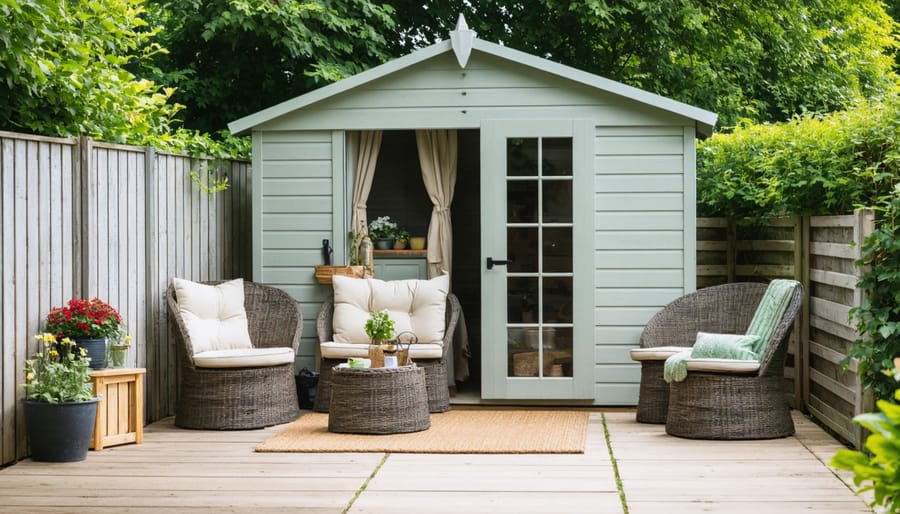
\n\nCreating harmony between your shed and outdoor furniture isn’t just about looks—it’s about making smart choices that extend the life of your investment. Let’s explore how to pair materials for the best results.\n\nMetal sheds work beautifully with aluminum or powder-coated steel furniture. These materials share similar durability characteristics and weather resistance, creating a cohesive modern aesthetic. Sarah from Portland discovered this firsthand: “I paired my galvanized metal shed with sleek aluminum chairs, and they’ve weathered three rainy seasons without a hint of rust.” If you prefer warmth, composite wood furniture also complements metal structures while adding natural texture.\n\nWood sheds naturally pair with wooden furniture like teak, cedar, or eucalyptus. The organic connection creates an inviting, cottage-like atmosphere. However, ensure both your shed and furniture receive proper weatherproofing treatment. Wicker furniture also works wonderfully here, offering a softer, more relaxed vibe while maintaining that natural material continuity.\n\nVinyl sheds are wonderfully versatile and forgiving. Since vinyl itself mimics various materials, you can match it with resin wicker, plastic lumber furniture, or powder-coated metal pieces. These low-maintenance combinations are perfect for busy homeowners who want style without constant upkeep.\n\nHere’s a practical tip: whatever combination you choose, ensure furniture legs have protective caps or pads. This prevents scratching your shed’s foundation or creating water-trapping divots in the ground. Your furniture will last longer, and your outdoor space will maintain its polished appearance season after season.\n\n
Weather-Resistant Picks That Last Season After Season
\n\nInvesting in durable outdoor furniture means choosing pieces that can handle sun, rain, wind, and temperature swings without falling apart. The best materials for longevity include powder-coated aluminum, all-weather wicker, teak, and marine-grade polymer. These options resist fading, cracking, and rust while maintaining their good looks year after year.\n\nWhen shopping, look for furniture with rust-resistant hardware, UV-protected fabrics, and drainage holes in seat cushions. Quality pieces often come with warranties of five years or more, which tells you the manufacturer stands behind their product’s durability.\n\nOne homeowner from Colorado shared how her aluminum dining set survived five harsh winters without any damage, while her neighbor’s bargain set needed replacing after just two seasons. The initial investment paid off in both money saved and frustration avoided.\n\nMaintenance doesn’t have to be complicated. A simple routine of wiping down surfaces monthly, storing cushions during heavy weather, and applying appropriate sealers annually keeps most outdoor furniture looking fresh. Teak develops a beautiful silver patina naturally, but you can maintain its honey tone with occasional oil treatments.\n\nDon’t forget about placement. Even weather-resistant furniture lasts longer when positioned under pergolas or near your shed, which provides some natural protection from the harshest elements. This strategic placement extends the life of your investment while creating cozy, sheltered gathering spots in your outdoor space.\n\n
Multi-Purpose Pieces That Maximize Small Spaces
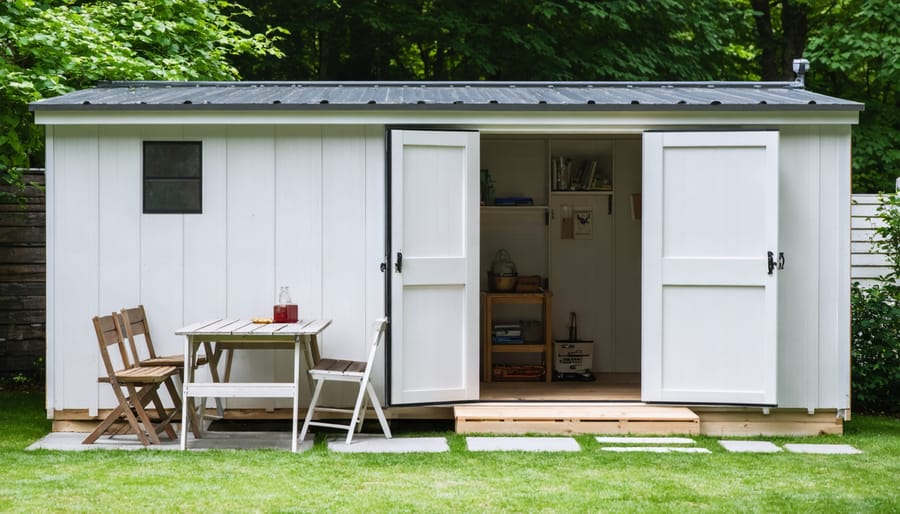
\n\nMaking the most of limited square footage starts with choosing furniture that works overtime. Storage benches are perfect for shed spaces, offering comfortable seating while hiding gardening tools, cushions, or outdoor toys beneath lift-up lids. One homeowner transformed her 8×10 shed into a reading nook by adding a storage bench along one wall, creating both seating and a place to tuck away seasonal decorations.\n\nFolding tables give you flexibility when you need it. Set one up for potting plants or casual dining, then fold it flat against the wall when you’re done. Pair it with stackable chairs that nest together in a corner, freeing up precious floor space for other activities.\n\nLook for pieces that can transition between uses throughout the seasons. A sturdy ottoman serves as extra seating during gatherings, a footrest for relaxing, or even a small side table with a tray on top. These smart choices help you create a truly personalized outdoor space without the cramped feeling that comes with too much furniture.\n\n
 \n
\n\n\n\n
Real Homeowners, Real Transformations
\n\nNothing transforms a vision into reality quite like seeing how everyday homeowners have turned ordinary sheds into extraordinary outdoor living spaces. These stories show what’s possible when you think beyond storage.\n\nSarah from Portland faced a common challenge: her dusty 10×12 shed had become a catch-all for forgotten items. After a weekend cleanout, she recognized the potential for something better. With a weather-resistant loveseat, a compact side table, and cheerful outdoor cushions, she created a peaceful reading nook. The before picture showed cluttered shelves and scattered tools. The after reveals a cozy retreat where she spends summer mornings with coffee and a good book. Sarah’s tip? Start with multifunctional furniture that offers hidden storage to keep your space tidy while maintaining its new purpose.\n\nMark and Jennifer tackled their shed differently. As avid gardeners, they needed a potting station that didn’t take over their garage. They added a sturdy workbench along one wall, installed open shelving for supplies, and brought in a tall stool for comfortable planting sessions. Before the transformation, their gardening materials were scattered across the yard, creating frustration every spring. Now everything has its place, and the couple has even added a small bistro set outside the shed entrance for afternoon breaks. Their secret to success was measuring carefully and choosing furniture scaled appropriately for their 8×10 space.\n\nThen there’s Dave, who converted his backyard shed into the ultimate hangout spot. His before situation was typical: a dark, uninviting structure used only for lawn equipment storage. By relocating tools to wall-mounted racks, he freed up floor space for bar stools, a compact counter setup, and string lights overhead. Weekend gatherings now naturally flow to his backyard bar, where friends gather around weatherproof seating. Dave emphasizes choosing furniture built for outdoor conditions, which prevents constant replacement and keeps the space inviting year-round.\n\n\n
Creating Zones: From Workbench to Relaxation Corner
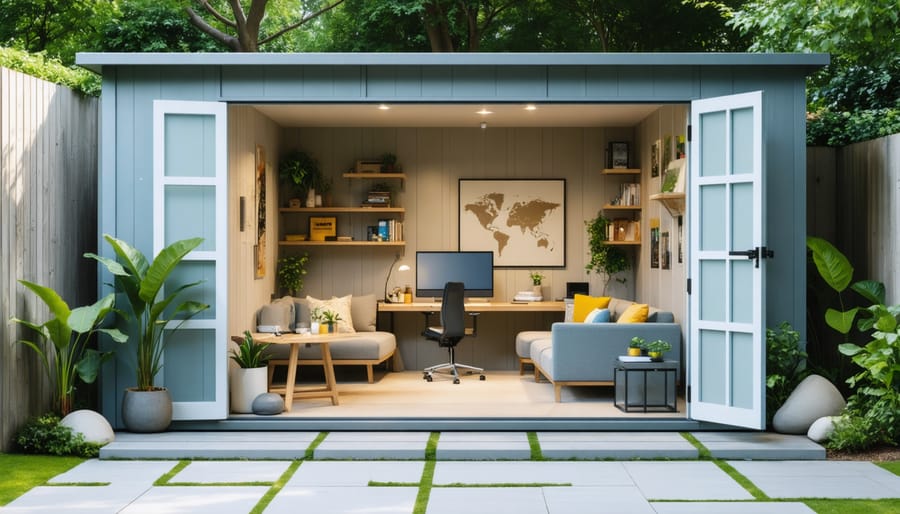
\n\nTransforming your shed into a multi-functional outdoor living space starts with thoughtful furniture placement that creates distinct activity areas. Just as you would arrange your indoor rooms, planning functional zones in your shed maximizes both usability and comfort.\n\nBegin by mapping out your priorities. Do you need a workspace for potting plants or DIY projects? Would you love a cozy reading nook? Perhaps you want a combination of storage and relaxation. Sarah from Portland shared her experience: “I used a folding workbench along one wall for gardening projects, then added a weatherproof loveseat and side table in the opposite corner. Now I have my functional workspace and my morning coffee spot in one shed.”\n\nThe key is using furniture as natural dividers. A sturdy shelving unit can separate your tool storage from your leisure area without blocking light or making the space feel cramped. Position your workbench near outlets and windows for task lighting, while placing relaxation furniture in quieter corners away from high-traffic flow.\n\nConsider furniture scale carefully in smaller sheds. Compact bistro sets, wall-mounted fold-down tables, and stackable seating provide flexibility without overwhelming the space. For larger sheds, you might incorporate a full-sized desk for a home office zone alongside storage cabinets and a comfortable armchair.\n\nDon’t forget transitional pieces that serve multiple purposes. An outdoor storage bench placed between zones offers seating, storage, and a visual boundary. Weather-resistant rugs also help define areas while adding warmth and personality. The goal is creating spaces that feel intentional and inviting rather than cluttered or confused.\n\n
 \n
\n\n\n\n
Setting Up Your Space: The Practical Stuff Nobody Mentions
\n\n
Foundation and Flooring Considerations
\n\nBefore you arrange beautiful furniture in your outdoor living space, let’s talk about what’s underneath. A solid foundation makes all the difference between furniture that stays level and pieces that wobble or sink over time. If you’re setting up furniture inside your shed or on a covered patio area, ensure the flooring can handle the weight distribution. Concrete slabs offer the most stability, while wooden floors need proper support beams spaced correctly to prevent sagging under heavier pieces like sofas or storage benches.\n\nFor ground-level spaces, consider adding pavers, deck tiles, or gravel bases to create a stable, level surface. This prevents furniture legs from sinking into soft soil and protects against moisture damage. Think about drainage too—you don’t want water pooling around your furniture after rain. A slight slope away from your shed or seating area helps water flow naturally. Taking time to prepare your foundation properly means your outdoor furniture will last longer and stay comfortable for years of enjoyment.\n\n
Lighting and Power for Evening Use
\n\nExtending your outdoor living space into the evening hours doesn’t have to be complicated. String lights create instant ambiance and provide functional illumination for pathways and seating areas. Solar-powered options eliminate wiring concerns and installation hassle, while battery-operated LED lanterns offer portable lighting you can move as needed. For more permanent solutions, consider low-voltage landscape lighting systems that connect multiple fixtures on a single transformer.\n\nAdding power access transforms your space into a true outdoor room. Weatherproof outlet boxes mounted on your shed or nearby structure let you plug in everything from fans to small refrigerators. Extension cords rated for outdoor use work as temporary solutions, but always protect connections from moisture. Many homeowners find success combining several outdoor lighting solutions to create layered illumination that’s both practical and inviting. The key is choosing fixtures designed to withstand weather while complementing your furniture style, ensuring your outdoor space remains functional and welcoming long after sunset.\n\n
Keeping It Dry: Furniture Protection Tips
\n\nProtecting your outdoor furniture starts with understanding moisture’s impact. Apply waterproof sealants to wood pieces annually, and consider weatherproof covers during harsh seasons. Position furniture on elevated surfaces or drainage-friendly areas to prevent water pooling underneath. For pieces stored near your shed, ensure proper ventilation around both structures to reduce humidity buildup. Regular cleaning prevents mold growth—simply wipe down surfaces after rain and allow thorough drying before covering. When not in use, store cushions and fabric items inside your shed to extend their lifespan. These simple habits protect your investment while keeping your outdoor space inviting year-round.\n\n\nYou don’t need to transform your outdoor space overnight. Start small with one or two quality furniture pieces that solve your immediate needs, whether that’s a comfortable seating area for morning coffee or a weatherproof storage bench that keeps cushions dry. As you begin to personalize your outdoor living area, you’ll discover how these thoughtful additions not only increase your property’s value but also create inviting spaces where memories happen naturally.\n\nYour outdoor shed can be so much more than storage—it’s the foundation for your personalized retreat. Consider how pairing the right furniture with a well-designed shed creates a cohesive outdoor environment that reflects your lifestyle and serves your family’s unique needs. Ready to take the first step? Explore shed options that complement your vision and accommodate the outdoor living space you’ve been imagining. Your ideal backyard sanctuary is waiting.