


Why Your Shed Sounds Like a Drum (And How Z-Duct Fixes It)

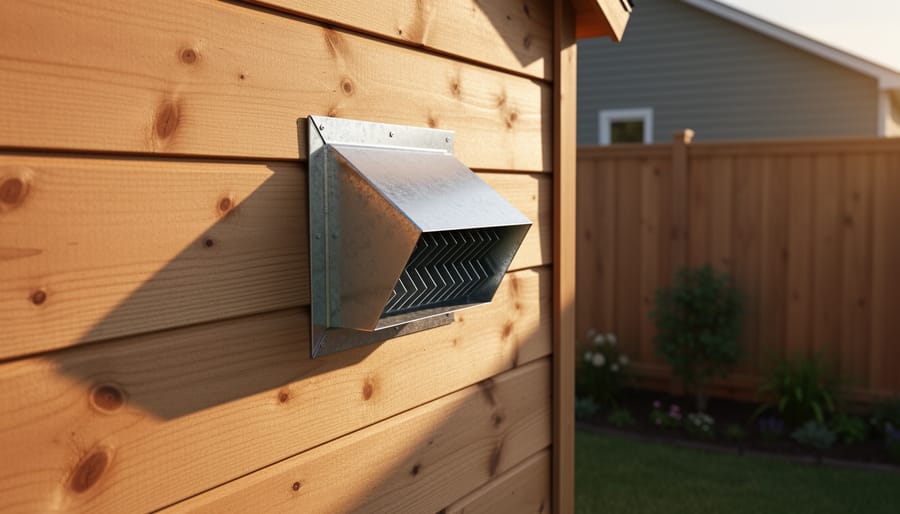
Is noise from your shed workshop, home gym, or band practice space driving you (or your neighbors) crazy? Z-duct sound attenuation offers a practical solution that tackles acoustic problems without sacrificing ventilation. These ingenious zigzag-shaped duct systems allow fresh air to flow freely while dramatically reducing sound transmission—perfect for transforming your shed into a functional, quieter space.\n\nUnlike solid barriers that trap heat and moisture, z-ducts work by forcing sound waves to bounce through multiple angles, losing energy with each turn while air continues to circulate. The result? You can run power tools, pump up the music volume, or host late-night projects without sound escaping through ventilation openings. This technology has been proven in commercial buildings for decades, and now it’s becoming accessible for DIY homeowners looking to upgrade their backyard structures.\n\nWhether you’re dealing with complaints from neighbors, need to concentrate in a home office shed, or simply want better acoustic control, understanding z-duct systems will help you determine if this straightforward yet effective solution fits your noise-reduction needs.\n\n\n
What Is Z-Duct Sound Attenuation?
\n\n
How Sound Travels Through Standard Ductwork
\n\nThink of standard ductwork as a direct highway for sound waves. When air flows through straight ducts, it creates an unobstructed path that sound travels through remarkably efficiently. Whether it’s the rumble of your HVAC system firing up, the constant hum of ventilation fans, or even outdoor noises picked up through intake vents, these sounds race through smooth metal or plastic channels with minimal resistance.\n\nThe problem becomes especially noticeable in shed spaces converted into workshops, home offices, or music studios. That straight-line duct design that makes air circulation so efficient also makes it perfect for transmitting unwanted noise. Sound waves bounce off the hard interior surfaces of the ductwork, amplifying as they travel rather than diminishing. It’s similar to how you can hear someone speaking clearly through a long tube—the sound concentrates and carries surprisingly far.\n\nMany homeowners discover this issue only after completing their shed conversion project. You might notice mechanical sounds from your heating system echoing throughout your workspace, or external traffic noise filtering in through ventilation ducts. Understanding this basic principle helps explain why standard ductwork often needs acoustic treatment to create the peaceful, functional space you’re aiming for.\n\n
The Z-Pattern Advantage
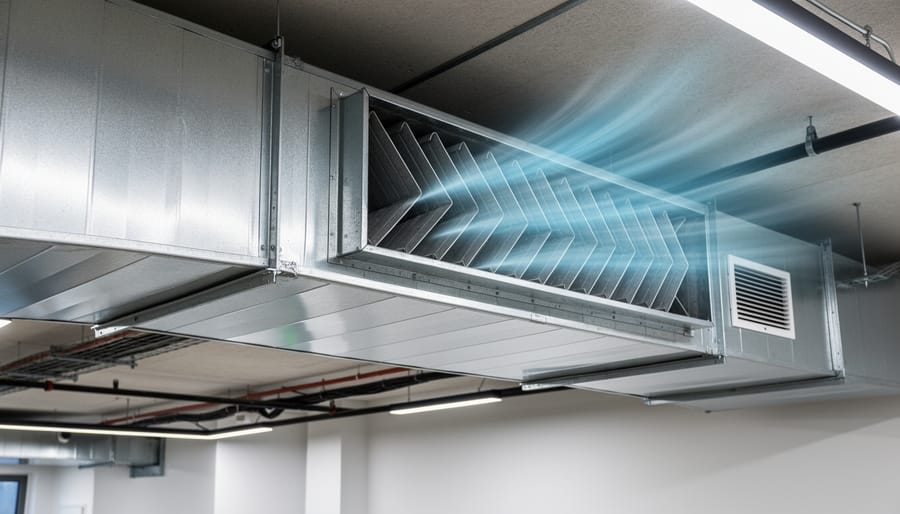
\n\nThe beauty of a z-duct system lies in its clever zigzag design, which creates a natural sound barrier while keeping air moving freely through your shed. Think of it like a maze for sound waves. When noise travels through the ductwork, it hits the angled bends and walls of the Z-pattern. Each time a sound wave bounces off these surfaces, it loses a bit of its energy, similar to how a tennis ball bounces lower each time it hits the ground.\n\nThis bouncing effect, called acoustic absorption, significantly reduces the noise that makes it through to the other side. Meanwhile, air flows through the passage with minimal resistance because the turns are gradual enough not to restrict ventilation. It’s a win-win situation for shed owners who need both fresh air circulation and peace and quiet.\n\nMany homeowners who’ve added z-ducts to their workshop sheds report noticeable improvements right away. One DIY enthusiast shared that after installing z-duct vents, the sound of power tools became much less intrusive to neighbors. The system works especially well when combined with insulation around the ductwork, creating an even more effective sound dampening solution for your space.\n\n
 \n
\n\n\n\n
Common Noise Problems in Sheds (And What You’re Actually Hearing)
\n\n
HVAC and Ventilation Fan Noise
\n\nYour shed’s HVAC system works hard to keep your space comfortable, but it also creates a steady soundtrack of humming, whooshing, and sometimes rattling sounds that travel surprisingly far through metal ductwork. The culprit? Those ducts act like acoustic highways, carrying every vibration from your heating and cooling equipment directly into your workspace or storage area.\n\nThe constant drone from your ventilation fan might seem like background noise at first, but over time it can make your converted shed feel less like a peaceful retreat and more like an industrial space. These sounds often intensify when your system kicks on or changes speed, creating noticeable disruptions during quiet activities like reading, crafting, or office work.\n\nThe good news is that understanding how this noise travels through your ductwork is the first step toward solving it. Z-duct sound attenuation systems specifically target these mechanical noises, breaking up those sound waves before they reach your living space and helping transform your shed into the tranquil environment you envisioned.\n\n
External Noise Intrusion
\n\nYour shed’s ventilation system, while essential for air circulation, can become an unwelcome gateway for outdoor noise. Traffic sounds from nearby streets, conversations from neighboring yards, barking dogs, and the rumble of lawn equipment often find their way inside through standard ventilation openings. These intrusions can be particularly frustrating if you’ve converted your shed into a home office, workshop, or creative studio where concentration matters.\n\nThe problem intensifies during peak noise times—weekday rush hours, weekend lawn care sessions, or summer evenings when neighbors gather outdoors. Traditional vents offer virtually no resistance to sound waves, allowing noise to travel freely into your space. This becomes especially noticeable in quieter settings where you’re trying to focus on detailed work, enjoy music, or simply find a peaceful retreat from household activity. Understanding how external noise enters your shed is the first step toward creating a more tranquil environment that truly serves your needs.\n\n
 \n
\n\n\n
Rain and Weather Amplification
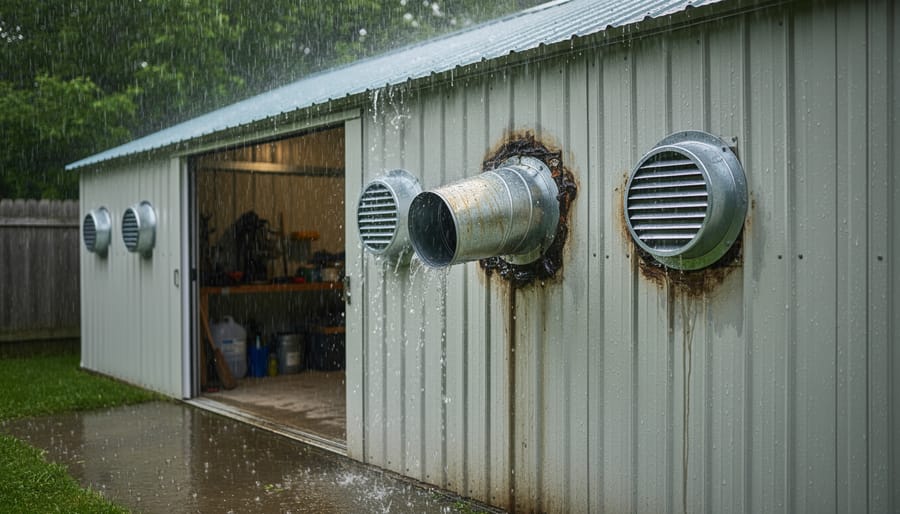
\n\nIf you’ve ever spent time in a metal shed during a rainstorm, you know exactly what we’re talking about. Rain hitting the roof creates a surprisingly loud drumming sound that metal ductwork can amplify considerably. The hollow structure of metal ducts acts like an echo chamber, picking up vibrations from raindrops and bouncing them throughout your space. This becomes especially problematic if you’ve converted your shed into a workshop, home office, or hobby area where you need to concentrate or communicate.\n\nThe issue intensifies during heavy downpours when the constant pinging and rattling can make even simple tasks frustrating. Many homeowners report that the amplified rain noise through their ventilation system is actually more disruptive than the rain hitting the roof itself. This echo chamber effect doesn’t just apply to rain either. Wind, hail, and even nearby tree branches can create similar acoustic disturbances that travel through uninsulated metal ductwork, transforming your peaceful shed into an unexpectedly noisy environment.\n\n\n
When Should You Consider Z-Duct for Your Shed?
\n\n
Converting Your Shed Into Living or Working Space
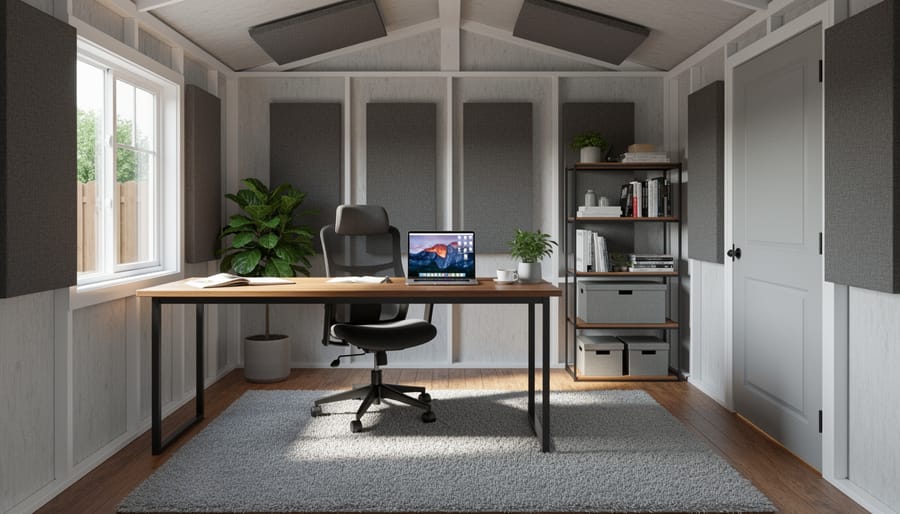
\n\nTransforming your shed into a functional living or working space opens up exciting possibilities, but noise control becomes essential for comfort and productivity. Whether you’re converting into a workshop, art studio, or music practice room, z-duct sound attenuation systems help maintain the quiet environment you need without sacrificing ventilation.\n\nSarah, a watercolor artist, installed z-duct systems in her backyard studio and found she could finally work with windows closed during summer heat while keeping air circulating quietly. For a home office setup, these ducts minimize outdoor distractions during video calls and focused work sessions. Music enthusiasts particularly appreciate how z-ducts prevent sound from escaping while keeping fresh air flowing during practice sessions.\n\nGuest rooms benefit tremendously too, since good ventilation paired with noise reduction creates comfortable sleeping spaces. The key is planning your ductwork layout early in your conversion project to maximize both acoustic performance and airflow efficiency throughout your reimagined shed space.\n\n
 \n
\n\n\n
Sheds Near High-Noise Areas
\n\nIf your shed sits near a busy street, school playground, or noisy neighbor, you know how disruptive constant sound can be. Z-duct sound attenuation offers an excellent solution for these challenging locations. The beauty of this system is that it allows ventilation while significantly reducing incoming noise—perfect when you’re using your shed as a workshop, home office, or creative studio.\n\nOne homeowner near a main road shared that after installing z-duct vents, she could finally concentrate on her painting without the constant rumble of traffic. The unique zigzag design forces sound waves to bounce and lose energy before entering your space, while fresh air flows freely. This makes z-ducts particularly valuable if you need both comfort and quiet in high-noise environments, letting you reclaim your shed as a peaceful retreat.\n\n
Climate-Controlled Sheds Requiring HVAC
\n\nIf you’ve invested in heating or cooling your shed to create a comfortable workshop, home office, or hobby space, you’ve likely installed ductwork for your HVAC system. Here’s the thing: those same ducts that keep you comfortable can also become highways for unwanted noise. The sound from your air handler, outdoor unit, or even nearby activities can travel surprisingly well through standard metal ducts, disrupting your peaceful workspace.\n\nThis is where z-duct really shines. Since your climate-controlled shed already has the ductwork infrastructure in place, adding z-duct sound attenuation becomes a straightforward upgrade rather than a complete system overhaul. The flexible, acoustically-engineered design of z-duct absorbs vibrations and dampens sound transmission that rigid metal ducts simply can’t handle effectively. Many homeowners report a noticeable difference after installation, describing their climate-controlled sheds as finally feeling like true retreats rather than noisy extensions of their mechanical systems.\n\n\n
Installing Z-Duct Sound Attenuation: What to Expect
\n\n
DIY Installation: Is It Doable?
\n\nGood news: installing z-duct sound attenuation in your shed is definitely a doable weekend project for most DIY enthusiasts! You’ll need basic tools like a drill, measuring tape, tin snips or utility knife (depending on your duct material), and possibly a reciprocating saw for creating vent openings.\n\nThe skill level required sits comfortably in the intermediate range. If you’ve successfully tackled projects like installing shelving or basic electrical work, you’re well-equipped for this. The trickiest part is accurately cutting the opening and ensuring a snug, weather-tight fit around the duct installation.\n\nTime-wise, expect to invest about 3-5 hours per vent, including prep work and cleanup. Most shed conversions need two vents minimum for proper airflow.\n\nBefore diving in, consider these factors: Can you safely work at height if installing near the roofline? Are you comfortable cutting through your shed’s exterior? Do you have help available for holding components in place?\n\nOne homeowner shared that watching a few installation videos beforehand made the process much smoother: “I was nervous about cutting into my shed wall, but careful measuring and patience paid off. The sound reduction was worth every minute.”\n\nIf structural modifications feel overwhelming, hiring a handyperson for the cutting portion while you handle assembly is a practical middle ground.\n\n
Working With Professionals
\n\nWhen selecting a contractor for z-duct installation in your shed, prioritize HVAC professionals with specific soundproofing experience. Ask to see examples of previous acoustic projects and request references from homeowners with similar needs. A qualified installer should assess your shed’s unique layout, measure noise levels, and recommend appropriate duct sizes for optimal performance.\n\nTypical installation costs range from $500 to $2,000, depending on your shed size and complexity. This usually includes materials, labor, and any necessary ventilation adjustments. Get at least three written quotes that break down costs clearly.\n\nEssential questions to ask include: How will you maintain my existing ventilation efficiency? What sound reduction level can I realistically expect? Do you guarantee your work? Will you seal all penetrations properly to prevent air leaks?\n\nOne homeowner shared that asking about post-installation testing helped them choose a contractor who returned to verify the system met promised noise reduction targets. Don’t hesitate to request a detailed timeline and confirm the installer carries proper licensing and insurance for your peace of mind.\n\n
Integrating With Existing Shed Systems
\n\nThe great news? Z-duct sound attenuation works beautifully with your existing shed ventilation setup. Whether you’ve already installed basic exhaust fans, passive vents, or even a more sophisticated HVAC system for your workshop or studio conversion, adding Z-duct sections is surprisingly straightforward.\n\nThese ducts simply connect inline with your current ductwork, fitting standard 4-inch, 6-inch, or 8-inch vent pipes. Most homeowners find the installation takes just an afternoon. One DIY enthusiast shared how he added Z-duct sections to his woodworking shop’s exhaust system without modifying a single existing component—just inserted the baffled sections between his dust collector and exterior vent.\n\nThe beauty is in the flexibility. You can retrofit Z-ducts into older systems or incorporate them during new installations. They’re particularly effective when placed near noisy equipment or at exit points where sound typically escapes. Just ensure proper sealing at connections to maximize both sound reduction and airflow efficiency.\n\n\n
Beyond Z-Ducts: Complementary Sound Solutions for Sheds
\n\n
Insulation That Does Double Duty
\n\nHere’s a bonus benefit many shed owners overlook: the right insulation pulls double duty by tackling both temperature swings and unwanted noise. When you’re adding insulation to walls and ceilings, you’re not just keeping your space comfortable year-round—you’re also creating an effective sound barrier. Materials like fiberglass batts, mineral wool, or spray foam work wonders at absorbing sound waves while preventing heat loss in winter and heat gain in summer. Think about it: Sarah converted her backyard shed into a music practice space and discovered that proper insulation meant she could play her guitar without disturbing the neighbors, all while keeping her heating bills manageable. When exploring shed insulation options, consider materials with higher R-values and density, as these typically offer superior sound-dampening qualities alongside thermal performance—giving you peaceful, comfortable space without breaking the bank.\n\n
Weatherstripping and Door Seals
\n\nEven the best sound attenuation system won’t work if you’ve got gaps letting noise slip through. Think of weatherstripping and door seals as the unsung heroes of shed soundproofing—they’re affordable, easy to install, and surprisingly effective.\n\nCheck your shed door and windows for light coming through. If you can see daylight, sound is escaping too. Self-adhesive foam weatherstripping works great for door frames and costs just a few dollars. For the bottom of your door, install a door sweep to block that notorious gap where sound loves to leak out.\n\nOne homeowner shared how simply adding weatherstripping around her converted shed office reduced outside noise by nearly 30 percent—a quick afternoon project that made phone calls actually pleasant. For windows, consider removable acoustic seals that let you maintain ventilation when needed while blocking sound during focused work time.\n\n
Acoustic Panels and Sound-Dampening Materials
\n\nOnce your z-duct system is handling airflow, consider finishing the job with acoustic panels or sound-dampening materials on your shed’s interior walls and ceiling. These affordable treatments absorb sound waves that might still bounce around inside, creating a noticeably quieter space. Foam panels work wonderfully for hobby workshops, while fabric-wrapped options add a polished look to converted office sheds. Many DIYers report that combining z-duct ventilation with simple wall treatments solved their noise issues completely without breaking the bank. Installation is straightforward—most panels attach with adhesive strips or mounting clips, making this an easy weekend project.\n\n\nCreating a peaceful, functional shed space isn’t just a dream—it’s entirely achievable with the right acoustic approach. Z-duct sound attenuation offers a practical solution for homeowners dealing with noise challenges, whether you’re setting up a home office, workshop, or quiet retreat in your backyard shed.\n\nThe beauty of z-duct systems lies in their versatility. They work alongside your existing ventilation needs while actively reducing sound transmission, giving you the best of both worlds. While they’re just one piece of the acoustic puzzle, they’re an important one that shouldn’t be overlooked.\n\nTake a moment to assess your specific situation. What noise problems are you facing? Is it outdoor traffic, neighboring activities, or noise from equipment inside your shed? Understanding your challenges helps you choose the right combination of solutions, from insulation and weatherstripping to strategic z-duct placement.\n\nRemember, quiet isn’t a luxury reserved for expensive builds. With thoughtful planning and the right materials, you can transform your shed into a genuinely comfortable space. Many homeowners have successfully tackled their noise issues by combining z-duct attenuation with other acoustic enhancements, creating spaces they actually enjoy spending time in. Your peaceful shed sanctuary is within reach.