


Rent to Own vs Lease to Own: Which Path Puts a Portable Shelter in Your Yard Faster?

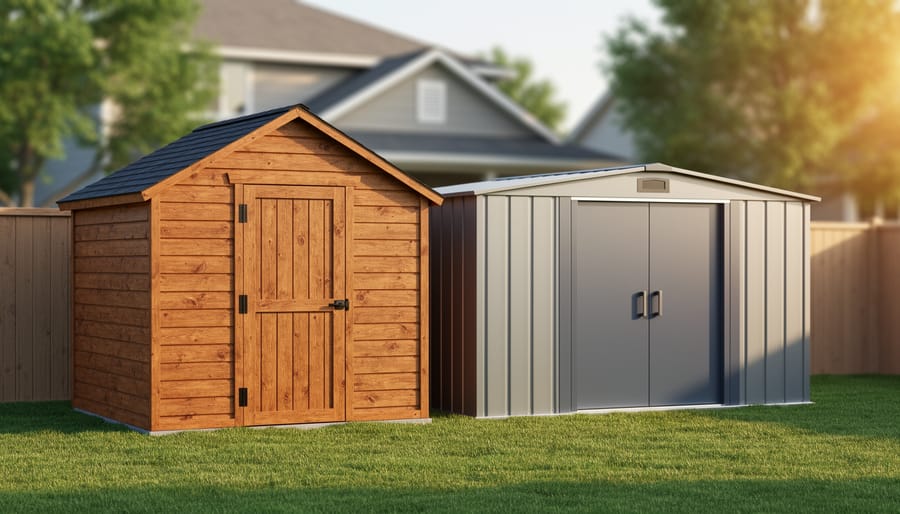
Understanding the difference between rent-to-own and lease-to-own could save you thousands of dollars and prevent contractual headaches when acquiring your next portable shelter. Both options let you take home a shed, garage, or storage building today without paying the full price upfront, but they operate under completely different terms that affect your ownership timeline, total costs, and legal rights.
Rent-to-own agreements typically don’t build equity with each payment. You’re essentially renting the structure with an option to purchase it later, often at a predetermined price. If you miss payments or decide the arrangement isn’t working, you can usually walk away, but you’ll have nothing to show for the money already spent. These agreements generally cost more over time due to higher interest rates and fees built into the payment structure.
Lease-to-own arrangements function more like traditional financing. A portion of each payment goes toward eventual ownership, building equity from day one. You’re committed to the full contract term, and the structure is yours once all payments are complete. While you can’t simply walk away without consequences, you’re working toward a clear ownership goal with each monthly payment.
The confusion between these terms is completely understandable since some companies use them interchangeably or blur the distinctions in their marketing. This article breaks down the real differences, shows you the true costs of each option, and helps you determine which path makes financial sense for your specific situation.
What’s Actually Different Between Rent to Own and Lease to Own?
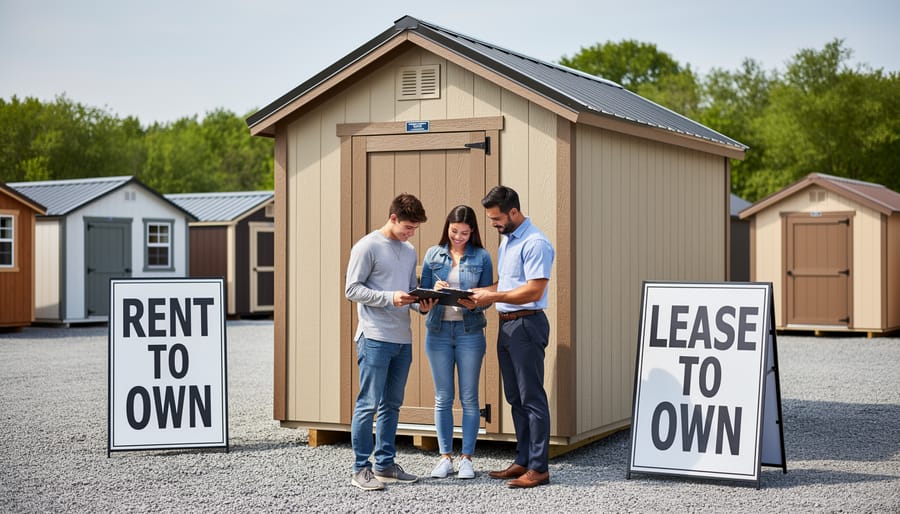
Rent to Own: How It Works for Portable Shelters
Rent to own offers a straightforward path to owning your portable shelter without the hefty upfront cost. Here’s how it typically works: you choose your shed, make manageable monthly payments, and each payment brings you closer to ownership. Unlike traditional rentals where your money disappears, rent to own lets you build equity from day one.
Most rent to own agreements for sheds run between 36 to 60 months, with flexible payment options to fit your budget. You’ll make consistent monthly payments, and once you’ve completed the term, the shelter is yours—no final balloon payment required. The best part? Many providers report your on-time payments to credit bureaus, helping you build credit while building storage.
What makes this option particularly attractive is the flexibility if life throws you a curveball. Jennifer from Ohio shared her experience: “When my husband changed jobs, we had to pause payments for two months. Our provider worked with us, and we simply extended our term without losing our shed or previous payments.”
If you need to stop payments entirely, most agreements allow you to return the shelter without damaging your credit, though you won’t get back what you’ve paid. However, some providers offer buyout options at any point during your term, letting you own it sooner if your financial situation improves. This flexibility makes rent to own ideal for homeowners who need storage now but want payment predictability without long-term commitment pressure.
Lease to Own: The Committed Path
Lease to own represents the more committed path to ownership, functioning like a promise to purchase your shed over time. When you sign a lease to own agreement, you’re legally obligated to complete the purchase—think of it as a binding contract with monthly payments leading to eventual ownership.
Here’s how it typically works: You’ll make regular monthly payments over an agreed-upon period, usually 36 to 48 months. Each payment includes both the cost of the shed and interest or fees. Unlike renting, you cannot simply walk away if your circumstances change. The agreement binds you to the full payment schedule, and breaking the lease early can result in serious financial consequences, including penalty fees and potential damage to your credit score.
The upside? You know exactly when you’ll own your shed outright. Once you make that final payment, the structure is completely yours—no strings attached. This certainty appeals to homeowners who need long-term storage solutions and prefer structured payment plans.
Before committing to lease to own, consider your financial stability carefully. Can you confidently make payments for the next three to four years? One homeowner shared that while the monthly commitment felt daunting initially, knowing her garden shed would be paid off by a specific date helped her budget effectively and ultimately build equity in something she used daily.
The key distinction: lease to own means you’re purchasing, not just borrowing time with the option to buy later.
The Real Costs: What You’ll Actually Pay
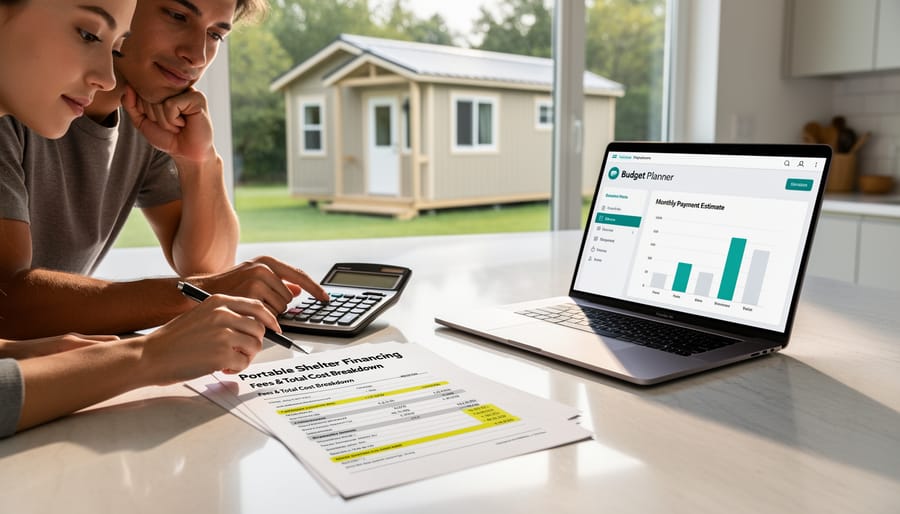
Hidden Fees You Need to Know About
Before you sign any rent-to-own or lease-to-own agreement for your portable shed, it’s essential to understand the full picture of costs involved. Many buyers focus solely on the monthly payment but discover unexpected charges that significantly impact the total price.
Common hidden fees include delivery and setup charges, which can range from $200 to $800 depending on your location and site preparation needs. Some companies charge administrative or processing fees upfront, while others tack on insurance requirements that protect their investment, not yours.
Late payment penalties deserve special attention, as they can be steep—sometimes $50 or more per occurrence. On the flip side, ask about early payoff options. Some agreements charge prepayment penalties, while others offer discounts for paying off early, potentially saving you hundreds in interest.
Before signing, ask these key questions: What’s the total cost if I complete all payments versus paying cash today? Are there any fees beyond my monthly payment? What happens if I’m late with a payment? Can I pay off early, and are there incentives or penalties for doing so?
Getting clear answers upfront helps you avoid surprises and choose the option that truly fits your budget and timeline.
When Rent to Own Makes Perfect Sense
Rent to own shines in several practical situations where flexibility matters most. If you’re uncertain about your long-term storage needs, this option lets you test the waters without overcommitting. Maybe you’re planning to renovate your home in the next year or two and aren’t sure if you’ll need permanent outdoor storage once the project wraps up. Rent to own gives you breathing room to figure things out.
Seasonal requirements make rent to own especially attractive. Take Sarah from Michigan, who needed extra space for her landscaping equipment during spring and summer but didn’t want a shed sitting empty all winter. “I started with rent to own thinking I’d return it after gardening season,” she shares. “But after seeing how much clutter it cleared from my garage, I decided to keep it year-round and apply those payments toward ownership.”
Testing different storage solutions before committing is another smart use case. You might discover that the 10×12 shed you thought was perfect actually feels cramped, or that you’d prefer a different style that complements your home better. With rent to own, you can switch to another model without the buyer’s remorse that comes with a full purchase.
Budget flexibility also plays a huge role. If your monthly cash flow varies due to freelance work or seasonal employment, spreading payments over time reduces financial stress. John, a small business owner, explains: “My income fluctuates throughout the year. Rent to own let me secure storage when I needed it most, without draining my emergency fund. As my business stabilized, keeping up with payments became easier, and eventually, I owned it outright.”
When Lease to Own Is Your Best Bet
Lease to own becomes your smartest move when you’ve already decided a storage shed is a permanent part of your property plans. If you’re certain you need that extra space for lawn equipment, holiday decorations, or workshop projects, why keep paying rent indefinitely when those payments could build toward ownership?
This option particularly shines when you value predictability in your budget. Jessica from Tennessee shares her experience: “We knew we needed storage for my husband’s woodworking tools, and the fixed monthly payments made it easy to plan around. After three years, the shed was completely ours, and it felt amazing knowing every payment had gotten us closer to ownership.”
Lease to own works beautifully when you’re ready to commit but don’t have several thousand dollars sitting in savings. Rather than depleting your emergency fund or maxing out credit cards, you spread the investment over manageable monthly installments. Think of it as a forced savings plan with the bonus of immediate use.
You’ll also appreciate this path if pride of ownership motivates you. There’s something satisfying about watching your equity grow with each payment, knowing the finish line is in sight. Mark, a DIY enthusiast from Ohio, put it this way: “Every time I made a payment, I felt like I was investing in my property value, not just throwing money away. When I finally owned it outright, I immediately customized it with shelving and better lighting since it was truly mine.”
The lease-to-own route proves ideal when you need storage now, plan to stay put for several years, and want the security of knowing exactly when you’ll own your shed free and clear.
Should You Just Buy Your Portable Shelter Outright Instead?
Let’s be honest: sometimes the simplest path is the best one. If you’ve got the cash available or qualify for traditional financing, buying your portable shelter outright often makes the most financial sense.
Here’s the reality check. While rent-to-own and lease-to-own provide accessibility when money’s tight, you’ll typically pay 30-50% more over time compared to purchasing upfront. That $3,000 shed could end up costing you $4,500 after fees and interest charges pile up. If you can swing a personal loan from your bank or credit union at standard rates, you’ll likely save hundreds or even thousands of dollars.
Consider Susan from Michigan, who initially looked into rent-to-own for a 10×12 storage shed. After crunching the numbers, she discovered her credit union offered a home improvement loan at 7% interest. “I saved nearly $800 compared to the rent-to-own plan, and I owned it immediately,” she shared.
Buying outright makes particular sense if you have good credit, available savings you’re comfortable spending, or access to low-interest financing. You’ll avoid weekly payment hassles, gain immediate ownership, and sidestep those extra fees.
However, if you’re facing credit challenges, need a shelter immediately for your livelihood, or simply can’t access traditional financing, rent-to-own or lease-to-own options still serve a valuable purpose. They’re stepping stones, not finish lines. The key is understanding what you’re paying for that convenience and whether the premium fits your situation.

Questions to Ask Before You Sign Anything
Before you commit to any agreement, protect yourself by asking these essential questions. Start with maintenance: Who’s responsible for repairs if something breaks? Does that include the roof, foundation, or just day-to-day upkeep? Understanding this upfront can save you from unexpected expenses down the road.
Next, clarify insurance requirements. Are you required to carry insurance on a structure you don’t technically own yet? What happens if storm damage occurs before you complete the purchase? These aren’t just hypothetical scenarios—real customers have faced costly surprises when insurance responsibilities weren’t spelled out clearly.
Dig into the ownership timeline. When exactly does the title transfer to your name? What happens to your payments if you need to move before the contract ends? Can you sell or transfer the agreement to someone else? Some agreements lock you in with no exit strategy, which can become problematic if your circumstances change.
Scrutinize the payment structure carefully. Are you building equity with each payment, or is it purely rental until the final buyout? What’s the total cost compared to buying outright today? Sometimes the convenience factor comes with a significant premium.
Finally, ask about default terms. What constitutes a breach of contract? How many missed payments trigger repossession? Is there a grace period? These details matter because life happens—job changes, medical emergencies, or unexpected expenses can affect anyone. Knowing your cushion beforehand gives you peace of mind and helps you plan accordingly.
Understanding the differences between rent-to-own and lease-to-own can feel overwhelming, but you’re now equipped with the knowledge to make a confident decision. Remember, rent-to-own typically offers more flexibility with higher monthly payments and no binding commitment, while lease-to-own usually locks you into a purchase agreement with lower payments applied toward ownership.
The right choice depends entirely on your situation. If you’re certain you want to own a shed but need time to build equity, lease-to-own might save you money in the long run. If you’re still testing whether a storage solution works for your property or lifestyle, rent-to-own gives you breathing room to change your mind.
Take time to honestly assess your financial situation, long-term plans, and how urgently you need the storage space. Calculate the total costs, read every agreement carefully, and don’t hesitate to ask providers questions before signing anything.
Here’s the good news: whether you choose to rent, lease-to-own, or save up to buy outright, each option serves a legitimate purpose. There’s no universal right answer, only the right answer for your unique circumstances. Trust yourself to weigh the factors we’ve discussed and move forward with the solution that brings you peace of mind and practical value.