


How AI Transforms Your Workshop Shed Into the Perfect Workspace

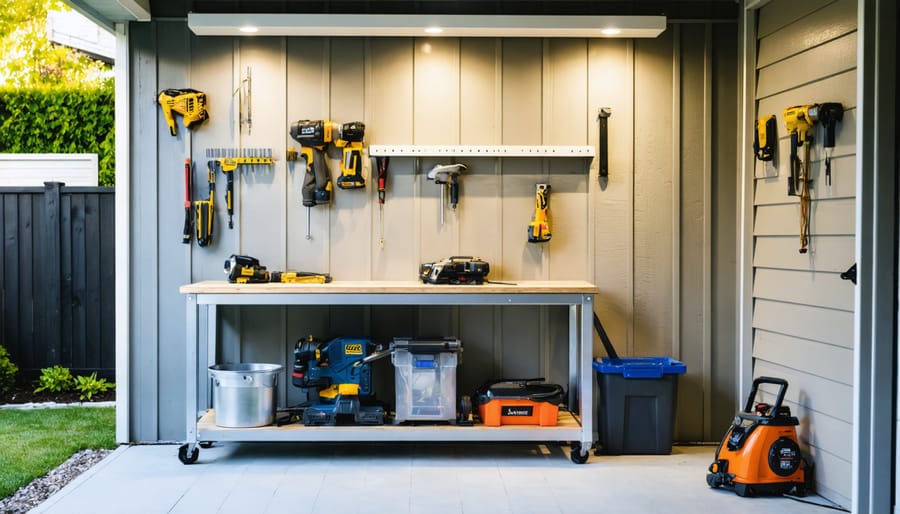
Transform your backyard shed into a fully powered workshop by installing a dedicated electrical circuit with proper amperage for tools and lighting—most DIY enthusiasts find that a 20-amp line handles everything from table saws to air compressors without tripping breakers. Plan your outlet placement before construction by mapping where each tool station will sit, placing outlets 48 inches apart along workbenches to eliminate extension cord tangles and safety hazards. Verify local building codes and permit requirements with your municipality before running any wiring, as most areas require licensed electrician approval for permanent outdoor structures, especially when connecting to your main electrical panel.\n\nThe difference between a cramped garage corner and a productive workshop often comes down to one essential element: reliable electricity. Without proper power, your shed remains just storage space. With it, you gain a dedicated environment for woodworking, metalworking, crafting, or repairs—a space that works as hard as you do.\n\nSetting up electricity in a workshop shed feels daunting at first. Questions pile up quickly: What size circuit do I need? Should I run underground or overhead lines? How many outlets make sense? Can I do this myself or do I need professional help? These concerns stop many homeowners from moving forward with projects they’re genuinely excited about.\n\nThe good news: creating an electrically equipped workshop is more straightforward than you think. With clear planning and the right information, you’ll avoid costly mistakes and build a space that serves your needs perfectly. Whether you’re a weekend warrior tackling home projects or a serious hobbyist needing professional-grade workspace, your powered workshop shed becomes the problem-solving hub your property has been missing.\n\n\n
What AI-Powered Shed Customization Actually Means for Your Workshop
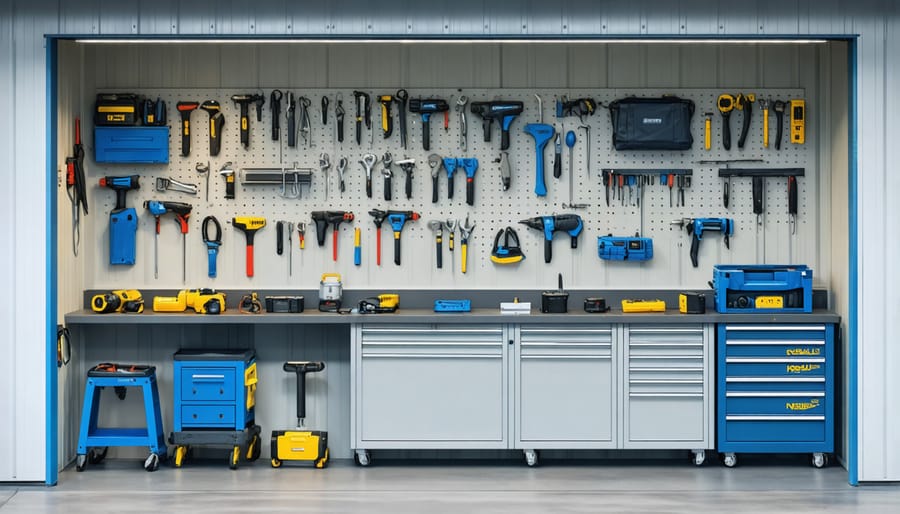
\n\nThink of AI-powered shed design as having a knowledgeable friend who asks all the right questions about your workshop needs, then creates a custom blueprint just for you. Instead of staring at blank graph paper wondering where everything should go, the technology walks you through a simple conversation about how you actually work.\n\nThe process starts by understanding what you’ll be doing in your workshop. Are you a woodworker who needs space for a table saw and lumber storage? A hobbyist with smaller hand tools and a workbench? Maybe you’re setting up a potting shed or a space for multiple activities. The AI considers these real-world details to suggest layouts that make sense for your specific situation.\n\nHere’s where it gets practical. The technology analyzes your electrical needs based on the tools you mentioned. If you’re running power-hungry equipment like compressors or welders, it factors in appropriate outlet placement and circuit requirements. For lighter tasks, it recommends simpler electrical setups. You don’t need to understand voltage calculations; the system translates your tool list into sensible electrical recommendations.\n\nThe AI also considers workflow patterns. It positions your most-used items within easy reach and arranges your workspace to minimize unnecessary movement. Storage solutions get matched to what you’re actually storing, whether that’s long materials, small parts bins, or seasonal equipment.\n\nSpace constraints matter too. Working with a compact backyard? The technology maximizes vertical storage and suggests efficient corner solutions. Have more room to work with? It might recommend separate zones for different activities.\n\nThe beauty of this approach is simplicity. You provide honest answers about your needs, and the system handles the complex planning. No electrical engineering degree required, no hours spent second-guessing outlet locations. Just a personalized workshop design that actually works for how you build, create, and tinker.\n\n
 \n
\n\n\n\n
Why Your Workshop Shed Needs Electricity (And How AI Plans It Better)
\n\n
Power Tools and Lighting That Actually Work Together
\n\nPlanning your workshop’s electrical system doesn’t have to feel like guessing in the dark. One of the biggest frustrations DIYers face is plugging in their table saw only to trip the breaker because they’ve already got the dust collector and work lights running. This isn’t just annoying—it’s a safety issue that can damage your tools and interrupt important projects.\n\nModern AI-powered planning tools are changing how we approach workshop electricity by doing the math for you. Instead of complicated load calculations, you simply input your equipment list—maybe a 15-amp miter saw, 12-amp router, and a few LED shop lights—and the system calculates your total electrical requirements. It accounts for startup surges (when motors draw extra power), recommends appropriate circuit configurations, and even suggests which tools can safely run simultaneously.\n\nThis precision matters more than many homeowners realize. Running too many high-draw tools on one circuit creates fire hazards and premature equipment failure. The AI considers these real-world scenarios, suggesting dedicated circuits for heavy machinery while grouping lower-draw items appropriately.\n\nLighting placement gets the same intelligent treatment. Rather than randomly spacing fixtures, AI analyzes your workbench locations, equipment positions, and task areas to eliminate shadows where you need visibility most. It calculates lumens needed for detailed work versus general illumination, ensuring you’re not straining your eyes or creating dangerous blind spots near spinning blades.\n\nSarah, a furniture maker from Colorado, shared: “I thought I’d need an electrician to figure everything out, but the planning tool mapped my entire 12×16 workshop in minutes. Now I run my planer and router together without issues, and my lighting is perfect over the assembly table.”\n\nThis takes the intimidation out of electrical planning, giving you confidence that your workshop will function safely and efficiently from day one.\n\n
Smart Outlet Placement You’ll Actually Use
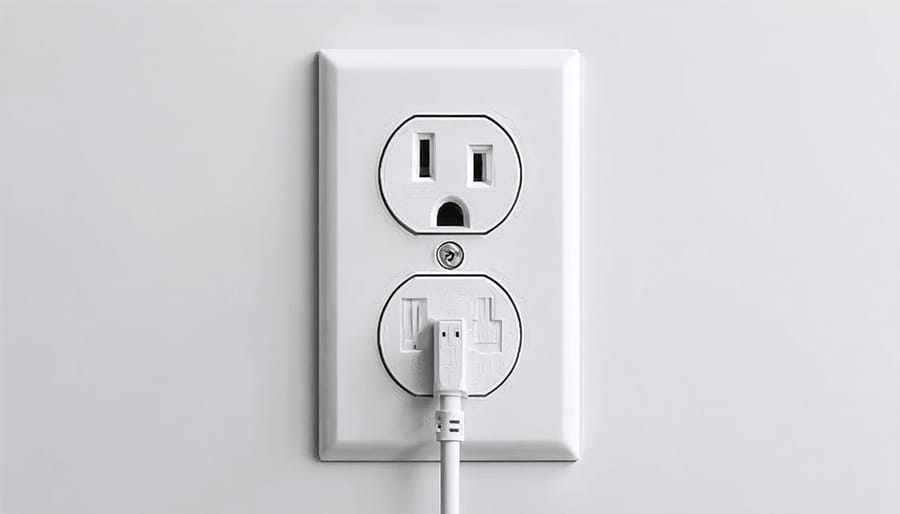
\n\nWe’ve all been there – you’re halfway through a project when you realize the nearest outlet is ten feet away, buried behind your table saw. Suddenly you’re untangling extension cords like Christmas lights, creating trip hazards and wasting precious time.\n\nSmart outlet placement changes everything. Instead of randomly placing outlets around your workshop shed’s perimeter, AI-powered design considers how you actually work. The technology analyzes common workshop tasks and positions outlets exactly where you need them, eliminating the extension cord jungle entirely.\n\nConsider Mike’s experience. Before redesigning his workshop electrical layout, he had four outlets clustered near the door – a builder’s default that forced him to run three extension cords across his workspace just to operate basic tools. After implementing strategic outlet placement, he had power sources positioned at his primary workbench, near his miter saw station, and beside his assembly table. “I didn’t realize how much time I wasted managing cords until they disappeared,” he shared.\n\nThe before-and-after difference is remarkable. Traditional workshops average 2-3 outlets along one wall, creating workflow bottlenecks. Optimized layouts typically include 6-8 strategically positioned outlets that create distinct work zones. You get dedicated power at your cutting station, drilling area, and finishing bench without a single extension cord snaking across the floor.\n\nThis approach also improves safety dramatically. The National Fire Protection Association reports that extension cords cause approximately 3,300 residential fires annually. When outlets meet you where you work, you eliminate temporary power solutions and reduce fire risk.\n\nThe result? A workshop that flows naturally, where tools stay plugged in at their stations and you focus on building instead of cord management.\n\n
 \n
\n\n\n\n
The Customization Features That Make the Biggest Difference
\n\n
Workbench and Storage Configuration
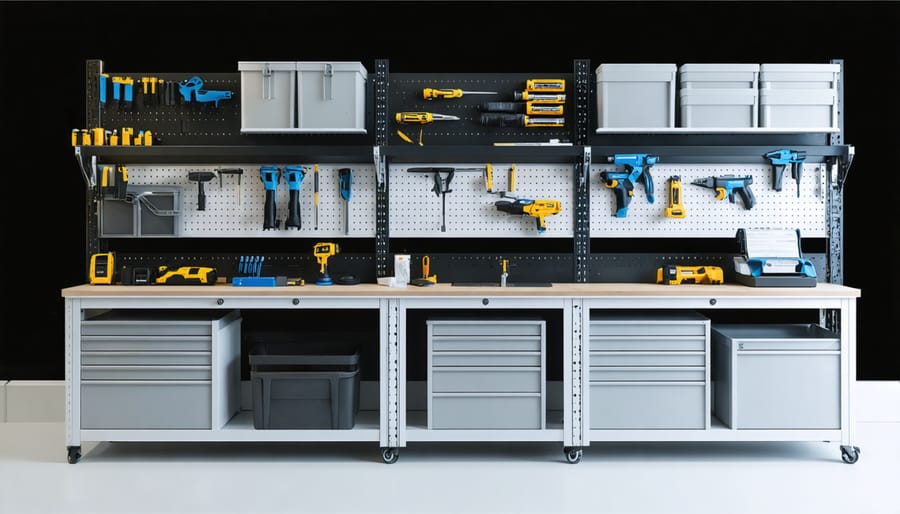
\n\nGetting your workbench and storage just right can make the difference between a workshop you love and one that frustrates you daily. Modern AI-powered design tools take the guesswork out of this process by analyzing your specific tools, project types, and physical needs to create an optimal layout.\n\nThe AI considers ergonomic factors like your height to recommend the perfect workbench elevation, typically between 34 and 38 inches for most users. It also calculates ideal depth based on your most-used tools, ensuring you have adequate work surface without wasting precious floor space. Placement matters too. The system positions your workbench near electrical outlets and natural light sources while maintaining clear pathways for safe movement.\n\nWhen it comes to smart storage solutions, AI mapping really shines. By cataloging your tool collection, it designs custom storage that keeps frequently used items within arm’s reach and seasonal equipment properly tucked away. Wall-mounted pegboards, overhead racks, and drawer systems are all positioned for maximum efficiency.\n\nTake Mark from Austin, who transformed his 12×16 workshop shed last spring. The AI recommended a corner workbench configuration that gave him 30 percent more usable space than his original plan. His table saw, miter saw, and hand tools now have designated spots, and he reports spending less time searching for equipment and more time actually building. The personalized layout even included charging stations for his cordless tools positioned right above his main work area, keeping batteries ready when he needs them.\n\n
 \n
\n\n\n
Climate Control and Ventilation Planning
\n\nGetting the climate control right makes all the difference between a workshop you’ll actually want to use and one that sits empty half the year. Here’s where smart planning really shines—by considering your specific location and how you’ll use your space, you can create a comfortable environment without sending your energy bills through the roof.\n\nIf you’re in a warmer climate and plan to spend long hours on detailed projects, AI tools can calculate the right insulation levels and recommend efficient cooling options like mini-split systems or strategically placed ventilation fans. For colder regions, the system might suggest radiant heating or insulated panels that hold warmth without constant energy drain.\n\nThe beauty of this approach is its precision. Instead of guessing whether you need one window or three, you’ll get recommendations based on your shed’s size, orientation to the sun, and typical usage patterns. One DIY enthusiast in Michigan shared how proper ventilation planning eliminated the condensation problems that plagued his old workshop, while a woodworker in Arizona found that shade-optimized placement plus targeted cooling kept her space usable even during summer peaks.\n\nThe goal isn’t just comfort—it’s creating conditions where you’ll actually enjoy spending time on your projects while keeping operating costs reasonable throughout the seasons.\n\n
Security and Access Features
\n\nProtecting your valuable tools and equipment doesn’t have to be complicated. Modern workshop sheds benefit tremendously from integrated smart locks and security features that work seamlessly with your electrical system.\n\nSmart locks eliminate the worry of lost keys and allow you to grant temporary access to contractors or family members through your smartphone. Many homeowners appreciate the peace of mind of receiving instant notifications whenever their workshop door opens, especially during off-hours.\n\nMotion-activated lighting serves double duty by deterring potential intruders while providing convenient illumination when you approach your shed with armloads of supplies. These sensors integrate easily into your electrical plan and consume minimal power.\n\nSecurity cameras have become surprisingly affordable and effective. AI-powered placement recommendations ensure cameras cover vulnerable entry points and valuable equipment storage areas without creating blind spots. Wireless options connect to your home network, storing footage in the cloud for easy access.\n\nOne DIY enthusiast shared that after installing motion sensors and a simple camera system, he felt confident storing thousands of dollars in power tools in his workshop shed. The monthly monitoring cost less than his premium savings from having secure off-site tool storage.\n\nThese security features add minimal complexity to your electrical setup but deliver maximum protection for your investment.\n\n\n
Getting Started: From AI Design to Your Backyard
\n\n
What You Need to Know Before You Start
\n\nBefore you dive into designing your perfect workshop shed with electricity, taking a few minutes to gather some key information will help you get results that truly fit your needs. Think of this as your pre-planning checklist—it’ll make the whole process smoother and ensure you end up with a workspace you’ll love.\n\nStart by measuring your available yard space. Knowing the exact dimensions helps narrow down realistic options and prevents disappointment later. Walk the area and note any obstacles like trees, slopes, or utility lines that might affect placement.\n\nNext, check your local building codes and HOA regulations. Some areas require permits for structures over a certain size or have restrictions on electrical work. A quick call to your local building department can save headaches down the road.\n\nBudget is another crucial factor. Be honest about what you can spend, remembering to account for both the shed itself and electrical installation costs. Having a clear number helps focus your options on customizable shed systems within reach.\n\nFinally, list your intended uses. Will you be running power tools daily? Need climate control for delicate projects? Want dedicated storage zones? The more specific you are about how you’ll actually use the space, the better your customization results will be. One customer told us that simply writing down “weekend woodworking plus winter equipment storage” helped them realize they needed both workbench space and wall-mounted racks—details that shaped their entire layout.\n\n
Working With Electrical Requirements and Permits
\n\nNavigating electrical permits might sound intimidating, but it’s actually a straightforward process that protects your safety and investment. The good news? Having detailed AI-generated plans can significantly simplify your conversations with both electricians and local inspectors.\n\nMost municipalities require electrical permits for workshop sheds, especially when you’re running power from your main house or installing circuits for tools and lighting. The process typically involves submitting your electrical plan, having the work completed by a licensed electrician, and scheduling an inspection before covering any wiring. While requirements vary by location, the basic steps remain consistent.\n\nHere’s where AI-generated plans become incredibly valuable. Instead of sketching rough ideas on napkins or trying to explain your vision verbally, you can show your electrician a detailed layout complete with outlet placements, lighting positions, and equipment locations. This visual clarity helps them provide accurate quotes and reduces the chance of costly mid-project changes.\n\nOne homeowner in Oregon shared how her AI-generated workshop plan helped her electrician immediately identify the best route for running conduit from her house, saving nearly 30 feet of wiring and several hundred dollars. The inspector also appreciated the clear documentation, making the approval process faster than expected.\n\nWhen meeting with your electrician, bring your AI-generated plans along with a list of tools and equipment you’ll be using. They’ll calculate the proper amperage, breaker sizes, and circuit requirements based on your actual needs rather than generic estimates. This collaboration ensures your workshop has adequate power without unnecessary expenses.\n\n\n
Real Workshop Transformations: What Homeowners Are Saying
\n\nThere’s nothing quite like hearing from real people who’ve transformed their backyard spaces into fully functional workshops. The difference that proper electrical planning makes becomes crystal clear when you see how these homeowners use their sheds daily.\n\nMark, a weekend woodworker from Ohio, spent years working in his cramped garage with extension cords snaking everywhere. “I was constantly unplugging one tool to use another,” he recalls. “The AI design tool helped me map out exactly where I needed outlets based on my table saw, drill press, and workbench locations.” His 12×16 workshop shed now features dedicated 20-amp circuits for power tools and separate lighting circuits. “The first time I walked in and flipped the switch to see everything lit up properly, I actually got emotional. It sounds silly, but this is the workshop I’ve dreamed about for twenty years.”\n\nJennifer in Arizona needed a craft studio for her small business making custom furniture restoration. Her biggest challenge was climate control and proper ventilation for finishing work. The electrical system in her shed powers not just her tools but also an HVAC unit and ventilation fan that keeps fumes safely exhausted. “I can work year-round now, even during summer when it hits 110 degrees outside,” she shares. “My productivity tripled because I’m not limited to early mornings anymore. Plus, having proper lighting means I can match stain colors accurately, which is crucial for my clients.”\n\nThen there’s Robert, a motorcycle enthusiast in Michigan who converted his shed into a heated workshop. “The AI planning showed me I needed a 240-volt circuit for my welder and a separate circuit for the space heater,” he explains. “I can work on my bike projects through winter now without freezing. My wife jokes that I’m out there more than I’m inside the house.”\n\nThese transformations share a common thread: proper electrical planning turned a simple storage shed into a space that genuinely improves daily life and makes hobbies more enjoyable.\n\n\nGone are the days of sketching layouts on napkins or second-guessing whether your electrical panel can handle that table saw. Creating your ideal workshop shed with electricity no longer requires an engineering degree or countless hours of frustrating trial and error. AI-powered customization tools have revolutionized how homeowners like you can design professional-grade workspaces, taking complex electrical planning and spatial considerations and turning them into simple, guided decisions.\n\nThe beauty of modern technology is that it meets you exactly where you are. Whether you’re a weekend woodworker dreaming of your first dedicated space or an experienced DIYer ready to transform your shed into something extraordinary, customization platforms remove the intimidation factor. They ask the right questions, calculate the details you might overlook, and present solutions tailored to your specific needs and budget.\n\nYour perfect workshop is closer than you think. No more settling for generic solutions that almost work or paying premium prices for consultations. The same technology that helps design commercial facilities is now available to help you create a workspace that genuinely fits your projects, your property, and your vision.\n\nReady to see what’s possible? Take a few minutes to explore customization options today. You might be surprised at how quickly your dream workshop goes from overwhelming possibility to exciting reality.