


Seasonal Shed Switch‑Ups: How to Repurpose Your Storage Through the Year

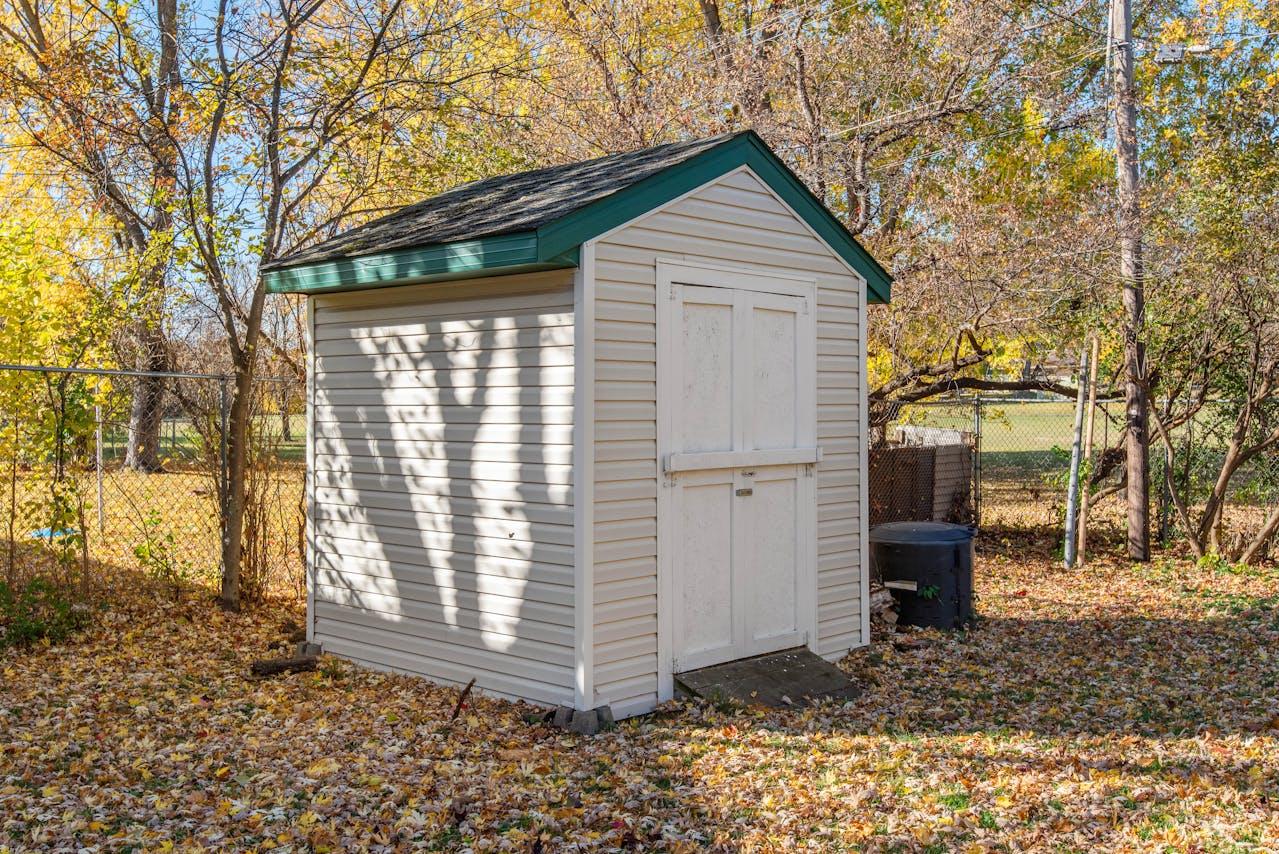
Your shed often becomes a catch-all space. Items go in and stay there for months. Still, that space can do much more for you. With small seasonal changes, it can support daily life all year. This approach shows how to repurpose your storage through the year without stress or high costs. Each season brings different needs. Spring needs room to move. Summer needs quick access. Fall needs sorting. Winter needs protection. When your shed shifts with those needs,you save space and time. You also avoid clutter that builds up without notice.
Prep Before You Pack: The Basics Every Shed Needs
Before you start moving bins and tools around, take a step back and do some basic prep. Clear a path in and around your shed. Sweep out dust, dirt, or leaves that may have collected over the months. Even a quick cleanup makes everything else easier and faster.
Next, sort items into broad categories before you get into seasonal swaps. Keep like with like—tools together, garden gear together, and odds and ends in their own pile. This prevents chaos once you start rearranging. Temporary boxes or crates work fine while you figure out where everything should go.
Check the condition of your storage space. Look for leaks, damp corners, or signs of pests. Learn how to pest-proof your storage unit and make sure it’s pest-free before adding anything back. Starting with a clean, safe space protects your items and makes future seasonal switch-ups smoother.
Spring Reset: From Winter Storage to Project Hub
Spring signals change at home. You spend more time fixing, planting, and cleaning. Your shed should support that shift.
- Start by removing winter items you no longer need this season.
- Group cold-weather tools in sealed bins. Place them at the back or on higher shelves. This clears floor space fast. You gain room to move without feeling boxed in.
- Next, turn part of the shed into a small project area. A basic table works for planting or repairs. Good lighting helps you work longer without strain.
- Finish with simple organization. Use clear bins, so you spot items right away. Add labels you can read at a glance. As a result, spring tasks feel easier and less rushed.
Summer Shift: Outdoor Living Support Zone
Summer pulls daily life outdoors. Yard work, games, and social time increase fast. Your shed should make those moments smoother. Easy access matters more than deep storage now. Move garden tools close to the door. Hang them on wall hooks to free floor space. This setup cuts setup time before each task. Home storage reports show vertical storage boosts usable space by up to 40 percent.
Create a clear zone for outdoor gear. Bikes, balls, and pool items belong together. Use bins with lids to block dust. You avoid searching while the day slips by. Think about comfort-focused storage. Hang foldable chairs and store umbrellas upright. Keep a small shelf for sunscreen or gloves. These changes help your shed support summer living, not slow it down.
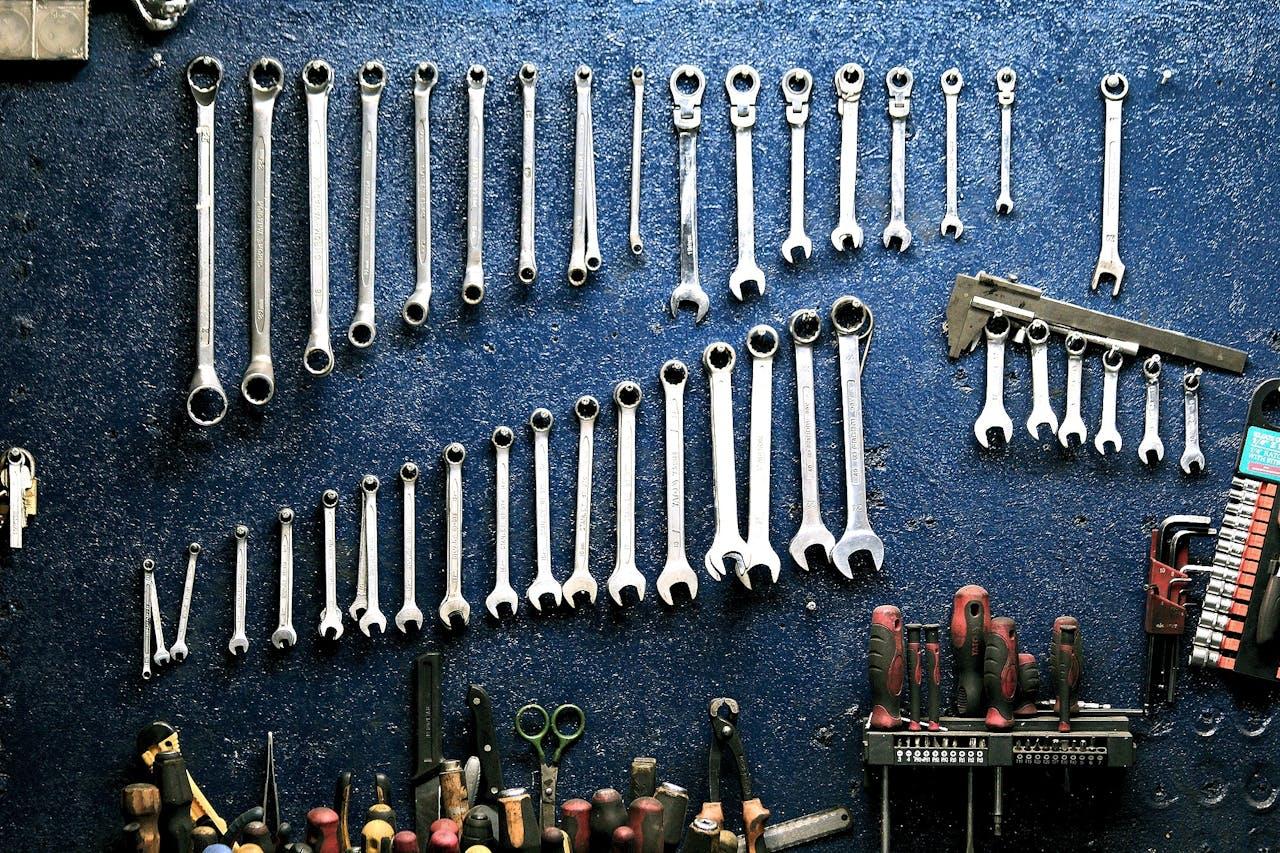
Use vertical wall space to keep tools visible and off the floor.
Fall Transition: Prep Space for Cooler Days
Fall brings cooler air and steady routines. Outdoor use slows while prep work increases. Your shed should shift from quick access to smart sorting. This helps you stay ready as days shorten.
Start by rotating summer items out. Clean them first, then place them in sealed bins. Stack them away from walk paths. This keeps the shed open for seasonal tools. Bring fall gear forward. Rakes, leaf bags, and pruning tools need easy reach. Store firewood on raised racks to block ground moisture. Airflow reduces wood decay risk.
Use this time to review what you own. Set aside items you did not use all year. Donate or discard them before winter. As a result, your shed stays lighter and easier to manage.
Winter Setup: Compact and Protected Storage
Winter limits outdoor work and increases storage needs. You should focus on safety and protection when storing your tools. Cold and damp conditions can damage stored items quickly. Start by moving sensitive items inward. Keep paint, electronics, and fabrics off outer walls. Cold surfaces trap moisture. This small shift reduces damage risk.
Control moisture inside the shed. Use basic absorbers or ventilation gaps. Lower humidity cuts mold growth, and dry air protects metal tools from rust. Stack bins by weight, heavy ones below. Keep emergency tools near the door. This setup keeps the shed usable, even during harsh weather.
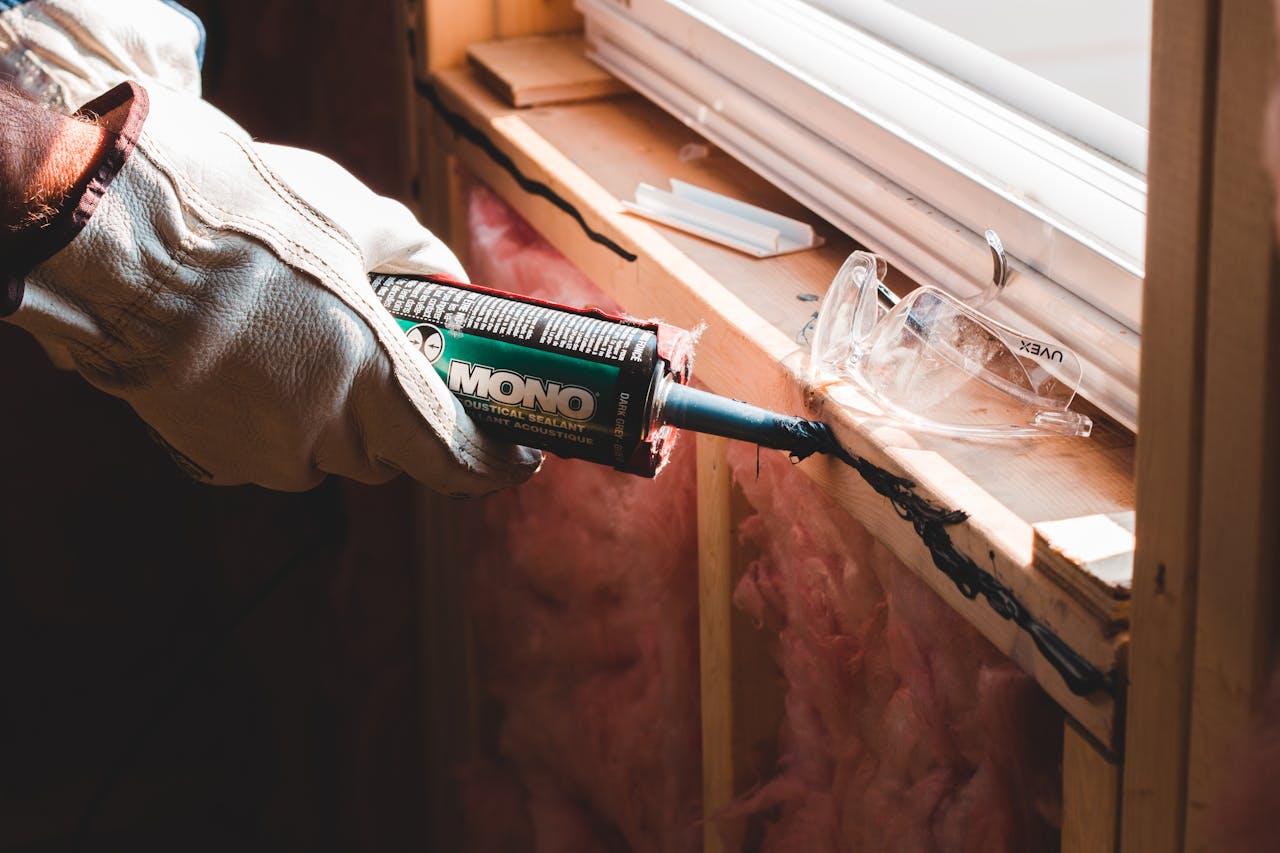
Seal small gaps around doors and windows to block cold air and moisture.
Storage Tools That Repurpose Your Storage Through the Year
Some storage tools work in every season. They adapt as your needs change. You do not need upgrades or custom builds. Simple tools often perform best.
Wall hooks support quick layout changes. You can hang tools, chairs, or hoses as needed. This keeps items visible and off the floor. Clear sight lines reduce wasted time.
Stackable bins help with rotation. Choose bins with tight lids to block dust and moisture. Use the same sizes so stacking stays stable. Consistent bin shapes save space.
Pegboards handle small items well. Nails, gloves, and hand tools stay within reach. Add rolling carts for flexibility. Research on home storage shows modular systems extend space use across the year.
Simple Habits That Keep the System Working
Even the best setup can fail without simple habits. Small routines make a big difference. They help you stay organized and keep your system working all year.
- Review your shed layout every three months. Small tweaks prevent clutter buildup.
- Return items to their spot immediately after use. This keeps space open and reduces mess.
- Clean spills, dirt, or leaves right away. Dirt can attract pests or cause moisture damage.
- Track stored items on a simple list. Knowing what you have saves time searching later.
- Rotate seasonal items regularly. Move current-season tools forward and store off-season items away.
With these habits, your she stays functional all year. Minimal effort prevents major reorganization later. Small routines make each seasonal switch easier to handle.

Make Your Shed Work as Hard as You Do
A shed can do much more than hold clutter. With thoughtful changes, it adapts to every season, keeping your home organized and tasks simple. Following small steps and using the right tools shows how to repurpose your storage through the year effectively. When your shed works with you instead of against you, every season feels easier. You save time, protect your items, and enjoy a clear, functional space. Little switch-ups add up, making your shed a true partner for home life.