


See Exactly Where Your Shed Will Look Best Before You Buy

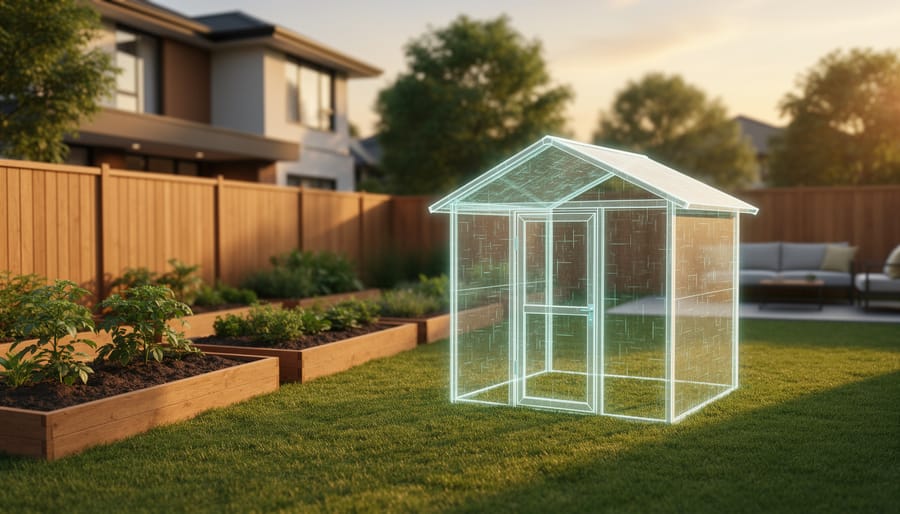
Picture this: You’ve found the perfect shed, but once it arrives, you realize it blocks your favorite garden view or crowds your patio space. Now there’s a smarter way to plan. AI virtual shed placement planners let you drop a digital version of any shed onto a photo of your yard, and you can visualize your new items without actually buying them online. With Virtual Staging Software at https://best-virtual-staging-software.lovable.app/, you can work similarly to digitally add decor to photos of empty or outdated homes for placing new furniture in your house and checking whether it looks nice or bad. These tools use artificial intelligence to show you exactly how different shed sizes, styles, and positions will look in your actual space before you commit to a purchase.
The technology eliminates costly guesswork. Simply upload a photo of your backyard, select your preferred shed model, and drag it around to test various locations. You’ll instantly see if that 10×12 storage shed fits comfortably near your fence line or if the 8×10 works better beside your garden beds. Real homeowners report avoiding expensive mistakes like ordering sheds that overwhelm small yards or placing them where they block natural pathways. This virtual approach transforms shed shopping from a stressful gamble into a confident, informed decision that saves both money and regret.
What Is AI Virtual Shed Placement?
If you’ve ever struggled to picture how a shed might look in your backyard before making a purchase, AI virtual shed placement is about to become your new best friend. Think of it as virtual staging for your outdoor space—the same technology real estate agents use to show empty homes with digital furniture, but designed specifically for visualizing sheds in your yard.
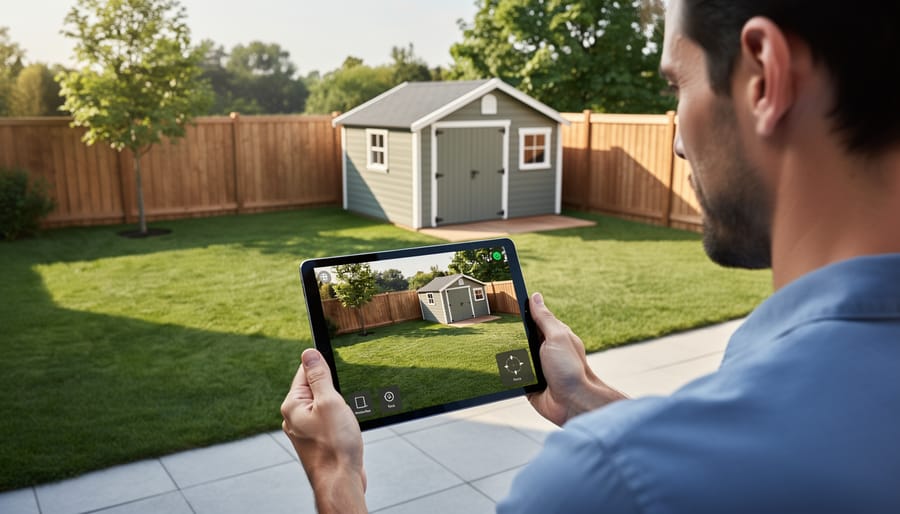
The process is refreshingly simple. You start by uploading a photo of your yard or the specific area where you’re considering placing a shed. The AI technology then allows you to digitally place realistic shed images into that photo, giving you an accurate preview of how different sizes, styles, and colors will look in your actual space. No more guessing games or trying to visualize measurements in your head.
What makes this technology particularly helpful is its ability to account for real-world factors. You can see how a shed fits alongside your existing garage, whether it blocks any windows, or if it overwhelms a smaller yard. One homeowner, Sarah from Oregon, shared that using virtual placement helped her realize the 10×12 shed she wanted would actually dwarf her garden space—she opted for an 8×10 instead and couldn’t be happier with the proportions.
The beauty of AI virtual shed placement is that it removes the anxiety from decision-making. Instead of relying solely on product dimensions and hoping for the best, you get a visual confirmation before spending a dime. It’s like having a crystal ball for your backyard project, helping you move forward with confidence and avoid costly placement mistakes that might have you relocating your shed down the road.
Why Visualizing Your Shed Before Buying Changes Everything
Avoid the #1 Mistake: Wrong Size and Placement
Sarah from Ohio learned the hard way about shed placement. She purchased a beautiful 12×16 shed for her backyard, only to discover it completely blocked her kitchen window view and created an awkward dead space along her fence. “I measured the dimensions, but I didn’t visualize how it would actually look in my yard,” she admits. The shed now sits unused because accessing it requires squeezing through a narrow pathway she hadn’t anticipated.
Then there’s Mike from Texas, who bought what he thought was the right shed size for his tools and lawn equipment. Unfortunately, he didn’t account for the concrete pad extending beyond the shed’s footprint, which now encroaches on his property line and violates local setback requirements.
An AI virtual shed placement planner prevents these costly mistakes before they happen. By overlaying different shed sizes onto your actual yard photos, you can instantly see how each option affects sightlines, traffic flow, and available space. You’ll spot potential problems like awkward door placements, insufficient clearance, or obstructed views while they’re still just pixels on a screen—not expensive regrets in your backyard.
See How Different Styles Match Your Home
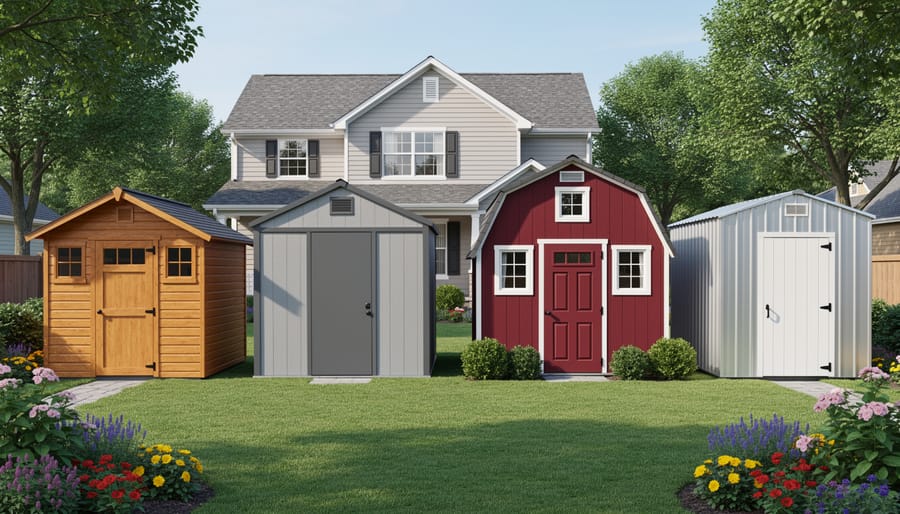
One of the most exciting features of AI virtual shed placement planners is the ability to preview different material and color options right on your property. Instead of trying to imagine how a cedar wood shed might look compared to a metal or vinyl option, you can see them side-by-side in realistic detail.
Simply upload your property photo, and the planner lets you switch between materials with a few clicks. Compare the rustic charm of natural wood against the sleek, modern appearance of metal, or explore low-maintenance vinyl options in various colors. This visual comparison is invaluable for ensuring your new shed complements your home’s exterior, fencing, and landscaping.
Sarah from Portland shared her experience: “I was torn between a traditional brown shed and a modern gray option. The virtual planner showed me that gray actually matched my home’s trim beautifully, something I never would have considered otherwise.”
The technology takes the guesswork out of color coordination, helping you avoid costly mistakes. You’ll feel confident knowing your shed will enhance your property’s curb appeal rather than clash with your existing aesthetic. It’s like having a design consultant available 24/7, right from your smartphone or computer.
How to Use Virtual Shed Placement Tools
Getting Your Yard Photos Right
Getting great photos of your yard is the foundation for accurate AI shed placement planning. Start by taking pictures from multiple angles—capture shots from each corner of your property and from where you’ll most frequently view the shed, like your back door or patio. This gives the AI planner comprehensive data to work with and helps you visualize how the shed will look from different perspectives.
Lighting makes all the difference in photo quality. Aim for mid-morning or late afternoon when natural light is soft and even. Avoid harsh midday shadows or gloomy overcast conditions that can obscure important details. Clear, well-lit photos help the AI accurately detect boundaries, landscaping features, and existing structures.
Here’s a game-changer: include reference points for scale. Place a measuring tape on the ground, position a standard lawn chair in the frame, or stand next to key spots yourself. These familiar objects help the AI calculate dimensions more precisely, ensuring your virtual shed placement reflects real-world proportions. Also, capture any obstacles like trees, utility boxes, or fence lines that might affect placement. The more detail you provide, the more accurately the planner can help you find the perfect spot for your new storage solution.
Experimenting With Placement Options
One of the most exciting features of an AI virtual shed placement planner is the ability to test multiple locations without lifting a finger. Take advantage of this by experimenting freely with different spots around your property. Start by placing your virtual shed in obvious locations, then get creative with areas you might not have initially considered.
As you explore options, pay attention to practical factors that will affect your shed’s performance and longevity. Level ground is essential for proper shed installation and durability. The AI tool can often identify slope issues, but you’ll want to verify these observations by physically checking potential sites. Consider drainage patterns too. Avoid low-lying areas where water collects after rain, as moisture accumulation can lead to foundation problems and premature wear.
Think about convenience when experimenting with placement. How far will you need to walk to retrieve tools or equipment? A location close to your house might be ideal for frequently used items, while a more distant spot could work for seasonal storage. Also factor in sunlight exposure. Too much direct sun on certain materials can cause fading, while adequate ventilation prevents moisture buildup.
Don’t forget to check any HOA requirements or local building codes before finalizing your choice. Some communities have setback requirements from property lines or restrictions on visibility from the street. The beauty of virtual planning is that you can ensure compliance before making any commitments, saving you potential headaches and costly adjustments down the road.
Real Success Stories: Homeowners Who Planned First
Sarah Mitchell from Oregon was ready to buy her dream 10×12 garden shed when she decided to try a virtual placement tool first. “I was absolutely convinced it belonged right in the corner of my yard,” she recalls. The AI planner revealed a problem she hadn’t considered: her perfect spot would have blocked the afternoon sun from her vegetable garden and made mowing around it nearly impossible. After testing different placements virtually, she found a location that actually improved her yard’s flow. “The final result matches exactly what I saw on screen, and I’m so glad I didn’t trust my initial instinct alone.”
Mike and Jennifer Chen faced a different challenge with their narrow side yard in suburban Chicago. They needed storage but worried about overwhelming their small space. Using virtual placement software, they experimented with different shed sizes and styles. “We thought we needed the largest shed possible, but the planner showed us that an 8×10 actually looked better proportioned and still gave us plenty of room,” Mike explains. The tool also helped them discover that positioning the door on the side rather than the front made access much easier. “When the shed arrived and we placed it exactly where the app suggested, it felt like we’d made a custom decision for our specific yard.”
Tom Rodriguez in Texas avoided a costly mistake when his virtual planner highlighted that his chosen location sat directly over a buried utility line he’d forgotten about. “Moving it just four feet solved the problem, and I never would have caught that without seeing the overhead view,” he says. The visualization also convinced him to add a small gravel path, which he’d been debating. “Seeing it all together virtually gave me confidence to complete the whole project right the first time.”
Beyond Sheds: Virtual Planning for Your Whole Outdoor Space
The beauty of AI virtual planning technology is that it doesn’t stop at sheds. Once you’ve mastered visualizing your storage solution, you can apply the same approach to transform your entire backyard into the outdoor oasis you’ve always imagined.
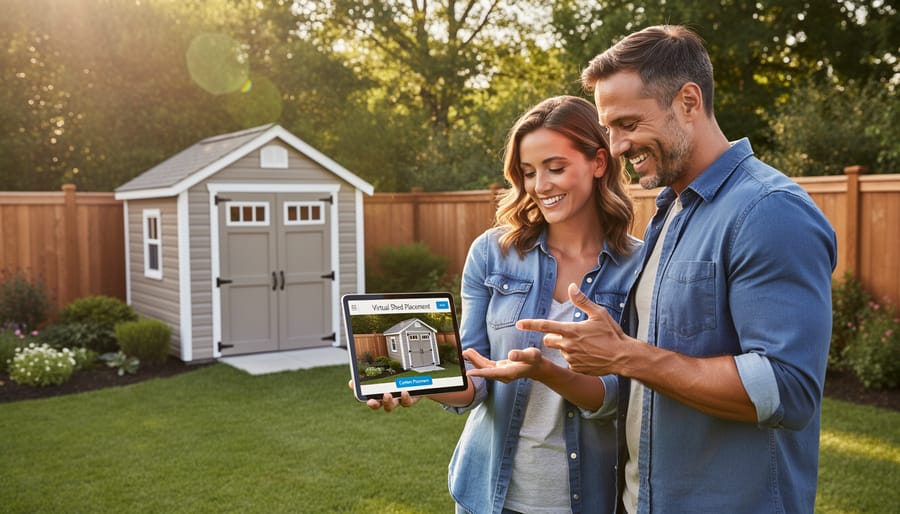
These planning tools work just as effectively for greenhouses, gazebos, pergolas, playhouses, and even outdoor kitchens. The same AI that helps you position a shed perfectly can show you how a greenhouse would look nestled in that sunny corner, or whether a gazebo would complement your patio without overwhelming it.
Many homeowners discover that planning multiple structures together actually leads to better outcomes. You might realize that placing your shed near the back fence creates the perfect opportunity for a small greenhouse beside it, sharing a natural pathway. Or that positioning a gazebo strategically provides shade for both your patio and the side of your storage building.
Real users have shared how this comprehensive planning approach saved them from costly mistakes. One couple avoided purchasing a large gazebo that would have blocked their shed’s door access, something they only noticed when viewing both structures together virtually. Another homeowner designed an entire backyard layout with a shed, greenhouse, and pergola, ensuring proper spacing and flow before making any purchases.
The confidence that comes from seeing your complete outdoor vision before committing to it is invaluable, turning what could be a stressful series of separate decisions into one cohesive, exciting project.
What to Consider After You’ve Chosen Your Perfect Spot
Congratulations! You’ve used your AI virtual shed placement planner to find the ideal spot for your new storage solution. Now comes the exciting part—turning that digital vision into reality. Before you start celebrating, there are a few essential steps to tackle first.
Start by checking with your local building department about permit requirements. Many municipalities have specific regulations about shed size, setback distances from property lines, and maximum height restrictions. It’s much easier to verify these details now than to face potential fines or required modifications later. A quick phone call or website visit can save you significant headaches down the road.
Next, focus on preparing the foundation site. Your virtual planner showed you where the shed looks best, but the actual ground needs proper preparation. You’ll want to ensure the area is level, has adequate drainage, and can support your chosen foundation type, whether that’s concrete blocks, gravel, or a concrete slab.
Don’t forget about delivery access. Walk the path from your driveway or street to your chosen location. Will a delivery truck fit? Are there low-hanging branches or narrow gates that need addressing? Measuring these access points now prevents delivery day disasters.
Finally, consider your future needs. Will you want electricity for power tools or lighting? Planning for utility access during installation is far easier than adding it later. Think about running conduit or wiring before completing the foundation. Your virtual placement helped you visualize the perfect spot—now these practical steps will help you build it with confidence.
Taking the guesswork out of choosing and placing a shed is one of the biggest advantages an AI virtual shed placement planner offers homeowners. Instead of relying on rough estimates or hoping for the best, you can see exactly how your new shed will look in your actual yard before spending a single dollar. This visual confirmation eliminates costly mistakes like discovering your shed blocks a favorite garden view or overwhelms your patio space.
The peace of mind that comes from this technology is invaluable. You’ll know with certainty that your investment will enhance your property rather than create regret. Take a moment to explore virtual planning tools before making your purchase decision. Many homeowners who’ve used these planners share how much more confident they felt moving forward with their shed purchase. You’re not just buying storage; you’re making an informed decision that fits your lifestyle, property, and vision. Try visualization first and transform your shed shopping experience from uncertain to exciting.