


Your Greenhouse Plants Are Dying Because of These Water Mistakes

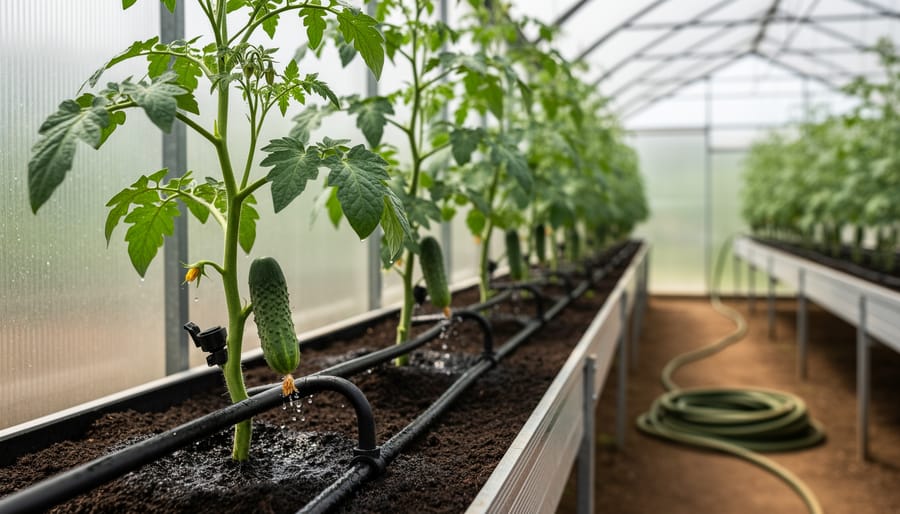
Stop hand-watering your greenhouse daily and wondering why some plants thrive while others wilt despite your best efforts. The problem isn’t your dedication—it’s an inefficient water delivery system that wastes your time and creates inconsistent moisture levels across your growing space.
A proper greenhouse water system solves three critical challenges at once: it eliminates the daily watering grind that consumes 30-45 minutes of your morning, ensures every plant receives exactly the moisture it needs without guesswork, and prevents the overwatering and underwatering that kills more greenhouse plants than pests and disease combined.
Whether you’re running a small 8×10 backyard greenhouse or a larger growing operation, choosing between drip irrigation, misting systems, and overhead sprinklers depends on what you’re growing and how much control you need. Drip systems excel for container plants and vegetables, delivering water directly to roots while keeping foliage dry to prevent fungal issues. Misting systems work best for humidity-loving plants and seedling propagation. Overhead sprinklers cover large areas quickly but can promote leaf diseases if you’re growing tomatoes or cucumbers.
The good news? Installing a basic automated system costs less than most gardeners expect and pays for itself within a single growing season through water savings and healthier plants. You’ll discover which system matches your specific setup, avoid the five most common installation mistakes that lead to dead zones and flooding, and learn how to automate watering schedules so your plants thrive even when you’re away for a weekend.
Why Your Garden Hose Isn’t Cutting It Anymore
If you’re still dragging the garden hose into your greenhouse every few days, you know the struggle. What starts as a quick watering session turns into a balancing act of trying to reach every plant without knocking over seedlings or creating puddles in the corners.
The real problem? Your hose doesn’t know when your tomatoes are thirsty or when your herbs have had enough. Some plants end up drowning while others sit bone-dry just a few feet away. You’re left guessing, checking soil with your fingers, and hoping you got it right this time.
Then there’s the time factor. Sarah from Oregon shared her experience: “I was spending 45 minutes every morning before work watering my 10×12 greenhouse. By summer, I was exhausted and my plants were suffering because I’d rush through it.”
Manual watering also creates inconsistency that plants hate. Miss a day because life gets busy, and your seedlings start wilting. Overcompensate the next day, and you risk root rot. It’s a cycle that’s nearly impossible to perfect, especially during vacation time or busy seasons.
The physical toll adds up too. Carrying water cans, managing heavy hoses, and bending over dozens of pots isn’t just time-consuming, it’s hard on your back and shoulders. For anyone with mobility concerns, it can turn greenhouse gardening from a joy into a chore.
A proper greenhouse water system tackles all these headaches head-on. It delivers consistent moisture exactly where your plants need it, runs on a schedule that matches growing requirements, and frees up your time for the enjoyable parts of gardening like harvesting and planning your next crop.
The Three Types of Greenhouse Water Systems That Actually Work
Drip Irrigation: Set It and Forget It
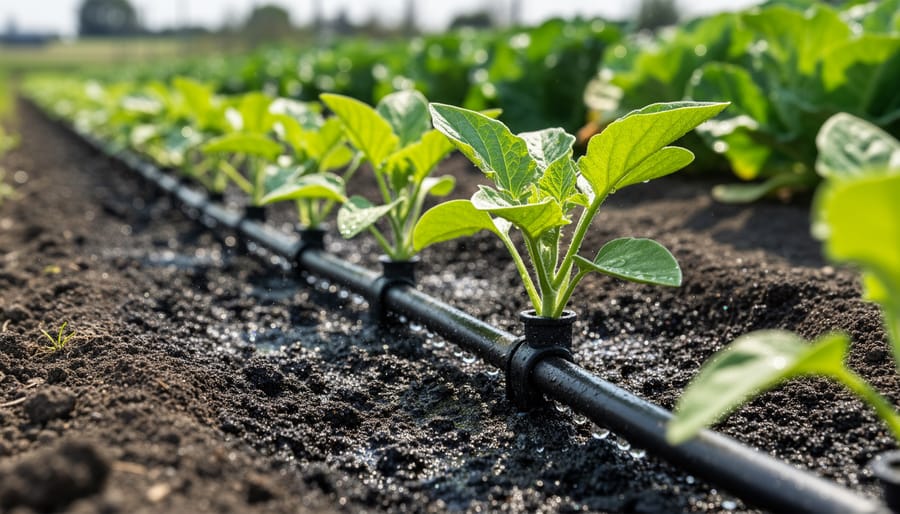
If you’re tired of dragging hoses around your greenhouse every morning, drip irrigation might just become your new best friend. This clever system delivers water directly to your plants’ roots through a network of tubing and small emitters, giving each plant exactly what it needs without any guesswork on your part.
Here’s how it works: you connect a main line to your water source, then run smaller tubes to individual plants or rows. Tiny emitters release water slowly and steadily, either on a timer or when you turn them on. The beauty is that water goes exactly where it’s needed, not on walkways, leaves, or bare soil.
The benefits are pretty impressive. You’ll use 30-50% less water compared to overhead watering since there’s virtually no evaporation or runoff. Your plants get consistent moisture levels, which means healthier roots and fewer problems with stress-related diseases. Plus, you can literally set a timer and walk away – perfect for busy weekends or vacations.
Sarah, a greenhouse owner from Oregon, shares her experience: “I was skeptical about the setup, but after one season with drip irrigation, I’ll never go back. My tomatoes are thriving, and I’ve saved hours every week.”
Drip systems work best for row crops, potted plants, and anything requiring regular watering. They’re ideal if you grow vegetables, herbs, or flowering plants that need consistent moisture.
As for setup, basic kits start around $50-100 for small greenhouses and take just an afternoon to install. You don’t need special tools – just scissors, maybe some stakes, and patience. The tubing is flexible and forgiving, so don’t worry about making mistakes. Most DIY enthusiasts find it straightforward, especially with the helpful instruction videos available online.
Soaker Hoses: The Budget-Friendly Middle Ground
If you’re not ready to invest in a full drip irrigation setup but hand-watering has become exhausting, soaker hoses might be your sweet spot. These porous hoses slowly weep water along their entire length, delivering moisture directly to plant roots without fancy equipment or installation headaches.
Soaker hoses work beautifully in smaller greenhouses or for gardeners growing plants in neat, organized rows. They’re particularly effective for raised beds and container gardens where you can lay the hose in predictable patterns. Sarah from Portland discovered this after struggling with inconsistent watering in her 8×10 greenhouse. She spent about $40 on soaker hoses and simple connectors, arranging them in loops around her tomato plants. The system cut her watering time from 30 minutes daily to just turning a valve for 45 minutes three times weekly.
The limitations are worth noting, though. Soaker hoses don’t offer the precision of drip systems, so some areas might get oversaturated while others stay too dry. They also work best with consistent water pressure and can clog over time if you have hard water. They’re not ideal for complex greenhouse layouts or if you’re growing plants with vastly different watering needs side-by-side.
For many homeowners, soaker hoses represent that practical middle ground between the freedom of automation and the budget constraints of reality. They’re forgiving, easy to adjust seasonally, and won’t break the bank.
Overhead Sprinkler Systems: When They Make Sense
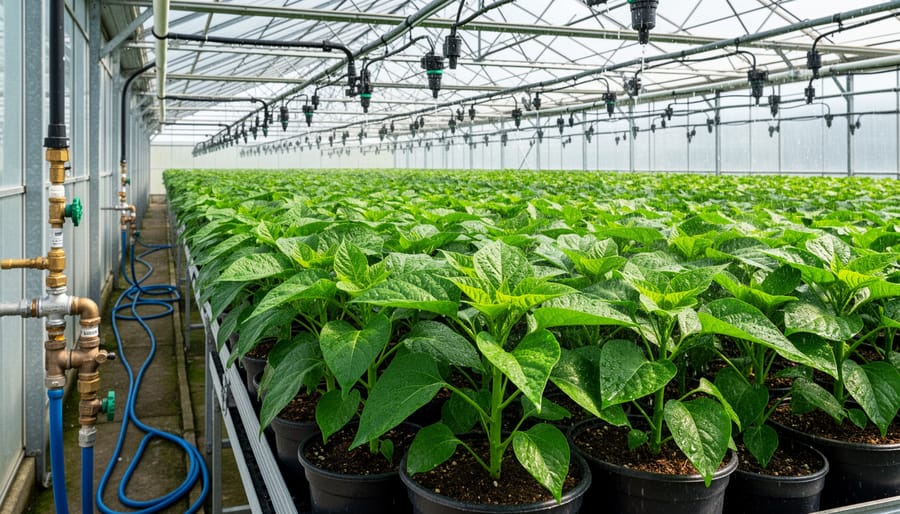
Overhead sprinkler systems work just like rainfall, delivering water from above through spray nozzles mounted throughout your greenhouse. They’re wonderfully simple to set up and budget-friendly compared to more complex irrigation methods, making them popular among gardeners getting started with automated watering.
These systems shine when you’re growing similar plants that all need the same amount of water. If your greenhouse is packed with uniform crops like lettuce beds, seedling trays, or rows of the same vegetable varieties, overhead watering can be incredibly efficient. They also excel at cooling your greenhouse on hot days and boosting humidity for plants that love moisture.
However, overhead systems come with important considerations. Water sitting on leaves creates a welcome environment for fungal diseases and mildew, especially in greenhouses with limited air circulation. One frustrated grower shared how her beautiful tomato plants developed late blight after switching to overhead watering, teaching her this lesson the hard way.
You’ll also face higher water waste through evaporation, and delicate flowers or fruiting plants often suffer from the constant spray. Plus, these systems water everything equally, which becomes problematic when you’re growing plants with different moisture needs.
Overhead sprinklers make the most sense for propagation houses, microgreen operations, and uniform vegetable starts. They’re also perfect for temporary setups or greenhouse beginners testing automated watering. Just remember to water early in the day so foliage dries before nightfall, reducing disease risks considerably.
What You Need Before Installing Any Water System
Before you dive into choosing a water system, let’s make sure you’re setting yourself up for success. Taking a few minutes now to assess your situation will save you headaches, wasted money, and potentially some frustrated plants down the road.
Start by evaluating your water source. Where’s your nearest water connection? Is it a garden hose hookup, rain barrel, or well? The distance from your water source to your greenhouse matters more than you might think. Running lines across your yard adds complexity and cost, so knowing this upfront helps you choose the right system. If you’re relying on collected rainwater, you’ll need a different approach than someone with direct municipal water access.
Next, measure your greenhouse dimensions and count your plants. A small 8×10 hobby greenhouse with twenty potted herbs has completely different needs than a 20×30 structure packed with tomatoes and cucumbers. Your plant types matter too. Succulents and cacti need minimal water, while lettuce and strawberries are thirsty drinkers. Make a quick list of what you’re growing and research their water requirements if you’re unsure.
Consider your schedule honestly. Are you home daily to hand-water if needed, or do you travel frequently? Sarah, a greenhouse hobbyist from Ohio, shared that she wished she’d considered her weekend trips before installing a manual system. Now she returns to wilted plants every Monday morning. An automated system would have been worth the extra investment.
Budget is the reality check everyone needs. Water systems range from thirty dollars for basic drip irrigation to several hundred for automated setups with timers and sensors. Decide what you can comfortably spend, but remember that investing a bit more upfront often means less maintenance and better plant health long-term.
Finally, think about your DIY comfort level. Some systems require cutting pipes and installing fittings, while others connect with simple twist-on adapters. Being realistic about your skills ensures you choose something you’ll actually complete rather than leaving half-installed in frustration.
The Smart Add-Ons That Make Your System Practically Run Itself
Once you’ve got your basic watering system sorted out, a few smart upgrades can turn your daily greenhouse routine into something that practically manages itself. The best part? These additions pay for themselves surprisingly quickly through water savings and the time you’ll get back.
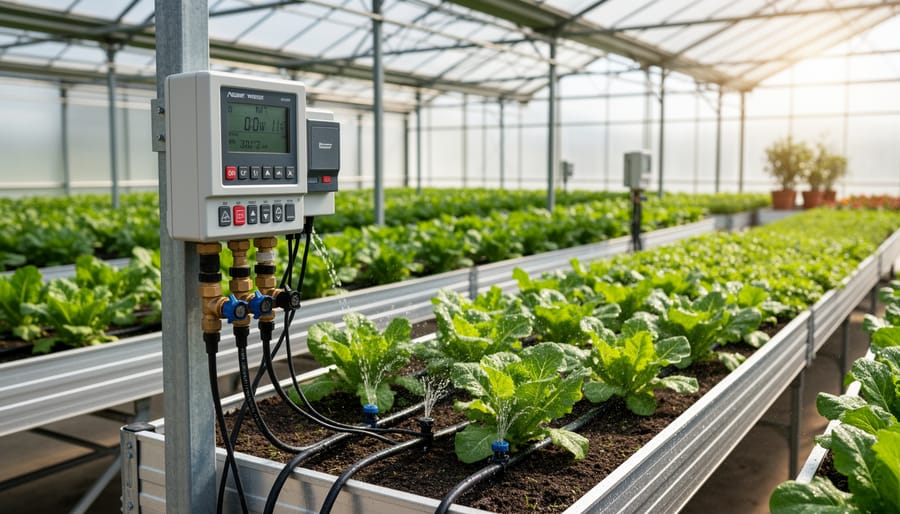
Timers are the easiest place to start, and they’re absolute game-changers. A basic mechanical timer costs around $15-25 and plugs right between your faucet and hose. Set it once, and your plants get watered consistently whether you’re home or on vacation. Digital versions run $30-60 and offer multiple watering cycles per day, which is perfect if you’re growing thirsty vegetables or seedlings that need frequent moisture. Sarah from Portland told us she stopped losing tomato plants to irregular watering within a week of adding a timer. “I thought I had a black thumb with greenhouse tomatoes until I realized I was just forgetting to water on busy mornings,” she shared.
Moisture sensors take things up another notch by only watering when your plants actually need it. These clever devices stick into your soil and communicate with your timer, preventing overwatering while ensuring nothing goes dry. Basic models start around $40, while wifi-enabled versions ($80-150) send alerts to your phone. The water savings really add up. Most greenhouse owners report reducing water use by 25-40% once they stop guessing about moisture levels.
Rain barrels deserve serious consideration, especially if you’re managing water costs. A 50-gallon barrel runs $80-120 and connects directly to your greenhouse downspout, capturing free water for later use. You’ll recoup that investment within a season in most climates. The bonus? Rainwater lacks the chlorine and minerals found in tap water, which many plants actually prefer. Connect your barrel to a simple gravity-fed drip system, and you’ve created an almost completely automated watering setup.
The real beauty of these add-ons is how they work together. Start with whichever solves your biggest headache, whether that’s inconsistent watering, high water bills, or just wanting more freedom from daily greenhouse duties. You can always add more later as your system evolves.
Avoiding the Biggest Water System Mistakes
Even the best greenhouse water system won’t work properly if you fall into these common traps. The good news? Most problems are surprisingly easy to prevent with a little awareness and regular attention.
Improper water pressure ranks as the number one culprit behind watering frustrations. Too much pressure causes emitters to pop off or mist excessively, wasting water and soaking walkways. Too little pressure leaves some plants thirsty while others get plenty. A simple pressure regulator (usually around $15-20) solves this instantly. If you notice uneven watering patterns, check your pressure first before assuming you need a complete system overhaul.
Clogged emitters sneak up on greenhouse owners gradually. You might not notice a blocked drip line until a plant starts wilting. Sarah from Colorado learned this the hard way: “I thought my tomatoes were diseased until I realized three emitters were completely blocked with mineral deposits.” Prevention is simple. Flush your lines monthly and consider installing an inline filter, especially if you’re using well water or have hard water issues.
Overwatering certain zones happens when you treat all plants the same. Your seedlings need completely different moisture levels than your mature tomatoes. Create separate zones with individual timers or valves, allowing customized schedules for different plant needs.
Seasonal adjustment failures catch many people off guard. The watering schedule that worked perfectly in June will drown your plants in October. Mark your calendar to review and adjust your timer settings every four to six weeks as temperatures and daylight hours change.
The simplest preventive measure? Walk through your greenhouse weekly with a notebook. Check soil moisture by hand, inspect emitters, and watch for unusual plant behavior. Five minutes of observation prevents weeks of recovery time.
Choosing the right water system for your greenhouse doesn’t need to feel overwhelming. Start simple by assessing what you’re actually growing and how much time you can dedicate to watering. A basic drip line might be all you need initially, and that’s perfectly fine. As you become more comfortable and your garden expands, you can always add timers, sensors, or zone controls.
Remember, even a modest watering system will save you countless hours and help your plants thrive more consistently than hand-watering alone. Think of it as protecting the investment you’ve already made in your greenhouse space. When you’ve put thought and resources into creating the perfect growing environment, proper water management is what brings it all together and lets your plants reach their full potential. Start where you are, use what works, and grow your system alongside your gardening confidence.