


Keep Your Hot Tub Gazebo Dry and Beautiful for Years

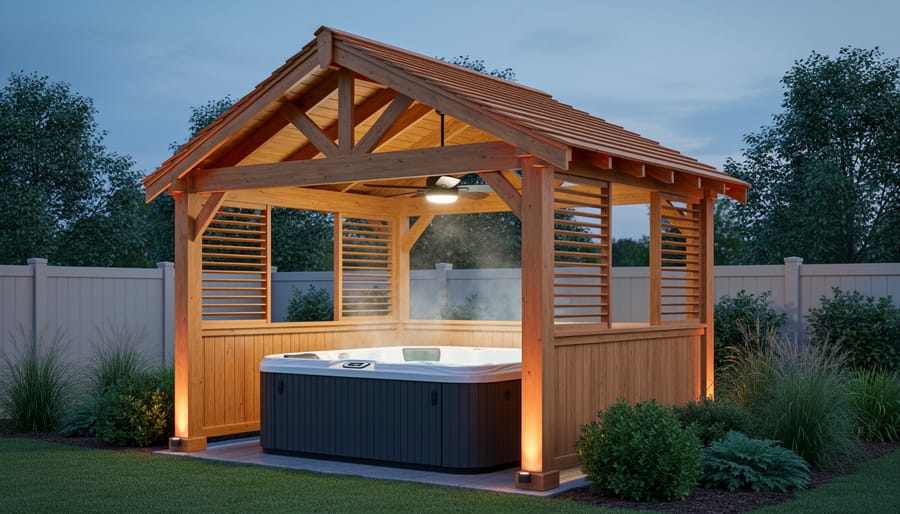
Picture this: steam rising from your hot tub on a cool evening, surrounded by the elegant structure of a gazebo that transforms your backyard into a private spa retreat. But before you fall in love with Pinterest-perfect images, understand that combining a gazebo with a hot tub requires more than aesthetic vision—it demands careful planning to prevent moisture damage, ensure proper ventilation, and create a space that lasts for years.
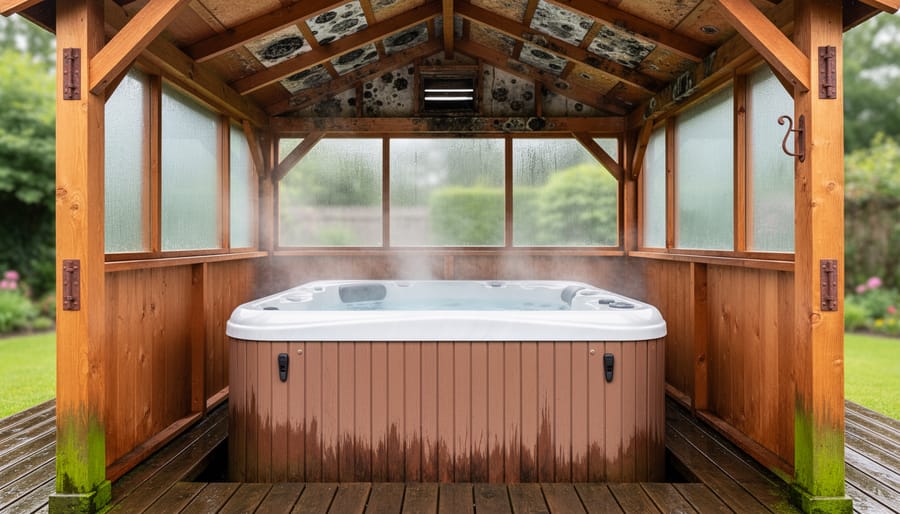
The reality many homeowners discover too late is that inadequate moisture management can lead to mold, wood rot, and structural deterioration within just a few seasons. Your hot tub installation paired with the wrong gazebo design becomes an expensive mistake rather than the relaxing oasis you envisioned. The good news? With the right approach, you can absolutely create a stunning, functional gazebo hot tub combination that protects your investment while delivering that resort-style experience at home.
Whether you’re working with a modest budget and considering a DIY canopy setup or planning a custom-built permanent structure, the key lies in balancing beauty with practicality. Your gazebo needs to handle constant humidity, provide adequate airflow, accommodate electrical and plumbing requirements, and still look amazing. This guide walks you through proven design ideas across every budget level, addresses the technical essentials that protect your investment, and helps you avoid the common pitfalls that turn dream projects into costly repairs.
Why Moisture Is Your Hot Tub Gazebo’s Biggest Enemy
When you add a hot tub to your gazebo, you’re creating a unique microclimate that can wreak havoc on your structure if you’re not prepared. Unlike a regular garden gazebo, a hot tub setup generates constant steam and humidity that rises directly to your ceiling and walls. The temperature swings are dramatic too—imagine scorching steam meeting cold winter air, creating condensation that drips back down onto your beautiful woodwork.
This isn’t just about a little dampness. Many homeowners discover the hard way that their gazebo wasn’t built to handle this moisture assault. The most common problems? Mold growth in ceiling corners and rafters, wood rot that compromises structural integrity, warped boards that create gaps in your roofline, and peeling paint or stain that leaves your gazebo looking shabby within a year or two.
One homeowner from Minnesota shared that she spent $8,000 on a gorgeous cedar gazebo, only to find black mold spreading across the ceiling after just one winter of hot tub use. Another discovered rotting support beams after three years—a repair that cost nearly as much as the original structure.
The financial impact goes beyond repairs. Ignoring moisture protection means you’ll face ongoing maintenance costs, potential safety hazards from weakened structures, decreased property value, and possibly even health concerns from mold exposure. Some insurance policies won’t cover moisture damage if proper ventilation wasn’t installed, leaving you to foot the entire bill.
The good news? Understanding these challenges upfront means you can design your gazebo hot tub setup correctly from day one, saving thousands in future headaches and creating a relaxing retreat that lasts for decades.
The Science Behind Proper Hot Tub Gazebo Ventilation
Natural vs. Mechanical Ventilation Options
When planning your gazebo hot tub setup, choosing the right ventilation approach can make all the difference in keeping your space comfortable and moisture-free.
Natural ventilation relies on passive airflow through strategically placed openings. Think of vents built into your gazebo walls, decorative louvers along the roofline, or simply keeping one or two sides partially open. The beauty of this approach is its simplicity—no electricity costs, minimal maintenance, and a quieter atmosphere perfect for relaxation. Many homeowners love how natural vents can blend seamlessly with their gazebo’s design, especially in open-air or pergola-style structures. However, passive ventilation works best in moderate climates and may struggle during extreme humidity or cold snaps when you need consistent air exchange.
Mechanical ventilation brings more control to the table. Exhaust fans mounted in the ceiling or walls actively pull moisture-laden air out, while some setups integrate with your home’s HVAC system for year-round climate control. This option shines in enclosed gazebos or regions with harsh weather, where you need reliable moisture management regardless of outdoor conditions. The tradeoff? Higher upfront costs, ongoing electricity use, and occasional maintenance like filter cleaning.
For most hot tub gazebos, a hybrid approach works wonderfully—install natural vents for everyday use and add a small exhaust fan for those steamy winter soaks when condensation builds up quickly. This gives you flexibility without breaking the bank, ensuring your relaxation space stays fresh and inviting year-round.
Strategic Vent Placement That Actually Works
Getting your vent placement right makes the difference between a comfortable gazebo retreat and a steamy sauna that damages your structure. The key is creating a natural airflow pattern that moves moisture out before it causes problems.
Start by installing high vents near the roof peak or upper walls, ideally positioned on opposite sides of your gazebo. Hot, humid air naturally rises, so these upper vents act as escape routes for steam. For most standard 10×10 or 12×12 gazebos, two high vents work well, but larger structures benefit from four positioned at each corner.
Low vents matter just as much. Place these within 12-18 inches of the floor to pull in fresh, cooler air that replaces the rising steam. This creates what’s called a convection current, keeping air constantly moving through your space. A good rule of thumb is matching your low vent square footage to your high vents for balanced airflow.
One homeowner shared how adding just two additional low vents to her 10×12 gazebo eliminated the condensation that had been dripping from her ceiling during winter hot tub sessions. The total cost was under fifty dollars, but it saved her from potential wood rot repairs down the line.
Consider adjustable vents that let you control airflow based on weather conditions. On mild days, you might want minimal ventilation, while cold winter evenings benefit from maximum air exchange to prevent moisture buildup. Position vents away from prevailing winds to avoid creating uncomfortable drafts while you’re relaxing in the water.
Moisture-Resistant Materials That Stand the Test of Time
Wood Options: From Cedar to Pressure-Treated
Choosing the right wood for your gazebo hot tub can save you thousands in repairs and headaches down the road. Let’s explore the most popular options and what they mean for your backyard investment.
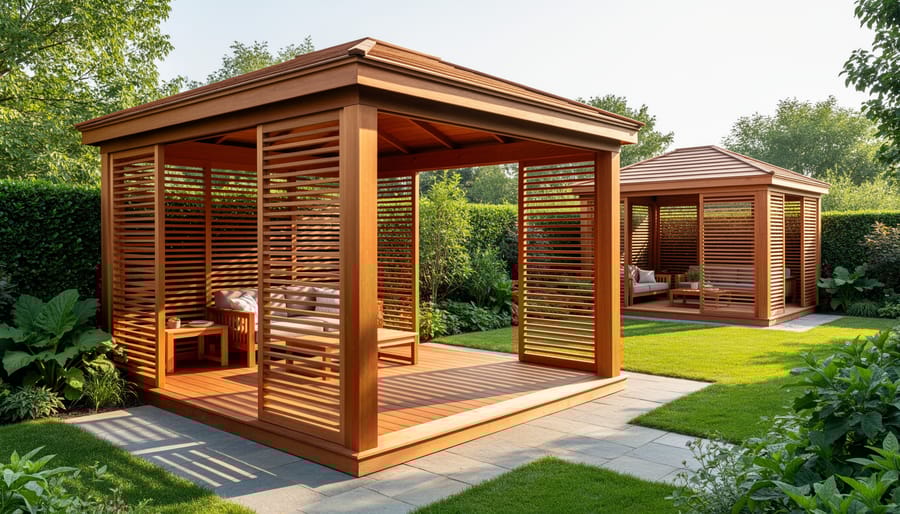
Cedar stands out as the premium choice for hot tub gazebos, and for good reason. This naturally aromatic wood contains oils that repel moisture, resist decay, and fight off insects without chemical treatment. Western Red Cedar is particularly popular, offering beautiful reddish tones that age gracefully to a silvery patina. While cedar costs more upfront, homeowners typically find the investment worthwhile. With proper cedar maintenance including annual sealing or staining, you can expect 20-30 years of reliable service.
Redwood offers similar benefits to cedar with exceptional rot resistance and stunning natural color variations. It’s slightly pricier but equally durable in steamy environments.
For budget-conscious projects, pressure-treated lumber provides a practical alternative. Modern treatments protect against moisture and decay effectively, though the wood requires complete drying before staining. Plan on resealing every 2-3 years to maintain protection. Expect 15-20 years of lifespan with diligent upkeep.
Regardless of your wood choice, remember that no material is truly maintenance-free around constant humidity. Annual inspections, prompt repairs of any damage, and consistent sealing schedules are essential. One homeowner shared that skipping just two years of sealing on her cedar gazebo led to visible water damage that required expensive board replacement. Regular maintenance isn’t optional—it’s protection for your investment.
Metal Gazebos: Aluminum and Powder-Coated Steel
Metal gazebos offer exceptional durability for hot tub environments, where constant moisture and temperature changes can wreak havoc on less resilient materials. Aluminum and powder-coated steel stand out as smart choices that won’t let you down.
Aluminum gazebos resist rust naturally, making them perfect for the steamy conditions around your hot tub. They’re lightweight yet surprisingly strong, and they’ll maintain their appearance year after year with minimal effort on your part. Just an occasional rinse with the hose keeps them looking fresh.
Powder-coated steel gazebos provide even greater strength and come in various attractive finishes that complement any backyard aesthetic. The powder coating creates a protective barrier against moisture and corrosion, though you’ll want to inspect it annually for any chips or scratches that might need touch-ups.
Both options require far less maintenance than wood structures. No staining, no sealing, no worrying about rot or warping. One homeowner shared that after five years of heavy use, her aluminum gazebo still looks as good as installation day, with zero maintenance beyond occasional cleaning.
The sleek, modern appearance of metal gazebos pairs beautifully with contemporary hot tub designs, creating a cohesive outdoor retreat that’s built to last through countless relaxing soaks.
Vinyl and Composite: The Low-Maintenance Champions
If you’re looking for materials that can handle constant moisture exposure without demanding weekend after weekend of maintenance, vinyl and composite materials are your best friends. These synthetic champions excel in the challenging environment around hot tubs where steam, splashes, and humidity are constant companions.
The beauty of vinyl and composite gazebos lies in their resistance to the issues that plague natural wood. They won’t rot, warp, or develop mold even when exposed to moisture day after day. A simple spray-down with your garden hose or a quick wipe with soapy water is usually all the maintenance you’ll need. No sanding, no staining, no sealing every few years.
Color retention is another major advantage. While traditional wood fading and graying might appeal to some, synthetic materials maintain their appearance for decades without that weathered look creeping in. Many homeowners report their vinyl gazebos looking nearly new after ten years with minimal effort.
Yes, the upfront cost runs higher than pressure-treated wood, but here’s the real value proposition: calculate what you’d spend on stains, sealers, and replacement boards over fifteen years, plus all those hours of labor. Most homeowners find that synthetic materials actually save money in the long run while giving them more time to actually enjoy their hot tub instead of maintaining the structure around it.
Designing Your Perfect Hot Tub Gazebo Setup
Open-Air Designs for Maximum Airflow
When it comes to combining a hot tub with a gazebo, ventilation is your best friend. Moisture buildup can lead to mold, mildew, and structural damage, so choosing an open-air design is one of the smartest decisions you can make.
Pergola-style roofs are incredibly popular for hot tub areas because they offer overhead coverage while allowing steam to escape naturally. These designs feature slatted or beamed roofs that provide partial shade and define your space without trapping humidity. You can grow climbing vines over the beams for added privacy and natural beauty.
Gazebos with partial walls strike the perfect balance between shelter and airflow. Consider designs with half-walls or lattice panels on one or two sides. This approach blocks wind from a specific direction while keeping air circulating freely. One homeowner in Colorado shared that her three-sided gazebo protects against mountain breezes while preventing any moisture issues year-round.
Retractable panels offer the ultimate flexibility. Install canvas curtains, sliding screens, or roll-down shades that you can adjust based on weather conditions. On warm summer evenings, keep everything open for maximum ventilation. When temperatures drop or privacy is needed, simply close the panels. This adaptable solution works beautifully across different seasons and gives you complete control over your hot tub environment.
Enclosed Gazebos with Smart Ventilation Systems
For those wanting to enjoy their hot tub in any season, enclosed gazebos with smart ventilation systems offer the perfect solution. These structures create a comfortable retreat while protecting you from the elements, but the key to success lies in proper airflow management.
Built-in ventilation fans are essential for preventing moisture buildup that can lead to mold, mildew, and structural damage. Look for systems with adjustable speed settings that automatically respond to humidity levels. Many homeowners report that installing ceiling-mounted exhaust fans combined with screened intake vents creates ideal air circulation without creating uncomfortable drafts while soaking.
Moisture-resistant materials make all the difference in longevity. Consider marine-grade vinyl screening or powder-coated aluminum frames that won’t rust or deteriorate from constant steam exposure. Cedar and pressure-treated lumber naturally resist moisture damage, making them excellent choices for framework.
Climate control features like removable panel systems give you flexibility throughout the year. During summer months, swap solid panels for screens to enjoy fresh air. In winter, reinstall insulated panels and add a small space heater to create a cozy spa environment. Some smart systems even include temperature sensors that automatically adjust ventilation based on conditions inside your gazebo, taking the guesswork out of maintenance and ensuring your investment stays protected year-round.
Budget-Friendly vs. Premium Solutions
Starting out? A budget-friendly approach runs $800-$2,500 and features a vented pop-up canopy or basic hardtop gazebo with a treated wood or aluminum frame. You’ll need to add moisture-resistant flooring and ensure proper air circulation through open sides or manually operated vents. This setup works wonderfully for mild climates and seasonal use, though you may need to replace canopy fabric every few years.
Premium solutions ($5,000-$15,000+) transform your hot tub into a year-round retreat. Custom cedar or composite structures with built-in exhaust fans, automatic humidity controls, and architectural details create stunning outdoor rooms. These installations include marine-grade materials that withstand constant moisture exposure, integrated lighting systems, and professionally designed ventilation that prevents mold and extends your structure’s lifespan. Homeowners consistently report that investing in proper ventilation pays off by eliminating condensation issues and reducing maintenance headaches.
The sweet spot for many falls around $3,000-$5,000, combining a quality hardtop gazebo with upgraded ventilation features and durable materials that balance longevity with affordability.
Essential Features to Include in Your Hot Tub Gazebo
Flooring That Handles Water and Steam
Choosing the right gazebo flooring materials is essential when installing a hot tub, as you’ll be dealing with constant moisture, steam, and the occasional splash. The last thing you want is a slippery surface or flooring that deteriorates from water exposure.
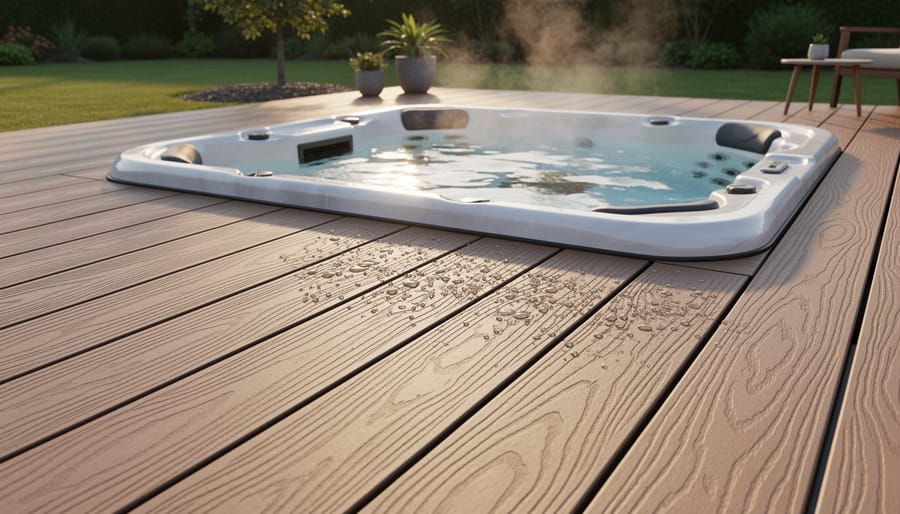
Composite decking stands out as a popular choice because it resists moisture damage and won’t warp like traditional wood. Look for textured composite boards specifically designed with slip-resistant surfaces—these provide excellent traction even when wet. Many homeowners love how composite decking maintains its appearance year after year without the maintenance headaches.
Concrete pavers offer another durable solution that handles water beautifully. They’re incredibly stable under your hot tub’s weight and naturally slip-resistant when you choose textured finishes. The gaps between pavers allow water to drain away quickly, preventing puddles around your gazebo.
For a more budget-friendly approach, consider gravel beds. They provide excellent drainage and give your space a natural spa-like feel. Just ensure you use smooth river rocks rather than sharp-edged gravel for barefoot comfort.
Whatever material you choose, proper drainage is non-negotiable. Your flooring should slope slightly away from the hot tub area, directing water runoff to prevent standing water and potential structural issues down the road.
Moisture-Proof Lighting and Electrical
Safety and ambiance go hand-in-hand when installing lighting near your hot tub. All electrical fixtures must be rated for wet locations and positioned at least five feet from the water’s edge to prevent accidents. You’ll need GFCI (Ground Fault Circuit Interrupter) outlets, which automatically shut off power if they detect moisture—a lifesaver around water. Consider hiring a licensed electrician to ensure your wiring meets local codes and is properly protected in waterproof conduit.
For evening atmosphere, LED string lights create magical warmth without generating heat, while recessed lighting in gazebo beams provides gentle overhead illumination. Solar-powered pathway lights guide guests safely without additional wiring costs. Dimmable options let you adjust brightness for relaxation or entertaining. One homeowner shared how installing color-changing LED strips under her gazebo’s eaves transformed ordinary evenings into spa-like retreats. Remember, investing in quality waterproof fixtures now prevents dangerous failures and costly repairs later.
Maintenance Tips to Protect Your Investment
Protecting your hot tub gazebo investment starts with establishing a regular maintenance routine that addresses both the structure and the unique challenges of housing a hot tub. By staying proactive, you’ll enjoy your relaxation space for years to come while avoiding expensive repairs.
Start with quarterly inspections of your gazebo’s structure. Walk around and check for signs of wood rot, especially around posts and beams closest to the hot tub. Look for discolored patches, soft spots, or peeling finishes that indicate moisture penetration. Pay special attention to joints and corners where water tends to accumulate.
Your ventilation system deserves monthly attention. Clean vent screens and exhaust fans to remove dust buildup that reduces airflow efficiency. Test fan operation regularly, and listen for unusual noises that might signal motor problems. Proper airflow is your best defense against moisture damage, so this step is non-negotiable.
Implement a simple weekly cleaning schedule. Wipe down condensation from walls and ceiling panels, especially during heavy use periods. This quick task prevents moisture from seeping into materials over time. Remove any debris from gutters and drainage areas to ensure water flows away from the structure.
Watch for early warning signs of moisture issues. Musty odors, visible mold spots, foggy windows that won’t clear, or paint blistering all indicate ventilation problems that need immediate attention. Catching these issues early makes fixes much simpler and less costly.
Don’t forget about seasonal maintenance tasks. Before winter, check weatherstripping around doors and windows, inspect the roof for damage, and ensure your heating elements work properly. Spring is perfect for resealing wood surfaces and refreshing protective finishes. These seasonal checks keep your gazebo looking beautiful and functioning flawlessly year-round.
Creating the perfect gazebo hot tub setup doesn’t have to be overwhelming when you focus on the fundamentals. The key takeaways are straightforward: prioritize proper ventilation from day one and invest in moisture-resistant materials that can withstand the humid environment. These two elements will protect your investment and prevent the headaches that come from mold, mildew, and structural damage.
Before you purchase your gazebo or hot tub, take time to plan your layout carefully. Consider your climate, available space, and how you’ll actually use the area. Measure twice, buy once, as they say! Think about access to electrical and water lines, drainage solutions, and whether you’ll want additional features like seating areas or outdoor kitchens nearby.
The good news? When you get the setup right, you’re creating an outdoor retreat that will serve your family for years to come. Homeowners who’ve taken the time to address venting and moisture protection from the start consistently report fewer maintenance issues and more time simply enjoying their space. With thoughtful planning and the right materials, your gazebo hot tub can become the backyard oasis you’ve been dreaming about, providing relaxation and enjoyment season after season.
Looking for a gazebos and pergolas?
Browse our full range of gazebos and pergolas from authorized dealer brands. Free shipping to the continental US.