


What Are Common Canopy Sizes and How Do They Affect Coverage?

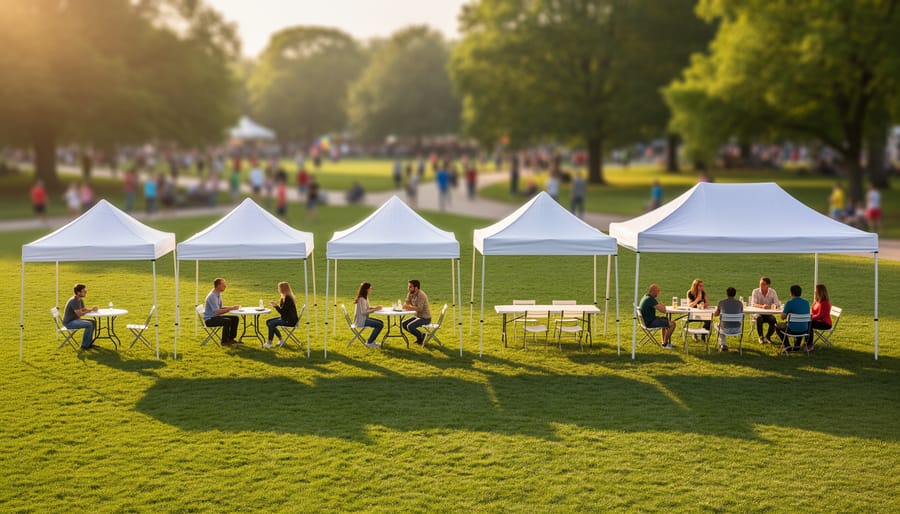
Choosing the right canopy size is one of the most important decisions when planning an outdoor setup. Whether you’re hosting a backyard party, setting up a market stall, or preparing for a large event, the size of your canopy directly impacts how much space you can cover and how comfortable your setup will be. Many people explore different canopy tents to find the best balance between portability, coverage, and functionality. Understanding standard sizes and how they translate into usable space can help you make a smarter, more efficient choice.
What Are the Most Common Canopy Sizes?
Canopies come in a range of standard sizes designed to suit different needs, from personal shade to large-scale events. Below is a simple, scannable list of the most common options:
| Canopy Size | Approx. Coverage | Estimated Capacity | Best For |
|---|---|---|---|
| 6×6 ft | 36 sq ft | 1–2 people (standing) | Personal use, vendors, very small spaces |
| 8×8 ft | 64 sq ft | 2–4 people | Small gatherings, light seating |
| 10×10 ft | 100 sq ft | 6–10 standing / 4–6 seated | Families, markets, general use (most popular option) |
| 10×15 ft | 150 sq ft | 10–15 people | Medium groups, small to mid-sized events |
| 10×20 ft | 200 sq ft | 15–20 standing / 10–12 seated | Large events, parties, commercial use |
These standard sizes make it easier to plan your layout and ensure you have enough room for your intended use.
How Canopy Size Affects Coverage Area
Canopy coverage is typically calculated in square footage by multiplying length by width. For example, a 10×10 canopy provides 100 square feet of total space. However, the actual usable space is often slightly less than this number.
This is because structural elements like legs, sloped roofs, and support bars take up room. Additionally, if you add walls, tables, or equipment, the effective coverage area decreases further. For instance, a 10×10 canopy with seating and a table setup may feel closer to 70–80 square feet of usable space.
It’s also important to consider layout efficiency. Open layouts maximize movement, while crowded setups reduce comfort. So, while square footage gives you a starting point, real-world usage depends heavily on how the space is arranged.
Other factors that affect the canopy covering
- Peak height: A higher peak improves airflow and creates a more attractive appearance, but it may provide less shade at certain times of the day due to the sun’s angle.
- Sidewalls: Although sidewalls can reduce airflow, they significantly increase protection against wind, rain, and sunlight.
- Canopy shape (square or rectangular): Square canopies (such as 10×10 models) provide symmetrical coverage and are easy to set up and position. Rectangular canopies (such as 10×20 models) offer more space and are suitable for rows of tables or vendor booths.
How Many People Fit Under Different Canopy Sizes?
The number of people who can fit under a canopy depends on whether they are seated, standing, and whether there is furniture or event equipment present.
| Canopy Size | Standing Capacity | Seated Capacity (with tables & chairs) |
|---|---|---|
| 6×6 ft | 1–2 people | Not recommended |
| 8×8 ft | 2–4 people | 2 people |
| 10×10 ft | 6–10 people | 4–6 people |
| 10×20 ft | 15–20 people | 10–12 people |
For example, a 10×20 canopy might comfortably hold 20 standing guests, but if you add dining tables and chairs, that number may drop significantly. Planning ahead ensures your guests remain comfortable rather than crowded.
Choosing the Right Canopy Size for Your Needs
Selecting the right canopy size depends on your specific situation and intended use. Whether you’re planning a casual outdoor activity or a professional event, it’s important to match the canopy to your needs. If you’re ready to explore reliable options, you can purchase canopies and tents from the vividtents website, where a variety of sizes and styles are available.
Key Factors to Consider
- Purpose: Are you hosting a party, running a market stall, camping, or relaxing in your backyard?
- Number of users: Estimate how many people will regularly use the space
- Available space: Measure your setup area before choosing a size
- Portability and storage: Smaller canopies are easier to transport and store
- Weather conditions: Larger canopies provide better protection but may require stronger anchoring
By evaluating these factors, you can avoid choosing a canopy that is either too small or unnecessarily large.
Frequently Asked Questions
- What is the most popular canopy size?
The 10×10 canopy is the most popular due to its balance of portability and coverage. - How do I calculate canopy coverage?
Multiply length × width to get square footage, then adjust for furniture and layout. - What size canopy do I need for 20 people?
A 10×20 canopy is generally suitable, depending on seating arrangements. - Do canopy walls affect coverage?
Yes, walls can reduce airflow but increase usable sheltered space and weather protection. - Are larger canopies harder to set up?
Yes, they often require more people and time compared to smaller pop-up models.
Conclusion
Understanding common canopy sizes and how they affect coverage can make a significant difference in your outdoor planning experience. From compact 6×6 options to spacious 10×20 setups, each size serves a unique purpose and offers different levels of comfort and functionality. While square footage provides a useful starting point, real-world usability depends on layout, design, and intended use.
By considering factors like the number of people, event type, and available space, you can confidently choose a canopy that meets your needs without compromise. Whether for personal use or large gatherings, selecting the right canopy ensures better coverage, improved comfort, and a more successful outdoor setup overall.
Looking for a portable garages?
Browse our full range of portable garages from authorized dealer brands. Free shipping to the continental US.