


Shed Accessories and Add-ons, Shed Comparisons and Buying Decisions, Structure Assembly and Installation
Why Your Shed Needs the Same Security as Your Home (Crimsafe Has the Answer)

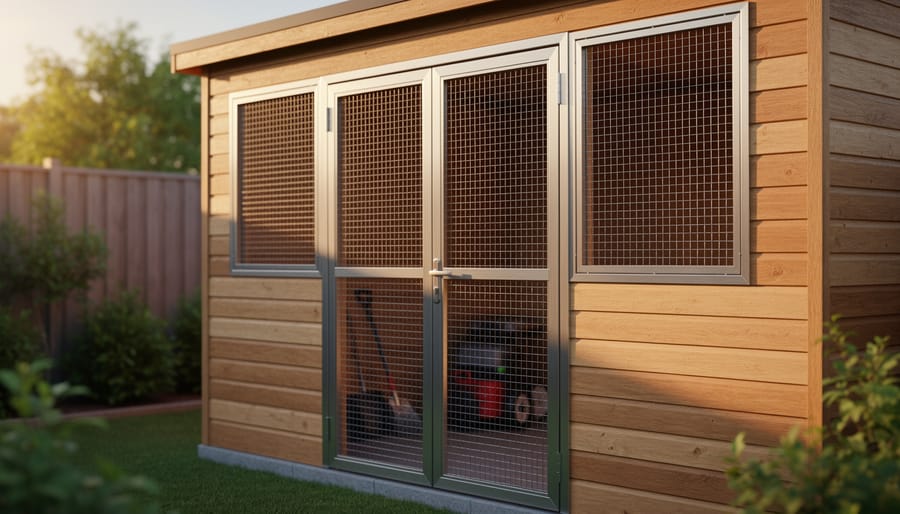
Your shed holds more than just garden tools—it protects expensive equipment, power tools, and irreplaceable items from opportunistic thieves who know outdoor storage buildings are easy targets. While crimsafe doors newcastle have revolutionized home protection, the same premium technology now safeguards sheds with specialized screens that withstand forced entry attempts most standard locks can’t prevent.
Crimsafe security screens use tensioned stainless steel mesh and patented screw-clamp fixing systems that resist cutting, prying, and impact attacks. Unlike padlocks or flimsy hasps that thieves remove in seconds, these screens create a visible deterrent while maintaining ventilation and natural light access. Installing them on shed windows and doorways transforms vulnerable entry points into fortress-grade barriers without the dark, enclosed feeling of solid steel doors.
The investment makes sense when you calculate replacement costs for stolen lawn mowers, bicycles, and workshop equipment. Real homeowners report that attempted break-ins left their Crimsafe screens intact while neighbors without protection lost thousands in tools. This guide explains exactly how these screens adapt to shed installations, what professional fitting involves, and whether the premium price delivers genuine long-term value for your specific storage security needs.
The Real Cost of an Unsecured Shed
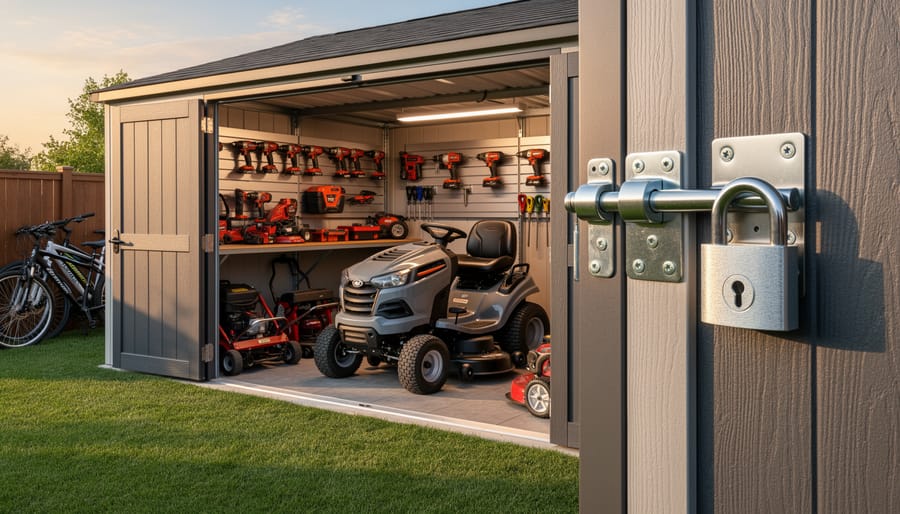
Your shed likely holds more value than you realize. Between power tools, lawn mowers, bicycles, gardening equipment, and seasonal items, the average homeowner stores thousands of dollars worth of belongings in their backyard shed. Many of us also keep items with sentimental value—grandfather’s vintage toolbox, the kids’ first bikes, or specialized equipment that can’t easily be replaced.
Unfortunately, thieves know this too. Shed theft has been steadily climbing in recent years, with law enforcement reporting that outbuildings are increasingly targeted because they’re often less secure than homes. Unlike your house, most sheds rely on basic padlocks and flimsy hardware that can be breached in minutes.
The financial impact of a shed break-in can be devastating. Replacing a stolen lawn mower, bike collection, or complete tool set can easily run into several thousand dollars. Even with insurance, you’ll likely face deductibles and premium increases. Plus, insurers often won’t cover the full replacement value of specialized or professional-grade equipment.
Beyond the dollars and cents, there’s an emotional toll. Having your private space violated leaves you feeling vulnerable and frustrated. Irreplaceable family heirlooms or custom equipment can’t simply be bought again. You might find yourself constantly worrying about whether your replacement items are safe.
Proper fortifying your shed door and securing vulnerable access points is essential, but it’s only part of the solution. Even with good shed organization and quality locks, determined thieves can still find ways inside through windows or by dismantling weak wall panels. That’s where comprehensive security solutions become invaluable investments rather than optional upgrades.
What Makes Crimsafe Different from Standard Shed Security
Tamper-Resistant Design That Actually Works
What makes Crimsafe different from standard mesh screens comes down to how the system holds together under attack. The secret lies in the combination of materials working as a complete security barrier rather than just a metal screen.
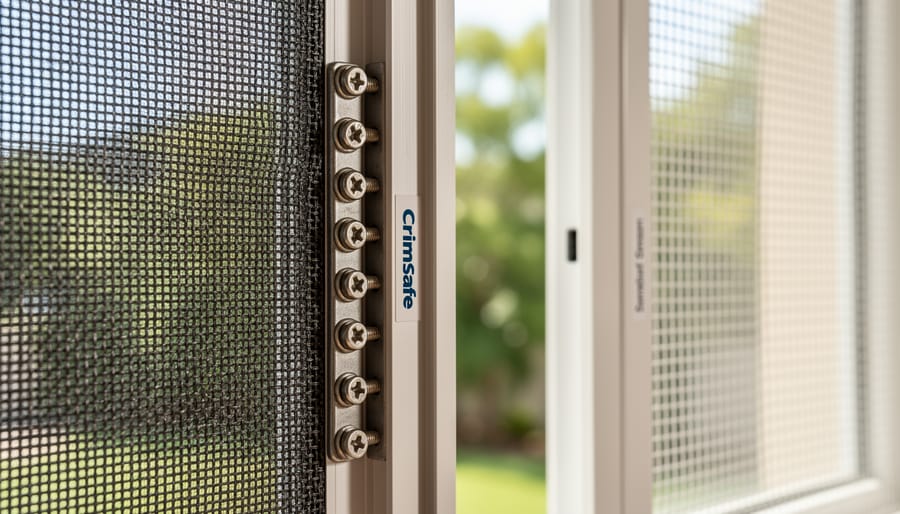
The woven stainless steel mesh is incredibly tough on its own, but here’s where it gets interesting. Crimsafe uses a patented screw-clamp system that locks the mesh into an aluminum frame every 40-50mm. This means when someone tries to cut through the mesh, they’re not just dealing with tough wire—they’re fighting against a grid that’s secured at multiple points, making it nearly impossible to create an opening large enough to reach through.
Real-world testing shows the difference. One homeowner in Brisbane shared how would-be thieves abandoned their attempt after spending nearly ten minutes trying to pry open his shed door fitted with Crimsafe screens. The screwdriver and cutting tools they left behind told the whole story.
The system also resists the most common attack methods: kicking, shouldering, and prying at entry points. Because the mesh and frame work together as one unit, the force gets distributed across the entire structure rather than concentrating at weak points like traditional hinges or latches.
Weather Resistance and Durability
One of the standout features of Crimsafe security screens is their exceptional ability to handle whatever weather throws their way. If you’ve ever dealt with rusted door screens or deteriorating mesh on your shed, you’ll appreciate this difference.
Crimsafe screens use marine-grade 304 structural stainless steel mesh, which means they’re built to resist corrosion even in harsh coastal environments. This is particularly important for sheds since they’re constantly exposed to rain, humidity, intense sun, and temperature fluctuations. Unlike standard screens that might rust within a few years, Crimsafe maintains its structural integrity and appearance for decades.
The powder-coated aluminum frame adds another layer of protection against the elements. It won’t warp, crack, or fade over time, which means your investment continues looking good while providing security year after year.
Many homeowners who’ve installed Crimsafe on their sheds report that the screens look as good as new even after five or ten years of exposure. One user in a coastal area shared that their screens withstood saltwater spray and ocean winds without any signs of deterioration, while their previous security solution had needed replacement every few years.
This durability translates to real value – you’re not just protecting your belongings today, but making a long-term investment that eliminates the hassle and cost of frequent replacements.
Installing Crimsafe Security Screens on Your Shed
Which Shed Openings Need Protection
Before you can effectively secure your shed, you’ll need to identify which openings are most vulnerable to break-ins. Understanding these weak points helps you make smart decisions about where to invest in protection.
Doors are the most obvious entry point and should be your top priority. Whether you have a single hinged door or double doors, these are typically where intruders attempt access first. Standard shed doors often have basic locks that can be forced open within seconds, making them prime candidates for Crimsafe protection.
Windows come next on the list. Even small windows provide opportunities for thieves to reach in and unlock doors from the inside or grab valuable items. Many shed owners overlook window security, but it’s a mistake that can cost you dearly if you store power tools, bikes, or garden equipment inside.
Don’t forget about ventilation openings and louvres. These often-ignored spots can be surprisingly vulnerable, especially larger vents that might allow someone to squeeze through or reach inside. If your shed has ridge vents or wall-mounted ventilation panels, consider whether they’re large enough to pose a security risk.
Side access panels and roof hatches, if present, also need attention. Think about every possible way someone could gain entry, not just the obvious ones. A comprehensive approach to securing all openings gives you genuine peace of mind.
Working with Your Existing Shed Structure
Good news – Crimsafe security screens are remarkably adaptable to various shed types! Whether your shed features metal, wooden, or vinyl construction, these screens can be professionally fitted to suit your structure.
For metal sheds, the installation is typically straightforward. The screens attach directly to the existing frame using specialized fasteners that won’t compromise the metal’s integrity. Many homeowners find this option particularly durable since both materials naturally complement each other.
Wooden sheds require a bit more preparation. Your installer will assess the timber’s condition first – after all, even the strongest security screen needs a solid foundation. If your wooden frame shows any signs of rot or weakness, addressing these issues beforehand ensures optimal security. The screens then mount securely using appropriate fixings designed for timber structures.
Vinyl sheds present unique considerations. Because vinyl can flex, installers often reinforce mounting points with backing plates or additional framing. This extra step prevents stress on the material while maintaining the screen’s protective qualities.
Regardless of your shed material, a professional assessment ensures proper installation. They’ll evaluate structural integrity, check door and window openings, and recommend any necessary reinforcements before fitting your Crimsafe screens – giving you peace of mind that your investment is properly secured.
Real-World Benefits Beyond Security
While security is the primary draw, Crimsafe screens offer practical everyday benefits that genuinely enhance how you use your shed. Think about those sweltering summer days when your shed becomes unbearably hot. With Crimsafe screens, you can safely leave doors and windows open for ventilation without worrying about intruders. Fresh air circulates freely, preventing that musty smell and reducing humidity that can damage stored items.
Pest control is another game-changer. These screens keep insects, rodents, and wildlife out while allowing airflow. No more discovering wasps’ nests in spring or mice making homes in your stored camping gear. This protection is especially valuable when protecting valuable tools and equipment that can be compromised by pests.
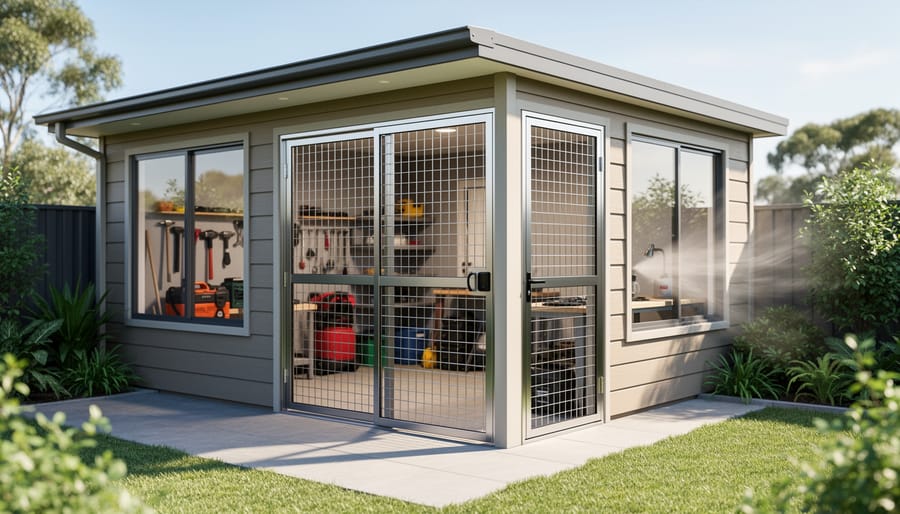
Visibility is often overlooked but incredibly practical. You can see what’s inside your shed without unlocking it, making quick checks simple. Need to know if you have extra paint before heading to the hardware store? A glance through your Crimsafe screen gives you the answer. This transparency also acts as a deterrent since potential thieves can see you’re organized and likely to notice if something’s missing, making your shed a less attractive target than one with solid, opaque doors.
These combined benefits mean your shed transforms from a sealed-up storage space into a functional, well-ventilated area that’s secure, comfortable to work in, and genuinely pleasant to use year-round.
Comparing Your Security Options
When it comes to protecting your shed and its contents, you’ve got several options worth considering. Let’s look at how Crimsafe security screens stack up against other popular solutions.
Traditional padlocks and deadbolts are the most common starting point, typically costing between $20 to $100. They’re straightforward and effective against opportunistic theft, but determined intruders can force doors or windows. If you’re building a comprehensive shed security strategy, locks work best as part of a layered approach rather than your only defense.
Standard mesh screens offer ventilation and keep insects out, usually running $50 to $150 per window. However, they’re easily cut with basic tools and provide minimal security for valuable equipment like power tools or lawn mowers.
Alarm systems present another option, with basic models starting around $200 and monitored systems costing $300 to $600 annually. They alert you to break-ins but don’t physically prevent entry. Many homeowners find value in combining alarms with physical barriers for double protection.
Crimsafe security screens typically cost more upfront, ranging from $300 to $800 per opening depending on size. What sets them apart is their dual functionality: they provide ventilation while creating a physical barrier that’s extremely difficult to breach. The tensioned stainless steel mesh withstands cutting, impact, and prying attempts that would defeat standard screens in seconds.
The real-life advantage? One homeowner shared how their Crimsafe-protected shed endured an attempted break-in while neighbors with standard locks weren’t as fortunate. The screens showed minor scuff marks but held firm.
Your best choice depends on what you’re protecting and your budget. For high-value tool collections or equipment, Crimsafe offers peace of mind that goes beyond basic solutions.
Making the Investment Decision
Deciding whether Crimsafe security screens are right for your shed comes down to three key factors: what you’re protecting, where you live, and your budget.
If your shed houses valuable items like power tools, lawn equipment, bikes, or hobby gear worth thousands of dollars, investing in quality security makes financial sense. Consider Sarah, a homeowner from Brisbane, who spent $1,200 securing her shed after losing $3,000 in tools to thieves. She hasn’t had issues since installation and says the peace of mind alone was worth it.
Location matters too. Do you live in an area with higher property crime rates? Is your shed visible from the street or tucked away where intruders could work unnoticed? These factors increase your security needs.
Budget-wise, expect to pay between $800 and $2,500 for a typical shed installation, depending on the number of windows and doors. While this seems steep compared to basic security options, Crimsafe screens offer long-term value through durability and deterrence. They typically last 20-plus years with minimal maintenance and may reduce insurance premiums.
Start by totaling what you’re protecting. If the replacement value significantly exceeds the installation cost, Crimsafe makes practical sense. For those on tighter budgets protecting less valuable items, basic security measures might suffice initially. Remember, you can always upgrade later, though installing during shed construction or renovation is most cost-effective.
Your shed likely houses more than just garden tools—it’s home to expensive power equipment, bicycles, workshop machinery, and perhaps irreplaceable family heirlooms. Protecting these valuable items shouldn’t be an afterthought, and thankfully, it doesn’t have to be. The same trusted Crimsafe technology that homeowners rely on to secure their houses is now a practical, accessible option for your outdoor storage spaces.
Take a moment to assess your current shed security. Could someone easily force their way in? Are your expensive tools and equipment truly protected? If you’re feeling uncertain, you’re not alone. Many homeowners don’t realize the vulnerability of their sheds until it’s too late.
The good news is that upgrading your shed security is more straightforward than you might think. With Crimsafe screens, you’re investing in proven protection that’s withstood rigorous testing and delivered peace of mind to countless families. Whether you’re safeguarding a weekend warrior’s workshop or protecting vintage motorcycle collections, knowing your valuables are secure behind the same defense system trusted for homes brings genuine comfort. Don’t wait for a security wake-up call—protect what matters today.
Looking for a shed accessories?
Browse our full range of shed accessories from authorized dealer brands. Free shipping to the continental US.