


How to Vet a Shed Builder Before You Buy: Red Flags and Green Flags

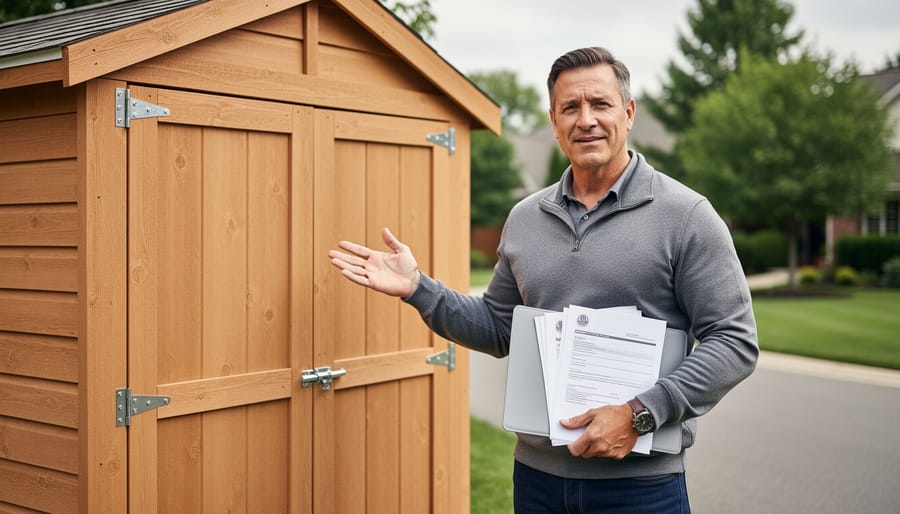
A new storage building is a real investment. Whether you need space for lawn equipment, seasonal gear, or the overflow that has taken over your garage, the structure you choose will sit on your property for years. That makes the company you buy from just as important as the building itself.
Choosing the right shed builder early in the process can save you from costly mistakes, surprise fees, and a building that does not hold up. The problem is that most buyers only shop for the shed. They compare sizes and colors and prices, but they never stop to evaluate the company behind the product. That is where the real risk hides.
This guide walks you through the red flags that should make you pause and the green flags that signal a builder worth your trust.
Start With the Warranty
A warranty tells you a lot about how much confidence a company has in its own work. A builder that stands behind its product will say so clearly, in writing, and without a long list of conditions that make the coverage useless.
Look for a warranty that covers craftsmanship and materials under normal use. That phrasing matters. It tells you the company is willing to guarantee the structure it built and the materials it chose, not just hand you a piece of paper that sounds good until you actually need it.
Ask how long the warranty lasts. A one year warranty is not much of a promise for a building meant to sit outside in the weather for decades. A multi year warranty is a better sign that the builder expects the structure to last.
Ask who honors the warranty. If the answer is “the manufacturer,” and you bought through a dealer, find out what happens if the dealer closes. A clear, simple claims process is a green flag. Vague answers are a red flag.
Ask About Delivery and Set Up
Delivery is one of the most overlooked parts of buying a storage building. Many buyers assume delivery is included, then get hit with a fee at the last minute. Others assume the building will be placed and leveled, only to find out they are responsible for site prep and leveling on their own.
A good builder will explain delivery in plain terms. They will tell you how far they deliver for free, what counts as outside that radius, and what happens when your site is not perfectly flat. Some builders offer free delivery and set up within a certain distance of their location. That is a strong green flag, especially when paired with clear answers about what “set up” actually includes.
Pay attention to how they handle uneven ground. A builder that has a real plan for sites that are a foot or more out of level, whether that means leveling blocks or a recommendation for a gravel pad, is thinking about your situation. A builder that shrugs and says “you figure it out” is not.
Look at the Materials, Not Just the Paint
The outside of a shed is what you see, but the bones of the building are what keep it standing. A reputable builder will talk openly about the materials inside the walls and under the floor.
Ask about the floor joists and skids. Ask how far apart they are spaced. Ask what kind of nails are used. These details sound small, but they are the difference between a building that holds up to snow, wind, and daily use and one that starts to sag after a few seasons.
A green flag is a builder who can answer these questions without checking with someone else. If the person selling you the building cannot tell you what is holding it together, that is a red flag. You want a company where the people you talk to actually know what they are selling.
Be cautious with builders who lean hard on vague quality claims. Words like “premium” and “top of the line” mean nothing without specifics. A builder who says “we use 2×6 floor joists on 12 inch centers” is giving you real information. A builder who just says “we build a better shed” is selling you a feeling.
Check for Engineering Certification
Not every storage building is engineered. Many are built to a company’s own standard, which may or may not meet any recognized code. That is fine for some buyers, but if you live in an area with snow loads, wind concerns, or strict permitting, it matters.
Ask whether the building is engineer certified and what standard it meets. A builder who can point to a recognized standard, such as International Building Code classification for minor storage facilities, has put real work into making sure the structure is sound. That is a green flag, especially in regions with harsh weather.
A red flag is a builder who gets defensive or vague when you ask about certification. If they cannot tell you whether their buildings meet code, you are on your own when the permit office asks.
Find Out What Happens After Delivery
The sale does not end when the building is dropped off. Things come up. A door may need adjustment. A question may come up about maintenance. You want a builder who is still around and still responsive after the check clears.
Ask how the company handles service after the sale. Do they have a process for warranty claims? Do they answer the phone? Do they have a dealer network you can reach in person, or are you dealing with a call center in another state?
A local or regional dealer network is a green flag. It means there are real people you can talk to face to face, and it means the company has invested in relationships in your area. A builder with no local presence and no clear service path is a red flag.
Watch How They Talk About Price
Price matters. Anyone who tells you it does not is either wealthy or trying to sell you something. But the way a builder talks about price tells you a lot about how they do business.
A good builder will be upfront about what is included and what costs extra. They will explain the base price, the delivery terms, and any options without making you drag the information out of them. They will also be honest about what you are getting for the money, without pretending that a higher price always means a better building.
Be wary of builders who push you toward the most expensive option without explaining why. Also be wary of builders who will not put anything in writing. A price that changes every time you call is a red flag. A clear, itemized quote is a green flag.
Affordability and quality are not opposites. A well run company can offer a fair price because it builds efficiently and sells directly or through a lean dealer network. The question is not whether the building is the cheapest. The question is whether you are getting honest value for what you pay.
Ask About Payment Options
Not everyone pays cash, and not everyone wants to. A builder that offers flexible ways to pay, including rent to own options with no credit check, is thinking about the real range of buyers, not just the ones who can write a check on the spot.
A green flag is a builder who explains these options clearly and does not pressure you into one path. A red flag is a builder who only talks about one payment method and gets pushy when you ask about alternatives.
If rent to own is an option, ask about the terms. How long are the contracts? Is there a security deposit? Can you pay it off early? A builder who answers these questions directly is one you can trust. A builder who dodges them is not.
Talk to People Who Have Actually Bought
Reviews are useful, but nothing beats talking to someone who has lived with the building for a year or two. Ask the builder for references, or ask around in your area. A builder who is proud of their work will not hesitate to connect you with past customers.
Look at the buildings in person if you can. Photos hide a lot. A building that looks great in a catalog may have rough trim, soft floors, or doors that do not hang right when you see it in the daylight. A builder with a display lot or a dealer with inventory on the ground is giving you a chance to verify what you are buying. That is a green flag.
A red flag is a builder who has no examples you can see in person and no customers you can talk to. If everything exists only on a website, ask yourself why.
Pay Attention to How They Treat Your Questions
The single best test of a builder is how they handle a buyer who asks a lot of questions. A good builder welcomes it. They know that an informed buyer is a confident buyer, and a confident buyer is a happy customer.
If you ask about materials, delivery, warranty, and payment options and the person on the other end gets impatient, that tells you everything you need to know about what it will be like to work with them after the sale. If they answer patiently, in plain language, and without rushing you toward a decision, that is the strongest green flag of all.
A Simple Checklist Before You Sign
Before you commit to any builder, make sure you can answer these questions clearly.
What does the warranty cover, and for how long? Is delivery and set up included, and within what radius? What materials are used in the floor, walls, and roof? Is the building engineer certified, and to what standard? Who do I call if something goes wrong after delivery? What payment options are available, and what are the terms? Can I see a building in person, or talk to a past customer?
If a builder can answer all of these without hedging, you are in good hands. If they stumble, dodge, or get defensive, walk away. There are plenty of builders who will give you straight answers and a building that lasts. You do not have to settle for less.
Buying a storage building should not feel like a gamble. With the right questions, it does not have to.