


Does Your Portable Carport Need a Permit? Here’s What Officials Won’t Tell You

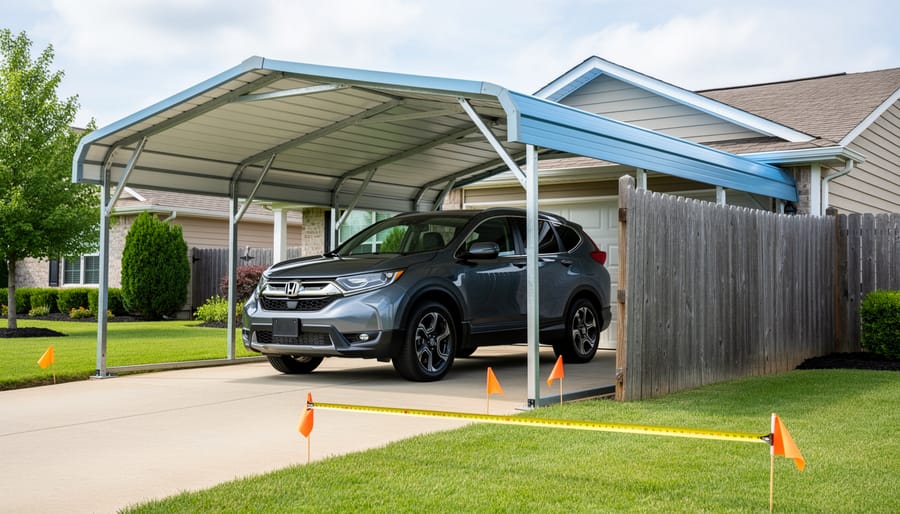
Check your local zoning office before purchasing a portable carport, even if the seller claims it’s “permit-free”—most municipalities require permits for any structure over 120 square feet or exceeding 10 feet in height, regardless of whether it has a permanent foundation. Request written documentation from your county building department about specific setback requirements, as your carport typically needs to sit at least 5-10 feet from property lines and may be prohibited in front yards entirely.
Verify that your portable carport includes wind and snow load certifications matching your region’s building codes—many permit offices won’t approve installations without engineered drawings proving the structure can withstand local weather conditions. Submit your permit application 2-3 weeks before your planned installation date, including a site plan showing exact placement, because processing times vary and inspectors often require modifications to your original proposal.
The confusion around portable carport permits stems from a common misconception: while these structures can be moved, most stay in place for years and function identically to permanent buildings in the eyes of building departments. Homeowners who skip the permit process face fines ranging from $500 to $5,000, mandatory removal orders, and denied insurance claims when weather damage occurs. Understanding your local requirements upfront saves money, protects your investment, and ensures your carport provides reliable shelter for vehicles and equipment without legal complications down the road.
What Makes a Carport ‘Portable’ in the Eyes of Building Departments
The Foundation Factor: When Portable Becomes Permanent
Here’s the thing about portable carports: the word “portable” doesn’t automatically mean “no permits needed.” What really matters to your local building department is how you’re securing that structure to the ground.
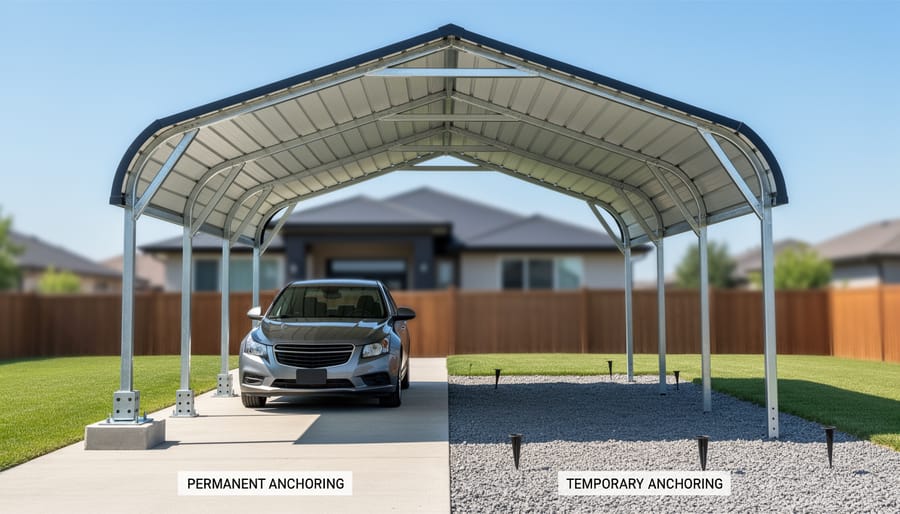
Think of it this way. A carport sitting on concrete footings looks pretty permanent to an inspector, even if the manufacturer calls it portable. You’ve dug holes, poured concrete, and created a foundation that’s meant to last years. Most building departments will treat this exactly like a permanent structure, which means permits, inspections, and compliance with local setback requirements.
Ground anchors tell a different story. These are auger-style anchors or stakes that twist into the soil, making your carport more stable than free-standing but still removable without major excavation. Many jurisdictions see this as a middle ground. You might need a simpler permit process, or in some areas, you could skate by with just meeting wind rating requirements without a full permit.
Free-standing carports with no anchoring system are the most genuinely “portable,” but here’s the catch: they’re also the most likely to become airborne projectiles during storms. Some localities actually prohibit unanchored structures over certain sizes because they’re safety hazards.
Why do building departments care so much? It comes down to safety and property values. A structure that can withstand your area’s wind and snow loads protects both your investment and your neighbor’s property. When you’re choosing your anchoring method, you’re really choosing your permit pathway, so understanding this connection upfront saves headaches later.
Size and Height Thresholds That Trigger Permits
Understanding the size and height thresholds in your area can save you from headaches down the road. While regulations vary by location, most municipalities set clear cutoff points that determine whether you’ll need a permit for your portable carport.
Typically, structures under 120 to 200 square feet often fall into the exempt category. For example, a 10×12 carport (120 square feet) might not require permits in many suburban areas, while a 12×20 model (240 square feet) likely would. Height restrictions commonly range from 10 to 12 feet. In Phoenix, Arizona, accessory structures under 200 square feet and less than 15 feet tall don’t require permits, but neighboring Scottsdale requires permits for anything over 120 square feet.
Here’s a real-world scenario: Janet from Colorado planned to install a 10×24 carport until she discovered her county’s 200-square-foot threshold. She downsized to a 10×20 model, staying just under the limit and avoiding the permitting process entirely.
These thresholds aren’t arbitrary—they balance property rights with safety concerns. Always check your local zoning department’s specific requirements, as even neighboring cities can have drastically different rules. Some jurisdictions also count multiple small structures cumulatively, so that garden shed might affect your carport plans.
Understanding Wind and Snow Load Certifications
How Your Local Climate Determines Requirements
Your local weather patterns play a bigger role in portable carport permits than you might think. Understanding these climate-based requirements upfront can save you headaches and help you choose a structure that’s both compliant and safe for your area.
Climate zones determine two critical factors: snow loads and wind speeds. Snow load refers to how much snow weight your carport must support without collapsing, while wind ratings measure how well it resists strong gusts. These requirements aren’t arbitrary—they’re based on decades of weather data specific to your region.
Coastal areas face unique challenges with high wind speeds, especially during hurricane or tropical storm seasons. If you live along the Gulf Coast or Atlantic seaboard, your permit will likely require wind ratings of 90-110 mph or higher. Some jurisdictions mandate engineered anchoring systems that dig deep into the ground to prevent your carport from becoming a dangerous projectile during severe weather.
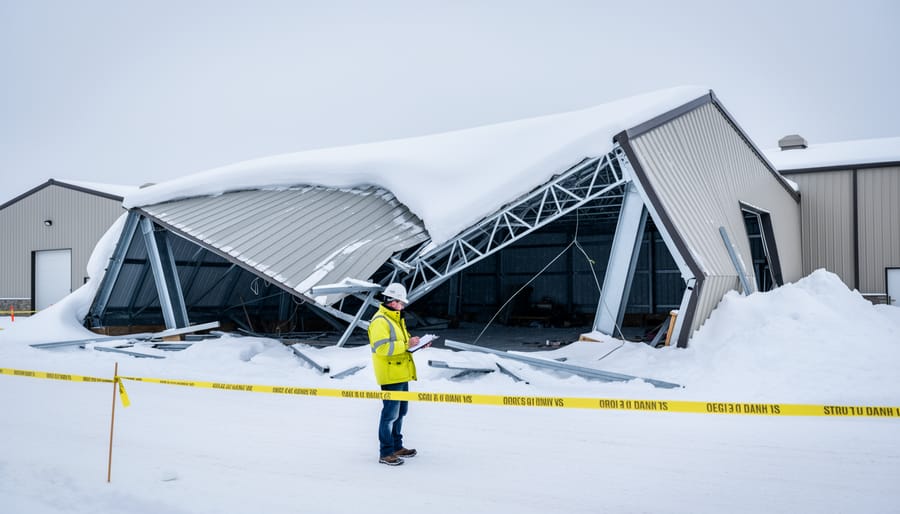
Mountain and northern regions deal with heavy snowfall instead. Colorado mountain towns or northern Minnesota communities often require structures certified for 40-70 pounds per square foot snow load ratings. Without proper certification, accumulated snow could crush your carport and damage whatever you’re storing underneath.
Plains states experience both challenges—significant snow and high winds sweeping across open landscapes. A homeowner in Kansas might need a carport rated for 30 psf snow loads and 90 mph winds simultaneously.
When contacting your local building department, ask specifically about your climate zone designations. They’ll provide the exact requirements for your address, ensuring your portable carport meets safety standards before you make a purchase.
What’s Actually Written on a Load Certification
When you receive a load certification for your portable carport, it might look intimidating at first glance, but the information is straightforward once you understand the basics. Think of it as your carport’s report card showing how well it can handle Mother Nature’s challenges.
The most important number you’ll see is the PSF rating, which stands for pounds per square foot. This tells you how much weight from snow your carport can support. For example, a 35 PSF rating means the roof can handle 35 pounds of snow on every square foot of surface area. To put that in perspective, wet, heavy snow weighs about 12-20 pounds per cubic foot, so this rating matters quite a bit depending on where you live.
Next, you’ll find the wind speed rating, typically listed in miles per hour. A carport rated for 90 MPH winds meets the certification standards for many regions, but coastal areas often require 110 MPH or higher ratings. This number tells you the maximum sustained wind speed your structure can safely withstand.
The certification document will also include the manufacturer’s name, the specific model number, and an engineer’s stamp or seal. That seal is crucial because it verifies that a licensed professional has reviewed and approved the design calculations. Some documents also list the geographic zones where the carport meets code requirements, making it easy to confirm compliance with your local building department’s expectations.
When Permits Are Required for Portable Carports
HOA and Covenant-Controlled Communities
Even if your municipality gives you the green light, there’s another important checkpoint to consider: your homeowner association or neighborhood covenants. Many communities have their own architectural guidelines that operate independently from city permits, and skipping this step can lead to costly removal orders.
Before purchasing your portable carport, grab a copy of your HOA’s architectural review guidelines. Look specifically for language about temporary structures, parking covers, or outdoor storage. Some associations prohibit carports entirely, while others require specific colors, materials, or placement locations to maintain neighborhood aesthetics.
Here’s a practical tip: submit your plans before you buy. Include photos or renderings of your intended carport, proposed placement on your property, and any municipal permits you’ve obtained. This proactive approach prevents expensive surprises down the road.
One homeowner in a deed-restricted community shared how she successfully gained approval by choosing a carport color matching her home’s trim and positioning it behind her fence line, making it less visible from the street. These small compromises often make the difference between approval and rejection.
Remember, HOA approval typically comes first, followed by municipal permits. The process might feel tedious, but it’s far easier than dismantling a carport you’ve already installed. Most associations respond within 30 days, so factor this timeline into your planning.
Proximity to Property Lines and Setback Rules
Setback requirements determine how far your portable carport must be from property lines, and they’re a major factor in whether you’ll need a permit. Most municipalities require structures to sit a certain distance away from boundaries—typically 5 to 15 feet—to ensure adequate space for maintenance, emergency access, and neighborly harmony.
Here’s the thing: even if your carport is technically portable, placing it too close to property lines often triggers permit requirements. These setback rules exist to prevent disputes, maintain fire safety corridors, and preserve sight lines for drivers and pedestrians.
Before setting up your carport, grab a measuring tape and mark your property boundaries. Many homeowners mistakenly eyeball distances and end up in violation. If you’re unsure where your property lines actually are, check your property survey or have a surveyor confirm them—it’s worth the small investment to avoid headaches later.
One satisfied homeowner shared: “I thought my carport was fine until my neighbor pointed out it was only three feet from the line. Moving it before the inspector came saved me from fines and awkward conversations.”
Always measure twice and check local setback requirements early. This simple step can mean the difference between a straightforward installation and a costly mistake.
Areas with Extreme Weather Designations
If you’re planning to install a portable carport in an area prone to extreme weather, your permit requirements become significantly more stringent—even if you’re working with a smaller structure. This is where things get serious, and understanding these rules upfront can save you considerable headaches down the road.
Hurricane zones along coastal regions typically have the strictest requirements. In these areas, you’ll almost certainly need an engineer’s certification showing that your carport can withstand sustained winds of 140+ mph, regardless of whether it’s 100 or 400 square feet. Counties in Florida, Louisiana, and coastal Texas routinely require these certifications, along with specific anchoring systems that go well beyond standard ground stakes. One homeowner in Charleston shared that her 10×20 carport needed four concrete footings and engineered tie-downs—a surprise that added $800 to her installation costs.
Heavy snow regions face similar scrutiny. If you live in areas where annual snowfall exceeds 70 inches or snow load ratings require structures to support 40+ pounds per square foot, expect mandatory load certifications. Mountain communities in Colorado, upstate New York, and northern Minnesota enforce these requirements rigorously. Your carport frame must prove it won’t collapse under accumulated snow weight.
High-wind areas designated by local building codes (typically zones with consistent winds above 90 mph) also trigger automatic permit requirements. This includes tornado-prone regions across the Great Plains and areas experiencing regular severe thunderstorms.
The bottom line? Check your local weather designation before purchasing. Many manufacturers offer engineering certifications for specific regions, but you’ll need to request them proactively during your order.
The Real Cost of Skipping the Permit Process
When Your Insurance Company Finds Out
Here’s something many homeowners discover too late: insurance companies care deeply about permits. When you file a claim for damage to your carport or any property nearby, your insurer will investigate whether the structure was properly permitted. If it wasn’t, they may reduce your payout or deny the claim entirely.
Sarah from Colorado learned this the hard way. “A severe hailstorm damaged both my portable carport and my car underneath it,” she shared. “When I filed the claim, the adjuster asked for permit documentation. Because I didn’t have one, they only covered my vehicle damage and excluded anything related to the carport structure itself. That cost me thousands.”
Even more concerning, unpermitted structures can affect your entire homeowner’s policy. Insurers may view them as undisclosed property modifications, potentially leading to policy cancellation or non-renewal. Some companies require you to disclose any outdoor structures during policy applications, and failing to mention your carport could be considered misrepresentation.
The solution? Keep all your permit documentation in an easily accessible file. If you’re currently operating without a permit, consider getting your structure inspected and properly documented now, before you need to file a claim.
How to Get Your Portable Carport Permitted (The Easy Way)
Documents You’ll Need Before Visiting the Building Department
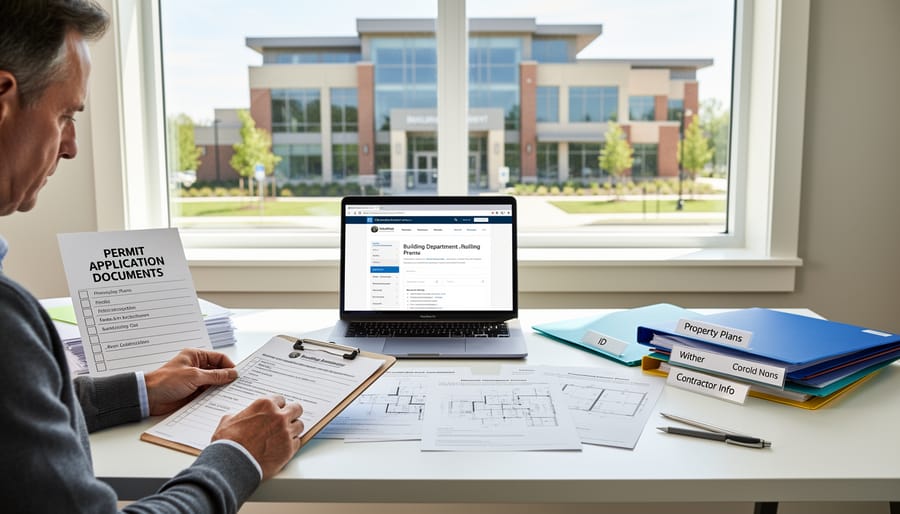
Getting your paperwork organized ahead of time will save you multiple trips to the building department and speed up your permit approval. Here’s what you’ll typically need to gather.
Start with a detailed site plan showing your property boundaries and where you plan to place the carport. This doesn’t need to be professionally drawn in most cases. A simple scaled drawing indicating distances from property lines, existing structures, and utility easements usually works fine. If you’re unsure about property lines, your deed or mortgage documents often include this information, or you can request a copy from your county recorder’s office.
Next, gather manufacturer specifications and certifications for your portable carport. Reputable manufacturers provide documentation showing their structures meet local wind and snow load requirements. Contact the manufacturer directly if these weren’t included with your purchase, as most will email them within a day or two.
You’ll also need proof of property ownership, such as a recent tax bill or deed copy. Some jurisdictions require a property survey, particularly if you’re placing the carport near boundary lines. If you don’t have a recent survey, check with neighbors who’ve built recently, as they might share costs for a surveyor to map multiple adjoining properties.
Finally, bring a photo ID and be prepared to pay permit fees, which typically range from fifty to several hundred dollars depending on your location and structure size. Having everything ready on your first visit demonstrates preparedness and often leads to helpful guidance from building department staff.
Questions to Ask Manufacturers Before You Buy
Before you hand over your money, make sure your portable carport will actually pass inspection. Start by asking manufacturers for documentation of their proper load certifications. Request specific wind and snow load ratings in writing, not just vague promises that it’s “built tough.” Ask if they provide engineer-stamped drawings or certification letters, which many building departments require during the permit process.
Don’t forget to inquire whether their carport models are pre-approved in your state or region. Some manufacturers maintain lists of jurisdictions where their products already meet code requirements, saving you considerable headaches. Also ask about anchoring systems. How does the carport attach to the ground, and will that method satisfy your local inspector?
Finally, request customer references from your area if possible. Speaking with someone who successfully permitted the same model gives you real-world confidence. A reputable manufacturer should readily provide these details, and if they seem hesitant or dismissive about certifications, consider that a red flag worth taking seriously.
Timeline and Fees: What to Actually Expect
Let’s set realistic expectations so you can plan accordingly. Permit processing times vary widely depending on your location. In smaller municipalities, you might receive approval within 1-2 weeks, while busier jurisdictions can take 4-8 weeks or even longer during peak building seasons. Budget extra time for any required revisions to your application.
Cost-wise, basic permit fees typically range from $50 to $300 for residential portable carports, though this varies significantly by location and carport size. You’ll also need to factor in additional expenses like site plan drawings (which some homeowners tackle themselves for free, while others hire professionals for $100-$300), wind and snow load certifications from the manufacturer (often provided free with purchase), and potential inspection fees of $50-$150.
One homeowner shared, “I thought the $75 permit fee was the total cost, but ended up spending another $200 on a surveyor to verify my property lines. Wish I’d budgeted for that upfront!”
Pro tip: Call your local building department before purchasing your carport. They can provide accurate timelines and fee schedules specific to your area, helping you avoid surprises and budget properly from the start.
Taking the time to secure proper permits and certifications for your portable carport isn’t just about following the rules—it’s about protecting your investment and enjoying true peace of mind. When you know your structure meets local building codes and carries the right wind and snow load certifications, you can rest easy during severe weather events and avoid costly fines or forced removal down the road.
Before you purchase your carport, reach out to your local building department to understand exactly what’s required in your area. Every municipality has unique regulations, and a quick phone call can save you significant headaches later. Ask about setback requirements, size limitations, and which certifications they recognize.
At Storage Sheds Outlet, we’re committed to providing structures that meet rigorous certification standards, making your permitting process as smooth as possible. We understand that navigating local regulations can feel overwhelming, which is why we’re here to answer your questions and point you in the right direction.
Don’t wait until after delivery to start the permitting conversation. Contact your local building department early in your planning process—it’s the smartest first step toward a worry-free carport installation that protects what matters most.