


Why Energy Efficiency Matters in Modern Buildings

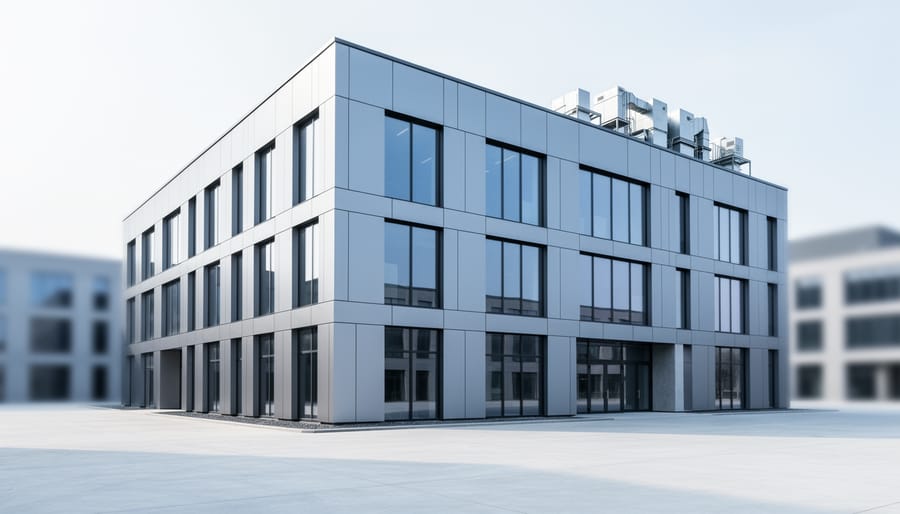
Energy efficiency has become one of the most important priorities in modern construction. Rising energy costs, changing environmental standards, and growing demand for sustainable building practices are influencing how residential, commercial, and industrial properties are designed today. Builders and developers using insulated wall panels often recognize that energy-efficient construction not only reduces operating costs but also improves comfort, durability, and long-term building performance.
Modern buildings are expected to do more than provide shelter.
They are expected to perform efficiently for decades.
1. Energy Efficiency Helps Reduce Operating Costs
Buildings consume large amounts of energy.
Heating, cooling, lighting, and ventilation systems all contribute to monthly operating expenses.
Why Efficiency Matters:
- Better insulation reduces energy loss
- Efficient building systems require less energy to maintain comfort
Benefits:
- Lower utility bills
- Reduced long-term operating expenses
Efficiency supports financial savings.
The Trade-Off
Energy-efficient materials and systems may increase upfront construction costs, but they often reduce long-term expenses.
2. Better Insulation Improves Indoor Comfort
Comfort is a major part of building performance.
Energy-efficient buildings maintain more stable indoor temperatures throughout changing seasons.
Benefits of Improved Insulation:
- Reduced drafts and cold spots
- More consistent indoor climate
- Better overall occupant comfort
Why It Matters:
- Comfortable environments improve quality of life and productivity
Temperature stability enhances daily living and working conditions.
The Trade-Off
Higher-performance insulation systems may require additional investment, but they improve long-term comfort.
3. Energy-Efficient Buildings Reduce Environmental Impact
Sustainability is becoming increasingly important.
Buildings account for a significant portion of global energy consumption and emissions.
How Efficiency Helps:
- Reduces overall energy demand
- Lowers greenhouse gas emissions
- Supports sustainable construction goals
Benefits:
- Smaller environmental footprint
- Better alignment with modern sustainability expectations
Efficiency supports responsible development.
The Trade-Off
Sustainable building practices may require more planning and specialized materials.
4. Modern Building Standards Are Evolving
Energy regulations continue becoming stricter.
Many regions now require higher efficiency standards for new construction projects.
Common Efficiency Requirements:
- Improved insulation values
- Air sealing and moisture control
- Energy-efficient windows and systems
Why It Matters:
- Compliance helps avoid future upgrades and code issues
Modern standards support long-term performance.
The Trade-Off
Meeting advanced standards may increase construction complexity, but it improves building quality.
5. Energy Efficiency Supports Long-Term Property Value
Efficient buildings are increasingly desirable.
Property owners and buyers often prioritize buildings with lower operating costs and better sustainability features.
Benefits:
- Increased market appeal
- Better long-term investment potential
- Reduced maintenance and utility concerns
Impact:
Stronger resale and occupancy value
Efficiency improves long-term competitiveness.
The Trade-Off
Efficiency-focused construction may require larger initial budgets, but it can improve future property performance and value.
6. Better Building Envelopes Improve Durability
Energy efficiency is closely connected to building durability.
Well-insulated and properly sealed structures often perform better against moisture and temperature fluctuations.
Benefits:
- Reduced moisture intrusion risk
- Better structural protection
- Improved long-term durability
Why It Matters:
- Durable buildings often require fewer repairs over time
Performance supports longevity.
The Trade-Off
High-performance building systems require careful installation and design to function properly.
7. Efficient Buildings Improve Productivity and Wellbeing
Indoor environments affect people directly.
Comfortable temperatures, improved air quality, and reduced drafts can positively influence occupant wellbeing.
Benefits:
- Improved focus and productivity
- Better indoor air quality
- Greater comfort for occupants
Why It Matters:
- Comfortable environments support healthier living and working spaces
Efficiency improves human experience.
The Trade-Off
High-performance ventilation and climate systems may involve additional infrastructure costs.
8. Energy Costs Continue to Rise
Utility expenses can fluctuate significantly over time.
Buildings designed with efficiency in mind are often better prepared for future energy price increases.
Why This Matters:
- Lower energy demand reduces financial exposure to rising utility costs
Benefits:
- More predictable operating expenses
- Better long-term budgeting stability
Efficiency supports financial resilience.
The Trade-Off
Investing in efficiency early requires planning, but it can reduce future cost pressures.
9. Energy Efficiency Supports Modern Construction Innovation
The construction industry continues evolving.
Modern materials and building systems are designed to improve both performance and sustainability.
Examples of Innovation:
- Advanced insulation systems
- High-performance wall assemblies
- Smart energy management technologies
Benefits:
- Better building performance
- More sustainable construction practices
Innovation improves efficiency standards.
The Trade-Off
New technologies may require specialized knowledge and installation methods.
The Takeaway: Energy Efficiency Is a Core Part of Modern Building Design
Energy efficiency matters because it improves comfort, reduces operating costs, supports sustainability, and strengthens long-term building performance.
Modern energy-efficient buildings help:
- Lower utility expenses
- Improve indoor comfort
- Reduce environmental impact
- Meet evolving building standards
- Increase property value
- Improve durability and longevity
- Support occupant wellbeing
- Reduce exposure to rising energy costs
- Encourage innovation in construction
The goal is not simply to reduce energy consumption.
It is to create buildings that perform better for occupants, owners, and the environment over the long term.
As construction standards continue evolving, energy efficiency will remain one of the most important factors shaping the future of modern building design.