


What Are Corrosion Resistance Coatings for Carports (and How Do They Work)?

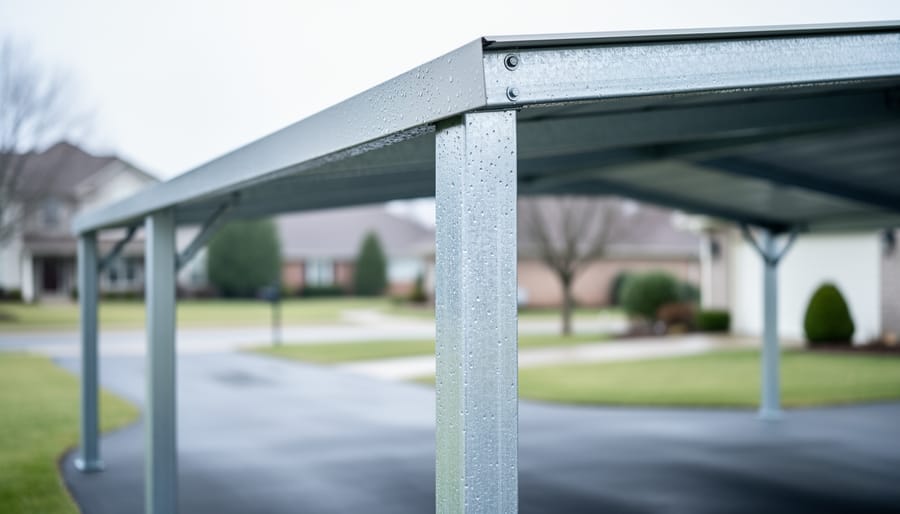
Corrosion resistance coatings are protective barriers applied to metal surfaces that shield them from moisture, oxygen, and environmental elements that cause rust and deterioration. For carport owners, these coatings are the difference between a structure that lasts decades and one that shows rust spots, flaking paint, and structural weakness within just a few years.
Metal carports face a constant battle against the elements. Rain pools in corners, morning dew settles on every surface, and humid air works its way into microscopic cracks. Without proper protection, even galvanized steel frames can develop rust patches that spread quickly and compromise both appearance and safety. The right coating creates an impenetrable shield that stops this corrosion before it starts, saving you from costly repairs or premature replacement.
But not all coatings work the same way. Powder coating offers chip-resistant durability that’s baked on at high temperatures. Zinc-rich primers bond with the metal to create sacrificial protection. Epoxy systems provide chemical resistance for harsh industrial environments. Each type brings different benefits, application requirements, and price points.
This guide breaks down how corrosion resistance coatings actually work at the molecular level, compares the most common coating types available in 2026, and helps you identify which option makes sense for your climate, budget, and DIY skill level. You’ll learn what to look for when buying a pre-coated carport, how to evaluate coating warranties, and when it makes sense to add protective coatings to an existing structure. Whether you’re dealing with coastal salt air or simply want your investment protected, understanding these coatings puts you in control.
Key Takeaway: Corrosion coatings protect through three mechanisms: a physical barrier that blocks moisture and oxygen from reaching metal, sacrificial protection where zinc corrodes first to spare the base metal, and chemical resistance that withstands UV rays and environmental pollutants. All three work together to extend your carport’s lifespan.
What Corrosion Resistance Coatings Really Mean
Corrosion resistance coatings are protective layers applied to metal surfaces that act as a shield between the metal and the elements that cause rust and degradation. Think of them as a raincoat for your carport’s metal frame, they keep moisture, oxygen, and other corrosive agents from reaching the steel or aluminum underneath.
To understand why these coatings matter, you need to know what they’re fighting against. When bare metal sits exposed to air and moisture, a chemical reaction starts that slowly eats away at the material. Here’s what’s happening:
- Corrosion
- The gradual destruction of metal through chemical reactions with its environment, most commonly seen as rust on steel.
- Oxidation
- The chemical process where metal reacts with oxygen in the air, creating compounds like iron oxide (rust) that weaken the original material.
- Substrate
- The base metal material beneath the coating, such as the steel or aluminum frame of your carport.
- Protective Barrier
- A physical layer that prevents water, oxygen, and corrosive substances from contacting the metal surface directly.
Carports face particularly harsh conditions because they’re constantly exposed to the weather without the protection of walls. Rain, humidity, morning dew, and snow all deliver moisture directly to metal surfaces. In coastal areas, salt spray accelerates corrosion dramatically. Even in dry climates, UV radiation from constant sun exposure can break down protective layers over time, leaving metal vulnerable.
The coating’s job is simple but crucial: create an unbroken seal that keeps these damaging elements away from the metal. When that barrier stays intact, your carport frame can last decades instead of showing rust within a few years. Different coating types accomplish this protection in various ways, which we’ll explore in the next section.
How Corrosion Resistance Coatings Protect Your Carport
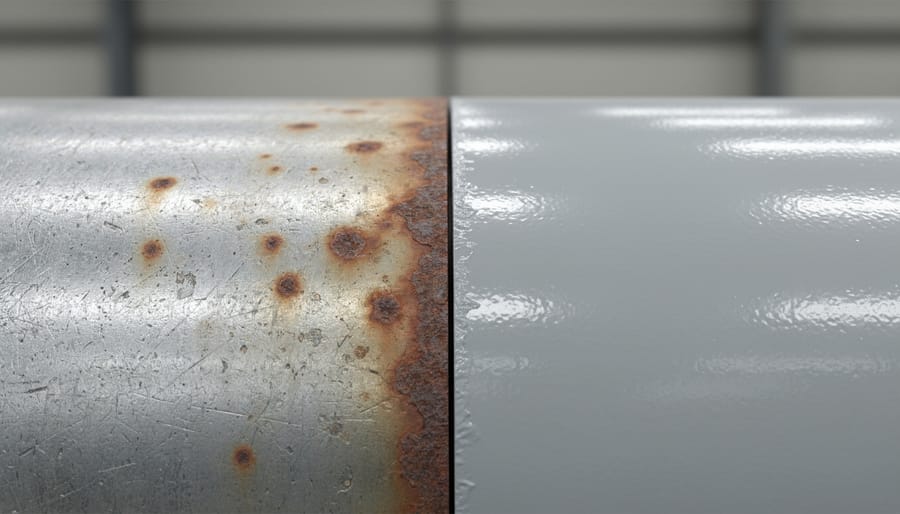
Corrosion resistance coatings defend your carport through three overlapping protection strategies, each tackling a different aspect of the rust problem. Think of it as layered defense rather than a single shield.
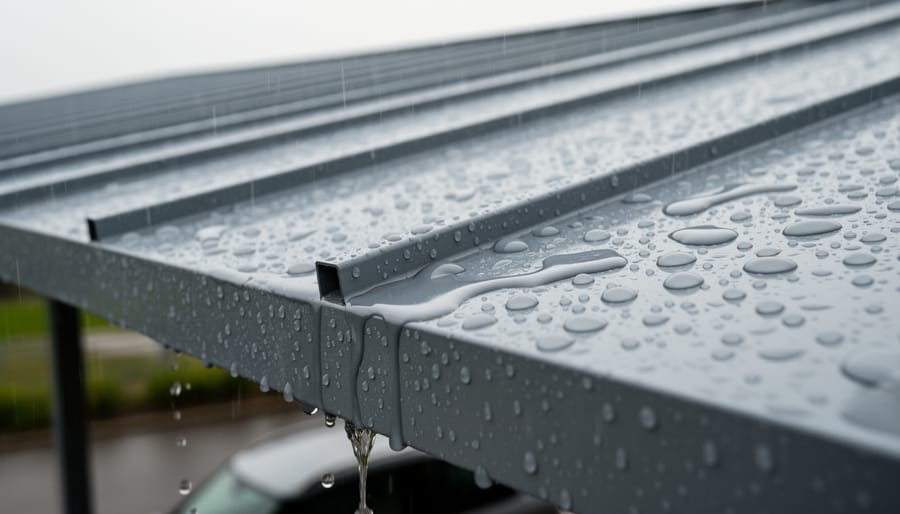
The first and most obvious protection is the physical barrier. A coating acts like a raincoat for metal, blocking direct contact between the steel or aluminum surface and the moisture, oxygen, and pollutants that cause corrosion. When water hits a properly coated carport frame, it beads up and rolls off instead of sitting on bare metal where it can start the oxidation process. This barrier effect works whether the coating is a thick layer of powder coat, a galvanized zinc layer, or even a quality paint system. The key is creating a continuous, non-porous surface with no gaps or cracks where moisture can sneak through.
The second protection method is sacrificial defense, and it’s honestly clever. Zinc-based coatings like galvanization don’t just sit on top of the steel. When scratches or chips expose the underlying metal, the zinc actually corrodes in place of the steel, essentially sacrificing itself to protect the base material. Zinc is more reactive than steel, so it oxidizes first, and the corrosion byproducts actually seal over small damaged areas. This means a galvanized carport can have minor surface scratches and still resist rust in ways a paint-only coating can’t match.
The third layer of defense is chemical resistance. Modern coatings are formulated to withstand UV radiation from constant sun exposure, resist acidic rain, and hold up against salt spray in coastal areas. UV stabilizers in powder coatings prevent the protective layer from breaking down and chalking in intense sunlight, while chemical binders in premium paints create a resilient film that won’t peel or crack through temperature swings. This chemical toughness keeps the barrier intact year after year, maintaining protection even as your carport weathers seasonal extremes.
Common Types of Corrosion Resistance Coatings for Carports
Galvanized Steel Coatings
Galvanized steel coatings are what most homeowners get when they buy a budget-friendly metal carport, though you might not realize it by name. The zinc coating comes in two main forms: hot-dip galvanizing dips the entire steel frame into molten zinc at around 840°F, creating a thick, durable layer that bonds chemically to the metal. Electro-galvanizing applies a thinner zinc coating through an electrical process, which costs less but won’t last as long.
Here’s why zinc works: when moisture hits the surface, the zinc corrodes instead of the steel underneath. Think of it as a sacrificial bodyguard that takes the hit so your carport frame doesn’t. A properly hot-dip galvanized frame typically lasts 20-30 years before you’ll see rust breakthrough, even in humid climates. Electro-galvanized coatings give you 5-10 years of solid protection, which is decent for covered storage in mild areas.
You’ll see galvanized steel offered on most entry-level and mid-range carports. When you’re shopping and working through carport sizing ask specifically whether the frame is hot-dip or electro-galvanized. The coating thickness matters more than the gauge number alone for long-term rust resistance.
Powder Coating
Powder coating gives carport frames a tough, uniform finish that lasts longer than traditional paint. Instead of liquid paint, manufacturers apply a dry powder made of finely ground resin and pigment particles. The metal frame gets an electrical charge, and the powder particles stick to it like static cling. Then the whole assembly goes into an oven where heat melts the powder into a smooth, continuous coating that bonds tightly to the metal surface.
This baking process creates a finish that’s harder and more chip-resistant than brushed-on paint. You won’t see drips, runs, or thin spots. The coating flexes slightly with the metal as temperatures shift, so it resists cracking better than rigid paints. Most powder-coated carports hold up for 10 to 15 years before showing significant wear, even in demanding climates.
Homeowners love the color variety. You can find powder-coated carports in dozens of shades beyond basic white and gray, forest green, bronze, desert tan, even custom-matched colors to complement your home’s trim. The color goes all the way through the coating thickness, so minor scratches are less visible than they’d be with painted metal.
That combination of durability, appearance, and low maintenance explains why powder coating dominates the residential carport market today.
Paint-Based Protective Coatings
Paint-based coatings give homeowners the most hands-on control over their carport’s corrosion protection. These liquid systems come in three main types, each with distinct strengths.
Acrylic paints are the easiest option for weekend DIYers. They dry quickly, clean up with water, and handle moderate weather well. You’ll find them at any hardware store, usually marketed as “rust-preventing primer and paint.” They work best in mild climates where temperature swings stay moderate. Expect to recoat every three to five years, especially on horizontal surfaces that collect water.
Epoxy coatings create a tougher barrier. This two-part system mixes resin and hardener, forming a chemical bond that resists moisture better than standard paint. The trade-off? You need to mix carefully, apply quickly before it sets, and work in temperatures between 50°F and 85°F. Once cured, epoxy holds up for seven to ten years in most environments.
Polyurethane systems sit between these two. They brush on like regular paint but cure harder than acrylics, with excellent UV resistance that prevents chalking and fading. Coastal carport owners often choose polyurethane for its salt-air performance.
All three require proper surface prep. Clean the metal, remove loose rust with a wire brush, and apply primer to bare spots. Rushed prep work always shows up within the first year as bubbling or peeling.
Specialized Coatings (Ceramic and Aluminum)
Beyond the common galvanized and powder coating options, two specialized treatments deliver superior protection when conditions demand it: ceramic coatings and aluminized steel finishes.
Ceramic coatings bond to metal at a molecular level, creating an exceptionally hard, glass-like surface that resists scratches, UV damage, and chemical exposure far better than traditional paints. You’ll find these on premium carport models marketed for coastal areas where salt spray accelerates corrosion, or in industrial zones with airborne pollutants. The coating typically adds 15-25% to the carport cost, but it can extend service life by a decade or more in harsh environments.
Aluminized steel combines the strength of steel with aluminum’s natural corrosion resistance. A thin aluminum-silicon alloy layer is heat-bonded to the steel substrate, offering three to four times the rust protection of standard galvanized steel. This treatment shines in extreme heat climates where UV intensity degrades other coatings faster, and in areas with heavy acid rain or industrial fallout.
The investment makes sense when your carport faces genuinely punishing conditions, think beachfront properties within a mile of saltwater, desert locations with intense daily UV exposure, or regions with documented air quality issues. For typical suburban or rural settings with moderate weather, standard galvanized or powder-coated options provide adequate protection at lower cost.
Where and How Carport Owners Use These Coatings
Most carport owners first encounter corrosion resistance coatings when shopping for a new structure. Reputable manufacturers apply galvanized or powder-coated finishes at the factory, ensuring your carport arrives with solid baseline protection. When you’re comparing models, you’ll see coating specifications listed alongside dimensions, these matter just as much as whether you measure your vehicle correctly for fit. A quality factory coating means years of worry-free service right out of the gate.
Homeowners typically think about corrosion coatings during these key moments:
- Purchasing a new carport and comparing coating options between brands
- Seasonal maintenance checks before winter or summer weather extremes
- After storm damage or accidental scratches expose bare metal
- Relocating to a coastal area with salt air exposure
- When visible rust spots first appear on an aging structure
- Planning a color refresh or aesthetic update to match home improvements
DIY recoating projects become necessary five to ten years after installation, depending on your climate. Homeowners in Phoenix might touch up sun-faded powder coating with UV-resistant spray paint, while those near the ocean tackle rust spots with zinc-rich primers before topcoating. The process isn’t complicated, clean the surface, sand any corrosion, apply coating, but timing matters. Catching damage early means a weekend project instead of replacing panels.
Sarah in Charleston learned this firsthand. “I noticed small rust bubbles forming where the roof panels met the posts,” she told us. “A marine-grade epoxy coating from the hardware store stopped it spreading. Two years later, those spots still look perfect while my neighbor’s untreated carport needed structural repairs.” Climate drives coating choice: coastal owners prioritize salt resistance, desert dwellers want UV blockers, and snowy-region homeowners need coatings that handle freeze-thaw cycles without cracking.
Choosing the Right Coating for Your Carport
Start with your climate and carport material. If you live near the coast, salt air accelerates corrosion fast, galvanized steel with a powder coat or specialized aluminum coating offers the best protection. Desert sun and extreme heat? Look for UV-resistant powder coating or ceramic options that won’t fade or chalk. In snowy regions where road salt is common, hot-dip galvanized steel gives you that sacrificial zinc layer that keeps rust at bay even after minor scratches.
For steel carports, galvanized coating is the baseline. Add powder coating on top for color and extra weather protection. Aluminum frames naturally resist rust, so a quality powder coat or paint system is usually enough. If you’re on a tight budget, electro-galvanized steel with touch-up paint gets the job done, though you’ll recoat every few years. Higher-end buyers should consider ceramic or aluminized coatings for a longer maintenance-free period.
Be honest about your maintenance willingness. DIY enthusiasts can save money with paint-based systems they reapply themselves. If you’d rather not climb ladders with a brush, invest upfront in factory powder coating or hot-dip galvanizing that lasts a decade or more without attention.
When shopping, read the spec sheet. Look for coating thickness measured in mils or microns, thicker is better. Ask retailers about the coating type, expected lifespan in your climate, warranty coverage, and whether damaged areas can be touched up. Get specifics on recommended maintenance schedules and what voids the warranty.
Measure your space accurately for carport fitment before finalizing your choice, since larger structures cost more to recoat later. Choose a coating that matches both your environment and your long-term ownership plans.
Common Questions About Carport Corrosion Resistance
Most homeowners have similar questions when first learning about corrosion protection for their carports. These answers cover the practical concerns you’ll face when shopping for a new carport or maintaining your current one.
How long do corrosion resistance coatings typically last?
Factory-applied galvanized coatings on quality carports often last 15 to 25 years, while powder coating can provide 10 to 20 years of protection depending on your climate. Paint-based coatings usually need refreshing every 3 to 7 years, especially in harsh weather conditions.
Can I apply protective coatings myself?
Yes, paint-based coatings are DIY-friendly with proper surface preparation and application techniques. However, powder coating and galvanizing require professional equipment and aren’t practical for home application.
What happens if the coating gets scratched or chipped?
Small scratches in galvanized coatings are often self-healing because the surrounding zinc continues protecting the exposed steel. Paint and powder coating damage should be touched up promptly to prevent rust from starting at the bare metal.
How do I maintain coated carport surfaces?
Wash your carport twice a year with mild soap and water to remove dirt, salt, and debris that can trap moisture. Inspect for damage annually and touch up any chips or scratches before they spread.
When should I plan to recoat my carport?
Recoat when you notice chalking, fading, visible rust spots, or widespread coating deterioration. Most homeowners recoat painted surfaces every 5 to 7 years as preventive maintenance, rather than waiting for serious damage.
Beyond these basics, remember that your coating choice affects more than just rust prevention. It influences your carport’s appearance, how well it complements your vehicle fit and property aesthetics, and your long-term maintenance workload. Coastal homeowners should ask retailers specifically about salt-air resistance ratings, while those in sunny climates need coatings with strong UV inhibitors to prevent chalking and fading. Don’t hesitate to request coating specification sheets before purchasing, and always factor in your willingness to perform regular maintenance when choosing between low-maintenance factory coatings and more affordable paint-based options that need periodic attention.
Understanding corrosion resistance coatings isn’t just about technical specifications, it’s about protecting your investment and avoiding the headache of premature rust and repairs. When you know what galvanized steel, powder coating, or protective paints actually do, you can make smarter decisions that match your climate and budget.
Before you buy, take a few minutes to check the coating details on the carport you’re considering. Ask about the zinc thickness on galvanized frames, confirm whether powder coating is included, and understand what maintenance the manufacturer recommends. If you live near the coast or in an area with harsh winters, this homework pays off in years of reliable protection.
Pair your coating knowledge with practical planning. Getting a perfect carport fit and choosing the right protective finish work hand-in-hand to create a structure that truly lasts.
The good news? Most modern carports come with solid factory coatings that handle everyday weather without fuss. With the right coating for your situation and occasional touch-ups when needed, you’ll enjoy years of worry-free vehicle protection and peace of mind.