


Create the Perfect Climate in Your Shed with Temperature Control

A temperature control shed gives you a regulated space that protects stored items from heat, cold, humidity, and pests. That matters more than most people expect. A plain shed can swing from freezing overnight to well over 100°F inside on a summer afternoon, and that kind of cycling warps wood, cracks plastics, corrodes metal, and invites mold. Climate controlled storage sheds avoid most of that by holding the interior at a steadier range, which extends the life of everything from electronics and photographs to paper records and family heirlooms.
In the interest of transparency, we earn a commission on some purchases made through links on this site.
So what actually makes a shed temperature controlled? Three things working together: insulation to slow heat transfer, heating and cooling to hold a target range, and ventilation to keep moisture from building up. Skip any one of them and the system underperforms. Insulation without airflow traps humidity. A mini-split without insulation just burns electricity fighting the walls. If you’re weighing how much insulation your shed needs, how much to insulate a shed walks through the numbers, and if budget is tight, these 7 thrifty ways to insulate your shed for $0 this weekend are a decent starting point.
Key Takeaway: A temperature control shed pairs insulation, heating or cooling, and ventilation to guard your belongings against heat, cold, humidity, and pests. Match the setup to your local climate, your shed’s size, and what you’re storing, since a garage full of tools needs far less than a shed holding documents or electronics.
The right setup depends on three variables. Climate comes first: a humid coastal region calls for dehumidification and good airflow, while a cold northern one needs reliable heat and a vapor barrier. Size is next, because a small 8×10 shed can often be handled by a compact heater or window unit, while a larger building may justify a ductless mini-split. Finally, think about contents. Lawn equipment tolerates a lot. Fabrics, leather, wood furniture, and anything with a battery or circuit board does not.
Placement counts too. A shed in full afternoon sun works harder to stay cool than one with some shade, and a spot with poor drainage will fight moisture no matter how good the insulation is. Once the climate side is sorted, a little planning on the inside helps as well, and this guide on how to organize a shed will help you use the space well. If you’re still shopping for the building itself, you can browse our storage sheds to find a size that fits your plans.
Benefits of a Temperature-Controlled Shed
Protect Your Belongings
Temperature extremes are hard on stored belongings. Heat warps plastic, softens adhesives, and fades fabrics. Freezing weather makes some materials brittle and can crack paint cans, glue, and anything holding liquid. Swings in humidity do their own quiet damage, feeding mold and rust on tools, cardboard boxes, and metal hardware.
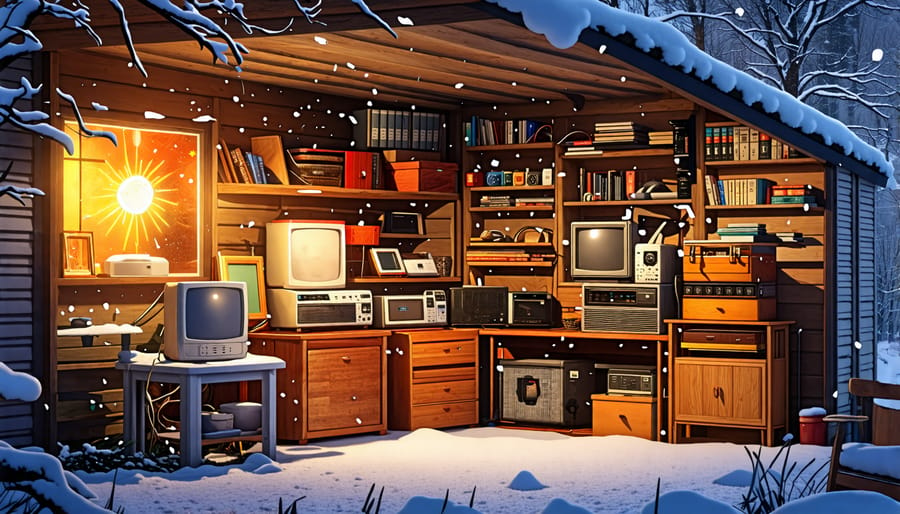
A temperature control shed keeps conditions steadier, which matters most for the things you can’t easily replace. Electronics, wooden furniture, artwork, photographs, and important papers all suffer when a shed bakes in July and sits damp through winter. Climate controlled outdoor storage doesn’t have to mean a full HVAC install, either. Insulation, ventilation, and smart placement go a long way, and a small heater or dehumidifier can cover the rest.
Stable conditions also change how you use the space. Once you stop worrying about what a heat wave or hard freeze will do, you can organize your belongings for easy access instead of cramming them into whatever corner seems safest. Spending on climate protection up front usually costs far less than replacing a ruined couch, a warped dresser, or a box of family photos. Your valuables stay in good shape, and your home stays clutter-free.
A shed interior with various items stored on shelves, protected from temperature fluctuations
Create a Comfortable Workspace
A temperature-controlled shed offers a versatile space that can be transformed into a comfortable workshop or hobby room, allowing you to pursue your passions year-round. By maintaining a consistent, pleasant temperature, you can work on projects, tinker with hobbies, or even set up a home office without worrying about extreme heat or cold. Imagine having a dedicated space where you can focus on your crafts, woodworking, or other creative endeavors, no matter the season. With proper insulation and climate control, your shed becomes an extension of your living space, providing a comfortable environment that encourages productivity and enjoyment. Whether you need a quiet place to work from home or a haven to explore your hobbies, a temperature-controlled shed offers the perfect solution. Invest in your passions and create a space that inspires you to pursue your dreams, all within the comfort of your own backyard.

Versatile Storage Solutions
A temperature-controlled shed offers a safe haven for a variety of items sensitive to extreme temperatures and humidity. Protect your beloved wooden furniture, antiques, and musical instruments from warping or cracking caused by fluctuations in heat and moisture. Safeguard delicate electronics, such as computers or audio equipment, from overheating or condensation damage. Preserve cherished photographs, important documents, and precious artworks from fading, yellowing, or mold growth. With a climate-controlled shed, you can even store temperature-sensitive garden supplies, like seeds and bulbs, ensuring they remain viable for the next planting season. Rest easy knowing your valuable possessions are shielded from the elements in a versatile, temperature-regulated storage solution.
Types of Temperature Control Systems for Sheds
Insulation Techniques
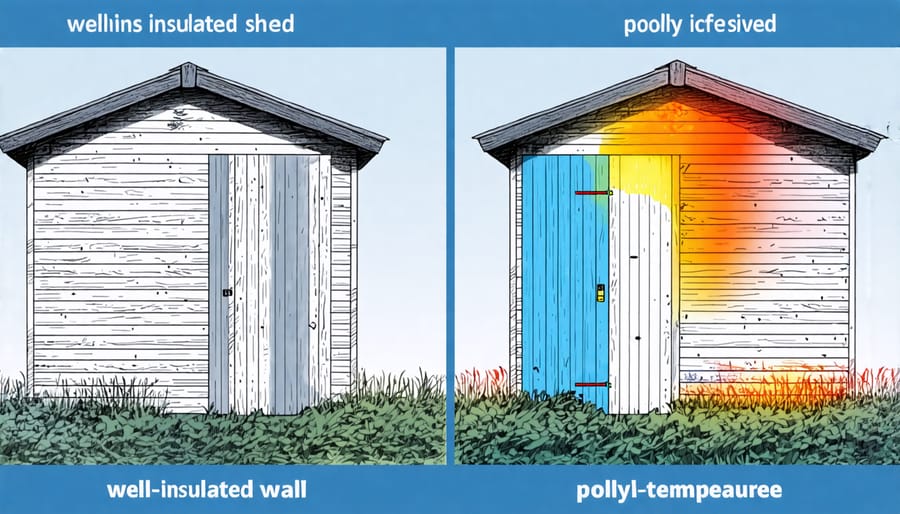
If you’re wondering how to climate control a shed, start with insulation. Without it, no heater, fan, or AC unit can keep up for long. Insulating the walls, roof, and floor slows heat transfer, so the interior stays steadier whether it’s a July afternoon or a January night.
When you pick insulation materials, weigh three things: R-value, moisture resistance, and how hard the stuff is to install. Fiberglass batts are cheap and fit between standard studs, but they lose performance when damp. Rigid foam boards resist moisture well and work nicely on floors and under roof decking. Spray foam gives the tightest seal and the highest R-value per inch, though it costs more and usually means hiring a pro. Match the material to your climate and your budget, not to whatever sounds fanciest.
Don’t skip the air sealing. Gaps around windows, doors, and utility penetrations leak conditioned air all day, and even the best insulation can’t make up for a drafty door. A few tubes of caulk, some weatherstripping, and expanding foam for larger holes go a long way.
The payoff is practical. A well-insulated shed protects tools, paint, and electronics from extreme swings, and it cuts the workload on whatever heating or cooling you add later. That means lower energy bills and a longer life for the equipment. If a full insulation job isn’t in the budget yet, even partial coverage on the roof and walls makes a noticeable difference in how stable the space feels.
Heating Options
Heating a shed isn’t complicated, but the right choice depends on how big it is and how you use it. Space heaters are the most common starting point. They’re affordable, portable, and simple to set up. A small electric space heater can take the chill off a small or medium shed in a few minutes, which is often all a workshop or hobby space needs. For larger buildings or colder climates, propane or kerosene heaters put out far more heat. They also need real ventilation and careful safety habits, including a carbon monoxide detector and a clear buffer around anything flammable.
Another option is a mini-split system which pairs an outdoor compressor with an indoor air-handling unit. Mini-splits are energy-efficient and quiet, and they handle both heating and cooling, so one unit covers summer and winter. No ductwork is required, which keeps installation manageable. The upfront cost is higher than a space heater, but for a heated storage shed you use all year, the lower running costs tend to make up the difference over time.
Before you buy anything, think through four things: the size of the shed, how well it’s insulated, your local climate, and what you’ll actually do inside. A shed that holds paint and tools through a mild winter has very different needs than a heated workshop in a cold region. Insulation matters most of all. Without it, even a powerful heater just warms the outdoors. Pair the right heat source with a well-sealed, insulated shell and you’ll have a comfortable, usable space without wasting energy.
Cooling Solutions
When summer heat settles in, a shed can hit 20 to 30 degrees above the outdoor temperature. That’s rough on paint, electronics, wood tools, and anything with a battery. It also makes the space miserable to work in. A few well-chosen cooling steps make a real difference.
Portable air conditioners are a popular choice because you can move them where you need them and they cool a small space quickly. Look for a unit with adjustable fan speeds and a thermostat, and size it to the shed’s square footage rather than guessing. An undersized unit will run constantly and never catch up. If you want a permanent air conditioned storage sheda ductless mini-split is usually the better long-term setup, since it’s quieter, more efficient, and doesn’t take up floor space. Either way, you’ll need a dedicated electrical circuit, so check your shed’s wiring before you buy.
Ventilation comes first, though, and it costs far less. Vents or windows on opposite walls create cross-ventilation, letting hot air escape while fresh air moves through. Ridge vents or gable vents near the roofline are especially effective because heat collects at the top. A small ceiling fan or a solar-powered roof vent can push more air without adding much to your power bill.
Insulation is the third piece. It slows heat transfer through the walls and roof, so the interior stays cooler for longer and any air conditioner works less. Radiant barriers and reflective insulation deflect the sun’s heat before it soaks into the structure, which pairs well with a light-colored roof. If you’re weighing options, our guide on how much to insulate a shed breaks down what’s worth the money, and there are thrifty ways to insulate your shed if you’re working on a tight budget.
Combine all three and you get a shed that stays workable through the hottest months. Anyone building from scratch, or storing sensitive gear like paint, electronics, or leather goods, should also look at climate controlled storage shedswhich are designed with insulation and HVAC in mind from the start. You can browse the storage sheds collection to compare sizes and styles that suit these upgrades.
Factors to Consider When Choosing a Temperature Control System
Size and Layout of Your Shed
The size and layout of your shed play a crucial role in determining the best temperature control options. Larger sheds may require more powerful cooling or heating systems to maintain a consistent temperature throughout the space. Consider the height of your shed as well, as taller ceilings can impact the efficiency of your climate control setup. The configuration of your shed, such as the placement of windows, doors, and insulation, can also affect temperature regulation. When planning your shed’s layout, think about how you’ll be using the space and where temperature-sensitive items will be stored to optimize your climate control choices.
Local Climate Conditions
Local climate conditions play a crucial role in determining the type and capacity of temperature control needed for your shed. In regions with extreme heat or cold, insulation and a more robust climate control system are essential to maintain the desired temperature range. For example, if you live in an area with hot, humid summers, you may need a shed with superior insulation and a powerful air conditioning unit to combat the heat and moisture. On the other hand, if you reside in a location that experiences frigid winters, a well-insulated shed equipped with a reliable heating system will be necessary to protect your stored items from the cold. Even in milder climates, temperature fluctuations can be detrimental to sensitive items, so it’s important to assess your local weather patterns and choose a temperature control solution that can effectively regulate the shed’s interior environment year-round.
Energy Efficiency and Costs
Picking a temperature control system for your shed isn’t just about the sticker price. The ongoing energy bill can matter more over a few years than what you paid to install the thing. A cheap window unit that runs flat out all summer will cost you more than a better unit that cycles on and off.
Look for equipment with strong energy efficiency ratings, such as Energy Star certified mini splits or window units. Variable-speed compressors, programmable thermostats, and smart controls all help by matching output to what the space actually needs instead of blasting at full power. Insulation and weatherstripping do the other half of the job. Seal the door gaps, insulate the walls and ceiling, and any air conditioned storage shed or heated storage shed will hold its temperature with far less work from the equipment.
The payoff is simple: a steadier interior, lower utility bills, and less strain on the system itself.
How much does it cost to run a heated or air conditioned storage shed?
It depends on shed size, insulation, your climate, and local electricity rates. A well-insulated small shed with an efficient unit that cycles on and off costs far less to run than a leaky one with an oversized or inefficient system, so insulation is the biggest lever you control.
Can you climate control a shed without electricity?
Partly. Insulation, reflective roofing, shade from trees, and passive vents can soften temperature swings without any power. For true heating or cooling, though, you’ll need electricity, or a fuel-based heater with proper ventilation and safety precautions.
Is insulation enough to keep a shed temperature stable?
Insulation slows heat transfer, but it can’t create heat or remove it. In mild climates it may be enough to keep things steady, while in very hot or cold regions you’ll likely still want a small heater or AC unit to finish the job. Our guide on how much to insulate a shed covers the details.
What size AC or heater does a small shed need?
Small sheds typically need only a modest unit, and oversizing wastes energy and cycles poorly. Match capacity to the shed’s square footage, insulation level, and window or door exposure, and check the manufacturer’s sizing guidance before you buy.
Conclusion
In conclusion, temperature-controlled sheds offer numerous benefits for homeowners seeking to improve the functionality and comfort of their storage spaces. By maintaining a stable temperature and humidity level, these sheds protect your belongings from damage caused by extreme weather conditions, pests, and moisture. Whether you opt for insulation, ventilation, or air conditioning, upgrading your shed with climate control features can significantly extend the life of your stored items and create a more pleasant environment for your hobbies or projects.
When choosing the best temperature control system for your shed, consider factors such as your local climate, the size of your shed, and your specific storage needs. With the right solution in place, you can transform your shed into a versatile and comfortable space that serves you well throughout the year.
We encourage you to explore the possibilities of temperature-controlled sheds and discover how they can enhance your storage experience. By investing in a climate-controlled shed, you’ll not only protect your valuable belongings but also create a more enjoyable and functional space for your outdoor activities. Take the first step towards upgrading your shed today and enjoy the peace of mind that comes with knowing your items are safe and secure in a temperature-controlled environment.
Looking for a storage sheds?
Browse our full range of storage sheds from authorized dealer brands. Free shipping to the continental US.