


Stop Rust Before It Destroys Your Portable Garage Frame

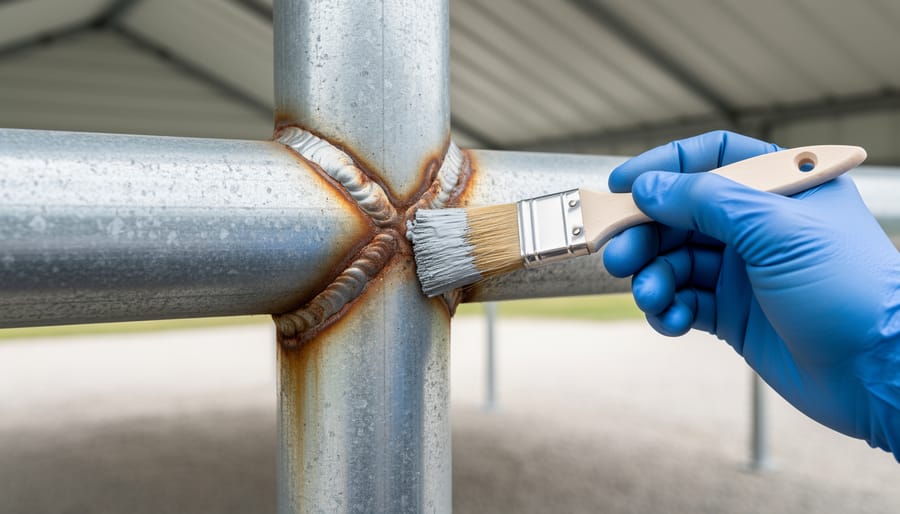
Inspect your portable garage frames right now for rust spots, especially at welded joints and ground-contact points where moisture accumulates. Apply a wire brush to remove any surface rust you find, then coat those areas immediately with a zinc-rich primer before moisture returns. Choose epoxy-based coatings for maximum protection in humid climates or coastal areas, while polyurethane works well for moderate conditions and offers easier application for DIY projects.
Your steel shelter represents a significant investment in protecting vehicles, equipment, and tools from the elements, yet the very structure designed to shield your valuables faces its own battle against corrosion. Without proper coating protection, even galvanized steel can develop rust within months when exposed to rain, snow, road salt, and humidity. The good news? Modern corrosion protection coatings have evolved far beyond basic spray paint, offering homeowners accessible solutions that can extend your portable garage’s lifespan by decades.
Understanding which coating system matches your climate conditions and skill level makes the difference between a five-year patch job and long-term protection. Some situations call for simple aerosol applications you can complete in an afternoon, while severe corrosion or coastal environments may require professional-grade systems. This guide walks you through proven coating options based on real-world performance, helping you identify the right protection level for your specific situation and budget. Whether you’re preventing future damage on a new structure or rescuing a garage showing early rust signs, the solution starts with choosing the appropriate coating technology.
Why Steel Frames Rust (And Why It Happens So Fast)
The Real Cost of Ignoring Rust
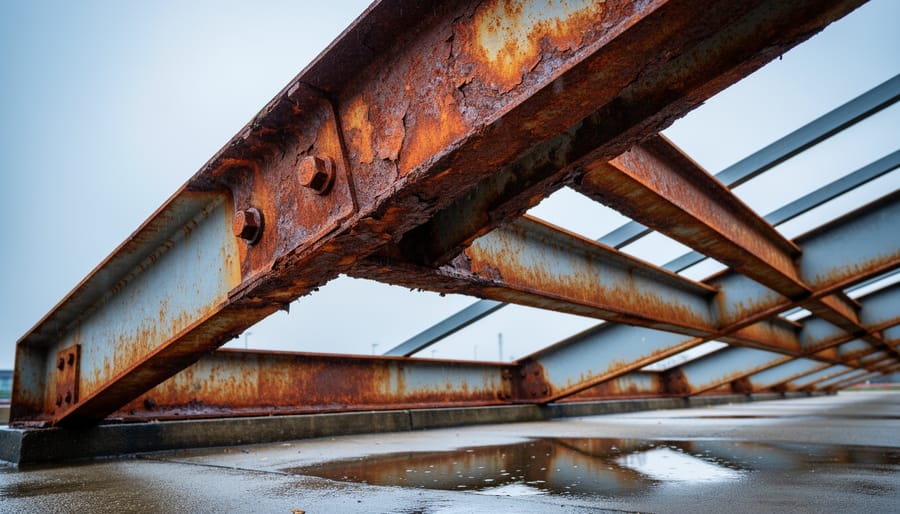
Ignoring rust on your portable garage frame isn’t just about appearances—it can hit your wallet hard and create genuine safety concerns. When corrosion takes hold, it silently eats away at the structural integrity of your steel frame. What starts as surface rust quickly penetrates deeper, weakening the metal until it can no longer support the weight of snow, wind loads, or even the shelter’s own canopy.
The financial impact adds up fast. A corroded frame often means replacing the entire structure years earlier than expected. While a quality portable garage should last 10-15 years with proper care, neglected frames can fail in just 3-5 years. That’s potentially thousands of dollars down the drain, not to mention the cost of replacing whatever you stored inside if the structure collapses.
Safety hazards are equally concerning. Weakened frames can buckle unexpectedly, especially during storms or heavy snowfall. Sharp, rusted edges pose injury risks during routine use, and a partial collapse could damage your vehicles, equipment, or worse—cause injury to family members.
Take Mark’s experience, for example. He purchased a portable garage to protect his classic truck but skipped applying protective coating to save time. Within two years, he noticed significant rust at the frame joints. By year three, the frame was so compromised he had to replace the entire structure. “I thought I’d save $100 and a weekend’s work,” Mark shared. “Instead, I spent $1,200 on a replacement and nearly lost my truck when one corner gave way during a storm.”
Types of Corrosion Protection Coatings That Actually Work
Galvanized Coatings: Your First Line of Defense
If you’ve purchased a portable garage recently, there’s a good chance it came with galvanized steel framing. That silvery-gray coating isn’t just for looks—it’s your first line of defense against rust, and understanding how it works can help you maximize its protective power.
Hot-dip galvanizing involves immersing steel in molten zinc, creating a metallurgically bonded coating that acts as a sacrificial barrier. Here’s the clever part: when moisture and oxygen reach the surface, the zinc corrodes instead of your steel. It literally sacrifices itself to keep your structure sound. Even better, if the coating gets scratched, zinc naturally protects nearby exposed steel through a process called cathodic protection.
The longevity is impressive. In typical suburban environments, galvanized coatings last 20-30 years before needing attention. Near coastal areas with salt air, expect 15-20 years, while dry climates can push that to 40 years or more. This is precisely why manufacturers pre-galvanize portable garage frames—it provides reliable, long-term protection right out of the box without requiring you to do anything.
The advantages are clear: exceptional durability, minimal maintenance, and cost-effectiveness compared to repeatedly applying paint. The trade-offs? Limited color options (that signature gray finish) and reduced effectiveness in highly acidic or alkaline environments.
To maximize your galvanized frame’s lifespan, rinse it annually with plain water to remove accumulated dirt and salts. Avoid using abrasive cleaners that scratch the coating. If you notice white powdery deposits (called “white rust”), gently brush them away—they indicate the zinc is doing its job. For any scratches exposing bare steel, apply zinc-rich touch-up paint available at hardware stores. This simple maintenance routine will help your portable garage stand strong for decades.
Powder Coating: Beauty Meets Protection
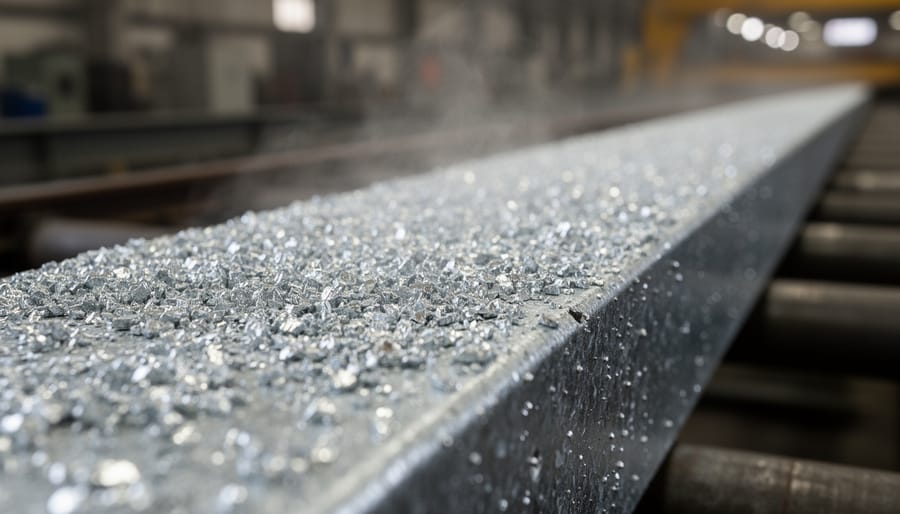
Powder coating offers an excellent combination of rust protection and visual appeal for your portable garage’s steel framework. Unlike traditional liquid paint, this process involves applying dry powder particles electrostatically, then baking them in an oven where they fuse into a smooth, durable finish. The result? A coating that’s typically four times thicker than regular paint and far more resistant to chipping, scratching, and weather damage.
The beauty of powder coating extends beyond its protective qualities. You’ll find an impressive range of colors and finishes, from classic blacks and grays to custom hues that complement your property. Many homeowners appreciate that powder-coated steel maintains its appearance for years without the chalking or fading common with painted surfaces.
When does powder coating make the most sense? It’s ideal for new portable garage purchases or when you’re planning a complete restoration project. The catch is that powder coating requires professional equipment and facilities, so this isn’t a DIY weekend project. You’ll need to transport your steel components to a coating facility or purchase pre-coated materials.
Cost-wise, powder coating sits in the mid-to-upper range, typically more expensive than spray paint but less than hot-dip galvanizing. However, the longevity often justifies the investment. One shed owner shared that her powder-coated garage frame still looked showroom-fresh after eight years in coastal humidity, while her neighbor’s painted structure needed refinishing after just three years. For those prioritizing both protection and curb appeal, powder coating delivers impressive value.
Epoxy and Polyurethane Coatings: Heavy-Duty Options
When you need maximum protection for your portable garage’s steel frame or metal storage items, epoxy and polyurethane coatings deliver industrial-strength defense against rust and corrosion. These liquid-applied coatings create a thick, impermeable barrier that stands up to moisture, chemicals, and temperature extremes far better than standard spray paints.
Epoxy coatings are particularly popular for their excellent adhesion and durability. They come in two-part formulas that you mix before application, creating a chemical bond that’s incredibly tough. Polyurethane coatings offer similar protection with added UV resistance, making them ideal for areas exposed to sunlight. Both typically require brush or roller application, though spray versions are available for larger projects.
The trade-off for this superior protection is patience. Unlike quick-drying sprays, these coatings need 24-48 hours between coats, with full curing taking up to a week. Surface preparation is also more demanding – you’ll need to remove all rust, oil, and loose paint, then apply a compatible primer.
For small DIY projects like coating tool racks or touch-up work on garage anchors, these coatings are manageable with careful preparation. However, if you’re tackling an entire frame or dealing with significant rust damage, professional application often makes sense. Professionals have the equipment for proper surface preparation and controlled application environments, ensuring you get the full lifespan these premium coatings promise.
Many homeowners find success using epoxy coatings on high-contact areas like door tracks and corner joints, where frequent moisture exposure demands extra protection.
Specialty Rust Converters and Preventive Sprays
If you’ve discovered small rust spots on your portable garage frame or want a simple solution for touch-ups, specialty rust converters and preventive sprays offer excellent options. These products are particularly useful for addressing early-stage corrosion before it spreads.
Rust converters work by chemically transforming existing rust into a stable, paintable surface. You simply apply the liquid directly onto rusted areas, and it bonds with the iron oxide to create a protective barrier. This approach is perfect when you notice those telltale orange patches forming on bolts, joints, or frame sections. After the converter dries (usually 24-48 hours), you can apply a topcoat for added protection.
Preventive sprays, often available in aerosol cans, provide quick touch-up coverage for exposed metal after assembly or minor damage. Look for products containing zinc or rust-inhibiting compounds that dry clear or in metallic finishes. These are wonderfully convenient for reaching tight corners and hard-to-access areas.
For best results, clean the surface with a wire brush before application, removing loose rust and debris. Work in dry conditions above 50°F, and apply multiple thin coats rather than one heavy layer. Keep a can handy for annual inspections so you can address any emerging rust immediately, extending your garage’s lifespan significantly.
How to Choose the Right Coating for Your Climate and Budget
Coastal and High-Humidity Areas: What You Need to Know
If your portable garage sits near the ocean or in an area with high humidity, you’re facing a tougher battle against rust. Salt-laden air and constant moisture are relentless enemies of steel, and here’s the truth: standard coatings often aren’t enough in these environments.
The problem is that saltwater accelerates corrosion dramatically, and regular paint or thin zinc coatings can break down quickly. Moisture finds its way into tiny scratches or thin spots, and once it starts, rust spreads fast underneath the coating.
For coastal and humid areas, you need a multi-layer approach. Start with a zinc-rich primer that provides sacrificial protection, meaning the zinc corrodes before your steel does. Follow this with an epoxy intermediate coat that creates a moisture barrier, then finish with a high-quality polyurethane topcoat that resists UV rays and salt spray.
Hot-dip galvanizing is another excellent choice for these challenging conditions, offering thick, long-lasting protection that can handle decades of exposure.
One homeowner in Florida shared that switching to a proper marine-grade coating system saved his portable garage frame after coastal air had damaged his previous setup within just two years. Don’t cut corners in these environments—the extra investment in proper coatings pays off by avoiding complete replacement down the road.
Snow Belt and Road Salt Challenges
If you live in the snow belt where winter roads get a generous coating of salt, you’re probably familiar with the rust-colored evidence on vehicles and metal structures come springtime. Road salt is incredibly effective at melting ice, but it’s equally talented at accelerating corrosion on your portable garage’s steel frame.
The challenge is real: salt creates an electrochemical reaction that speeds up rust formation by up to five times compared to moisture alone. When salt spray kicks up from passing vehicles or snowplows, it settles on exposed steel surfaces and gets to work. Even small scratches in existing coatings become entry points for this corrosive cocktail.
The good news? You can fight back with the right protective strategy. For snow belt conditions, prioritize coatings with excellent salt resistance ratings. Epoxy-based coatings offer superior protection against chloride intrusion, while zinc-rich primers provide sacrificial protection that’s particularly valuable in harsh winter environments. Look for products specifically marketed as “marine grade” or “salt resistant,” as these formulations are designed for exactly these conditions.
Before winter hits, inspect your portable garage thoroughly for any coating damage or bare spots. These vulnerabilities will become major problems once salt exposure begins. Apply touch-up coatings during dry fall weather when temperatures are still above 50 degrees Fahrenheit for proper curing. Consider applying an additional clear protective topcoat on the lower portions of your frame where salt accumulation is heaviest.
DIY Application Tips: Protecting Your Frame the Right Way
When to Call in a Professional
While many coating projects are perfect for DIY, some situations really benefit from professional expertise. If you’re dealing with extensive rust damage that requires sandblasting or heavy-duty surface preparation equipment, calling in a pro makes sense. Large portable garage structures with hard-to-reach areas or complex metal configurations can be challenging to coat evenly, and professionals have the tools and experience to ensure complete coverage without missed spots.
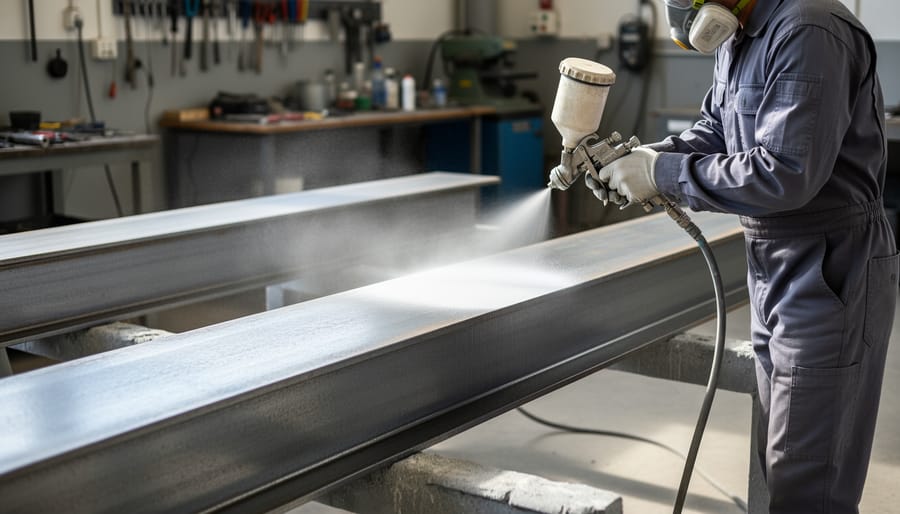
Specialized coatings like zinc-rich primers or polyurethane systems often require spray equipment, precise mixing ratios, and controlled application conditions that are tricky to achieve at home. Similarly, if your garage frame needs welding repairs before coating, combining both services through one professional saves time and ensures proper protection over repair areas.
Consider the investment value too. For a high-end portable garage or one in harsh coastal environments, professional application might cost more upfront but delivers longer-lasting protection and often comes with warranties. On the flip side, routine maintenance coats and touch-ups on smaller structures remain excellent DIY projects that save money while keeping your garage in great shape.
Maintenance Habits That Double Your Coating’s Lifespan
Protecting your steel portable garage from corrosion isn’t a one-time job. Think of it like maintaining your car – regular attention prevents expensive problems down the road. The good news? A simple maintenance routine can literally double the lifespan of your protective coating.
Start with seasonal inspections, ideally in spring and fall. Walk around your structure with a flashlight, paying special attention to corners, joints, and anywhere water might collect. You’re looking for scratches, chips, bubbling, or chalky residue – all early warning signs that your coating needs attention. Catching these issues early means a quick touch-up instead of a complete recoating job.
Cleaning matters more than most people realize. Twice a year, gently wash your steel surfaces with mild soap and water using a soft brush or cloth. This removes dirt, salt, and pollutants that gradually break down protective coatings. Avoid pressure washers on coated surfaces – they can force water under edges and cause more harm than good. One homeowner shared how this simple habit kept her coastal garage rust-free for over a decade, while her neighbor’s untreated structure showed corrosion within three years.
Keep a small container of your original coating product for touch-ups. When you spot a scratch or chip, lightly sand the area, clean it thoroughly, and apply a thin coat. This fifteen-minute fix prevents rust from gaining a foothold.
Watch for peeling or flaking, especially after harsh weather. These aren’t just cosmetic issues – they’re your coating telling you it needs help. Address them promptly as part of your overall portable garage maintenance routine. Prevention truly costs less than repair, both in time and money.
Your portable garage represents a significant investment in protecting your vehicles and equipment, and taking proactive steps to prevent corrosion will pay dividends for years to come. Whether you’re dealing with a brand-new steel frame or addressing early signs of rust, the right coating applied at the right time can dramatically extend your structure’s lifespan.
Think about your specific situation: What’s your climate like? How much maintenance time can you realistically commit? What’s your budget for both materials and ongoing upkeep? These answers will guide you toward the best solution, whether that’s a simple rust-inhibiting spray for mild conditions or a comprehensive epoxy system for harsh coastal environments.
Don’t wait until rust has taken hold. Regular inspections, especially after winter or rainy seasons, help you catch problems early when they’re easiest and cheapest to fix. Many homeowners have successfully tackled coating projects themselves on weekends, transforming their garage’s durability with just a few hours of work.
Protecting your investment starts with action today. Grab a flashlight, inspect those joints and welds, and commit to a coating schedule that works for your lifestyle. Your future self will thank you when your portable garage stands strong season after season.
Looking for a portable garages?
Browse our full range of portable garages from authorized dealer brands. Free shipping to the continental US.