


V Groove vs Tongue and Groove: Which Wood Shed Construction Is Right for You?

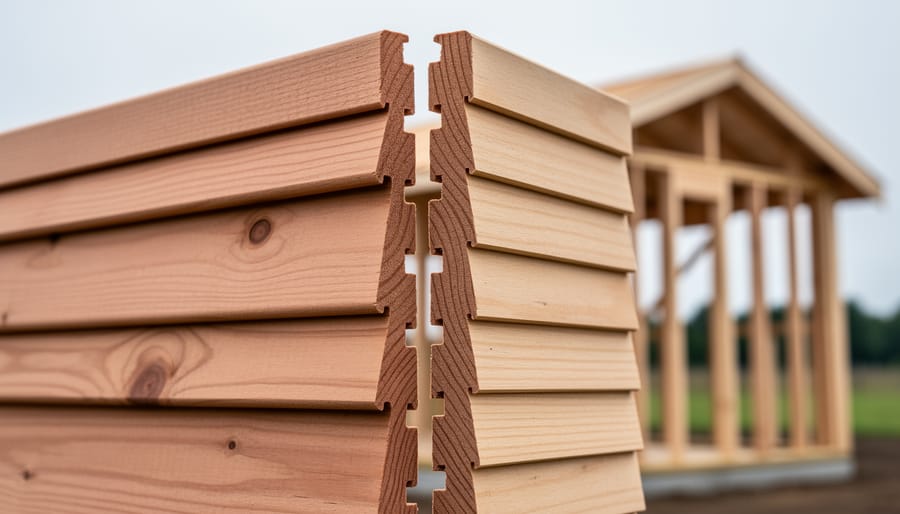
For most homeowners building a new shed in 2026, tongue and groove wins on weather resistance and longevity, while V-groove offers a budget-friendly alternative that still looks sharp if your structure has good roof overhang and isn’t in a harsh climate. After working with both paneling systems across dozens of shed installations, we’ve found that tongue and groove’s interlocking design creates a tighter seal against moisture and wind-driven rain, making it the go-to choice for year-round protection of stored equipment and tools. V-groove, with its decorative channel that sits flush against the framing, costs about 15-20% less and installs faster, but those visible seams can become entry points for water if your shed faces heavy weather exposure.
Key Takeaway: Tongue and groove delivers superior weather protection through its overlapping joint design, making it ideal for long-term durability. V-groove costs less and installs quickly but works best in covered or sheltered locations where moisture intrusion is less of a concern.
The choice between these two systems isn’t just about upfront price. We’ve seen tongue and groove sheds maintain their structural integrity and interior dryness for years longer in wet climates, while V-groove performs beautifully when paired with proper roof design and regular maintenance. Your decision should balance your budget against your local weather patterns, the value of what you’re storing, and how much time you want to spend on upkeep. This guide breaks down exactly what makes each system different, where each one excels, and which option makes sense for your specific shed project.
At a Glance: V-Groove vs. Tongue-and-Groove Comparison
We’ve evaluated both paneling systems across real-world shed applications to give you a clear picture of where each excels. Here’s how v-groove and tongue-and-groove stack up on the factors that matter most when choosing your shed kit.
| Feature | V-Groove | Tongue-and-Groove |
|---|---|---|
| Typical Price Range | Lower cost option | 15-30% premium |
| Weather Seal | Moderate; gaps can form | Superior interlocking seal |
| Structural Strength | Good for light use | Excellent rigidity and stability |
| Installation Difficulty | Easier for beginners | Requires more precision |
| Best Climate | Mild, dry conditions | All climates, especially harsh weather |
V-groove sheds work well when you’re looking for an affordable, attractive storage solution in a protected location or mild climate. The boards create a classic paneled look with visible seams that add character, though those seams can allow moisture intrusion over time. Tongue-and-groove construction costs more upfront but delivers a tighter, more weather-resistant structure that stands up to wind-driven rain and temperature swings. The interlocking design also adds rigidity to the walls, making it the better choice when you’re storing valuable equipment or need a workshop space that stays dry year-round.
Understanding Your Options: What V-Groove and Tongue-and-Groove Really Are
What V-Groove Paneling Is
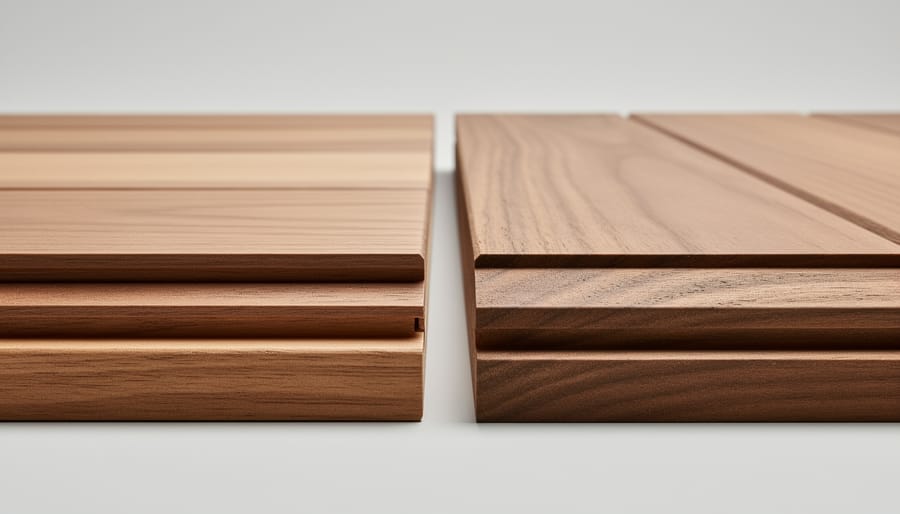
V-groove paneling gets its name from the distinctive V-shaped channel that forms where two boards meet. Unlike interlocking systems, v-groove boards have square edges that simply butt against each other. When installed side-by-side on a shed wall, the gap between boards creates that characteristic V-shaped groove running vertically along each joint.
The construction is straightforward: each board is a flat panel, often with a decorative groove routed into the face to create visual interest and a cottage-style appearance. When you line up multiple boards, the decorative grooves create a pattern of shadows that gives the shed walls texture and depth. The V-shaped joints between boards contribute to this aesthetic, resulting in a traditional, rustic look that many homeowners find appealing for garden sheds and backyard storage.
Installation typically involves attaching boards directly to the shed’s frame using nails or screws. You position each board flush against the previous one, securing it to horizontal supports. The process is relatively intuitive since there’s no puzzle-piece fitting required. However, those V-shaped gaps where boards meet remain open channels, which becomes relevant when considering weather exposure and moisture protection. The simplicity of this butt-joint approach makes v-groove an accessible option for DIY builders working on their first shed project.
What Tongue-and-Groove Paneling Is
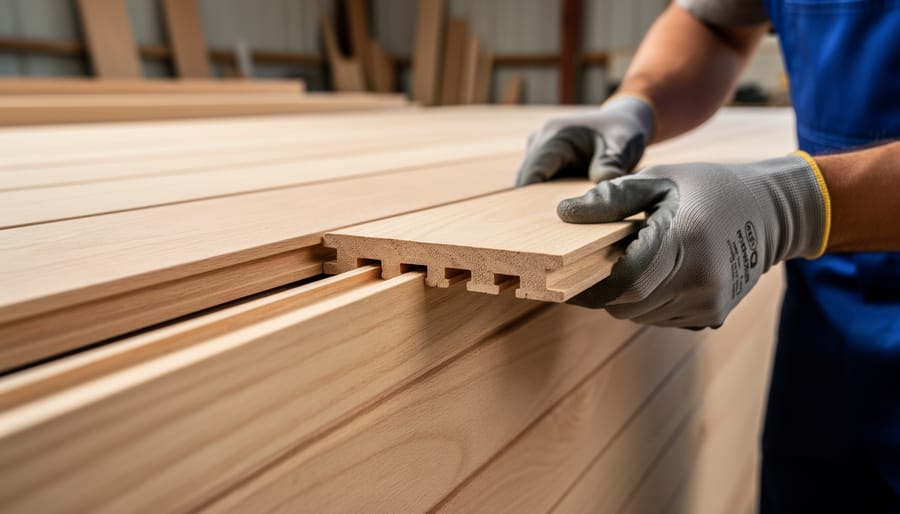
Tongue-and-groove paneling uses an ingenious interlocking system that’s been trusted in shed construction for decades. Each board features two specially milled edges: one side has a protruding “tongue” (a thin ridge running the board’s length), while the opposite edge contains a “groove” (a matching channel). When installing, you slide the tongue of one board into the groove of the next, creating a mechanical connection that pulls the boards tightly together.
This interlocking design is what sets tongue-and-groove apart. The overlapping joint creates a continuous barrier along the entire wall surface, with each board literally locked into its neighbour. The tongue typically extends about a quarter to half an inch, fitting snugly into the corresponding groove depth.
We’ve found this system particularly effective at preventing gaps over time. As the wood naturally expands and contracts with temperature and humidity changes, the interlocking connection accommodates this movement while maintaining contact between boards. The overlapping design also creates a physical barrier against moisture intrusion, water that reaches the joint has to navigate past the protruding tongue rather than flowing straight through a simple butt joint.
Installation requires working systematically from one corner, positioning each new board at an angle to engage the tongue, then pushing or tapping it home until the joint seats completely flush.
Head-to-Head: How V-Groove and Tongue-and-Groove Compare
Weather Resistance and Water Protection
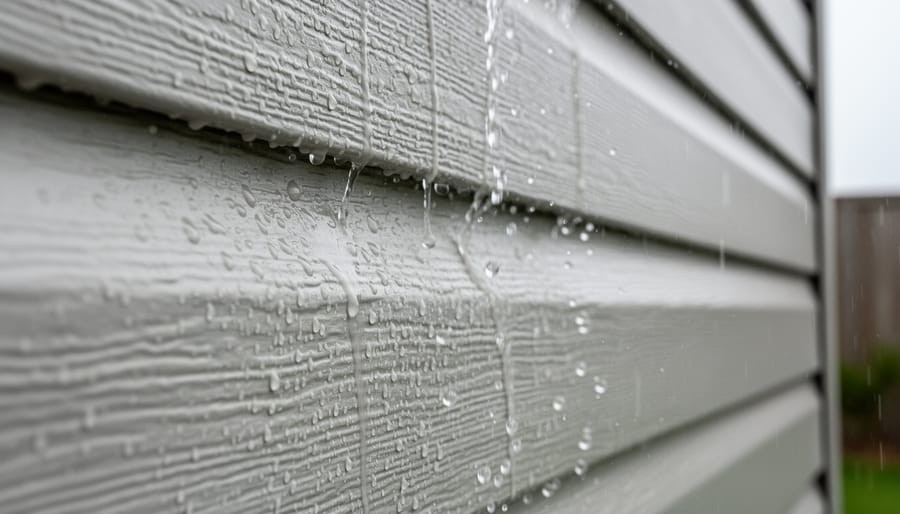
When it comes to protecting your shed’s contents from the elements, tongue-and-groove delivers a clear advantage. The interlocking design creates a continuous barrier that actively resists water infiltration. As each board’s tongue slides into the adjacent groove, it forms an overlapping seal that sheds rain downward and outward, preventing moisture from penetrating the wall cavity. We’ve found this mechanical barrier remains effective even as wood naturally expands and contracts with seasonal humidity changes.
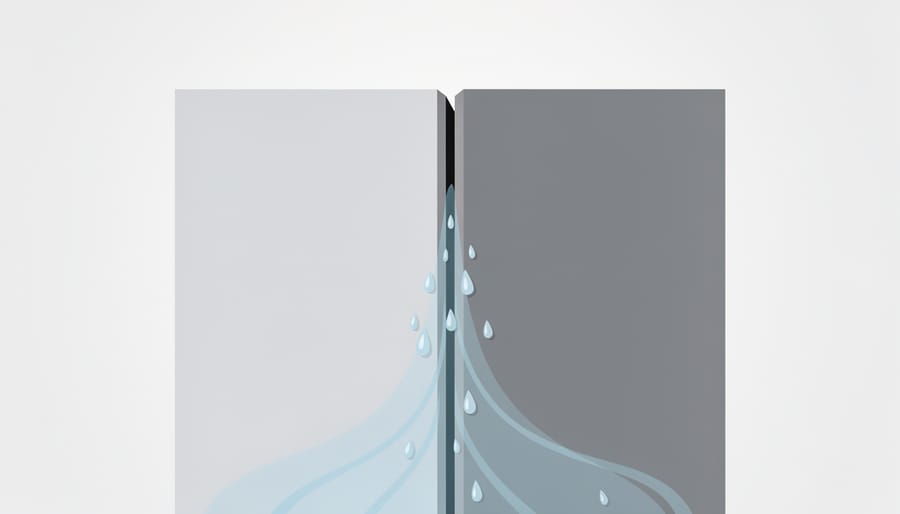
V-groove panels, by contrast, rely on boards butting directly against each other. While the V-shaped channel provides visual appeal, it doesn’t create the same weathertight seal. These butt joints can develop gaps as the wood moves through wet and dry cycles. Over time, especially in climates with significant temperature swings, these gaps allow water to seep behind the siding. This makes proper treatment essential, understanding how to waterproof plywood and applying proven waterproof plywood methods becomes critical with v-groove construction to compensate for its inherent gaps.
For long-term weatherproofing performance, tongue-and-groove maintains its protective seal with minimal intervention. V-groove sheds require more frequent inspection and resealing, particularly around the joints, to prevent moisture damage to stored items. If you’re in a region with heavy rainfall or persistent humidity, the superior water protection of tongue-and-groove justifies its higher upfront cost.
Structural Strength and Durability
When we’ve evaluated sheds with both paneling systems, the structural differences become clear once you know what you’re looking for. Tongue-and-groove construction creates a stronger, more rigid wall because each board locks into its neighbor. That interlocking action means the entire wall panel works as one unit rather than a collection of separate boards. We’ve seen this translate to better resistance against racking, that side-to-side movement that happens when wind hits a shed at an angle. The boards support each other, distributing stress across the structure.
V-groove panels, by contrast, rely on the frame alone for structural support since the boards simply butt against each other. They’re more prone to individual board movement, which can lead to gaps over time as the wood expands and contracts with humidity changes. This doesn’t mean v-groove sheds are flimsy, a well-built frame still provides adequate stability for typical garden storage, but they won’t handle extreme weather or heavy impacts as confidently.
The warping question matters more in regions with dramatic seasonal swings. Tongue-and-groove boards tend to hold their shape better because they’re constrained by their neighbors. V-groove boards have more freedom to cup or twist at the edges, especially if moisture gets behind them.
Installation Ease and DIY-Friendliness
For DIY installation, v-groove sheds have a clear advantage in simplicity. The panels butt together without needing precise alignment, so you can work quickly and fix minor mistakes on the fly. We’ve found beginners can typically frame and panel a small v-groove shed in a weekend with basic tools: circular saw, drill, level, and square. The forgiving nature means slightly uneven cuts or misaligned boards won’t derail the entire project.
Tongue-and-groove demands more patience and precision. Each board must slide into place at the correct angle, then tap flush without damaging the tongue or splitting the groove. Warped lumber becomes a real headache, forcing you to coax stubborn boards into alignment while maintaining the interlock. You’ll need the same basic tools, but also a rubber mallet and possibly a scrap block to protect edges during fitting. The learning curve is steeper, and rushing leads to gaps or broken tongues that compromise the weather seal.
Time-wise, expect tongue-and-groove to take 25-30% longer than v-groove for the same shed size. The trade-off is a tighter, more weatherproof result, but if you’re tackling your first shed build or working solo on weekends, v-groove removes much of the frustration and lets you see faster progress.
Cost Differences and Value
V-groove sheds typically cost 15-25% less than comparable tongue-and-groove models. For a standard 8×10 shed, you might pay £800-£1,200 for v-groove versus £1,000-£1,500 for tongue-and-groove construction. This difference stems from simpler manufacturing, v-groove boards require less precision milling since they butt together rather than interlock.
The price gap widens with larger structures. When comparing 8×8 wood shed prices tongue-and-groove options consistently command premium pricing due to the tighter joinery and additional material needed for the interlocking mechanism.
However, upfront savings don’t tell the whole story. Tongue-and-groove construction delivers better weather sealing, which means less maintenance over time. You’ll spend less on caulking, repainting, and repairing water damage. We’ve seen v-groove sheds require resealing every 2-3 years in wet climates, while tongue-and-groove systems maintain their integrity longer between treatments.
For budget-conscious buyers in mild climates storing non-sensitive items, v-groove offers excellent value. But if you’re protecting valuable tools or facing harsh weather, the extra investment in tongue-and-groove pays dividends through reduced upkeep and better contents protection.
Aesthetic Appeal and Finish Options
V-groove creates a classic, traditional shed appearance with its distinctive vertical shadow lines where boards meet. The V-channel pattern adds visual depth and works beautifully with both painted and stained finishes, though paint can settle slightly into the grooves. This style suits cottage gardens, rustic yard themes, and traditional home exteriors where decorative charm matters more than weatherproofing. Tongue-and-groove produces a smoother, more unified wall surface with tighter, less visible seams. We’ve found it takes stain more evenly across the entire surface and provides a cleaner, more contemporary look that complements modern landscaping and architectural styles where a seamless finish is preferred.
Pros and Cons of Each Paneling System
After comparing these systems head-to-head, it’s helpful to see the key trade-offs laid out clearly. Here’s what we’ve found matters most when choosing between v-groove and tongue-and-groove for your shed.
V-Groove Advantages
- Lower upfront cost makes it accessible for tight budgets and smaller projects.
- Classic vertical groove pattern adds decorative appeal to garden sheds.
- Simpler installation with fewer precision requirements for DIY builders.
- Adequate for dry climates and low-moisture storage needs.
V-Groove Disadvantages
- Gaps between boards allow water infiltration and require more maintenance to protect from rain and rot.
- Less structural rigidity since boards don’t interlock.
- Higher risk of warping and expansion issues over time.
- Not ideal for harsh weather or high-humidity regions.
Tongue-and-Groove Advantages
- Interlocking design creates superior weather seal against rain and moisture.
- Added structural strength from boards that lock together.
- Better long-term durability with less warping and gap formation.
- Excellent for protecting valuable equipment and tools in any climate.
Tongue-and-Groove Disadvantages
- Higher initial cost, typically 20-40% more than v-groove options.
- More complex installation requires careful alignment and patience.
- Mistakes during assembly can be harder to correct.
- May be overkill for simple storage in mild, dry climates.
The trade-off comes down to budget versus protection. V-groove works when you’re prioritizing cost savings and building in a forgiving climate, while tongue-and-groove pays off when you need reliable weather resistance and plan to keep the shed long-term. Neither system is universally better, the right choice depends on matching these characteristics to your specific needs and environment.
Who Should Choose Which: Matching the Right System to Your Needs
Best Situations for V-Groove Sheds
V-groove sheds shine when you’re working within a tight budget but still want a solid wooden structure. We’ve found they’re perfect for mild climates where extreme weather isn’t a constant concern, think Southern California or the Pacific Northwest’s drier months. If you live somewhere that doesn’t see harsh winters or relentless driving rain, the simpler construction holds up well without the premium price tag.
They’re also ideal for decorative applications where appearance matters as much as function. The classic V-groove pattern adds charm to wooden garden sheds that serve as focal points in landscaped yards. We’ve seen homeowners choose v-groove specifically for potting sheds, pool equipment storage, and garden tool houses where the rustic aesthetic complements outdoor living spaces.
Budget-conscious DIYers appreciate the straightforward installation and lower material costs. If you’re storing items that aren’t moisture-sensitive, lawn mowers, seasonal decorations, sports equipment, v-groove provides adequate protection without overspending. They’re also smart choices for temporary storage solutions or when you’re testing whether a shed meets your needs before committing to a permanent structure.
Best Situations for Tongue-and-Groove Sheds
Tongue-and-groove sheds truly earn their investment in situations where durability and protection matter most. We’ve found they consistently outperform v-groove in demanding environments where your shed needs to function as more than basic storage.
If you’re in a region with harsh winters, heavy rainfall, or coastal weather, tongue-and-groove construction becomes essential. The interlocking boards create a weather-tight barrier that stands up to driving rain and prevents moisture infiltration that would compromise v-groove joints. High-humidity areas particularly benefit from this superior seal, which helps protect contents from dampness and reduces the risk of mold or mildew developing inside.
For workshop spaces where you’ll spend significant time working, tongue-and-groove provides better insulation and draft prevention. The tight seal creates a more comfortable environment and keeps dust and debris out more effectively than gapped v-groove panels. If you’re storing valuable equipment, power tools, lawn machinery, or anything susceptible to moisture damage, the added protection justifies the higher upfront cost.
Long-term storage situations favor tongue-and-groove as well. When you’re keeping seasonal items, furniture, documents, or belongings you can’t afford to replace, the investment in weather-resistant construction pays dividends over years of reliable protection. The structural strength also matters if you’re storing heavy items or need wall-mounted storage systems, since the interlocking panels distribute weight more effectively and resist warping better than butted v-groove boards.
What Each Option Is
Before diving into which system works best for your shed, it’s worth understanding what these terms actually mean. Both v-groove and tongue-and-groove refer to how wooden boards connect along their edges, but they use fundamentally different approaches that affect everything from weather protection to installation.
V-groove paneling uses boards that sit side-by-side with their edges butting directly against each other. The defining feature is a decorative V-shaped channel cut into the face of each board near the edge. When installed, these channels create a series of parallel V-grooves running vertically down your shed walls, giving a classic cottage or barn-style appearance. The boards themselves don’t mechanically lock together, they simply rest against one another, relying on the frame and fasteners to hold everything in place.
Tongue-and-groove paneling takes a different approach with an interlocking design. Each board has a protruding “tongue” milled along one edge and a matching “groove” carved into the opposite edge. During installation, the tongue of one board slides into the groove of the next, creating a mechanical connection that pulls the boards tightly together. This interlocking system forms a continuous surface without visible gaps between boards, and it allows the wood to expand and contract with weather changes while maintaining a seal.
The construction difference might seem subtle, but it has real implications for how your shed performs over time.
V Groove vs Tongue and Groove Wood Shed Kits Terms to Know
Understanding the terminology around shed paneling helps you make confident decisions when comparing options and discussing specifications with suppliers. Here are the essential terms you’ll encounter:
- Shiplap
- A third paneling option where boards overlap slightly with a rabbet joint, offering better weather resistance than v-groove but less interlocking strength than tongue-and-groove. Often confused with these systems but represents a distinct middle-ground approach.
- Rabbet Joint
- A groove or recess cut along the edge of a board that allows another board to overlap into it, creating a stepped connection. This joint type appears in both shiplap and some v-groove designs.
- Board Expansion Gap
- The small space left between boards during installation to accommodate natural wood movement as moisture and temperature change throughout seasons. V-groove systems require careful gap planning, while tongue-and-groove joints naturally account for this movement.
- Cladding Thickness
- The actual wood thickness of the shed wall boards, typically ranging from 12mm to 19mm in quality kits. Thicker cladding provides better insulation and structural rigidity regardless of the joining system used.
- Interlocking Profile
- The shaped edge design that allows boards to connect, specifically referring to the tongue-and-groove mechanism. This profile creates mechanical strength and a weather-tight seal that simple butt joints cannot achieve.
When you’re reviewing shed specifications or talking with manufacturers, these terms help you ask the right questions about construction quality. The cladding thickness and joint type together determine how well your shed will perform over time, so understanding both aspects gives you a complete picture of what you’re getting.
Common Questions About V-Groove and Tongue-and-Groove Shed Kits
Can you effectively weatherproof a v-groove shed?
Yes, but it requires more maintenance than tongue-and-groove. You’ll need to seal the V-shaped joints with exterior caulk and apply a quality paint or stain regularly, typically every 2-3 years depending on your climate, to prevent moisture infiltration at the butt joints.
How much longer does tongue-and-groove typically last compared to v-groove?
With proper maintenance, tongue-and-groove construction generally outlasts v-groove by 5-10 years in harsh weather conditions. The interlocking design resists moisture penetration better, reducing rot and warping over time, though both systems can serve well beyond 15 years when maintained properly.
Can you mix v-groove and tongue-and-groove on the same shed?
While technically possible, we don’t recommend it. The two systems have different expansion rates and installation requirements, creating potential weak points where they meet. Stick with one system throughout for consistent performance and easier future repairs.
What ongoing maintenance does each system need?
Both require periodic repainting or restaining, but v-groove needs additional attention to joint sealing and caulking to maintain weather resistance. Tongue-and-groove mainly needs surface coating maintenance and occasional inspection for any boards that may have loosened, making it slightly less demanding overall.
Beyond these common questions, shed owners often wonder about repair complexity. If a single board gets damaged, tongue-and-groove panels prove trickier to replace since you must carefully remove interlocking sections without damaging adjacent boards. V-groove boards, because they simply butt together, allow for easier individual board replacement, though you’ll need to match the groove spacing carefully for a seamless look.
Another practical concern comes up around insulation. Both systems accept insulation between the interior framework and exterior paneling, but tongue-and-groove’s tighter seal means fewer drafts to address. If you plan to use your shed as a workshop or heated space, that built-in draft resistance gives tongue-and-groove a meaningful advantage without extra weatherstripping.
Choosing between v-groove and tongue-and-groove paneling isn’t about finding the objectively “better” option, it’s about matching the system to your specific situation. If you’re in a region with harsh winters, frequent rain, or high humidity, the extra investment in tongue-and-groove pays off through superior weather protection and structural integrity. The interlocking design keeps moisture out and delivers long-term durability when you’re storing valuable tools or using the space as a workshop.
For milder climates, budget-conscious buyers, or decorative garden storage, v-groove offers a perfectly valid solution. You’ll get the classic shed aesthetic at a lower price point, and with proper maintenance, it performs well in dry conditions.
Consider your climate first, then your budget, and finally what you’re storing. Both systems work when they’re properly matched to the job. We’ve seen homeowners succeed with either choice once they align the paneling type with their environment and needs.
Ready to explore your options? Storage Sheds Outlet carries both v-groove and tongue-and-groove shed kits to fit different requirements and budgets.