


Metal Shed Lifespan: Get Maximum Years From Your Storage Investment

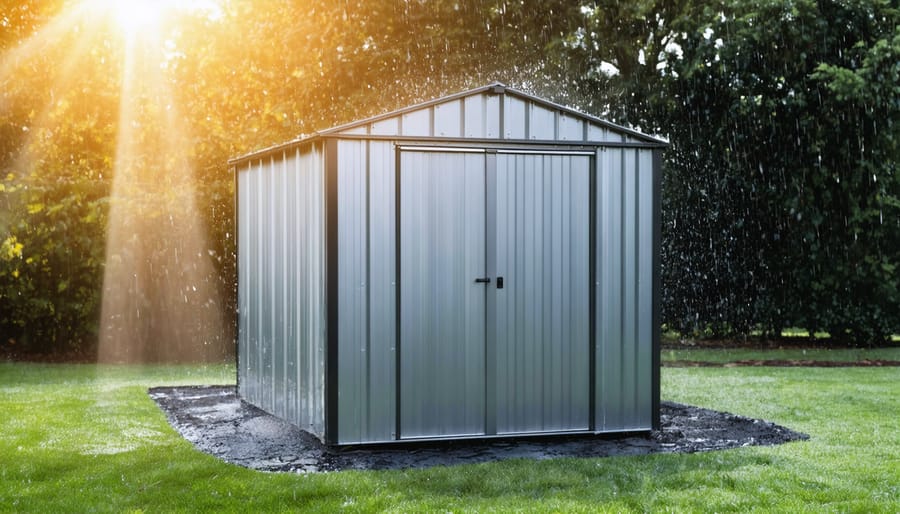
A well-maintained metal shed can last 20-30 years or more, making it one of the most durable and cost-effective storage solutions for homeowners. Modern galvanized steel sheds, protected with zinc coating and specialized paint finishes, resist rust, corrosion, and weather damage far better than their wooden counterparts. While the initial investment might be higher than other materials, metal sheds deliver exceptional longevity when properly installed and maintained.
Your shed’s lifespan ultimately depends on several key factors: installation quality, local climate conditions, maintenance routine, and the specific metal type used in construction. Understanding these elements helps you maximize your investment and ensure decades of reliable storage. Whether you’re considering a new purchase or looking to extend the life of your existing metal shed, knowing what influences its durability empowers you to make informed decisions about your outdoor storage needs.
Average Lifespan of Metal Storage Sheds
A well-maintained metal storage shed typically lasts between 20 to 30 years, making it one of the most durable outdoor storage solutions available. When exploring the benefits of metal sheds their impressive longevity often tops the list. These structures can withstand various weather conditions, from intense sun exposure to heavy rainfall, without significant deterioration.
The metal shed lifespan varies considerably depending on the type and quality of construction. Standard residential metal sheds average 10 to 15 years without noticeable damage, while quality storage buildings with proper maintenance typically reach 20 to 30 years. Premium options last even longer: pre-engineered metal buildings can serve for 50 to 100 years, and structural steel frame buildings reach 80 to 100 years thanks to their superior structural strength and pest resistance.
| Metal Shed Type | Expected Lifespan | Key Factors |
|---|---|---|
| Standard Metal Sheds | 10-15 years | Basic coatings, minimal rust protection |
| Quality Residential Metal Sheds | 20-30 years | Proper maintenance, better materials |
| Premium Galvanized Steel Sheds | 25+ years | Rust-resistant coatings, quality construction |
| Pre-Engineered Metal Buildings | 50-100 years | Commercial-grade engineering, superior materials |
| Structural Steel Frame Buildings | 80-100 years | Maximum structural strength, pest immunity |
When comparing metal to other shed materials metal consistently outperforms many alternatives. While wooden sheds typically last 10 to 15 years and plastic sheds around 15 to 20 years, how long do metal sheds last depends heavily on construction quality and care. With proper maintenance, even a typical metal shed can reach 25 years or more.
The actual lifespan of your metal shed depends on several factors, including:
– Quality of materials and construction
– Local climate conditions
– Foundation stability
– Regular maintenance
– Protection from physical damage
Many homeowners report their metal sheds lasting even longer than expected when properly installed and maintained, making them an excellent long-term investment for outdoor storage needs.
Factors That Impact Your Metal Shed’s Durability
Material Quality and Gauge
The type and thickness of metal used in your shed directly impacts its longevity. Premium galvanized steel sheds typically feature 12 to 14-gauge metal, offering superior durability against the elements. Thicker metal means better resistance to denting, rust, and structural stress. Budget-friendly options often use thinner 20 to 24-gauge metal, which can still provide decent service life with proper care.
Metal sheds often last the longest compared to wood or resin alternatives, primarily because of their structural strength and pest resistance. Termites, rodents, and other pests that can compromise wooden structures simply can’t damage metal. This inherent advantage, combined with the material’s ability to maintain structural integrity under stress, explains why metal buildings typically outlast other shed types.
Look for sheds with zinc-coated or galvalume steel, as these materials offer enhanced corrosion resistance. The galvanized zinc coating acts as a protective barrier, preventing moisture from reaching the underlying steel and dramatically slowing oxidation. This coating is why a quality galvanized steel shed can last 25-30 years or more with proper care, while some pre-engineered metal buildings maintain structural integrity for 50 to 100 years.
Some manufacturers also use aluminum, which naturally resists rust but may be more susceptible to denting. The superior metal shed durability comes down to both material selection and gauge. Higher-quality materials might cost more initially but often translate to decades of reliable service rather than just years.
Side-by-side comparison of different metal shed materials and gauges
Weather and Environmental Conditions
The climate and environmental conditions in your area play a crucial role in determining your metal shed’s lifespan. Coastal regions with high salt content in the air may accelerate corrosion, potentially reducing your shed’s life by several years without proper protection. A coating life predictor can help estimate how long protective zinc coatings will last in your specific environment. Similarly, areas with heavy snowfall require stronger roofing to prevent collapse under winter loads.
High humidity levels can encourage rust formation, especially in regions with frequent rainfall or morning dew. However, modern metal sheds often come with protective coatings that help combat these effects. Areas with intense sun exposure might experience slight fading of paint over time, though this is primarily a cosmetic concern rather than structural.
Strong winds test your shed’s durability, making proper anchoring essential. In regions prone to severe storms, choosing a shed with reinforced corners and heavy-duty panels can add years to its service life. Temperature fluctuations cause minor expansion and contraction of metal panels, but quality sheds are designed with overlapping joints that accommodate these natural movements without compromising structural integrity.
Metal shed showing signs of weather damage and rust
Installation Quality
The longevity of your metal shed heavily depends on its installation quality. A properly installed shed can last decades, while poor installation might lead to problems within just a few years. Choosing the best foundation for your shed is crucial – it prevents water pooling, reduces rust risk, and maintains structural integrity.
Professional installation or careful DIY assembly makes a significant difference. Ensure all panels are properly aligned and sealed, with no gaps where moisture could penetrate. Using the correct hardware and following manufacturer guidelines during assembly helps prevent issues like loose panels or water leaks.
Many shed owners report that proper leveling during installation prevents door alignment problems and structural stress. Take time to prepare the site thoroughly, ensuring the ground is level and compacted. Consider using pressure-treated lumber for the base frame if recommended by the manufacturer, as this provides additional protection against ground moisture and helps extend your shed’s lifespan.
- Proper foundation preparation using a concrete pad or compacted gravel base
- Level ground requirements to prevent structural stress and door misalignment
- Secure anchoring methods to withstand wind and weather
- Correct panel alignment and sealing to prevent moisture penetration
- Adequate drainage around the shed perimeter to direct water away
Extending Your Metal Shed’s Life
Regular Maintenance Checklist
To keep your metal shed in top condition and extend its lifespan, follow these essential metal shed maintenance tasks throughout the year:
Monthly Checks:
• Inspect the roof and walls for any signs of damage or rust
• Clear debris, leaves, and branches from the roof and gutters
• Check door alignment and lubricate hinges
• Ensure ventilation openings remain unobstructed
Seasonal Tasks (Spring and Fall):
• Clean the exterior with mild soap and water
• Check and tighten all screws, nuts, and bolts
• Inspect and repair any damaged weather stripping
• Clean and sweep the interior thoroughly
• Check foundation levelness
Annual Maintenance:
• Touch up any scratches with matching paint
• Apply rust inhibitor to any vulnerable areas
• Seal any gaps or seams with appropriate caulking
• Inspect and repair any damaged flashing
• Check anchor points and foundation stability
After Severe Weather:
• Examine for storm damage
• Clear snow accumulation from the roof
• Check for water pooling around the foundation
Address issues promptly. Small problems can quickly escalate if left unattended, potentially cutting short your shed’s 25-30 year lifespan. Keep a maintenance log to track your checks and repairs so nothing gets overlooked.
Step-by-step maintenance checks being performed on a metal shed
Rust Prevention Strategies
Protecting your metal shed from rust is essential for maximizing its lifespan. With proper care, metal sheds can last 25 to 30 years or more, but rust prevention plays a critical role in achieving that longevity. Start by applying a high-quality rust inhibitor or protective coating to all metal surfaces, paying special attention to joints and seams where moisture tends to collect. Regular inspections, especially after storms, help catch early signs of rust before they become major problems.
Keep your shed’s foundation elevated and ensure proper drainage around the structure to prevent water from pooling. Installing gutters and downspouts can direct rainwater away from the shed’s base and walls. Consider using sacrificial anodes in areas with high moisture exposure, these zinc or aluminum pieces attract corrosive elements away from your shed’s metal surfaces.
For existing rust spots, act quickly. Sand the affected area down to bare metal, apply a rust converter, and finish with rust-resistant paint. Maintain good ventilation inside your shed by installing vents or leaving the door open periodically to reduce humidity levels. During winter, remove snow from the roof promptly to prevent moisture damage.
Repair any scratches or chips in the protective coating immediately. These vulnerable spots can quickly develop into rust problems if left untreated, shortening the lifespan of your shed. A proactive approach to prevent rust on metal shed surfaces will protect your investment and ensure decades of reliable storage.
Structural Support Tips
To maximize your metal shed’s structural integrity, start with a solid foundation using a concrete pad or compacted gravel base. Install anchor points to secure the shed firmly to the ground, preventing wind damage and maintaining stability. Regularly check and tighten all nuts, bolts, and fasteners, especially after severe weather.
Add diagonal bracing to wall corners and roof trusses if not already present, as this significantly improves stability. Consider installing additional support beams across the roof, particularly in areas with heavy snow loads. Keep the walls straight by using level bars during assembly and maintenance checks.
Monitor for any signs of sagging or bending, especially in the roof structure. If you notice any deformation, address it promptly by adding reinforcement posts or braces. For larger sheds, install a center support beam to prevent roof bowing.
Remember to distribute stored items evenly throughout the shed, avoiding concentrated weight in one area. Heavy items should be stored along the walls rather than in the center to maintain better weight distribution and structural balance.
- Prepare and level the foundation. Remove debris, compact the soil, and ensure a perfectly level surface using a builder’s level. A properly leveled foundation prevents stress points and uneven settling.
- Install anchor bolts or ground stakes. Secure the shed frame to the foundation using heavy-duty anchors spaced according to manufacturer specifications, paying extra attention to corner positions.
- Add roof support beams if needed. In regions with heavy snow loads or for larger sheds, install center support beams to prevent roof bowing and distribute weight evenly across the structure.
- Reinforce corner joints. Add diagonal bracing to wall corners and roof trusses if not already present. This cross-bracing significantly improves resistance to lateral forces and wind pressure.
- Ensure proper drainage slope. Grade the area around your shed so water flows away from the foundation, preventing pooling that can compromise structural stability and accelerate corrosion.
- Apply weatherproofing to seams. Use appropriate sealant on panel joints, door frames, and roof seams to prevent moisture infiltration that weakens connections over time.
Signs It’s Time to Replace Your Metal Shed
Even the most durable metal sheds eventually show signs of wear, and recognizing these indicators can help you make timely replacement decisions. Watch for multiple rust spots that continue to spread despite treatment, especially around the base and corners. If your shed’s walls have begun to bow or buckle, this could indicate structural weakness that compromises the building’s integrity.
Pay attention to doors that no longer align properly or have become difficult to open and close. This misalignment often signals that the shed’s frame has shifted or warped beyond repair. Large gaps between panels or where walls meet the roof can allow water infiltration, leading to accelerated deterioration and potential damage to stored items.
Check the roof carefully for sagging areas, which might mean the support structure has weakened. If you notice daylight peeking through new holes or cracks, particularly after storms, your shed may have reached the end of its serviceable life. Standing water on the roof after rain is another red flag, as it can lead to rapid deterioration.
Consider replacement if repair costs start mounting or if you’re spending significant time and money on maintenance. When multiple issues occur simultaneously, it’s often more cost-effective to invest in a new shed rather than continuing to patch an aging structure. Keep in mind that with proper care, quality metal sheds can last 25-30 years or more, so if your shed hasn’t reached that age yet, repairs may still be the better choice.
A well-maintained metal shed can serve you reliably for 25-30 years or even longer. Some pre-engineered metal buildings with structural steel frames can last 50 to 100 years. The key to maximizing your shed’s lifespan lies in proper installation, regular maintenance, and addressing issues promptly. Remember to keep the foundation level, inspect for rust regularly, clean gutters if installed, and maintain proper ventilation. Consider applying a protective coating every few years and keep trees trimmed to prevent damage from falling branches. By following these essential care tips and choosing a quality metal shed from the start, you’ll enjoy decades of dependable storage space. For best results, perform seasonal inspections and address any small issues before they become major problems. With the right attention and care, your metal shed can be a lasting investment in your property’s functionality and value.
Looking for a metal storage sheds?
Browse our full range of metal storage sheds from authorized dealer brands. Free shipping to the continental US.