


Heat Your Shed for Pennies: Build This Simple Solar Heater in One Weekend

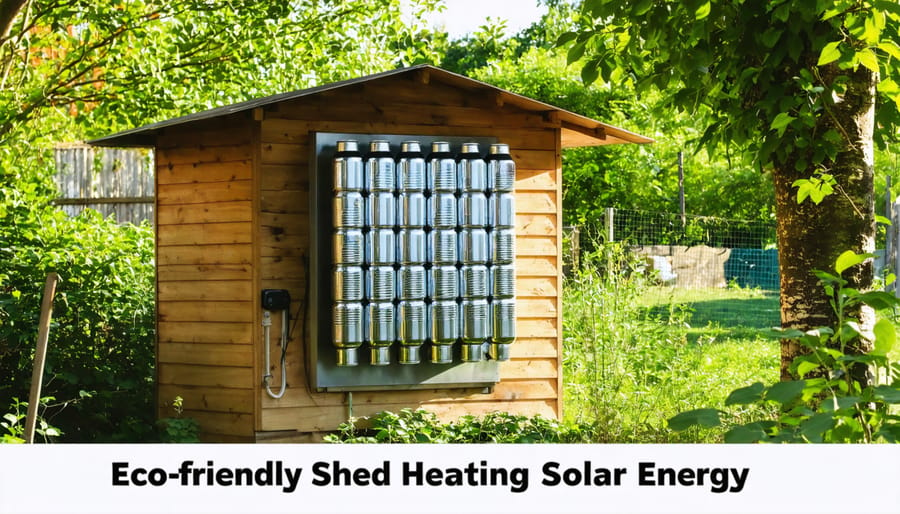
Transform your shed into a cozy, energy-efficient workspace with a DIY solar heater that slashes heating costs while maintaining optimal climate control for sheds. Built from readily available materials like recycled aluminum cans, wood, and clear polycarbonate sheets, these passive solar heaters can raise interior temperatures by 20-30 degrees Fahrenheit on sunny days. The project typically costs under $200 and can be completed in a weekend, making it an accessible solution for DIY enthusiasts of any skill level. By harnessing free solar energy, this simple yet effective heating system pays for itself within a single heating season while protecting temperature-sensitive tools and materials stored in your shed. Whether you’re maintaining a workshop, garden storage, or hobby space, this sustainable heating solution combines practical functionality with environmental responsibility.
Materials and Tools You’ll Need

Essential Materials
To build your DIY solar heater, you’ll need these essential materials to get started:
• 40-50 aluminum cans (cleaned and labels removed)
• 1 sheet of 4’x8′ plywood (¾ inch thick)
• Clear plexiglass or tempered glass sheet (4’x8′)
• 2-3 cans of flat black spray paint
• Weather stripping tape
• Silicone caulk for high temperatures
• 1×4 lumber for frame construction
• Aluminum tape or heat-resistant duct tape
• Small PC fan or computer fan (12V)
• Small solar panel (to power the fan)
• Wood screws (1½ inch)
• Drill with hole saw attachment
• High-temperature silicone adhesive
• Insulation board (1-inch thick)
Most of these materials can be found at your local hardware store, and the aluminum cans can be collected over time or sourced from recycling centers. For best results, choose tempered glass over plexiglass if your budget allows, as it offers better heat retention and durability. Remember to get extra materials to account for potential mistakes during construction.
| Item | Quantity | Estimated Cost | Notes |
|---|---|---|---|
| Aluminum cans | 40-50 | $0-$10 | Can be collected free or sourced from recycling centers |
| Plywood (4’x8′, ¾”) | 1 sheet | $35-$50 | Exterior grade recommended for weather resistance |
| Glass/Plexiglass (4’x8′) | 1 sheet | $60-$150 | Tempered glass ($120-$150) offers better heat retention than plexiglass ($60-$80) |
| Frame lumber (1×4) | 24 linear feet | $15-$25 | Enough to build perimeter frame |
| Paint, caulk, tape, hardware | Various | $40-$60 | Includes black paint, silicone, weather stripping, screws, adhesive |
| Fan and solar panel | 1 each | $25-$45 | 12V PC fan ($8-$15) plus small solar panel ($17-$30) |
Required Tools
Before starting your DIY solar heater project, gather these basic tools that you likely already have in your garage. You’ll need a cordless drill with various drill bits, a measuring tape, a utility knife, and a sturdy pair of scissors for cutting materials. A caulking gun is essential for sealing edges, while a screwdriver set will help with assembly. Don’t forget safety equipment: work gloves, safety glasses, and a dust mask. A level ensures proper alignment, and a pencil for marking measurements is crucial. If working with wood framing, you’ll also want a saw (hand saw or circular saw) and a hammer. Having these tools ready before you begin will make the construction process smooth and efficient.
Building Your Solar Heater
Building a basic solar air heater for your diy solar shed doesn’t require advanced carpentry skills or expensive materials. The simplest design uses a wooden frame, a transparent cover (polycarbonate or glass), and a dark absorber plate to capture sunlight and convert it to heat.
Start by constructing a shallow box from plywood or scrap lumber. The dimensions depend on your shed size, but a 4×8 foot panel works well for most applications. Paint the interior flat black to maximize heat absorption. Mount a dark metal sheet or aluminum cans painted black inside the box to serve as your heat collector.
Cut ventilation holes at the top and bottom of the box. These allow cool air to enter from the bottom, warm up as it passes over the heated surface, and exit through the top opening. Install the transparent cover over the frame using weatherproof sealant to prevent drafts and moisture intrusion.
Position your completed solar heater on the south-facing wall of your shed (or north-facing in the southern hemisphere). Angle it between 45 and 60 degrees to catch maximum winter sunlight when you need heat most. Secure it firmly to prevent wind damage.
For better temperature management in your space, consider pairing your solar heater with smart climate control systems that can automatically regulate airflow based on interior conditions.
If you’re interested in a more comprehensive approach, integrated energy systems can combine solar heating with other sustainable solutions. You can also browse shed accessories to find complementary items that enhance your setup.
Preparing the Collector Box
Start by selecting a sturdy wooden box or creating one using weather-resistant plywood. The box should be roughly the size of your shed window or slightly smaller for easy installation. Cut the plywood to create a box approximately 4 inches deep, with the front face measuring about 2 feet by 3 feet for optimal heat collection.
Paint the interior of the box with flat black paint to maximize heat absorption. This dark surface will help capture and retain solar energy more effectively. Once the paint has dried completely, seal all the corners and joints with weatherproof silicone caulk to prevent any air leaks.
Next, create a frame for the glass cover using 1×2 inch wooden strips. The frame should fit snugly around the box’s perimeter. Pre-drill holes for screws to prevent the wood from splitting. Apply weatherstripping tape along the frame where it will meet the glass to create an airtight seal.
Cut your glass or polycarbonate sheet to fit within the frame, leaving about 1/8 inch gap for expansion. When securing the glass, use rubber gaskets or weatherstripping between the glass and frame to prevent direct contact with the wood and allow for thermal expansion. Attach the glass cover to the frame using glazing points or small screws with rubber washers.
Remember to handle the glass carefully and wear protective gear throughout the construction process. A well-built collector box serves as the foundation for your solar heater’s efficiency.
- Cut the plywood to your required dimensions (typically 2 feet by 3 feet for the front face, with sides about 4 inches deep).
- Assemble the box frame using weather-resistant wood screws, pre-drilling holes to prevent splitting.
- Paint the interior of the box with flat black paint to maximize heat absorption and allow it to dry completely.
- Seal all corners and joints with weatherproof silicone caulk to eliminate air leaks.
- Build a frame for the glass cover using 1×2 inch wooden strips that fit snugly around the box’s perimeter.
- Apply weatherstripping tape along the frame where it will contact the glass to create an airtight seal.
- Cut your glass or polycarbonate sheet to fit within the frame, leaving about 1/8 inch gap for thermal expansion.
- Install rubber gaskets or weatherstripping between the glass and frame to prevent direct wood contact.
- Secure the glass cover to the frame using glazing points or small screws with rubber washers.
Creating the Heat Absorber
Start by cleaning your aluminum cans thoroughly and removing any labels. Using a sharp utility knife or can opener, carefully remove both ends of each can. Once cleaned and opened, spray paint the cans with high-temperature black paint to maximize heat absorption.
Arrange the cans in vertical columns, creating a pattern that allows air to flow through them. Stack them end-to-end and secure each connection with high-temperature silicone sealant. For optimal results, aim to create 4-6 columns with 8-10 cans each, depending on your frame size.
Mount the can columns onto your plywood backing board, spacing them evenly. Use silicone adhesive to secure the bottom can of each column to the plywood. Create small wooden blocks or use metal brackets to support the tops of the columns, ensuring they remain straight and stable.
Install aluminum flashing or thin metal strips along the sides of your can arrangement to direct airflow through the columns rather than around them. Seal any gaps between the cans and flashing with silicone to prevent air leaks.
Test the heat absorber by placing your hand near the top of the columns on a sunny day – you should feel warm air rising. This indicates your heat collector is working effectively. Remember to handle the cans carefully during assembly to avoid cuts, and wear protective gloves throughout the process.

Adding Insulation and Glazing
Now that your solar heater frame is assembled, it’s time to add insulation and glazing to maximize heat retention and efficiency. Start by cutting rigid foam insulation to fit snugly inside the back of your frame. The insulation should be at least 1 inch thick and cover the entire surface behind your collector plate. Secure it with construction adhesive, ensuring there are no gaps where heat could escape.
For the glazing, clear polycarbonate sheets work best as they’re durable and offer excellent heat retention. Cut the sheet to overlap your frame by about 1 inch on all sides. Before attaching it, apply weatherstripping tape around the frame’s edges to create an airtight seal. This prevents warm air from escaping and keeps moisture out.
Carefully drill pilot holes through the polycarbonate and into your frame, spacing them about 6 inches apart. Use stainless steel screws with rubber washers to secure the glazing, being careful not to overtighten and crack the material. For added protection, apply a bead of clear silicone caulk around all edges where the glazing meets the frame.
To test the seal, close the unit on a sunny day and check for any warm air leaks around the edges. If you find any, add more weatherstripping or caulk as needed. Remember, a well-sealed unit is crucial for maintaining consistent heat output during colder months.
Installation and Placement
Finding the Perfect Spot
Success with your DIY solar heater starts with finding the perfect location for maximum sun exposure. Since the sun’s position changes throughout the year, you’ll want to identify the spot that receives the most consistent sunlight during colder months. Ideally, position your shed’s solar heater on a south-facing wall in the Northern Hemisphere, as this orientation captures the most direct sunlight throughout the day.
Consider any potential obstacles like trees, buildings, or other structures that might cast shadows on your solar heater. While summer shade might be welcome, winter sun blockage can significantly reduce your heater’s efficiency. For optimal performance in your integrated energy systems, aim for a 45-degree angle installation if you’re mounting the heater on a tilted surface. This angle helps maximize heat absorption during winter months when the sun sits lower in the sky.
Take time to observe sun patterns around your shed throughout the day. A simple trick is to mark sun exposure at different times using chalk or temporary markers, helping you identify the best placement for your solar heater.

Mounting Options
When mounting your DIY solar heater, you have several secure options that work well with most shed designs. The most popular method is using heavy-duty L-brackets, which provide excellent support while keeping the heater at an optimal angle for maximum sun exposure. Install these brackets directly into your shed’s wall studs for the best stability.
For metal sheds, self-tapping screws combined with weatherproof washers offer a reliable mounting solution. If you’re working with a wooden shed, lag bolts provide superior holding power and long-term durability. Always pre-drill holes to prevent wood splitting and apply waterproof sealant around mounting points.
Another effective approach is using an adjustable mounting frame, which allows you to change the heater’s angle seasonally for better performance. This system typically consists of hinged brackets that can be locked at different positions.
Remember to consider your local weather conditions when choosing mounting hardware. In areas with high winds, additional support struts may be necessary. Always use corrosion-resistant materials and check your mounting points regularly for signs of wear or loosening.
Maintenance and Performance Tips
Regular maintenance and proper care will ensure your DIY solar heater performs optimally throughout the seasons. Start by inspecting the collector surface monthly, wiping away any dust, leaves, or debris that could reduce solar absorption. A simple solution of warm water and mild soap works perfectly for cleaning the glazing material.
To maximize heating efficiency check the seals around your collector frame every three months. Look for any gaps or deterioration that might allow warm air to escape, and reseal as needed using weatherproof caulking.
Pros
- Zero operating costs once installed, no electricity or fuel bills.
- Environmentally friendly with no carbon emissions or pollution.
- Minimal maintenance required beyond periodic cleaning and seal checks.
- Simple design with few moving parts reduces breakdown risk.
Cons
- Performance depends heavily on weather conditions and sunlight availability.
- Limited heating capacity on overcast or cloudy days.
- Seasonal effectiveness varies significantly, with reduced output in winter months.
- Requires direct sun exposure and proper southern orientation to function effectively.
Temperature Performance Expectations
Understanding realistic temperature gains helps set proper expectations for your DIY solar heater. In mild climates (zones 7-9), a well-built 4×8 foot collector can raise a 100-square-foot shed’s temperature by 15-25°F on sunny days. Smaller sheds of 64 square feet or less may see gains of 20-30°F under optimal conditions.
Cold climate performance (zones 3-6) is more modest but still valuable. Expect temperature increases of 10-18°F in a 100-square-foot shed during peak sun hours. Larger sheds over 150 square feet will see proportionally smaller gains, typically 8-12°F, unless you install multiple collectors or increase collector size.
Southern regions (zones 9-11) can achieve impressive results, with temperature boosts of 25-35°F common in winter months when heating is actually needed. However, summer performance may require venting to prevent excessive heat buildup.
Monitor your air vents regularly to ensure they’re free from obstruction and operating smoothly. If your system includes fans, lubricate them according to the manufacturer’s recommendations, typically every six months. Listen for any unusual noises that might indicate mechanical issues.
During peak summer months, consider using removable shade cloth or adjustable vents to prevent overheating. Conversely, in winter, clear any snow accumulation promptly from the collector surface to maintain optimal heat absorption.
Keep an eye on your temperature monitoring system if installed, noting any significant changes in performance that might indicate maintenance needs. A simple logbook tracking daily temperature readings can help identify potential issues early.
For optimal performance, angle your collector seasonally. A steeper angle in winter and a more gradual angle in summer can significantly improve heat collection. Remember to check all mounting hardware twice yearly, tightening any loose bolts or screws to ensure your system remains securely attached to your shed.
Building your own DIY solar heater for your shed is a rewarding project and a smart investment in energy-efficient shed solutions that will benefit you for years to come. By following the steps outlined in this guide, you can create a sustainable heating system that significantly reduces your energy costs while keeping your valuable items protected from winter’s chill.
The beauty of this project lies in its simplicity and affordability. With basic materials from your local hardware store and a weekend of work, you can transform your shed into a comfortable space year-round. You’ll save money on heating costs while harnessing clean, renewable solar energy.
Remember, proper planning and attention to detail during construction are key to success. Take your time with the installation, ensure all seals are tight, and don’t skip the maintenance steps. Your efforts will be rewarded with a reliable, eco-friendly heating solution that can maintain comfortable temperatures even during the coldest months.
Gather your materials and get started on your solar heater project this weekend. Your shed will thank you for it.
Looking for a shed accessories?
Browse our full range of shed accessories from authorized dealer brands. Free shipping to the continental US.
Alternative Shed Heating Ideas
While solar heating works exceptionally well for sheds, you have several other options worth considering depending on your climate, budget, and how often you use the space. Electric space heaters remain the most popular choice for occasional use. A 1,500-watt ceramic heater can warm a small to medium shed quickly and costs between $30 to $100. Just make sure your shed’s electrical system can handle the load safely.
Propane heaters offer another reliable solution, especially for sheds without electricity. Portable propane models range from 4,000 to 18,000 BTUs and provide instant heat without installation hassles. The downside? You’ll need proper ventilation since they consume oxygen and produce carbon monoxide. Budget around $100 to $200 for a quality unit, plus ongoing fuel costs.
For those willing to invest more upfront, mini-split heat pumps deliver both heating and cooling efficiently. These systems work well in moderate climates and can heat a 200-square-foot shed for roughly $40 per month during winter. Installation typically runs $1,500 to $3,000, but the energy savings add up over time.
Wood stoves create a cozy atmosphere and cost nothing to run if you have free firewood access. Small shed-specific models start around $300, though you’ll need to factor in chimney installation and proper clearances. They’re perfect for workshops where you spend extended hours but require more hands-on management than other heating methods.
Insulation deserves mention alongside any shed heating strategy. Even the best heater struggles in an uninsulated space. Adding R-13 fiberglass batts to walls and R-19 to the ceiling can cut your heating needs in half, whether you choose solar, electric, or propane heat. The investment pays for itself through lower energy bills and more consistent temperatures throughout your shed.