Comments Off on Weather-Tough Outdoor Shelving That Actually Lasts (Expert Tips Inside)
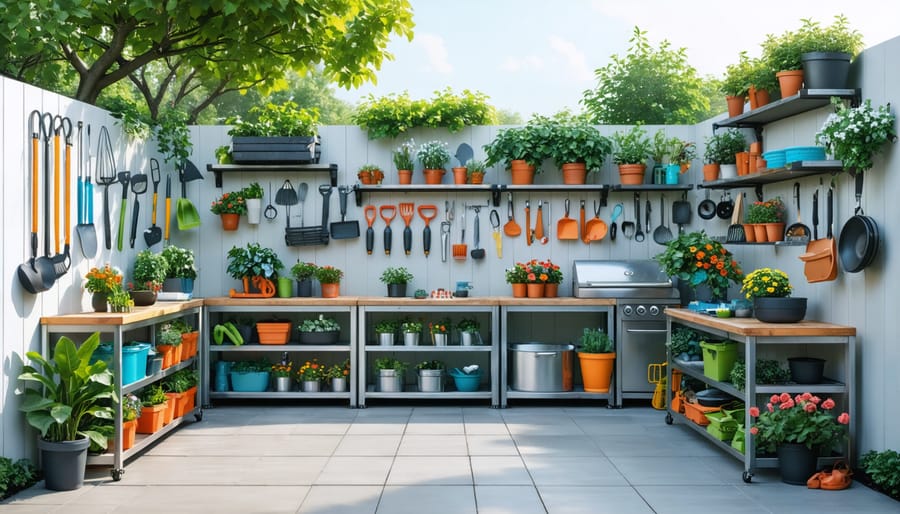
Transform your outdoor space into a functional storage haven with weatherproof shelving that stands up to nature’s worst. Whether you’re organizing garden tools, displaying potted plants, or creating an outdoor kitchen setup, choosing the right weatherproof shelving makes the difference between lasting organization and constant replacement. Modern materials like powder-coated aluminum, marine-grade stainless steel, and high-density polyethylene offer superior protection against rain, UV rays, and temperature fluctuations while maintaining their aesthetic appeal. These innovative solutions combine practical storage with sophisticated design, ensuring your outdoor items remain protected and easily accessible year-round. From compact balcony units to expansive patio systems, weatherproof shelving has evolved to meet diverse outdoor storage needs while enhancing your home’s exterior appeal.
Comparison of various weatherproof materials including marine-grade stainless steel, teak, and specialized plastics
Choosing the right material for your outdoor shelving determines how well it withstands years of sun, rain, humidity, and temperature swings. The best outdoor shelving balances durability against maintenance requirements and cost, with each material category offering distinct advantages for different climates and storage needs.
Marine-grade stainless steel and aluminum represent the premium metal options. Stainless steel resists corrosion exceptionally well but comes at a higher price point, while aluminum offers excellent rust resistance at a lower weight and cost. Both metals handle heavy loads and extreme weather without warping or degrading.
Wood options like teak and cedar bring natural aesthetics and solid construction. Teak contains natural oils that repel moisture and insects, making it nearly maintenance-free for decades. Cedar costs less and provides good natural rot resistance, though it requires periodic sealing to maintain peak performance. For additional wood protection strategies, see our guide on waterproofing plywood for outdoor use.
Synthetic materials including composite and resin plastic deliver low-maintenance performance at accessible price points. Composites combine wood fibers with plastic polymers for a wood-like appearance without the upkeep, while solid resin plastic shelving shrugs off moisture completely and cleans with a simple hose-down.
Material
Weather Resistance
Maintenance Level
Typical Lifespan
Best Use Cases
Marine-Grade Stainless Steel
Excellent
Very Low
20+ years
Coastal areas, heavy-duty storage
Aluminum
Excellent
Very Low
15-20 years
Lightweight needs, humid climates
Teak
Excellent
Very Low
25+ years
Premium aesthetics, low maintenance
Cedar
Good
Moderate
10-15 years
Budget-friendly natural wood look
Composite
Very Good
Low
15-20 years
Wood appearance without wood care
Resin Plastic
Very Good
Very Low
10-15 years
Budget shelving, easy cleaning
Your climate plays a major role in material selection. Coastal environments with salt spray demand stainless steel or sealed aluminum. Desert regions with intense UV exposure favor fade-resistant resin or powder-coated metals. Humid subtropical zones benefit from teak or composite materials that won’t rot or mildew. Pairing your shelving material with proper ventilation strategies and moisture barriers extends lifespan significantly.
Marine-Grade Materials
When it comes to weatherproof outdoor shelving, material selection is crucial for long-term durability. Marine-grade plywood stands out as a top choice, engineered specifically to resist moisture and withstand harsh conditions. These premium sheets undergo special marine-grade plywood waterproofing techniques during manufacturing, making them ideal for outdoor storage solutions.
Stainless steel components, particularly grade 316, offer exceptional resistance to rust and corrosion. These materials are perfect for brackets, fasteners, and support structures, ensuring your shelving remains stable and secure regardless of weather conditions.
High-density polyethylene (HDPE) and PVC materials provide excellent alternatives for those seeking lightweight yet durable options. These specialized plastics won’t rot, rust, or deteriorate when exposed to rain, snow, or intense sunlight. They’re also easy to clean and maintain, making them particularly popular for coastal areas where salt spray can be an issue.
When selecting materials, consider combining these options – for instance, marine-grade plywood shelves with stainless steel brackets – to create a robust storage system that will serve you well for years to come.
Natural Weather-Resistant Options
When it comes to natural weather resistance, certain wood species stand out as excellent choices for outdoor shelving. Cedar, particularly Western Red Cedar, is a top performer thanks to its natural oils that repel moisture and resist decay. This beautiful wood also naturally deters insects and maintains its structural integrity even in challenging weather conditions.
Teak is another premium option that’s worth the investment. Its high oil content makes it incredibly resistant to rot, fungi, and weather damage. While teak may weather to a silvery-gray patina over time, this aging process doesn’t affect its durability – many teak pieces last for decades with minimal maintenance.
Other notable naturally weather-resistant woods include white oak and cypress. White oak contains special cell structures that prevent water absorption, while cypress produces cypressene, a natural preservative that protects against decay and insects.
These natural options not only provide durability but also add warmth and character to your outdoor space. While they may cost more initially, their longevity and low maintenance requirements often make them more cost-effective in the long run than synthetic alternatives.
Protective Treatments and Coatings
Sealants and Waterproofing
Protecting your outdoor shelving from moisture is crucial for its longevity. A quality sealant creates an invisible barrier against rain, humidity, and other weather elements that could damage your shelves. For wooden shelving, opt for marine-grade polyurethane or exterior wood sealer, which penetrates deep into the wood grain while maintaining its natural beauty.
Silicone-based sealants work exceptionally well for metal shelving units, preventing rust and corrosion. When applying, ensure all joints and connections are thoroughly covered, as these areas are most vulnerable to water damage. For plastic or resin shelving, UV-resistant clear coat sealants offer excellent protection while preventing sun damage and discoloration.
Don’t forget about waterproofing sprays – they’re perfect for quick touch-ups and maintaining protection throughout the seasons. For maximum effectiveness, apply two thin coats rather than one thick layer, allowing proper drying time between applications. Remember to reapply sealants annually or as soon as you notice water no longer beading on the surface.
A pro tip: Test your sealant on a small, hidden area first to ensure it doesn’t alter the appearance of your shelving material in an unwanted way.
Demonstration of proper sealant application on outdoor wooden shelving
Clean and dry surfaces thoroughly, removing all dirt, dust, oil, and existing finish residue
Sand rough areas with medium-grit sandpaper to create a smooth, even surface that accepts sealant uniformly
Apply a thin first coat using a quality brush or sprayer, working in the direction of the grain for wood
Wait the recommended drying time specified on your sealant’s label, typically 4-24 hours depending on temperature and humidity
Apply a second coat for enhanced protection and durability
Reapply annually or as needed when you notice water no longer beading on the surface
UV Protection Solutions
UV rays can be particularly harsh on outdoor shelving, causing fading, warping, and deterioration over time. To protect your investment, consider applying a UV-resistant clear coat or marine-grade varnish to your shelving units. These protective layers create a barrier against harmful sun exposure while maintaining the natural look of your materials.
For wooden shelves, UV-protective oils and stains offer excellent defense while enhancing the wood’s natural beauty. Look for products specifically labeled as “UV-resistant” or “UV-blocking” to ensure maximum protection. Apply these treatments annually or as recommended by the manufacturer to maintain their effectiveness.
Another practical solution is installing UV-protective panels or covers. Clear polycarbonate sheets with UV protection can shield your shelving while allowing visibility. For fabric-based solutions, weather-resistant canvas covers with UV-blocking properties work well during peak sun hours or when the shelving isn’t in use.
Strategic placement also plays a crucial role. When possible, position your shelving units where they receive partial shade during the most intense sunlight hours. This natural protection can significantly extend the life of your outdoor storage solution.
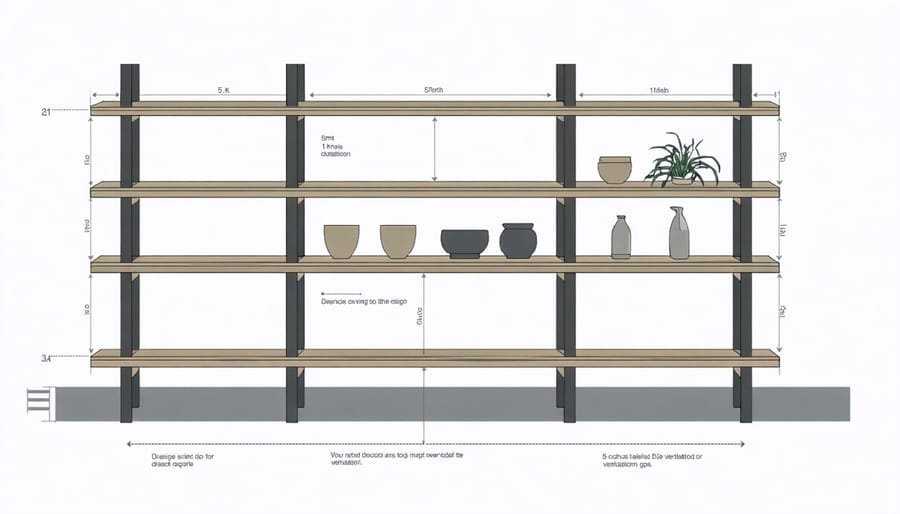
Diagram showing smart design features for outdoor shelving including drainage holes and ventilation gaps
Smart Design Features
Drainage Solutions
Effective water management is crucial for protecting your outdoor shelving and its contents. Implementing proper drainage solutions can make the difference between long-lasting storage and water-damaged belongings. Start by ensuring your shelving units have a slight backward tilt of about 2-3 degrees, allowing water to flow away from the wall and prevent pooling. Incorporate strategically placed drainage holes or slots along the shelf surfaces, particularly at the corners and low points where water tends to collect.
For maximum protection, consider adding a drip edge or lip at the front of each shelf to direct water away from stored items. Installing small rubber or plastic spacers between shelf layers creates additional drainage pathways and promotes air circulation. If your shelving unit includes a backing, ensure it’s either perforated or installed with a small gap at the bottom to prevent water from becoming trapped.
Many homeowners find success with mesh or slatted shelf designs that naturally allow water to pass through. Remember to position your shelving unit on slightly elevated feet or blocks to prevent ground moisture from seeping upward into your storage system.
Ventilation Considerations
Proper airflow is crucial for maintaining outdoor shelving and protecting your stored items from moisture damage. Even weatherproof materials benefit from strategic ventilation to prevent condensation buildup and maintain a healthy storage environment. Installing effective ventilation systems around your outdoor shelving can significantly reduce humidity levels and extend the life of both the shelving unit and your stored items.
Consider leaving small gaps between shelves and maintaining clearance from walls to promote natural air circulation. For enclosed storage areas, installing vents at both low and high points creates a chimney effect that draws out damp air. When positioning your shelving, avoid placing units directly against exterior walls where moisture can accumulate. Instead, leave a few inches of space to allow air movement and prevent dampness from seeping into your storage area.
Remember to regularly check that vents remain unobstructed by stored items or debris to maintain optimal airflow throughout the seasons.
Coverage Options
Adding extra coverage to your outdoor shelving can significantly extend its lifespan and protect your stored items. Retractable awnings offer flexible protection, allowing you to shield your shelves during harsh weather while enjoying open access on pleasant days. For a more permanent solution, consider installing a fixed overhang or pergola above your shelving area.
Custom-fitted shelf covers are another excellent option, especially for times when your storage isn’t in frequent use. Look for covers made from water-resistant materials like polyester with PVC coating or marine-grade canvas. These materials offer superior protection against rain, UV rays, and debris while remaining breathable to prevent moisture buildup.
For budget-friendly alternatives, consider using weather-resistant tarps secured with bungee cords or installing corrugated plastic roofing panels above your shelving. Just ensure any coverage solution allows for adequate ventilation to prevent mold and mildew growth.
Retractable awnings for flexible protection that adjusts with the weather
Pergola with weather-resistant canopy for permanent shade and shelter
Waterproof storage cabinet toppers to shield shelving units from above
Clear polycarbonate roof panels that let light through while blocking rain
Portable tarps for temporary or seasonal protection
Maintenance Tips for Long-Term Durability
To keep your outdoor shelving looking great and functioning optimally for years to come, following a regular maintenance routine is essential. Start by inspecting your shelves monthly for any signs of wear, loose hardware, or damage. Tighten any loose screws or bolts immediately to prevent further issues.
Clean your shelves thoroughly every season using a mild soap solution and a soft brush. For metal shelving, pay special attention to any spots showing early signs of rust. If you catch rust early, you can usually remove it with a wire brush and treat the area with a rust-preventing primer before touching up with weather-resistant paint.
Seasonal Maintenance Checklist for 2026
Spring (March-May)
Remove winter debris and inspect for moisture damage from freeze-thaw cycles
Check all fasteners and hardware after winter expansion and contraction
Apply fresh weather-resistant sealant or protective finish, especially to wooden shelving
Inspect and clear drainage channels around shelving bases
Test shelving load capacity before restocking with seasonal items
Summer (June-August)
Clean shelves thoroughly to remove pollen, dust, and insect nests
Check for UV damage, particularly fading or brittleness in plastic components
Verify that ventilation remains unobstructed during high-humidity periods
Inspect for heat-related warping or expansion in composite materials
Reapply protective coatings if showing signs of wear
Fall (September-November)
Remove fallen leaves and organic debris that trap moisture
Treat any rust spots on metal shelving before winter moisture sets in
Trim back overhanging branches that could drop ice or snow onto shelves
Ensure proper drainage before rainy season begins
Verify anchoring and stability ahead of winter storms
Winter (December-February)
Promptly remove snow accumulation to prevent excess weight strain
Monitor for ice buildup that could damage shelf surfaces or joints
Check that covers remain secure during high winds
Inspect for moisture intrusion after freeze-thaw cycles
Store lighter, non-critical items during extreme cold snaps
Climate-Specific Best Practices
Coastal and High-Humidity Zones
Salt air and constant moisture accelerate corrosion. Rinse metal shelving with fresh water monthly and apply marine-grade protective coatings. Increase inspection frequency to every two weeks during peak humidity months. Consider stainless steel hardware exclusively, as standard galvanized fasteners degrade faster in salt environments.
Arid and High-UV Regions
Intense sun exposure causes faster material degradation. UV-stabilized plastics are essential in desert climates. Apply UV-protectant sprays quarterly to prevent cracking and fading. Wood shelving requires oil-based sealants rather than water-based options, which dry out too quickly. Position shelving in partial shade when possible.
Cold-Climate and Freeze-Thaw Zones
Temperature fluctuations cause expansion and contraction that loosens hardware. Use lock washers on all bolts and check tightness after each freeze-thaw cycle. Choose powder-coated steel over painted finishes, as paint cracks more easily. Maintain a slight forward tilt on horizontal surfaces to prevent water from pooling and freezing.
Temperate and Variable-Weather Areas
Regions with four distinct seasons need all-purpose weatherproofing. Focus on versatile materials like heavy-duty resin or treated wood with annual sealing. Adjust shelving loads seasonally, reducing weight before winter storms. Keep protective covers readily available for unexpected severe weather.
Check the drainage around your shelving area regularly. Ensure water isn’t pooling near the base of the units, as this can lead to premature deterioration. If necessary, adjust the ground slope or add gravel for better drainage. In areas with heavy rainfall, consider installing French drains or channel systems to direct water away from shelving foundations.
During extreme weather events, remove or secure items that could become projectiles. Consider installing additional anchoring if you live in an area prone to high winds. Modern anchoring systems designed for 2026 building codes offer improved wind resistance ratings and are worth the upgrade if your shelving predates current standards.
Keep the surrounding area clear of debris and vegetation. Trim back any overhanging branches that could drop leaves or sap onto your shelving. This simple step helps prevent moisture retention and keeps your shelving clean and functional year-round. Maintain at least 18 inches of clearance around all sides to ensure proper air circulation.
Choosing the right weatherproof outdoor shelving solution is essential for protecting your belongings while maximizing outdoor space. Remember to prioritize materials like powder-coated metal, treated wood, or high-grade plastic that can withstand the elements. Regular maintenance, including cleaning and checking for damage, will extend the life of your shelving system significantly. When installing, always consider your local climate conditions and ensure proper drainage and ventilation. For the best results, combine weather-resistant materials with protective covers or strategic placement under existing structures. Whether you’re organizing garden tools or creating an outdoor entertainment area, investing in quality weatherproof shelving will provide years of reliable storage and enhance your outdoor living space.