


Why Your Gazebo Soft Top Won’t Last (And What the Ratings Really Mean)

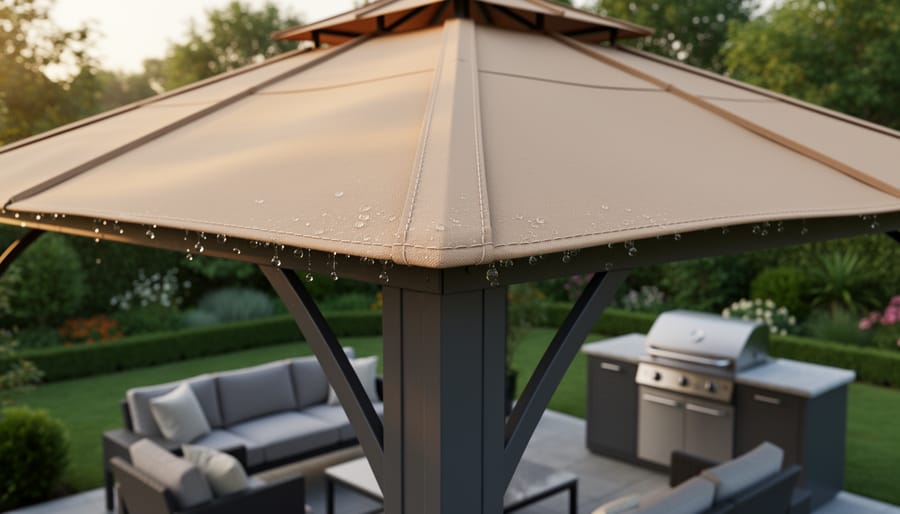
Your gazebo’s soft top does more than provide shade—it determines whether your outdoor space remains comfortable during scorching summers, protects guests from sudden rain showers, and stands strong against UV damage that causes fading and fabric breakdown within just one season. Yet most homeowners replace their canopies without understanding the fabric ratings that separate a cover lasting 2-3 years from one enduring 5-7 years of regular use.
The numbers and certifications printed on gazebo soft tops—UPF ratings, waterproof measurements, and fire resistance codes—seem like technical jargon, but they translate directly into real-world performance. A canopy with UPF 50+ blocks 98% of harmful rays versus basic fabrics that allow dangerous exposure. Waterproof ratings of 2000mm keep you dry during heavy downpours, while lower ratings leave you scrambling indoors. Fire-resistant certifications matter for anyone using their gazebo near grills or fire pits, preventing minor accidents from becoming disasters.
Understanding these specifications empowers you to match your replacement canopy to your actual needs rather than defaulting to the cheapest option. Whether you’re replacing a worn-out cover on your existing structure or selecting your first gazebo, knowing what these ratings mean in practical terms—not just manufacturer claims—helps you invest wisely. The difference between a frustrating purchase and years of reliable shade comes down to choosing specifications that align with your climate, usage patterns, and budget realities.
The Truth About Soft-Top Gazebo Fabrics
If you’ve ever shopped for a gazebo soft top replacement, you’ve probably noticed those fabric choices can feel overwhelming. Here’s the thing: not all soft-top materials are created equal, and understanding the differences can save you both money and headaches down the road.
Most soft-top gazebos use one of four main fabric types. Polyester is the most common choice you’ll find – it’s affordable and reasonably durable, though quality varies widely between brands. Polyethylene, often seen in budget-friendly options, tends to be lightweight but can become brittle over time with sun exposure. Canvas offers a classic look with excellent breathability, making it popular for shaded entertaining areas. Acrylic fabrics sit at the premium end, delivering superior color retention and weather resistance.
The real problem? Two gazebo tops might both claim to be “polyester” but perform completely differently after six months outdoors. One homeowner shared with us how her bargain replacement canopy looked great initially but started fading and tearing within a single summer, while her neighbor’s slightly pricier option sailed through three seasons looking nearly new.
This performance gap comes down to fabric ratings – those technical specifications that many of us skip right over. UV ratings tell you how well the material blocks harmful sun rays and resists fading. Water resistance ratings indicate whether your canopy will shed rain or turn into a sagging water balloon during storms. Fire ratings matter for safety, especially if you’re using your gazebo near grills or fire pits.
Understanding these ratings isn’t about becoming a fabric expert. It’s about matching the right material to your specific needs and avoiding costly do-overs when that seemingly great deal falls apart.
UV Protection Ratings: Shielding Your Outdoor Space
What UV Ratings Actually Measure
When shopping for a gazebo soft top, you’ll often see UPF ratings prominently displayed, but what do these numbers actually tell you? UPF stands for Ultraviolet Protection Factor, and it measures how much UV radiation can penetrate the fabric. Think of it like the SPF rating on your sunscreen, but with some important differences.
A UPF 50+ rating, which is considered excellent protection, means the fabric blocks at least 98% of UV rays, allowing only 1/50th of the sun’s radiation to reach you. In practical terms, you could stay under your gazebo 50 times longer than in direct sunlight before experiencing the same UV exposure. Compare this to UPF 15-24 (good protection, blocking 93-96% of rays) or UPF 25-39 (very good protection, blocking 96-97.5%).
Unlike SPF ratings that only measure UVB rays, UPF accounts for both UVA and UVB radiation, giving you a more complete picture of protection. For homeowners planning to spend extended time under their gazebo during peak sun hours, investing in a soft top with UPF 50+ rating provides peace of mind, especially if you have young children or fair skin. This difference between good and excellent protection might seem small on paper, but it can significantly impact your family’s comfort and safety during those long summer gatherings.
How Sun Exposure Destroys Gazebo Fabric
The sun’s ultraviolet rays are the number one enemy of gazebo fabric, breaking down the molecular structure of the material over time. When UV light penetrates the canopy, it weakens the polymer chains that give fabric its strength and flexibility. This process, called photodegradation, happens gradually but relentlessly with each hour of sun exposure.
You’ll first notice fading as vibrant colors turn pale and washed out, typically within the first few months. More concerning is the brittleness that follows. Touch a sun-damaged canopy and it feels papery or crunchy rather than supple. Eventually, the fabric develops small tears that quickly spread, especially around stress points like grommets and seams.
Here’s a real-world example: Sarah from Ohio purchased a budget gazebo with no UV rating and watched her canopy disintegrate after just one summer season. The fabric literally crumbled when she tried folding it for storage. Meanwhile, her neighbor invested in a canopy with UPF 50+ rating, and it’s still going strong after three years with only minor fading.
The difference comes down to UV inhibitors and protective coatings built into quality fabrics. These additives absorb or reflect harmful rays before they can cause damage, extending your canopy’s life from months to years.
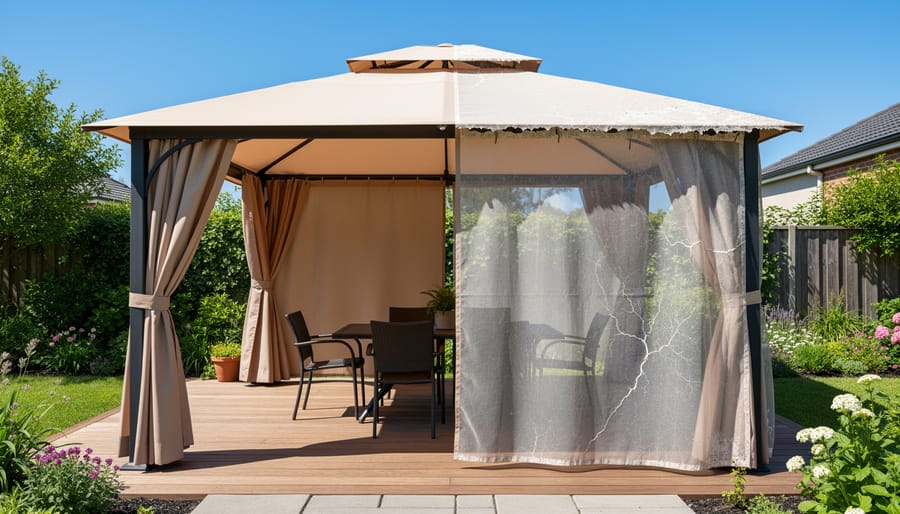
Choosing the Right UV Rating for Your Climate
Selecting the right UV protection depends on where you live and how you’ll use your gazebo. If you’re in sunny regions like the Southwest or Southeast, look for a minimum UPF 50+ rating, which blocks at least 98% of harmful rays. These areas typically see 8-12 hours of intense sunlight daily during peak months, making higher protection essential for keeping your outdoor space comfortable and preventing fabric deterioration.
For moderate climates with 5-7 hours of direct sun exposure, a UPF 30-40 rating offers adequate protection for most homeowners. This works well in regions like the Pacific Northwest or Midwest where cloud cover provides natural breaks from constant sunlight.
Consider your gazebo’s purpose too. If you’re creating a shaded retreat for afternoon relaxation or hosting summer gatherings, invest in higher UV ratings. One homeowner from Arizona shared that upgrading to a UPF 50+ canopy reduced the temperature beneath her gazebo by nearly 15 degrees compared to her previous UPF 30 cover.
For gazebos used occasionally or positioned in naturally shaded areas, a UPF 25-30 rating may suffice. However, remember that UV protection degrades over time, so starting with a higher rating ensures longer-lasting coverage and better value for your investment.
Water Resistance Ratings: Keeping Your Gatherings Dry
Understanding Water Column Ratings
When shopping for a gazebo soft top, you’ll likely encounter water column ratings expressed in millimeters—but what do these numbers actually mean for your outdoor setup? Think of this measurement as a practical test: it indicates how much water pressure the fabric can withstand before moisture seeps through.
A rating of 1000mm means the material can handle a column of water one meter high before leaking. This typically offers basic water-resistance, suitable for light rain or occasional drizzle. For most homeowners, this might work if your gazebo sits in a sheltered spot or you’ll only use it during fair weather.
Step up to 2000-3000mm, and you’re entering truly waterproof territory. These soft tops can handle steady downpours and extended wet weather without letting water penetrate. If you’re planning garden parties or need reliable year-round protection, this range provides real peace of mind.
Here’s the key distinction: water-resistant fabrics repel moisture temporarily but may eventually allow seepage during prolonged exposure. Waterproof materials, generally those rated 2000mm and above, create a dependable barrier that keeps the space beneath genuinely dry. Consider your local climate and how you’ll use your gazebo when choosing—a higher rating means fewer surprise interruptions during unexpected weather changes.
Coatings That Make the Difference
The secret to a truly weatherproof gazebo soft top lies in its coating. Think of these treatments as your canopy’s protective shield against the elements. Let’s break down the most common options you’ll encounter.
Polyurethane (PU) coating offers excellent water resistance while maintaining decent breathability, making it a popular middle-ground choice. You’ll find this coating keeps rain out effectively without trapping excessive moisture underneath your gazebo. PVC coating takes waterproofing to the next level, creating an almost impenetrable barrier against heavy downpours. However, there’s a trade-off: PVC-coated fabrics tend to trap heat and humidity, which can feel uncomfortable on warm summer days.
Acrylic treatments provide a gentler approach, offering good water repellency while allowing the fabric to breathe naturally. They’re particularly effective for homeowners in moderate climates who value comfort alongside protection.
Here’s the practical reality: if you live in an area with frequent heavy rain, PVC coating might be your best friend despite reduced breathability. For regions with lighter rainfall and hot summers, PU or acrylic treatments often provide the sweet spot between protection and comfort. Many satisfied gazebo owners report that understanding these coatings helped them choose replacements that actually matched their local weather patterns, rather than just grabbing the first option available.
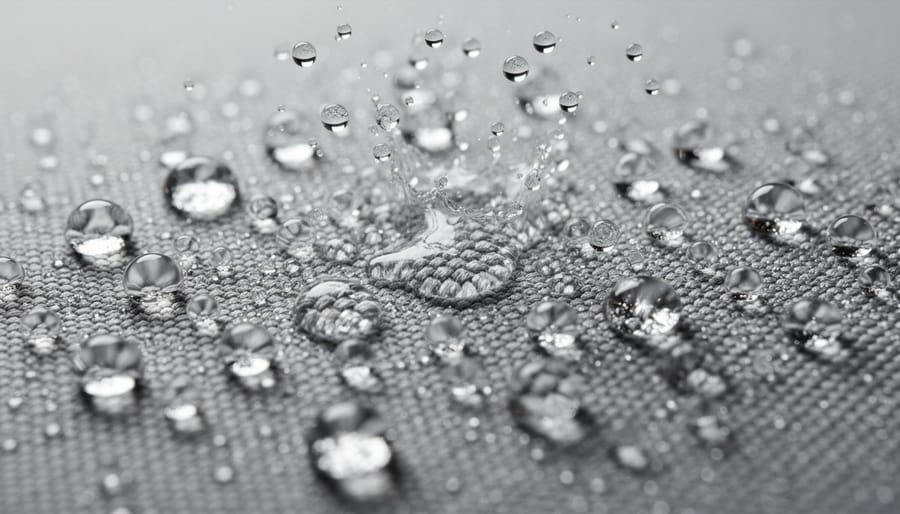
When ‘Water-Resistant’ Isn’t Enough
Water-resistant ratings sound reassuring until you experience your first serious storm. Many homeowners discover the hard way that their soft top performs beautifully in light drizzle but fails during heavy downpours or prolonged wet seasons.
The most common failure points aren’t always the fabric itself. Water pooling creates problems when drainage isn’t optimal—if your gazebo’s slope is too gentle or debris blocks natural runoff, even high-rated fabrics can’t prevent leaking. Seam failures happen frequently because stitching creates tiny holes where water penetrates, especially as thread deteriorates over time.
Regional climate matters tremendously when selecting water resistance. If you live in the Pacific Northwest with frequent rainfall, you’ll need higher water column ratings (minimum 1500mm) compared to drier climates where occasional showers are the norm. Consider your specific use too—will your gazebo shelter outdoor furniture year-round or just provide shade during summer barbecues?
One homeowner in Seattle shared how her 800mm-rated canopy leaked within months, while her neighbor’s 2000mm rating handled the same conditions perfectly. The lesson? Match your water resistance to actual weather patterns, not just occasional use. Check manufacturer specifications carefully and don’t hesitate to invest in higher ratings if your region demands it.
Fire Ratings: The Safety Factor You Can’t Ignore
Fire Resistance Standards Explained
When shopping for a gazebo soft top, you’ll often see certifications like CPAI-84 and NFPA 701 mentioned in product descriptions. Understanding these fire safety standards helps you choose a canopy that protects your family and investment.
CPAI-84 is the primary flame-resistance standard for temporary outdoor structures like gazebo canopies. This certification tests how quickly fabric ignites when exposed to flame and whether it continues burning after the flame source is removed. Think of it as measuring whether your canopy will act as kindling or resist spreading fire from nearby sources like grills or fire pits.
NFPA 701 is another widely recognized standard, commonly used for curtains and draperies but also applicable to outdoor fabrics. It evaluates similar characteristics but includes additional tests for afterglow and char length.
Here’s an important distinction: flame-retardant fabrics are treated with chemicals to slow fire spread, while fire-resistant materials have inherent properties that resist ignition. Both can pass safety certifications, but treated fabrics may lose effectiveness over time with washing and sun exposure.
To verify a soft top meets fire safety standards, check the product label or manufacturer specifications for certification numbers. Reputable sellers provide this information upfront. If you’re replacing an existing canopy, especially for gazebos near cooking areas or entertainment spaces, choosing a certified fabric offers valuable peace of mind. Remember that even certified materials aren’t fireproof—they simply provide crucial extra seconds to respond to accidents, making your outdoor space safer for gatherings.
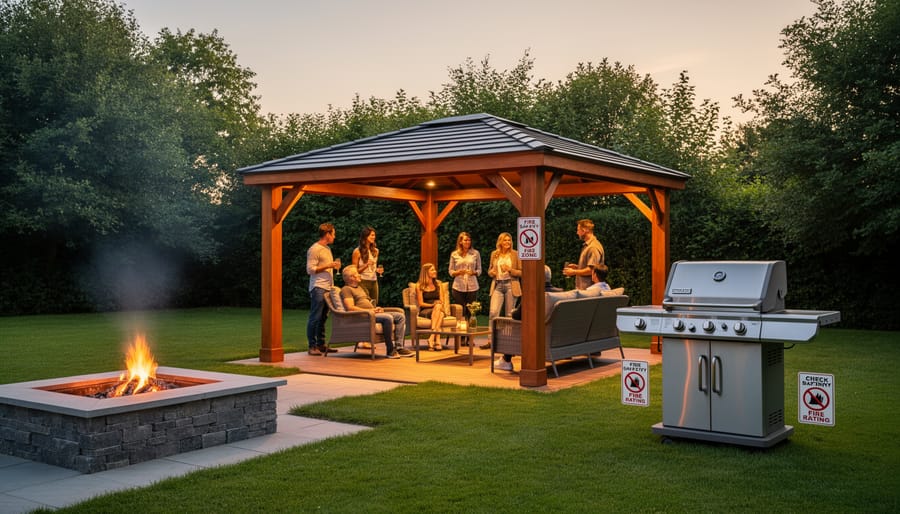
When Fire Ratings Matter Most
Fire safety becomes especially important when your gazebo sits near potential heat sources. If you’re planning to use a grill within ten feet of your soft top canopy, place outdoor heaters underneath for chilly evenings, or enjoy a fire pit on your patio nearby, fire-resistant fabric ratings deserve serious attention. Many homeowners don’t realize that standard polyester canopies can melt or ignite when exposed to sparks or sustained heat.
String lights create another common concern. While they add wonderful ambiance for evening gatherings, they generate heat that accumulates against your canopy fabric. Choose LED bulbs that run cooler, and ensure they’re rated for outdoor use with proper spacing from the fabric surface.
Before finalizing your gazebo placement, check your local fire codes. Some municipalities restrict structures near property lines or require specific clearances from fire features. Your homeowner’s insurance policy might also have requirements about outdoor structures and fire safety—a quick call to your agent can prevent coverage surprises later.
Here are practical safety tips for any gazebo setup: Never use open flames directly beneath your canopy, even if it’s fire-rated. Keep a fire extinguisher accessible during outdoor cooking or fire pit use. Inspect your soft top regularly for any heat damage, especially near light fixtures or heater vents. Position grills with their vents facing away from the canopy, and never leave cooking unattended. Consider investing in a canopy with CPAI-84 certification if you regularly host gatherings involving heat sources—it’s simply smart protection for your outdoor investment.
Reading the Label: How to Compare Soft-Top Gazebo Fabrics
Shopping for a soft-top gazebo can feel overwhelming when you’re faced with product descriptions full of numbers and technical terms. The good news? Once you know what to look for, comparing fabrics becomes straightforward.
Start by identifying the key specifications that matter most. Look for clearly stated UV protection ratings, waterproof ratings measured in millimeters, and denier counts that indicate fabric thickness. If a product listing doesn’t include these details, that’s your first red flag. Quality manufacturers are proud of their specs and display them prominently.
Watch out for vague marketing language like “superior protection” or “weather-resistant” without accompanying numbers. These phrases sound impressive but tell you nothing about actual performance. A fabric claiming 50+ UV protection with a 2000mm waterproof rating gives you concrete information you can compare across brands.
When reviewing product descriptions, ask yourself these essential questions: Does the listing specify the exact fabric material? Are the seams heat-sealed or just stitched? What warranty covers the canopy itself, not just the frame? Is there mention of reinforced stress points at corners and peaks?
Real-life experiences from other homeowners prove invaluable. Sarah from Oregon shared how she learned this lesson: “I bought the cheapest option without checking ratings. After one summer, the fabric faded terribly. My replacement canopy cost more initially but listed actual UV ratings, and three years later it still looks new.”
Here’s your quick evaluation checklist: verify UV rating is 50+ for sunny climates, confirm waterproof rating meets your rainfall needs, check denier is at least 200 for durability, ensure fire-resistance certification exists if required locally, look for reinforced corners and ventilation features, and review real customer photos showing the product after extended use. These simple checks help you see past the hype and choose fabric that truly performs.
Making Your Soft Top Last Longer
Even the highest-rated soft top will deteriorate without proper care, but a few simple habits can significantly extend its life. Here’s how to protect your investment and keep your gazebo looking great for years to come.
Start with regular cleaning—at least once a month during active use. Mix mild dish soap with warm water and gently scrub the fabric using a soft brush. Rinse thoroughly and let it air dry completely before closing or storing. This prevents mold, mildew, and buildup that can degrade the protective coatings. One homeowner shared that this simple routine doubled her gazebo’s lifespan from three to six years.
Pay special attention to problem areas like seams, corners, and anywhere water tends to pool. These spots accumulate moisture and wear faster. Consider applying a fabric waterproofing spray annually to reinforce water resistance, especially on moderate-rated canopies.
When severe weather approaches, remove the soft top if possible. Wind can whip fabric violently, causing tears that spread quickly. If you live in snowy regions, prevent snow accumulation by either removing the top or regularly clearing heavy loads.
For seasonal storage, clean and dry the canopy completely, then fold loosely and store in a cool, dry place. Never store damp fabric—it’s an invitation for mold and permanent staining.
Finally, know when to replace rather than repair. If you notice thinning fabric, extensive fading, or multiple tears, replacement is usually more cost-effective than patching. Most soft tops last three to seven years with proper maintenance.
Understanding UV, water, and fire ratings doesn’t have to feel overwhelming. These simple numbers tell you exactly how well your gazebo soft top will perform in real-world conditions. A canopy with solid UV protection keeps your family cool and protected from harmful rays, while proper water resistance ensures you won’t be scrambling for cover during unexpected showers. Fire ratings add that extra peace of mind, especially around grills and fire pits.
Here’s the truth: investing time to understand these ratings now saves you money and frustration later. Too many homeowners get caught in the exhausting cycle of replacing cheap canopies every year or two, when choosing the right fabric from the start could have solved the problem entirely. Think of it as solving the issue before it becomes one.
When you match the right fabric specifications to your specific needs, whether that’s intense summer sun or frequent rainstorms, you’re setting yourself up for years of enjoyment. The right choice means more Saturday afternoons relaxing under your gazebo and fewer weekends shopping for yet another replacement. That’s time better spent with family and friends.
Looking for a gazebos and pergolas?
Browse our full range of gazebos and pergolas from authorized dealer brands. Free shipping to the continental US.