


Why Your Carport Fasteners Are Quietly Destroying Your Metal Roof

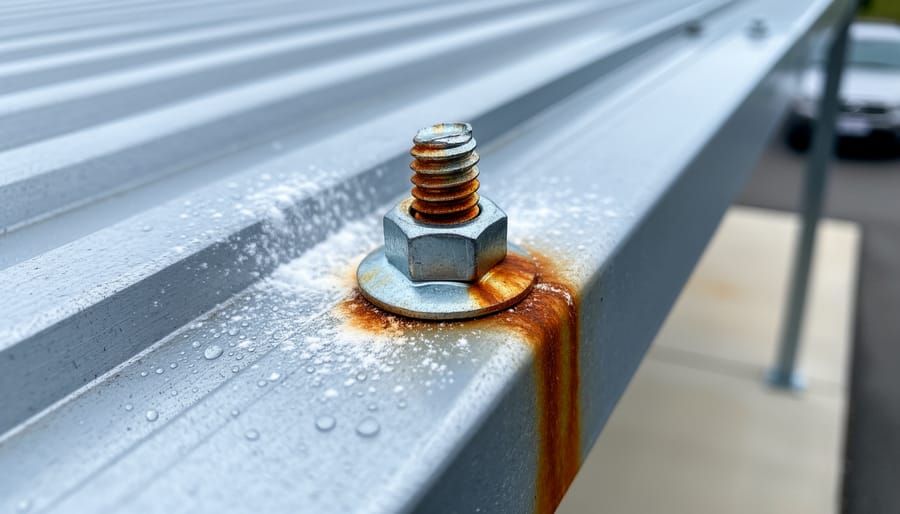
Match your carport’s metal frame with compatible fasteners and hardware to prevent the corrosive chemical reaction that happens when dissimilar metals touch in the presence of moisture. This electrochemical process, called galvanic corrosion, can weaken connections, create unsightly rust stains, and compromise your structure’s integrity within months of installation—especially problematic since carports face constant exposure to rain, humidity, and temperature changes.
Understanding which metals work together saves you from costly repairs down the road. Aluminum carports corrode rapidly when fastened with steel screws, while galvanized steel frames deteriorate when paired with copper gutters or trim. The galvanic compatibility chart ranks metals by their electrical potential, showing you which combinations create high corrosion risk and which pairings remain stable over time.
During carport installation, choosing the right metal combinations is as crucial as getting the measurements right. Many homeowners discover galvanic corrosion only after noticing white powdery deposits on aluminum, red rust bleeding from steel joints, or loose connections where fasteners have degraded. These problems are completely preventable when you select compatible materials from the start.
This guide breaks down the galvanic compatibility chart into practical terms you can apply immediately. You’ll learn which fasteners match your specific carport material, how to identify early corrosion signs, what protective measures work best for mixed-metal situations, and how to make informed purchasing decisions that protect your investment for decades.
What Is Galvanic Corrosion and Why Should Carport Owners Care?
The Science Made Simple: How Metal ‘Eats’ Metal
Think of galvanic corrosion as a tiny battery forming between two different metals. When dissimilar metals touch in the presence of moisture (even humidity counts), one metal becomes the giver while the other becomes the taker. The giver, called the anode, slowly sacrifices itself to protect the taker, or cathode. It’s almost like a metal vampire situation, where one feeds off the other.
Here’s the practical part: the metal higher on the galvanic chart always loses this battle. For example, if you attach aluminum flashing to your steel carport frame with steel screws, the aluminum becomes the victim and corrodes faster than it would on its own. The steel? It stays protected while the aluminum deteriorates.
This process speeds up dramatically with saltwater, rain, or even morning dew. That’s why coastal homeowners often see corrosion problems that inland folks might never encounter. The moisture acts like a highway, letting electrical current flow between the metals and accelerating the damage. Understanding this simple science helps you choose the right fasteners and materials from the start, saving you from costly repairs down the road.
Real Damage You’ll See on Your Carport
Understanding what galvanic corrosion looks like helps you catch problems early. Here’s what you’ll notice when incompatible metals start reacting on your carport.
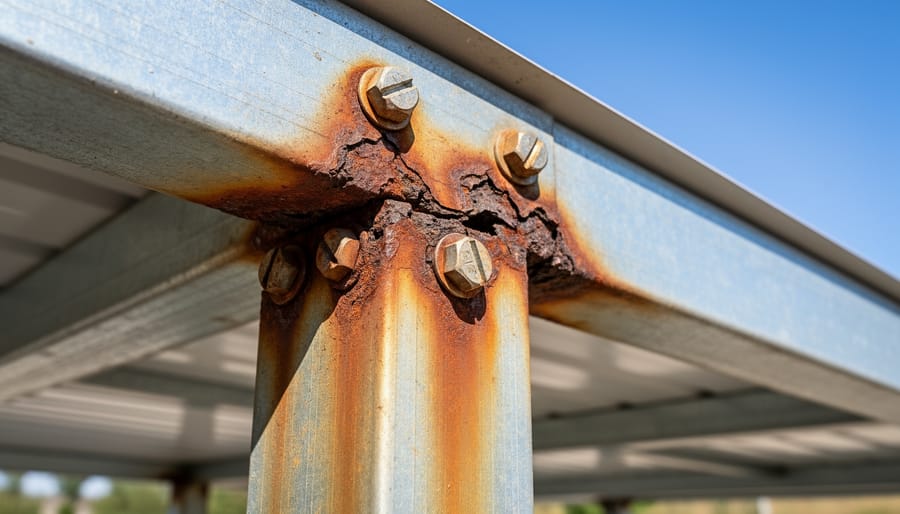
The first signs typically appear within 6 to 18 months in humid climates, though dry areas might not show issues for 2 to 3 years. You’ll often see rust-colored stains bleeding down from fasteners, even when you’ve used galvanized or stainless steel hardware. This happens because moisture creates an electrical current between dissimilar metals.
Around bolt and screw connections, you might notice white powdery deposits or crusty buildup. This chalky substance indicates active corrosion eating away at the protective coating. Over time, small holes develop around fasteners, making them loose and wobbly. One homeowner in coastal Florida shared that her carport posts became so deteriorated that bolts could be pulled out by hand after just two years.
More serious damage includes flaking paint, buckling panels, and weakened structural connections. The metal literally dissolves where two incompatible materials meet. Left unchecked, this leads to sagging rooflines, unstable support posts, and even partial collapse in extreme cases. Regular inspections every six months let you spot these warning signs before they become expensive repair projects.
Understanding the Metal Galvanic Compatibility Chart
How to Read the Chart Like a Pro
Reading a metal galvanic compatibility chart might look intimidating at first, but once you understand the basics, it becomes a helpful tool for preventing corrosion on your carport.
Think of the chart as a ladder. Metals at the top are called noble or cathodic metals, like stainless steel and copper. These are the resistant ones that don’t corrode easily. Metals at the bottom are active or anodic metals, like zinc and magnesium, which corrode more readily when exposed to moisture and electrical contact with other metals.
Here’s the key principle: the farther apart two metals are on the chart, the greater the corrosion risk. When different metals touch in the presence of moisture, the more active metal becomes a sacrificial protector and starts corroding to save the nobler metal. This distance represents the voltage difference between them.
For practical carport applications, look at where your main structure metal sits on the chart. If you’re installing an aluminum carport, find aluminum on the chart. Any fasteners or flashing significantly higher or lower on the chart spell trouble. Metals close together, within a few positions, generally play nice together.
A helpful tip from experienced DIYers: if your metals are more than 0.25 volts apart on detailed charts, or separated by more than three positions on simplified versions, plan to use isolation methods. This simple rule has saved countless carports from premature deterioration and expensive repairs.
Common Carport Metals and Where They Rank
When choosing materials for your carport, understanding where they fall on the galvanic series can save you from costly corrosion headaches down the road. Think of the galvanic series as a ladder where metals higher up react differently with metals lower down. Here’s where your common carport materials rank, from most noble (resistant to corrosion) to most active (prone to corroding):
At the top of the ladder, copper sits as the most noble metal you’ll encounter in carport construction, followed closely by stainless steel. Aluminum falls in the middle range, while galvanized steel (steel coated with zinc) lands toward the more active end.
Here’s the crucial part: when two different metals touch in the presence of moisture, the more active metal corrodes to protect the nobler one. This is why certain combinations spell trouble while others work beautifully together.
Dangerous combinations to avoid include aluminum panels fastened with stainless steel screws. The large gap between these metals on the galvanic series means your aluminum will corrode rapidly, especially in humid climates or coastal areas. Similarly, copper gutters attached to galvanized steel framing will cause the steel to deteriorate quickly.
Safe pairings that work well include galvanized steel frames with galvanized fasteners, creating essentially a matched set. Aluminum works wonderfully with aluminum or zinc-coated hardware since they’re close neighbors on the galvanic series. Stainless steel can safely pair with stainless fasteners without issue.
Many homeowners discover these compatibility issues only after noticing white powdery corrosion or rust stains appearing months after installation. By understanding these rankings upfront, you can make informed decisions that protect your investment for decades to come.
The Right Fastener for Every Carport Material
Steel and Galvanized Steel Carports
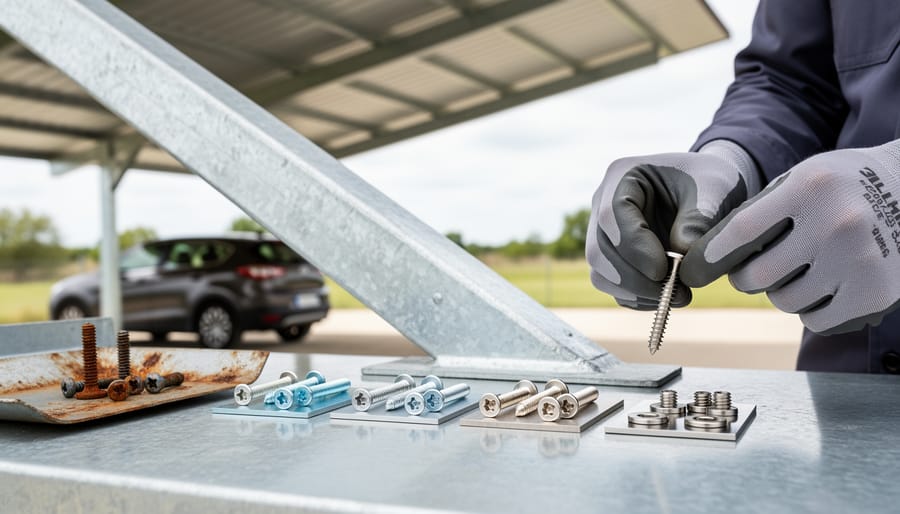
When installing or repairing steel or galvanized steel carports, choosing the right fasteners is essential for long-term durability. The good news? You have a straightforward path to success that prevents costly corrosion problems down the road.
For steel structures, your best friends are galvanized steel or zinc-coated fasteners. These create what’s called a “compatible pairing” on the galvanic chart, meaning they’re close neighbors electrically and won’t fight each other when moisture shows up. Think of it like matching personalities – they just get along naturally. Galvanized fasteners provide excellent corrosion protection and will age at roughly the same rate as your carport frame, ensuring everything stays structurally sound for years.
Here’s an important warning that can save you headaches: avoid using aluminum or stainless steel fasteners with your steel carport. While these metals sound premium, they actually sit far apart on the galvanic chart. When combined with steel, especially in the presence of rain or humidity, they create an electrical relationship that accelerates rust on your steel structure. One homeowner learned this the hard way after using stainless steel bolts on his galvanized carport – within two years, unsightly rust stains appeared around every fastener location. The fix? Replacing them all with properly matched galvanized hardware.
Aluminum Carports
When it comes to aluminum carports, choosing the right fasteners is absolutely critical for preventing corrosion and ensuring your structure lasts for decades. Here’s the straightforward advice you need: always use stainless steel or aluminum fasteners with aluminum structures.
Why this matters: Aluminum and stainless steel are very close on the galvanic chart, meaning they won’t trigger aggressive corrosion when they touch. Aluminum-to-aluminum fasteners are the safest choice since there’s zero galvanic difference. Stainless steel fasteners (specifically 304 or 316 grade) also work wonderfully and provide excellent strength.
Here’s the big warning: never use carbon steel or galvanized steel fasteners with aluminum. This combination creates a significant galvanic difference that will cause rapid corrosion, especially in humid climates or areas with rain and snow. Many homeowners have discovered white, powdery corrosion around bolt holes within just months of installation when the wrong fasteners were used.
The good news? Quality aluminum and stainless steel fasteners are readily available at most hardware stores. While they cost slightly more than carbon steel, this small investment prevents expensive repairs down the road and protects your carport investment.
Stainless Steel Components
If your carport features stainless steel components, you’re already ahead of the game when it comes to corrosion resistance. Stainless steel naturally resists rust thanks to its chromium content, making it an excellent choice for outdoor structures. However, mixing stainless steel with dissimilar metals can still cause galvanic issues.
The golden rule here is simple: match your fasteners to your stainless steel grade whenever possible. If you’re working with 304-grade stainless steel beams or trim, use 304-grade stainless steel bolts and screws. The same goes for 316-grade components, which offer even better corrosion resistance in coastal areas.
One homeowner from Florida shared that switching to matching-grade stainless fasteners completely stopped the spotting corrosion they’d experienced after initially using regular steel bolts. While stainless steel fasteners cost more upfront, they eliminate the frustration and expense of replacing corroded hardware down the road.
Avoid pairing stainless steel with plain carbon steel or aluminum fasteners. These combinations create significant galvanic potential differences, leading to accelerated corrosion of the less noble metal. When matching grades isn’t feasible, use plastic or nylon washers as insulators to separate the different metals and prevent direct contact.
Mixed Material Carports (The Tricky Ones)
Here’s where things get interesting! Many homeowners discover they’ve got a mixed-metal situation after purchasing their carport, or they’re deliberately combining materials for budget or aesthetic reasons. Don’t worry – you can absolutely make this work with some smart isolation techniques.
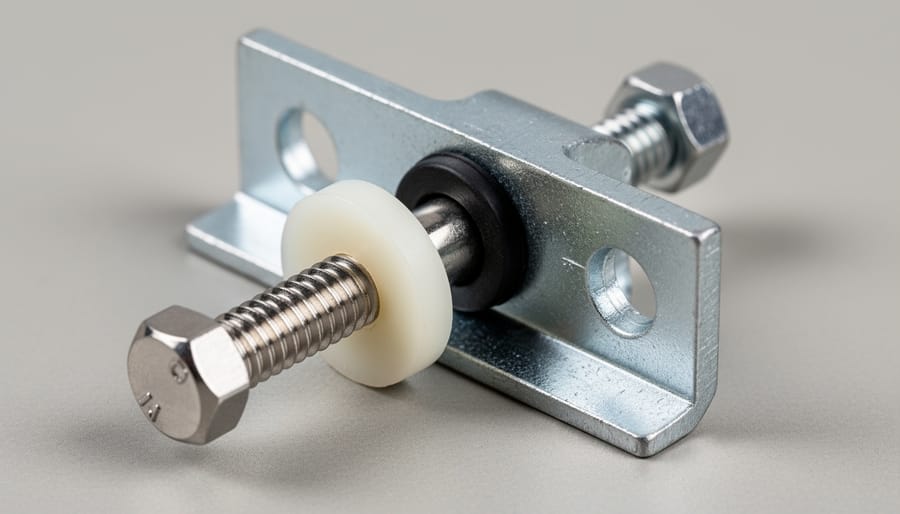
The golden rule for mixed-material carports is simple: keep incompatible metals from touching each other directly. This is where isolation materials become your best friends. Plastic washers are incredibly affordable and work wonderfully between aluminum panels and steel screws. Simply slip them onto your fasteners before installation, and you’ve created a protective barrier that stops galvanic corrosion before it starts.
Rubber grommets offer another excellent solution, especially around holes where different metals meet. They’re particularly useful when mounting accessories or making repairs to existing structures. One homeowner shared how using rubber grommets when adding steel brackets to her aluminum carport completely eliminated the rust spots she’d experienced with her first attempt.
For areas where physical barriers aren’t practical, protective coatings step in. A quality zinc-rich primer or specialized sealant can provide that crucial separation layer between metals. Think of these coatings as invisible shields that let you enjoy design flexibility without the corrosion headaches.
The small investment in isolation materials pays off tremendously in longevity and peace of mind.
Preventing Galvanic Corrosion: Beyond Just Choosing the Right Fastener
Isolation Techniques That Work
When you can’t avoid pairing dissimilar metals in your carport project, creating a physical barrier between them is your best defense against galvanic corrosion. Think of these barriers as protective shields that prevent direct contact while still allowing you to secure everything properly.
Nylon washers are perfect for bolt connections. Simply place one between your aluminum carport frame and steel bolts. They’re inexpensive, weather-resistant, and easy to find at any hardware store. For larger gaps or uneven surfaces, plastic sleeves work wonderfully around bolts and screws, creating complete separation along the fastener’s length.
Rubber grommets shine when you’re passing cables or rods through metal holes. They not only prevent metal-to-metal contact but also provide vibration dampening, which helps your carport withstand wind better.
For flat surface connections, quality electrical tape or specialized isolation tape creates an effective barrier. Wrap it around fasteners or apply it between metal surfaces before assembly. Just remember that tape may need replacing every few years, especially in areas with intense sun exposure.
The key is consistency. Every connection point needs protection. Missing just one can create a corrosion pathway that compromises your entire installation. When planning your carport project, buy these isolation materials alongside your fasteners, so you’re ready from the start.
Protective Coatings and Sealants
When metals can’t avoid contact, protective barriers become your best defense against galvanic corrosion. Think of coatings as insurance policies for your carport’s metal components—they prevent direct metal-to-metal contact and shield surfaces from moisture, the key ingredient in corrosion.
Galvanizing, where steel gets coated with zinc, is one of the most effective and economical options for carports. The zinc sacrifices itself to protect the underlying steel, giving you years of protection. Many pre-fabricated carport frames come galvanized, which is why they withstand the elements so well.
Powder coating provides both protection and curb appeal. This durable finish electrostatically bonds to metal surfaces, creating a thick barrier against moisture and oxidation. It’s particularly popular for aluminum carports where aesthetics matter. One homeowner shared that her powder-coated posts still looked showroom-new after five years of coastal weather exposure.
For fasteners and small connections, zinc-plated or stainless steel hardware offers reliable protection. Paint works well for touch-ups and repairs, though it requires reapplication every few years.
Corrosion-resistant sealants fill gaps where dissimilar metals meet, blocking moisture infiltration. Apply marine-grade silicone or polyurethane caulk around bolt heads and junction points during installation.
Regular maintenance matters—inspect coatings annually and touch up any chips or scratches promptly. Even small breaches let moisture in, starting the corrosion process you worked hard to prevent.
Environmental Factors to Consider
Your carport’s location plays a huge role in how quickly galvanic corrosion develops. If you live near the coast, salt air accelerates the process dramatically—sometimes causing visible damage within months rather than years. Coastal homeowners should opt for stainless steel or specially coated fasteners and incorporate regular maintenance routines that include rinsing metal connections with fresh water.
High humidity areas, like the Southeast, keep metal surfaces moist longer, speeding up corrosion. Industrial zones introduce additional airborne chemicals that act as catalysts. In these environments, choosing metals closer together on the galvanic chart becomes even more critical.
Weather patterns matter too. Areas with frequent temperature swings experience condensation buildup, while regions with acid rain need extra protective measures. Before installing your carport, consider your specific climate conditions and adjust your metal choices accordingly—it’s much easier than dealing with corroded connections later.
What to Do If You’ve Already Made the Wrong Match
Assessing the Damage
Regular inspections can catch galvanic corrosion before it causes serious structural damage to your carport. Start by examining all connection points where different metals meet, particularly fasteners, brackets, and anchoring systems. Look for telltale signs like white, powdery deposits on aluminum, rust-colored staining, or greenish residue near dissimilar metal joints.
Pay special attention to areas where moisture tends to accumulate, such as roof valleys, drainage points, and ground-level connections. If you notice discoloration, pitting, or flaking around bolts and screws, that’s a red flag. Sometimes you’ll spot loose fasteners or weakened connections before visible corrosion appears, which happens when the metal has deteriorated beneath the surface.
For homeowners comfortable with DIY projects, early-stage surface corrosion can often be addressed by replacing incompatible fasteners and adding proper isolation materials. However, if you discover extensive pitting, structural weakness, or corrosion affecting load-bearing components, it’s time to call a professional. A structural engineer or experienced contractor can assess whether repairs are sufficient or if replacement is necessary. Remember, your family’s safety depends on a sound structure, so when in doubt, seek expert guidance rather than guessing.
Retrofit Solutions That Save Money
Good news—you don’t always need to start from scratch if you discover galvanic corrosion on your existing carport. Start by inspecting all fasteners and prioritizing replacements based on severity. Replace the most corroded ones first, especially those showing visible deterioration or located in areas exposed to heavy moisture. For aluminum carports with steel fasteners, swap them out for stainless steel versions, which dramatically reduces corrosion risk.
Adding isolation barriers is your next cost-effective solution. Insert rubber or plastic washers between dissimilar metals at connection points. These simple barriers prevent direct metal-to-metal contact while maintaining structural integrity. You can find these washers at most hardware stores for just pennies each.
For fasteners in good condition but at risk, applying protective coatings extends their lifespan considerably. Galvanizing spray, specialized anti-corrosion paints, or even marine-grade sealants create protective layers that block moisture and air. Focus coating efforts on fasteners you can’t easily replace or hard-to-reach spots.
If you’re dealing with broader metal roof repairs, address galvanic issues simultaneously to avoid repeat problems. Sarah from Texas shared how replacing just twelve critical fasteners and adding washers cost her under fifty dollars but saved her carport from expensive panel replacement. Sometimes the smallest fixes deliver the biggest savings.
Shopping Smart: Questions to Ask Before You Buy
Before you invest in your carport project, taking a few minutes to ask the right questions can save you years of headaches and costly repairs. Whether you’re speaking with suppliers about materials or hiring a contractor for installation, being informed about metal compatibility matters.
Start by asking your supplier directly: “Are these fasteners and hardware compatible with my carport frame material?” Don’t assume they’ve already thought about this. Request specific information about the metals used in all components, including seemingly minor items like washers and screws. If you’re purchasing carport materials as a package, ask for written confirmation that all metals in the system are galvanically compatible.
When hiring contractors, inquire about their experience with preventing galvanic corrosion. Ask: “What steps do you take to ensure metal compatibility during installation?” A knowledgeable contractor should mention using isolation materials, proper fastener selection, and protective coatings without hesitation.
Here’s a simple checklist to guide your conversations:
– What specific metals or alloys are used in the frame, roofing, and all hardware?
– Do you provide isolation washers or gaskets where different metals meet?
– Are the fasteners you’re using rated for outdoor exposure in my climate?
– What warranty covers corrosion-related issues?
– Can you show me examples of similar installations that are several years old?
Remember, hesitation or vague answers are red flags. Reputable suppliers and contractors welcome these questions because they demonstrate you’re a thoughtful customer. One homeowner shared: “My contractor seemed annoyed by my questions at first, but later thanked me because checking compatibility prevented a major mistake with aluminum roofing on his steel framework.”
Trust your instincts. If something feels rushed or unclear, take time to research before committing.
Choosing the right fasteners for your carport isn’t just a minor detail—it’s a decision that directly impacts how long your investment will last. By taking a few minutes to check a metal galvanic compatibility chart before starting your project, you can avoid the headache and expense of dealing with corroded bolts, weakened structures, and unsightly rust stains down the road.
The good news is that once you understand the basics of metal compatibility, making smart choices becomes second nature. Whether you’re installing a new carport or replacing aging hardware, you now have the knowledge to match your fasteners correctly to your structure’s material. This simple step can mean the difference between a carport that serves you well for decades and one that requires costly repairs within just a few years.
Remember, this same principle applies to any outdoor metal structure you might tackle next—whether it’s a storage shed, fence, or pergola. Taking the time to choose compatible metals today saves you money, frustration, and work tomorrow. Your future self will thank you for getting it right the first time.
Looking for a carports?
Browse our full range of carports from authorized dealer brands. Free shipping to the continental US.