


Why Your Shed Lease Length Could Cost You Hundreds (6 vs 12 Month Comparison)

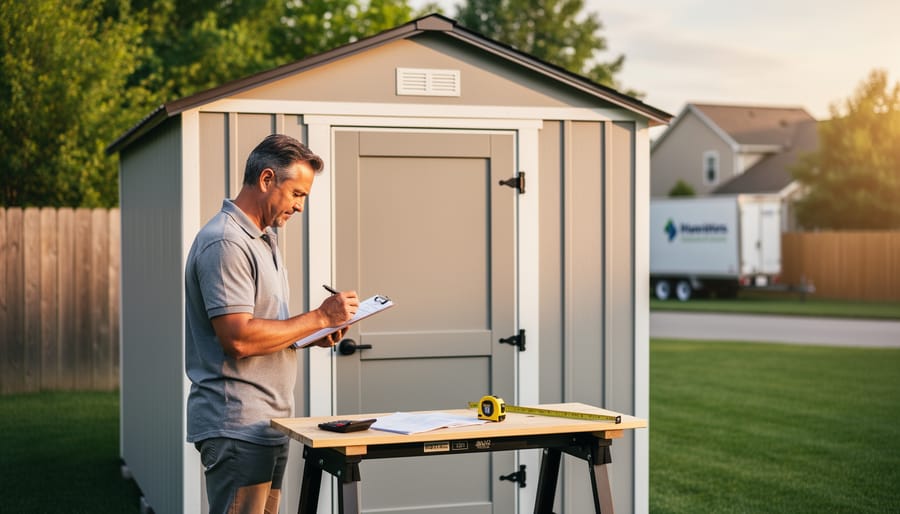
Choosing between a 6-month and 12-month lease for your portable shelter comes down to three key factors: upfront costs, monthly payment differences, and your timeline certainty. A 12-month lease typically saves you 15-25% on monthly payments compared to a 6-month term, but requires a longer financial commitment. If you’re planning a temporary project like a home renovation or seasonal storage need, the 6-month option gives you flexibility without overcommitting. However, if you need storage for an indefinite period, the 12-month lease reduces your total cost significantly over time.
Before signing any lease agreement, calculate the total cost of each option including delivery fees, setup charges, and early termination penalties. Many people overlook that a 6-month lease renewed twice often costs more than committing to 12 months upfront. Consider whether rent vs lease-to-own might better suit your long-term needs if you’re uncertain about the duration.
The smartest approach involves matching your lease term to your actual timeline. Add two months of buffer to your estimated need when choosing between options. If you think you need storage for 4-5 months, go with the 6-month lease. If your timeline extends beyond 8 months or remains unclear, the 12-month lease protects you from higher monthly rates and the hassle of renegotiating terms mid-year.
Understanding Your Storage Options: Rent, Lease-to-Own, and Buy
Before diving into whether a 6 month or 12 month lease makes sense for you, it helps to understand the three main ways you can get a portable shelter into your yard.
Renting is the most flexible option and includes both short-term and long-term lease agreements. With a rental, you pay a monthly fee to use the shelter without any ownership commitment. This approach works beautifully if you need temporary storage during a home renovation, seasonal equipment protection, or want to test out a shelter before making a bigger investment. The lease terms typically range from month-to-month agreements up to 12-month contracts, with 6 and 12 month options being the most common choices.
Lease-to-own programs offer a middle ground where your monthly payments gradually build equity toward ownership. A portion of each payment goes toward the purchase price, so you’re working toward owning the shelter outright while enjoying immediate use. This option appeals to homeowners who want to own eventually but need manageable monthly payments rather than a large upfront cost.
Buying outright means paying the full purchase price upfront, giving you immediate ownership with no ongoing monthly obligations. While this requires the biggest initial investment, it eliminates monthly payments and gives you complete control over your shelter from day one.
Understanding these three paths helps frame your lease length decision. If you’re leaning toward rental rather than ownership, the question becomes whether a shorter 6 month commitment or longer 12 month agreement better serves your specific storage needs and budget goals.
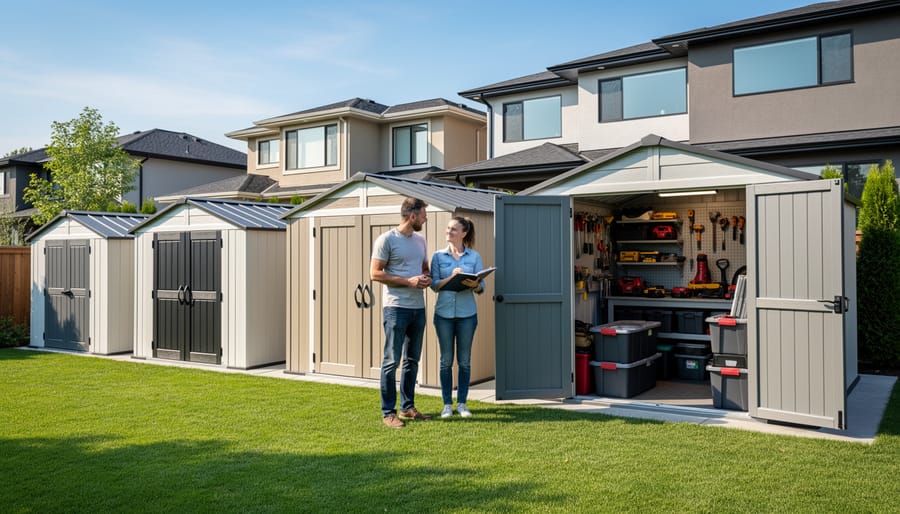
The Real Cost Difference: 6 Month vs 12 Month Leases Broken Down
Monthly Payment Variations
Here’s something you should know upfront: 6-month leases almost always come with higher monthly payments than their 12-month counterparts. The difference typically ranges from 15% to 30% more per month, depending on your provider and location.
Why the premium? Rental companies view shorter leases as riskier investments. They have less guaranteed income and face more frequent turnover costs, including inspections, potential repairs, and re-marketing. To offset these concerns, they build the extra expense into your monthly rate.
Let’s look at real numbers. If a portable storage shed runs $150 per month on a 12-month lease, expect to pay somewhere between $172 to $195 monthly for a 6-month commitment. That’s an extra $22 to $45 each month, which adds up to $132 to $270 over the shorter term.
For Sarah, a homeowner managing a kitchen renovation, the higher monthly cost made sense. “I knew my project would wrap up in five months, so paying $180 instead of $150 monthly still saved me money compared to committing to a full year I didn’t need.”
The key is calculating your total cost versus duration. Sometimes paying more monthly actually costs less overall when you avoid unnecessary months.
Total Cost Over Time
Let’s break down what you’ll actually spend with each lease option. Understanding the real numbers helps you make a confident choice that fits your budget.
For a 6-month lease, you might pay around $150 monthly for a basic storage shed, totaling $900 over six months. If you decide to renew for another six months, you’re looking at $1,800 for the full year. Some rental companies charge renewal fees between $25-$75, so factor that into your calculations.
With a 12-month lease, that same shed might cost $125 monthly due to the discount for committing longer, giving you a yearly total of $1,500. Right off the bat, that’s a $300 savings compared to renewing a 6-month lease twice.
Here’s where it gets interesting. Many people choose the 6-month option thinking they’ll only need temporary storage, but life happens. Sarah from Ohio shared her experience: “I rented a shed for six months during our home renovation. The project took longer than expected, and I ended up renewing three times. Looking back, the 12-month lease would’ve saved me nearly $400.”
Consider delivery and setup fees too. These one-time charges, typically $100-$200, apply each time you start a new lease. With a 6-month renewal, you usually avoid repeating these costs, but it’s worth confirming with your provider.
If you’re certain about needing storage for most of the year, the 12-month lease delivers better value. However, if you genuinely need flexibility for a short-term project, the 6-month option makes sense despite the premium.
When a 6 Month Lease Makes Perfect Sense
Seasonal Storage Needs
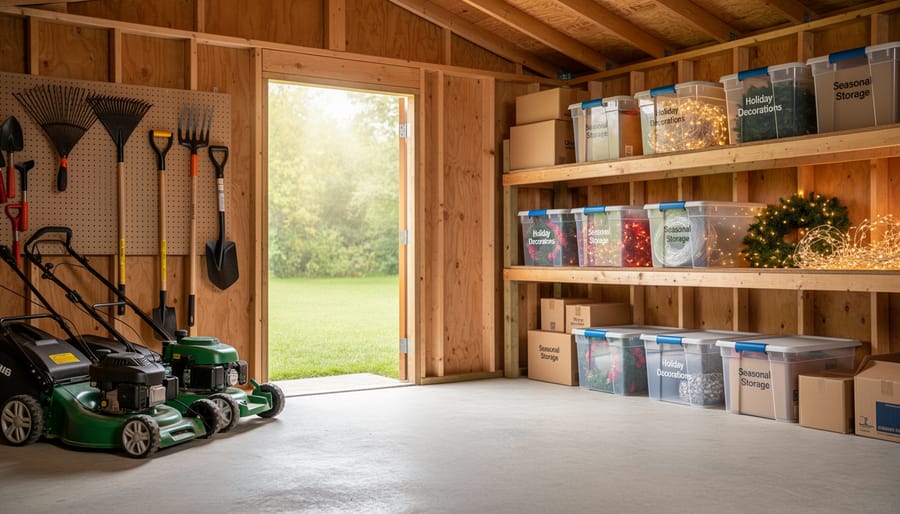
If you’re storing seasonal items like holiday decorations, patio furniture, or lawn equipment, a 6-month lease can be your budget-friendly solution. Think about it: why pay for storage space year-round when you only need it half the time?
Many homeowners find that a short-term lease perfectly matches their storage rhythm. For example, you might need shelter for your riding mower and snow blower during summer months, then bring them back out when winter arrives. Similarly, outdoor furniture and pool equipment can be tucked away safely during harsh weather without the commitment of a full year.
The cost savings add up quickly. If a 6-month lease runs $400 versus $650 for 12 months, you’re pocketing $250 by choosing the shorter term. Just remember to factor in any setup or delivery fees that might apply each time you lease.
One real-world tip: Mark your calendar a month before your lease ends to evaluate whether you need to extend or if you can retrieve your items and skip the next season’s rental altogether.
Home Renovation or Construction Projects
Home renovations rarely stick to schedule, which makes a 6-month lease ideal for storing furniture, tools, and belongings during construction projects. You might think your kitchen remodel will take two months, but permit delays, material shortages, or unexpected issues often extend timelines unpredictably.
With a short-term lease, you’re not locked into paying for storage you might not need. One homeowner, Sarah from Portland, shared how her bathroom renovation stretched from six weeks to four months due to plumbing complications. Her 6-month lease meant she only paid for what she used without penalty.
This flexibility becomes especially valuable when contractors provide vague completion estimates. You can always extend month-to-month if needed, whereas breaking a 12-month lease early typically costs you. Plus, construction creates dust and debris that damages furniture, so temporary storage protects your investment while keeping your workspace clear. The short commitment gives you breathing room to adjust as your project evolves without the financial stress of unnecessary long-term obligations.
Testing Before You Commit
A 6-month lease works beautifully as a trial run before making bigger commitments. Think of it as a test drive for your storage needs. Maybe you’re downsizing and aren’t sure how much extra space you’ll actually need long-term. Or perhaps you’re considering a lease-to-own option but want to make absolutely certain a portable shelter fits your lifestyle first.
Real-life example: Jennifer from Colorado rented a 10×12 shed for six months while decluttering her garage. By month four, she realized most items could be donated or sold, and she didn’t need permanent storage after all. She saved thousands compared to buying outright.
This trial period also lets you test practical factors like placement on your property, how weather affects the structure, and whether the size truly meets your needs. If you love it, you can transition to a longer lease or purchase. If not, you’ve only committed to half a year and gained valuable insights about your actual storage requirements.
When a 12 Month Lease Saves You Money and Headaches
Ongoing Storage Requirements
If you need a reliable spot for lawn mowers, gardening tools, seasonal decorations, or workshop equipment year after year, a 12-month lease makes the most financial sense. These aren’t temporary needs that disappear after a season – they’re ongoing parts of your home life.
Think about it: your lawn equipment doesn’t magically vanish after six months. Neither do your tools, sports gear, or holiday decorations. With permanent storage needs, choosing a 6-month lease means you’ll keep renewing contracts and potentially facing price increases every time. The hassle alone isn’t worth it.
A 12-month commitment typically saves you 15-25% compared to back-to-back short-term rentals. Even better, many companies offer multi-year discounts or automatic renewal rates that lock in your pricing. One homeowner told us she saved over $400 annually by switching from 6-month renewals to a single 12-month lease for her gardening shed.
The peace of mind matters too. You’re not scrambling every few months wondering if rates went up or if your preferred unit is still available.
Better Monthly Rates and Stability
One of the most compelling advantages of committing to a 12-month lease is the financial savings you’ll enjoy. Most rental companies reward longer commitments with reduced monthly rates, often offering discounts ranging from 10% to 20% compared to shorter 6-month agreements. This means that over the course of a year, choosing a 12-month lease could save you several hundred dollars on your portable shelter rental.
Beyond the immediate discount, a 12-month lease locks in your rate for the entire year, protecting you from unexpected price increases. This stability is particularly valuable in markets where rental rates fluctuate seasonally or when demand spikes. Imagine securing a great rate in January, only to watch prices climb during peak construction season in spring and summer while your monthly payment remains unchanged.
This predictable budgeting makes financial planning much easier, whether you’re managing a business expense or protecting your personal property. You’ll know exactly what you’re paying each month without worrying about mid-lease adjustments or surprise costs.
Avoiding Renewal Hassles
Here’s a real-world scenario many renters face: Sarah leased a portable shelter for 6 months, loved it, and wanted to continue. Unfortunately, when her lease ended, the unit wasn’t available for renewal because another customer had already reserved it. She scrambled to find an alternative, wasting valuable time and dealing with unexpected hassle.
This is where 12-month leases shine. You lock in your rental for the entire year, avoiding the stress of renegotiating terms every six months. No worrying about seasonal availability spikes or price increases when renewal time rolls around. You simply set it and forget it.
With shorter leases, you’re essentially back in the market twice as often, checking availability, comparing prices, and potentially moving your belongings if your preferred unit isn’t available. That’s double the paperwork, double the phone calls, and double the uncertainty.
For projects with clear timelines beyond six months, choosing the longer commitment upfront saves you from renewal headaches and gives you peace of mind knowing your storage solution is secured.
The Lease-to-Own Alternative: Could It Beat Both Options?
Here’s a thought that might surprise you: what if you didn’t have to choose between a 6 or 12 month lease at all? Lease-to-own programs offer a third path where your monthly payments actually build toward ownership instead of disappearing into rental costs.
With lease-to-own, you typically pay slightly more per month than a standard rental, but a portion goes toward purchasing the shed. Let’s look at the numbers. Say a standard 12-month lease costs $150 monthly (totaling $1,800 yearly). A comparable lease-to-own arrangement might run $185 monthly, with $50 of each payment applied to the purchase price of a $3,500 shed.
After 12 months, you’ve paid $2,220 total but built $600 in equity. Continue for another year, and you’ve contributed $1,200 toward ownership while a traditional renter has spent $3,600 with nothing to show for it. By month 30 to 36, many programs let you own the shed outright.
This option shines brightest when you know you’ll need storage for more than a year but can’t afford the upfront purchase cost. Sarah from Tennessee shared her experience: “I started lease-to-own thinking I’d need the shed temporarily for a renovation. Two years later, it’s paid off and permanently houses my gardening equipment. Best decision I made.”
The math gets even better when you factor in that owned sheds can be moved to a new property or sold if your needs change. Compare this to 24 months of standard leasing at $3,600 spent with zero return.
However, lease-to-own requires commitment. Missing payments can mean losing both your shed and the equity you’ve built. It works best when you’re confident about your long-term storage needs and have stable monthly income to support the slightly higher payments.
What Lease Contracts Don’t Tell You (Red Flags to Watch For)
Before you sign on the dotted line, there are several contract details that lease companies don’t always make crystal clear upfront. Understanding these hidden aspects can save you from unexpected costs and headaches down the road.
One of the biggest surprises renters encounter is delivery and setup fees. While the monthly rate might seem affordable, some companies charge separately for transportation, placement, and leveling of your shelter. These fees can add $100-$300 to your initial costs. Always ask for the total out-of-pocket expense before delivery, not just the monthly payment.
Damage policies deserve extra attention. Many contracts hold you responsible for weather-related damage, vandalism, or even normal wear and tear. I spoke with Jennifer from Colorado who learned this lesson the hard way when hail damage resulted in a $450 repair bill she wasn’t expecting. Make sure you understand what’s covered and what’s your responsibility. Some leases even require you to carry insurance on the unit.
Maintenance responsibilities often catch renters off guard. While you might assume the leasing company handles all repairs, many contracts require you to perform basic maintenance like cleaning gutters, treating for rust, or anchoring the structure properly. Failing to meet these requirements could void your agreement or result in penalties.
Automatic renewal clauses are another red flag. Some month-to-month leases automatically convert to longer terms or renew without explicit notice, locking you into additional months you didn’t plan for. Always clarify the cancellation process and required notice period, typically 30 days.
Here’s a quick checklist of questions to ask before signing:
– What’s the total cost including delivery, setup, and removal?
– Who handles repairs, and what am I responsible for maintaining?
– What happens if the shelter is damaged by weather or theft?
– How much notice do I need to give to end the lease?
– Are there penalties for early termination?
– Does the lease automatically renew, and under what terms?
Taking fifteen minutes to ask these questions can prevent months of frustration and unexpected expenses.

Making Your Decision: A Simple Framework
Choosing between a 6-month and 12-month lease comes down to understanding your specific situation. Let’s walk through a practical framework to help you make the right choice.
Start by asking yourself these three key questions. First, how long do you actually need the shelter? If you’re renovating your home and need temporary storage for three to six months, a shorter lease makes perfect sense. But if you’re looking at ongoing equipment storage or a long-term workshop space, committing to 12 months will save you money.
Second, what does your budget flexibility look like? Can you comfortably afford higher monthly payments for short-term convenience, or would spreading costs over a longer period work better for your cash flow? Remember that 6-month leases typically cost 15-25% more per month.
Third, consider your long-term plans. Are you testing whether a portable shelter fits your lifestyle, or do you know this is a solution you’ll need for years? If ownership interests you, exploring rent-to-own alternatives might be worth your time.
Here’s a quick reference to simplify your decision:
Choose a 6-month lease if you have a temporary project with a clear end date, need flexibility to relocate soon, want to test a shelter before committing long-term, or can absorb higher monthly costs for short-term convenience.
Choose a 12-month lease if your storage needs extend beyond six months, you’re prioritizing monthly savings, your living situation is stable, or you might consider lease-to-own options later.
The right choice aligns with both your practical needs and financial comfort zone.
Choosing between a 6 month and 12 month lease ultimately comes down to your unique circumstances. If you need flexibility and can absorb the higher monthly costs, a short-term lease makes perfect sense. On the other hand, if you’re tackling a longer project or simply want to save money over time, locking in that 12 month rate is the smarter financial move.
There’s no one-size-fits-all answer here. Take a few minutes to calculate your actual costs based on your timeline, considering those potential early termination fees and seasonal pricing changes we discussed. Run the numbers for both scenarios and see which one truly fits your budget and project needs.
Here’s something worth considering: if your total lease costs start approaching 60-70% of the purchase price, buying might actually make more sense than continuing to rent. You’d own the storage solution outright and could use it for years to come.
The good news? You now have all the information you need to make a confident, informed decision that works for your situation. Trust your calculations, consider your timeline, and choose the option that gives you the best combination of flexibility and value.