


How to Choose Greenhouse Glazing Materials: A Buying Guide

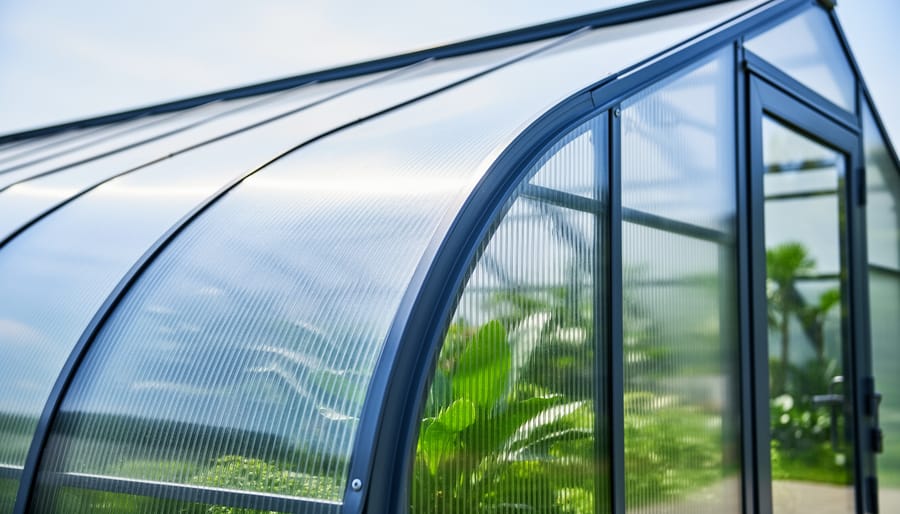
Choosing the right glazing material determines whether your greenhouse thrives or disappoints. Polycarbonate panels dominate the residential market in 2026 because they deliver excellent insulation, impact resistance, and light diffusion at a mid-range price point, but glass, polyethylene film, and acrylic each shine in specific situations depending on your budget, climate, and growing goals.
Most homeowners investing in a greenhouse assume all transparent coverings perform similarly. They don’t. A material that works beautifully for year-round vegetable production in Minnesota will waste money in Florida, and what suits a hobbyist growing tomatoes fails a serious orchid collector who needs precise light control. The glazing you select affects heating costs, plant health, maintenance frequency, and how long your structure lasts before requiring replacement.
Your glazing works in tandem with your greenhouse framing to create the growing environment, so the choice deserves careful thought before you buy. Beyond the basic question of letting light through, you’re balancing thermal performance, hail damage risk, UV degradation, cleaning effort, and upfront cost against long-term value.
This guide walks you through each major glazing type with real performance data, explains the key factors that matter for your specific climate and use case, and shows you how to match materials to your situation without overspending on features you won’t use. You’ll also learn the costly mistakes that trip up first-time greenhouse buyers, so you can invest confidently in a structure that performs well for years.
Key Takeaway: Before comparing materials, answer three questions: What are your coldest winter temperatures? Will you grow year-round or seasonally? What’s your total budget including potential heating costs over five years?
Understanding Your Glazing Needs
Before you compare specific glazing materials, step back and assess what you actually need from your greenhouse. The right glazing for a hobbyist growing tomatoes in Georgia differs completely from what a serious gardener needs for year-round production in Minnesota. Your climate, how you’ll use the greenhouse, your budget, and your comfort with installation all shape which material makes sense.
Climate realities come first. If you live where winter temperatures regularly drop below freezing, insulation becomes critical. Twin-wall polycarbonate or double-glazed glass will save you money on heating costs and protect tender plants. In mild climates, single-layer options work fine and cost less upfront. Consider your area’s wind patterns and hail risk too, some materials handle impacts better than others.
Your growing season determines priorities. A three-season greenhouse used mainly for seedlings in spring needs different glazing than a year-round setup where you’re growing vegetables through January. Seasonal growers can often get by with less expensive materials like polyethylene film, which you’ll replace every few years. Year-round gardeners benefit from investing in durable materials that retain heat and last decades.
Budget means more than the sticker price. A cheaper material that needs replacing in three years or doubles your heating bill costs more long-term than a pricier option lasting 20 years. Factor in both initial investment and operating costs.
Finally, be honest about your DIY abilities. Glass requires careful handling and proper framing. Polycarbonate panels are lighter and more forgiving for first-timers. Poly film is the easiest to install but demands more frequent attention. If you’re hiring professionals, installation costs vary significantly by material.
Key Factors When Choosing Greenhouse Glazing
Light Transmission and Clarity
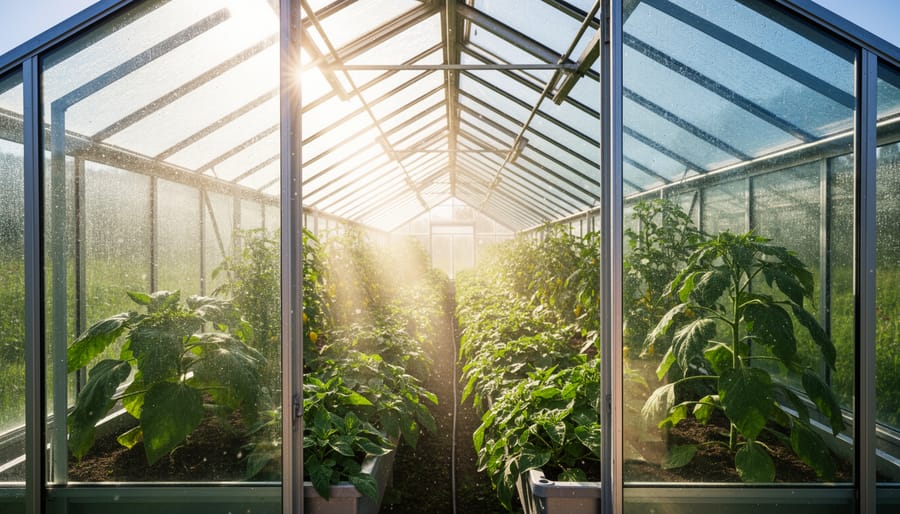
Light transmission determines how much sunlight reaches your plants, directly affecting photosynthesis and growth rates. Most greenhouse glazing materials transmit between 70% and 92% of available light, but the quality of that light matters as much as the quantity.
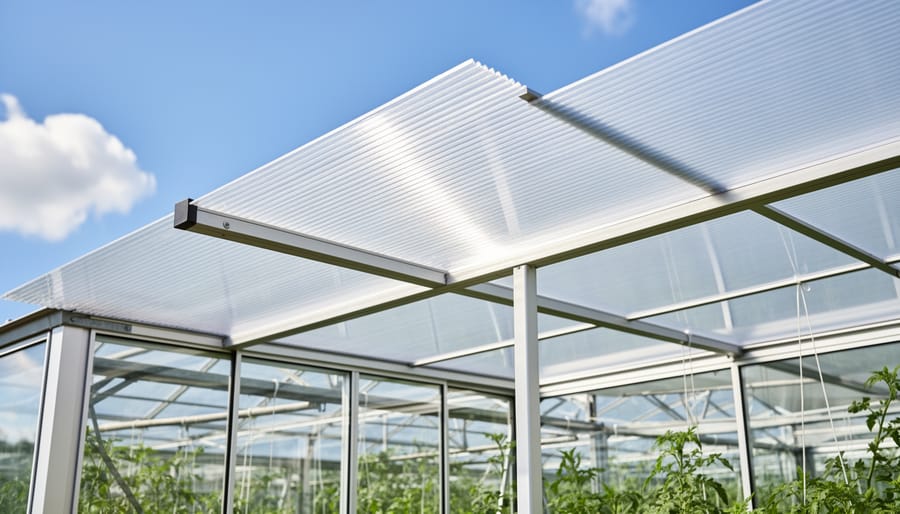
Glass offers the highest light transmission at around 90-92%, providing crystal-clear views and direct sunlight. However, direct light can create hot spots and uneven growing conditions. Polycarbonate panels typically transmit 80-88% of light while naturally diffusing it, scattering rays evenly across your growing space. This diffusion eliminates harsh shadows and reduces the risk of leaf burn on sensitive plants.
Twin-wall polycarbonate provides better diffusion than single-wall versions due to its cellular structure, though it slightly reduces total transmission. Polyethylene film transmits 85-90% of light when new but degrades over time as UV exposure yellows the material.
For most home gardeners, diffused light proves more beneficial than maximum transmission. Tomatoes, peppers, and flowering plants thrive under evenly distributed light that reaches lower leaves without scorching tender foliage. Only specialty growers cultivating high-light orchids or tropical specimens typically need the maximum clarity glass provides.
Insulation and Energy Efficiency
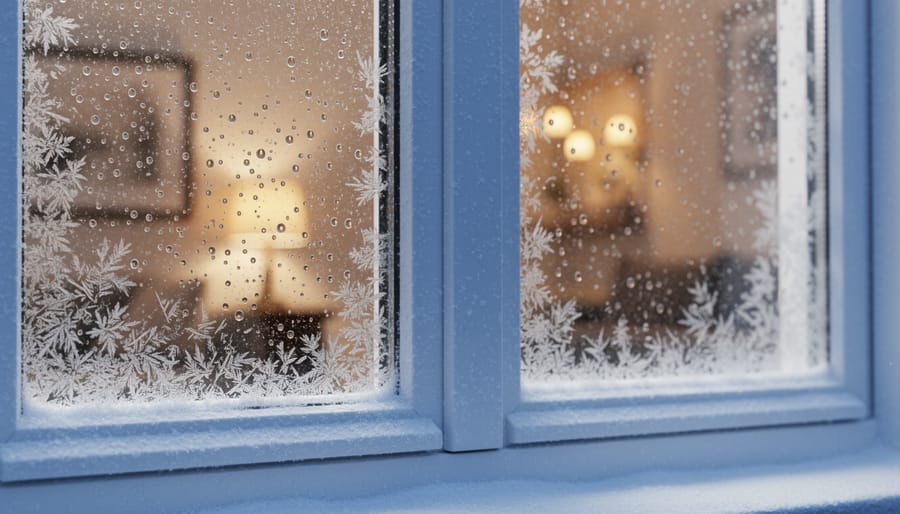
Glazing choice directly impacts your heating bills and growing season length. The insulation value of greenhouse materials is measured by R-value, higher numbers mean better heat retention. In colder climates, this determines whether you can grow year-round or only seasonally.
Single-layer glazing (like standard glass or single-wall polycarbonate) offers minimal insulation, with R-values typically around 0.9 to 1.0. Heat escapes quickly on cold nights, forcing you to run heaters constantly or accept shorter growing windows. Double-layer options change the equation entirely. Twin-wall polycarbonate provides an R-value of approximately 1.6 to 2.0, while double-pane glass reaches 2.0 or higher. That air gap between layers acts as a thermal buffer, trapping warmth inside and cutting heating costs by 30 to 50 percent compared to single-layer materials.
For homeowners building a four-season greenhouse double-layer glazing is non-negotiable. The upfront cost premium pays back through reduced energy consumption within two to three years in most northern climates. Even if you only heat occasionally during cold snaps, better insulation means your plants survive temperature drops without supplemental heat. Triple-wall polycarbonate pushes R-values to 2.4, offering the best insulation for extreme climates, though light transmission drops slightly with each additional layer.
Durability and Weather Resistance
Your greenhouse glazing needs to withstand years of sun exposure, hailstorms, heavy snow loads, and high winds without cracking or degrading. Materials differ significantly in how they handle these challenges.
Polycarbonate panels excel at impact resistance, twin-wall versions are virtually shatterproof and can handle hail that would crack glass. They include UV-protective coatings that prevent yellowing and maintain structural integrity for 10-15 years, though cheaper panels without proper UV treatment may cloud after just a few seasons.
Glass offers the longest lifespan, often 20-30 years, but tempered glass is essential in areas prone to hail or falling branches. Standard glass shatters on impact and poses safety risks.
Polyethylene film deteriorates fastest under UV exposure. Most poly films last 3-5 years before becoming brittle and requiring replacement, though UV-treated versions at the higher end of that range provide better value.
Wind resistance depends on proper installation and frame support as much as material choice. Lightweight poly film needs secure fastening to prevent tearing, while rigid panels distribute wind loads more effectively across the frame structure.
Cost and Long-Term Value
Greenhouse glazing costs vary dramatically upfront but tell only part of the story. Polycarbonate panels typically run $2-4 per square foot for twin-wall versions, while glass glazing costs $5-10 per square foot installed. Polyethylene film appears cheapest at $0.50-1.50 per square foot, but needs replacement every 3-4 years.
Calculate long-term value by dividing total cost by expected lifespan. Glass lasting 20+ years often costs less per year than cheap poly film replaced five times. Twin-wall polycarbonate hits a sweet spot for many homeowners: moderate upfront investment with 10-15 year durability and minimal maintenance. Factor in your heating costs too, better insulating materials pay back their premium through reduced energy bills, especially in cold climates where you’re extending the growing season year-round.
Installation Difficulty
Installation difficulty varies dramatically by glazing type and directly impacts whether you can tackle the project yourself or need professional help. Polycarbonate panels are the most DIY-friendly option, lightweight enough to handle solo, they typically slide into greenhouse frame channels or attach with specialized clips that homeowners can install using basic tools and a clear assembly instructions PDF. Glass requires two people minimum due to weight and fragility, plus experience working with glazing putty or rubber seals; most homeowners hire professionals to avoid breakage and ensure proper weatherproofing. Polyethylene film is surprisingly tricky despite being lightweight, achieving taut, wrinkle-free coverage without tears takes practice, and you’ll need a specialized channel system or wiggle wire to secure it properly. Acrylic falls between polycarbonate and glass in difficulty: easier to cut and lighter than glass, but requires careful handling to prevent scratching during installation.
Types of Greenhouse Glazing Materials Compared
Polycarbonate Panels
Polycarbonate panels have become the go-to choice for greenhouse kits, and for good reason. You’ll find two main types: single-wall and twin-wall. Single-wall polycarbonate is a flat sheet, similar to glass but lighter and tougher. Twin-wall features two layers with air pockets between them, creating excellent insulation while still allowing plenty of light through.
The standout benefit is impact resistance. Polycarbonate can take a beating from hail, falling branches, or an errant baseball without shattering. Most panels come with built-in UV protection on both sides, blocking harmful rays that would otherwise degrade the material and damage your plants. Twin-wall versions offer R-values around 1.7 to 2.0, significantly better than single-pane glass, which means lower heating costs if you’re growing year-round.
Light transmission sits around 80 to 90 percent, and the panels diffuse light rather than allowing harsh direct beams. This creates even illumination throughout your greenhouse without hot spots.
The main drawback is that polycarbonate scratches more easily than glass. Over time, panels may also yellow slightly despite UV coating, though quality panels maintain clarity for 10 to 15 years.
Sarah from Portland shares: “I replaced my old glass panels with twin-wall polycarbonate two years ago. The difference in my winter heating bill was immediate, and I love not worrying every time we get a storm.”
Twin-wall polycarbonate suits year-round gardeners in variable climates. Single-wall works well for three-season use or milder regions where extra insulation matters less.
Glass Glazing
Glass has been the gold standard for greenhouse glazing since Victorian times, and for good reason. It offers the highest light transmission of any glazing material, typically 90% or more, which means your plants get nearly all the available sunlight. This clarity remains consistent over decades, unlike plastics that can yellow or become hazy with age.
You’ll find two main types: standard horticultural glass and tempered (toughened) glass. Standard glass costs less but shatters into dangerous shards when broken. Tempered glass, which undergoes heat treatment for strength, breaks into small, relatively harmless pieces and can handle greater impacts. Most modern greenhouse kits designed for glass use tempered panels, especially in areas accessible to children or pets.
The trade-offs are significant. Glass is heavy, a single 3×6 panel can weigh 50 pounds, which means you’ll need a sturdy aluminum or steel frame and likely professional installation help. It’s also the most fragile option in hailstorms or if something strikes it. Replacement panes can be expensive and require precise measurements.
Glass shines for year-round growers in mild to moderate climates who want a permanent structure that looks beautiful and performs consistently for 20-30 years or more. It’s worth the investment if you’re serious about growing and plan to stay in your home long-term, but budget greenhouses and DIY enthusiasts often find the weight and installation challenges prohibitive.
Polyethylene Film
Polyethylene film, often just called poly film or greenhouse plastic, stands out as the most affordable glazing option, making it especially popular with first-time greenhouse owners and hobby gardeners working within a tight budget. You’ll find it available in single-layer 6-mil thickness or double-layer configurations that create an air pocket for improved insulation.
The cost difference is substantial. While polycarbonate or glass can run several dollars per square foot, quality poly film typically costs under a dollar per square foot, allowing you to glaze even a large greenhouse for a fraction of what rigid materials would cost. Double-layer systems include an inflation blower that maintains the air gap between sheets, boosting your R-value to around 1.7, roughly equivalent to single-wall polycarbonate at a much lower price point.
The trade-off is longevity. Most poly films last three to four years before UV degradation causes them to become brittle and tear, while UV-treated versions might stretch to five or six years with proper care. You’ll need to budget for replacement every few seasons, which adds to your long-term costs but keeps the initial investment minimal.
This makes poly film ideal for seasonal growers who run their greenhouses from spring through fall, budget-conscious gardeners testing out greenhouse growing before committing to a permanent structure, or anyone building a large hoop house where rigid glazing would be prohibitively expensive. The lightweight material also simplifies DIY installation, no special tools or heavy lifting required.
Acrylic Panels
Acrylic panels share many characteristics with polycarbonate but offer distinct advantages for specific greenhouse applications. The most notable difference is optical clarity, acrylic transmits up to 92% of available light with minimal distortion, matching or exceeding glass in transparency. This makes acrylic ideal when you’re growing light-sensitive plants or want an unobstructed view of your garden from outside the greenhouse.
Like polycarbonate, acrylic resists impacts far better than glass, though it’s slightly more prone to scratching. It also weighs less than glass, simplifying installation for DIY projects. However, acrylic typically costs 20-30% more than twin-wall polycarbonate panels of the same thickness, which narrows its appeal for budget-conscious buyers.
Where acrylic truly excels is in specialized applications. Photographers using greenhouses as studios appreciate the superior light quality. Hobbyists growing orchids or other plants requiring precise light conditions often choose acrylic for its consistent transmission properties. The material also resists yellowing longer than standard polycarbonate, maintaining its clarity for 10-15 years with proper UV-resistant coatings.
The trade-off is thermal performance. Acrylic’s insulation properties fall between single-pane glass and twin-wall polycarbonate, so it’s not the best choice for year-round growing in cold climates unless you’re willing to invest more in heating. For most homeowners, polycarbonate offers better value, but acrylic fills a niche when optical quality matters most.
Recommendations by Greenhouse Use
Choosing the right glazing comes down to matching the material to how you’ll actually use your greenhouse. A hobby gardener in a mild climate has completely different needs than someone running a year-round operation in Minnesota. Here’s how to match glazing to your specific situation.
For Hobby Gardeners and Weekend Growing
If you’re growing tomatoes and herbs for your family during the warmer months, twin-wall polycarbonate hits the sweet spot. It’s forgiving enough for beginners, handles the occasional hailstorm without shattering, and doesn’t require the precision installation that glass demands. You’ll get decent light transmission without the premium price tag, and most greenhouse kits designed for hobbyists come with polycarbonate panels that you can install yourself in a weekend.
Matching Glazing to Your Greenhouse Goals
Different growing scenarios call for different glazing solutions:
- Year-round growing in cold climates: 8mm or 10mm twin-wall polycarbonate for superior insulation and lower heating costs
- Show-quality ornamental plants: Tempered glass for maximum light transmission and visual clarity
- Budget-conscious seasonal use: 6-mil double-layer polyethylene film for adequate performance at minimal cost
- Starting seedlings and propagation: Clear single-wall polycarbonate or glass for direct light without excessive heat buildup
- Hot, sunny climates: Polycarbonate with UV coating and light diffusion to prevent plant scorching
- Orchids and specialty plants: Acrylic or glass for precise light control and aesthetics
- High-wind coastal areas: Polycarbonate for impact resistance, avoiding glass entirely
When Glass Makes Sense
Glass works best for gardeners who want a permanent structure and don’t mind the higher upfront cost. If you’re growing light-sensitive crops like orchids or plan to keep your greenhouse for 20-plus years, the superior clarity and longevity justify the investment. Glass also appeals to homeowners who view their greenhouse as a garden feature, not just a utility structure.
The Budget-Friendly Path
Polyethylene film suits gardeners who need a functional greenhouse now but can’t stretch to polycarbonate or glass. You’ll replace it every three to five years, but the low entry cost lets you start growing sooner. It’s particularly smart for testing whether you’ll actually use a greenhouse before committing to a permanent glazing investment.
Common Mistakes to Avoid When Buying Greenhouse Glazing
Choosing the wrong glazing can turn an exciting greenhouse project into a source of frustration and wasted money. Many homeowners rush into the decision without fully understanding how their local climate and growing goals should drive material selection. Here are the most common missteps and how to sidestep them.
Picking material based on price alone is the biggest trap. A bargain on thin polyethylene film might seem smart until you’re replacing it every two years or watching your heating bills climb in winter. The cheapest upfront option rarely delivers the best value over time, especially if you’re building an all-season extension meant for year-round use.
Warning: Choosing glazing based solely on the lowest price without considering your climate’s heating and cooling demands often leads to the most expensive mistake, sky-high energy costs or premature material failure.
Another frequent error is ignoring your climate’s specific demands. Glass performs beautifully in mild, stable climates but can become a liability in areas with severe hailstorms or high winds. Similarly, single-wall polycarbonate works fine in temperate zones but won’t provide enough insulation if you’re growing through harsh winters. Match the material’s strengths to your local weather patterns, not just to what looks appealing.
Overlooking installation complexity catches many DIY enthusiasts off guard. Glass requires careful handling, proper sealing, and often a second pair of hands or professional help. If you’re not comfortable with precision work, choosing a material that demands it will slow your project and potentially compromise structural integrity. Twin-wall polycarbonate offers a gentler learning curve for first-time installers.
Finally, neglecting UV protection and warranty details can shorten your glazing’s lifespan dramatically. Not all polycarbonate includes UV-resistant coatings on both sides, and some manufacturers offer far better coverage than others. Read the fine print before you buy, a robust warranty signals the manufacturer stands behind their product’s durability, while vague terms suggest you’re on your own when degradation starts.
Frequently Asked Questions About Greenhouse Glazing
Can you mix different glazing materials on one greenhouse? While it’s technically possible, it’s rarely a good idea. Most greenhouse kits are designed for a single glazing type, and mixing materials creates challenges with thermal expansion rates, mounting hardware compatibility, and uneven light distribution that can stress plants. If you’re replacing damaged panels, stick with the original material to maintain structural integrity and warranty coverage.
How often should I replace polyethylene film glazing?
Standard single-layer poly film typically lasts 1-2 years before UV degradation reduces light transmission and causes brittleness. UV-treated double-layer film can last 3-4 years with proper care, though you’ll notice yellowing and reduced clarity as it approaches replacement time.
Is UV protection necessary for greenhouse glazing?
Yes, UV protection is essential for both the glazing material itself and your plants. Without UV stabilizers, materials like polycarbonate and acrylic turn yellow and brittle within 2-3 years, while poly film degrades in months. Quality glazing blocks harmful UV-B rays while transmitting beneficial UV-A light that plants need.
What’s the best glazing material for high-wind areas?
Twin-wall polycarbonate offers the best wind resistance for most homeowners, with impact strength 200 times greater than glass and flexibility that prevents cracking. If you live in an area with frequent storms or near the coast, avoid glass and single-layer materials that can shatter or tear.
Will my greenhouse kit frame work with any glazing type?
No, frames are engineered for specific glazing materials and thicknesses. Glass requires stronger structural support than polycarbonate, while poly film needs specialized channels and tensioning systems. Always check your kit manufacturer’s specifications before switching glazing types.
When it comes to maintenance, most glazing materials need only occasional washing with mild soap and water. Avoid abrasive cleaners or high-pressure washers that can scratch polycarbonate and acrylic surfaces. Check seals and mounting hardware annually, tightening any loose connections before winter weather arrives.
For cold-climate gardeners wondering about condensation, it’s normal to see moisture between double-layer panels during temperature swings. This usually evaporates as the greenhouse warms. Persistent condensation inside single-layer glazing signals inadequate ventilation, which you’ll need to address with vents or fans to prevent mold and disease problems.
Choosing the right greenhouse glazing isn’t about finding the “best” material, it’s about finding what works for your specific situation. Your climate, budget, and how you plan to use your greenhouse should drive every decision.
If you’re growing year-round in cold winters, investing in twin-wall polycarbonate or insulated glass pays dividends through lower heating costs and healthier plants. Weekend gardeners in mild climates often find polyethylene film perfectly adequate for seasonal growing. Your local weather patterns matter more than broad generalizations about “superior” materials.
Don’t let upfront costs alone steer your choice. A cheaper glazing that needs replacement every three years becomes expensive quickly, while a higher initial investment in durable materials can serve you for decades with minimal maintenance.
The glazing you select fundamentally shapes your greenhouse experience. Poor light transmission stunts plant growth. Inadequate insulation means battling temperature swings. Fragile materials create constant repair headaches. Get this decision right, and you’ll enjoy productive growing seasons for years. Rush it or mismatch material to purpose, and you’ll face ongoing frustration.
Take time to match your glazing choice to your real-world needs, not someone else’s priorities.